Do You Need Planning Permission for End-of-Terrace Alterations?

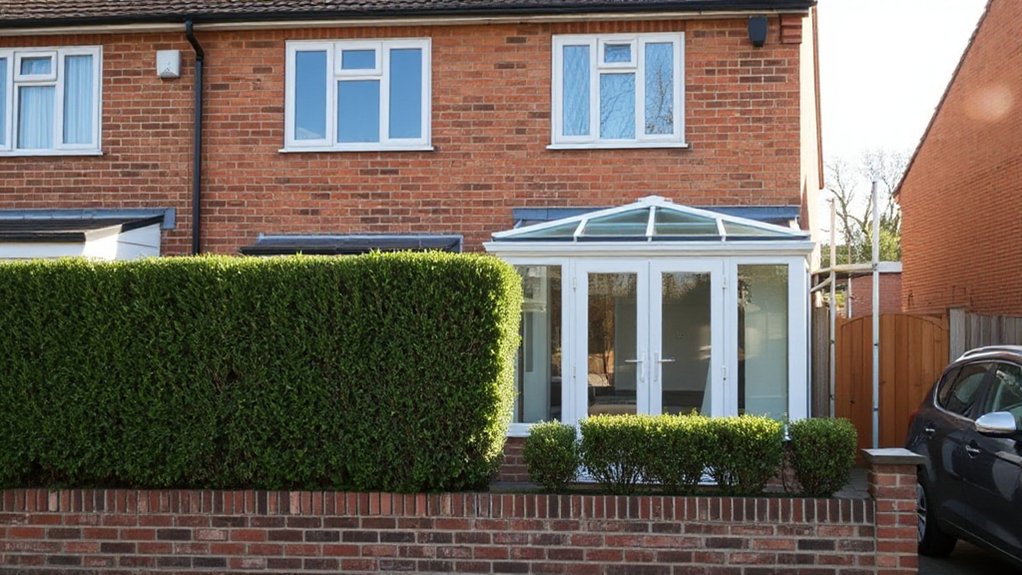
End-of-terrace alterations have potential planning consequences you can’t ignore. You’ll need to distinguish between permitted development and formal planning permission, especially if changes affect the building’s external appearance or the streetscape. Minor internal mods may be exempt, but enlargements, facade changes, or extensions typically trigger consent. Before you proceed, consider how neighbours and heritage protections…
How to Convert an Office Space Into a Residential Studio Flat
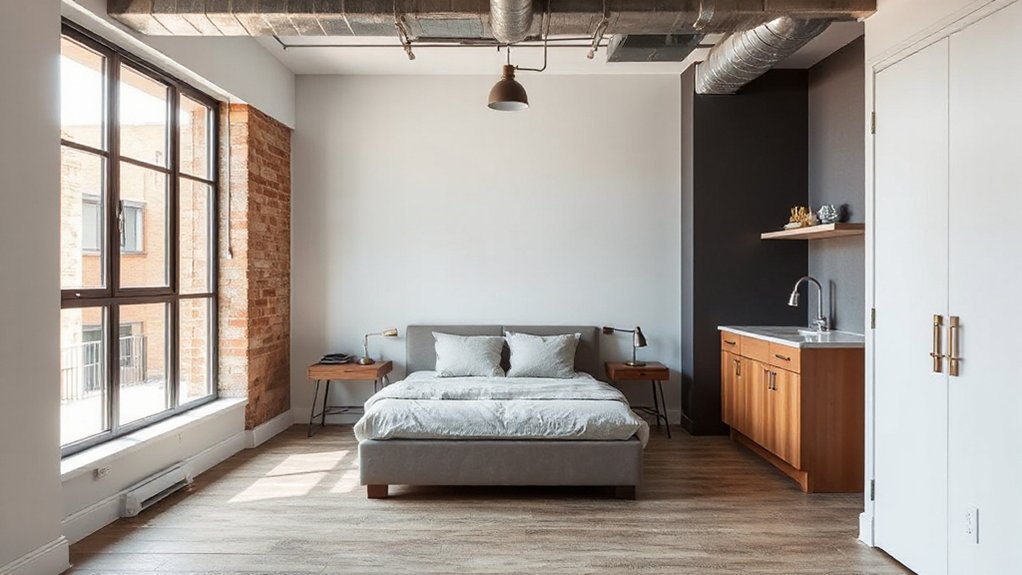
To convert an office space into a residential studio, start with a precise space assessment: measure area, ceiling height, daylight, and structural feasibility, then verify egress and service routes. Define sleeping, working, and living zones with flexible layouts and multi-use furniture. Prioritize built-in storage, adaptable finishes, and daylight optimization while controlling glare. Map electrical, lighting,…
Planning Permission for Cottage Extensions and Alterations
Did you know that even small cottage extensions can trigger complex planning routes you might not anticipate? You’ll need to weigh permitted development limits against local policy, assess how design, materials, and conservation constraints affect approval, and choose between householder consent or full planning. As you map options, a precise design brief and awareness of…
Planning Permission Rules for Extending a Bungalow
Planning permission rules for extending your bungalow vary by scope and impact. You’ll need to distinguish between Permitted Development rights and full planning, ensuring size, height, and impact limits are met. In some areas, such as conservation zones, extra scrutiny applies. You must consider timelines, consultations, and documentation early, because a misstep can derail your…
Cost of Knocking Down Internal Walls in UK Homes
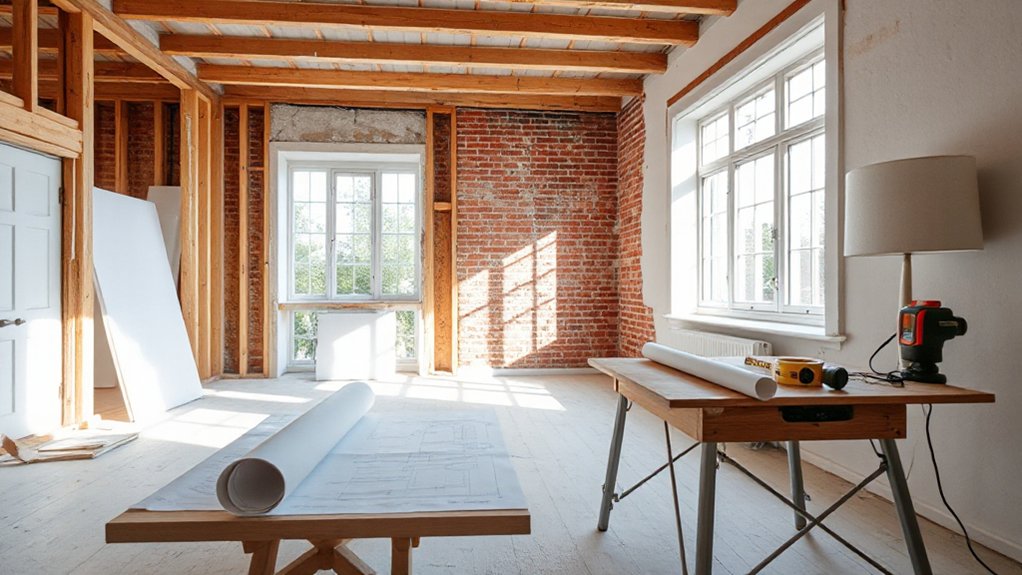
Determining the cost of knocking down internal walls in UK homes hinges on whether the wall is non-structural or load-bearing, the scope of structural work required, and any service rerouting or finishes you must restore. You’ll face planning and building regulation considerations, potential surveys, and quotes that vary widely by project specifics. Start with a…
Do You Need Planning Permission for a Terraced House Extension?
You’ll notice the rules line up with common sense: a terraced house extension isn’t automatic; a coincidence of location, size, and design often decides whether you need planning permission. You’ll have to check permitted development rights, nearby constraints, and potential neighbor impacts before you proceed. If your plan exceeds allowances or sits in a sensitive…
How Much Does a Loft Conversion Cost in the UK?
If you’re budgeting a UK loft conversion, expect a broad range—from roughly £20,000 to £50,000—driven by design (Velux, dormer, or mansard), roof complexity, and finish quality. Your total will also hinge on planning permissions, structural work, and essential renewals like electrical, plumbing, and insulation. Regional rates and site specifics matter, so you’ll want precise cost…
Planning Permission Rules for Semi-Detached House Extensions
Planning permission for a semi-detached extension hinges on clear rules about plot ratios, setbacks, height limits, and design compatibility with neighbors. You must prepare precise site plans, design statements, and consultation records to demonstrate compliance, while engaging with the council and nearby households. Objections are common, so you’ll need a robust strategy to address concerns…
How Much Does It Cost to Extend a Detached House in the UK?
You might be surprised to learn that extension costs aren’t just about square footage—they hinge on site constraints, planning hurdles, and finish levels. You’ll face a wide range—from stripped-back, single-storey tweaks to multi-storey, high-spec builds—so your budget can swing 20k to well over 100k. Get a grip on how access, regulations, and chosen materials shape…
How to Make a Commercial Unit Compliant With UK Residential Standards
To make a commercial unit compliant with UK residential standards, start with a fabric-first approach: tighten fabric, upgrade insulation, and guarantee airtightness, then install high-performance glazing and balanced ventilation with heat recovery. Plan fire safety early, create defined compartments, and provide accessible escape routes. Prioritize acoustic separation, controllable lighting, and thermal zoning for comfort. Document…