To create depth and warmth in period homes, you layer color in controlled steps, using translucent glazes over base tones to soften boundaries and add atmospheric movement. Choose historically rooted palettes, with finishes that age gracefully, so details like moldings and ceilings gain quiet dimensionality when lit thoughtfully. Document each layer for consistency and plan lighting that highlights architectural features. Start with a solid plan and precise swatches, then expect your space to reveal how climate and texture shape character over time.
Why Depth and Warmth Make Period Interiors Come Alive

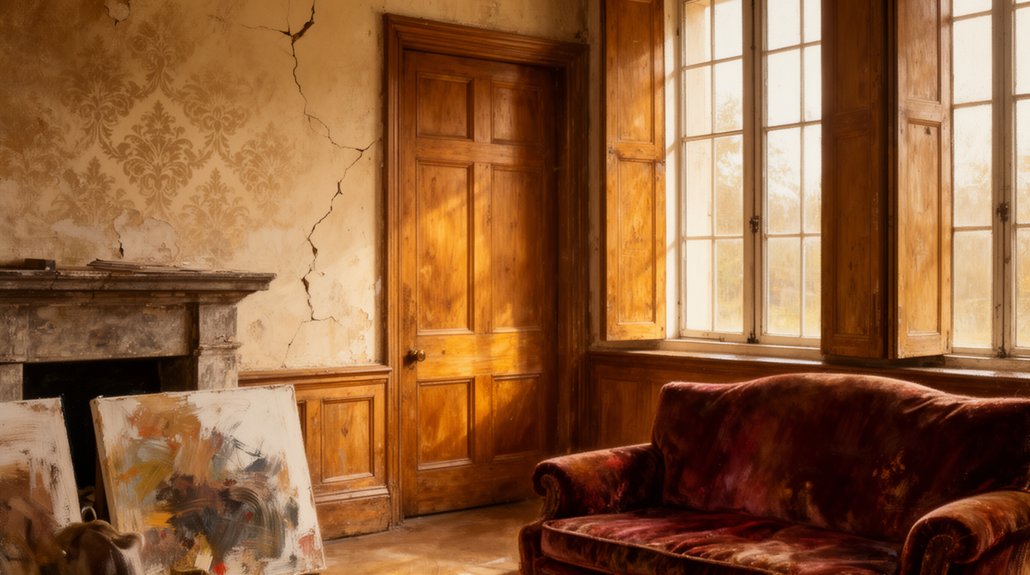
Depth and warmth are what give period interiors their soul, transforming flat walls into inviting spaces that feel grounded and timeless. You’ll see depth when you layer tones with careful tonal contrast, creating shadows that reveal architectural details rather than obscure them.
Warmth comes from balanced undertones that echo woodwork and plaster textures, making rooms read as cohesive environments rather than isolated surfaces. In practice, prioritize Historical restoration principles: respect original lines, scale, and proportion while introducing depth through muted palettes and varied sheens.
Artistic embellishments—subtle stenciling, trim, and faux finishes—can enhance character without overpowering the core architecture. Use controlled lighting to boost perceived depth, ensuring articulation of moldings and ceilings remains precise, purposeful, and legible.
Your goal is a timeless, authentic ambiance, not a dated replica.
How to Choose Historically Accurate Color Palettes
Choosing historically accurate color palettes starts with understanding the era and region of the home. You assess architectural cues, furnishing styles, and material constraints to map a credible palette.
Begin with Historical paint analysis: identify original pigments, sheens, and fading patterns to inform breathable, authentic color choices.
Prioritize authentic color schemes that reflect local dye banks, mineral pigments, and era-specific contrasts, not current trends.
Limit your palette to a coherent range—one primary tint, a couple of supporting tones, and a neutral grounding.
Consider lighting quality, room function, and historical context when selecting whites, earthy reds, and muted greens.
Test samples on a hidden patch, observe over days, and adjust for wear and aging.
Document decisions to guide future restoration and maintain consistency across spaces.
Layering for Atmosphere: Techniques That Build Depth
Layered color shifts create subtle, believable depth by shifting hues and saturation as you move across surfaces.
Combine texture and light play to emphasize edges and reveal, not mask, form.
Then use controlled contrast to push or pull planes.
Think of depth as a sequence: layer, refine, and test under varying light to keep the atmosphere authentic.
Layered Color Transitions
To create convincing depth in period-home interiors, start with subtle, overlapping color shifts that move smoothly from light to darker tones. You’ll layer soft transitions across walls, trim, and ceilings to imply distance and mass. Use Color blending to unify disparate hues, avoiding hard lines that fracture perception.
Begin with a midtone base, then introduce lighter glazes around edges and strategic highlights to simulate reflected ambient light. Slowly introduce a deeper, cooler undertone in recesses or alcoves to push back architectural planes.
Brush techniques matter: feather edges for seamless gradations, dry-brush for atmospheric texture, and a reversing stroke to maintain even saturation. Test on scrap boards, align shifts with natural light, and maintain consistent temperature across surfaces to preserve depth.
Texture And Light Play
Begin with a subtle base and introduce tactile finishes—fauvtone, plaster, or linen—then align them with your light plan so shadows sculpt volume. Faux finishes should mimic natural materials without shouting; use restrained color shifts and controlled sheen to avoid flatness.
Incorporate mural techniques sparingly to create focal rooms or accent walls, ensuring scale fits the architectural rhythm. Test swatches at different angles and times of day, document outcomes, and refine.
Precision in texture, sheen, and placement yields atmosphere-rich rooms with convincing depth and warmth.
Depth Through Contrast
Depth comes from purposeful contrast: you layer light and texture to carve volume and invite the eye to move through a space. You begin with a deliberate value ladder, applying lighter tones on planes that catch natural light and deeper hues where shadows linger.
Build depth with controlled edge work, so gradations feel intentional rather than abrupt. Use multiple glazes to soften boundaries without flattening form, allowing subtle shifts in tone to read as distance.
Choose Historical color schemes to echo period authenticity, then calibrate saturation to keep relatability. Pair these with Modern painting tools for precision; blend mediums to maintain glaze depth while avoiding grainy texture.
Test samples on scrap before committing, and document the sequence to reproduce consistent atmosphere across rooms. Maintain disciplined layering, and depth will become your space’s quiet backbone.
Finishes and Glazes That Age Gracefully

Once you select finishes and glazes that age gracefully, you’ll transform surfaces with subtle warmth and character, rather than obvious patina. You’ll choose finishes that deepen over time without looking messy, then apply glazes to build controlled depth.
Begin with a base tone that mirrors historic rooms, and add translucent layers to create movement and soft shadows. Faux finishes offer texture without overpowering originals; use them sparingly to suggest patina on molding, plaster, or wood.
Metallic glazes provide a restrained glow, catching light at eye level and enhancing architectural details. Keep edges softly feathered to avoid harsh lines, preserving legibility of historic joinery.
Test each layer on scrap, documenting thinning ratios, so you reproduce the balance consistently. Finish with a reversible seal to protect the aged look.
Texture and Lighting to Emphasize Architectural Features
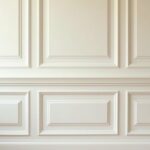
When you plan texture and lighting, you tailor surfaces and illumination to reveal architectural details without overwhelming them. Texture and lighting work together to carve depth: use subtle wall textures to catch raking light, highlight cornices, wainscoting, and moldings, and avoid flat, uniform planes.
Prioritize authentic materials and finishes that reflect the period’s character. Then light to sculpt edges and shadows rather than wash features flat. Rake light at low angles to reveal grain, texture, and joinery, while ambient light softens contrasts for warmth.
Inform decisions with Historical paint analysis to understand existing color and sheen, and pursue Genuine material sourcing to ensure finishes respond authentically to original surfaces. Document choices for future preservation and consistency across rooms.
Practical Projects, Troubleshooting, and Maintenance
For troubleshooting, start fresh with surface testing—spot prime suspected problem areas and note adhesion, sheen, and color consistency. Maintain reproducibility by documenting ratios, drying times, and room conditions.
Regular maintenance includes inspecting caulk lines, reapplying protective finishes, and cleaning tools after use to prevent residue buildup. When a finish looks off, re-sand lightly and recoat in controlled humidity.
Store brushes upright, tools clean, and paints tightly sealed to extend lifespan and preserve depth.
Frequently Asked Questions
How Do You Test Paint Durability on Original Surfaces?
Base your test on a small, inconspicuous spot to avoid damage. You’ll use Paint adhesion testing with a scoring method, press a spot with a sharp blade, and see if any paint lifts.
For durable results, compare Acrylic vs. oil reactions on original surfaces, note flexibility, and recoat if failure occurs.
Document results, dry times, and substrate. If adhesion is poor, reassess prep, cleaners, or primer to improve longevity.
What Are Affordable, Period-Accurate Brush Options?
Did you know that 83% of DIYers underestimate brush quality, risking uneven coverage?
For affordable, period-accurate options, seek Historical brush restoration pieces or mid-century replicas with natural bristle blends.
You’ll benefit from Authentic brush techniques: keep bristles supple, test on scrap, and precondition with light oil.
Opt for size 1–2 workhorse brushes, avoid synthetics for historic finishes, and rotate to prevent streaks.
Maintain with gentle cleaning and store bristle-down.
How Can Color Temperature Affect Room Perceived Depth?
Color temperature can alter room depth: cooler tones push back, warmer tones pull forward, changing spatial perception. You’ll create perceived distance with higher contrast between foreground and background surfaces.
Use color contrast intentionally—pair warm walls with cooler trim or accents to deepen the room, or cool walls with warm furniture to level space.
Keep lighting consistent to avoid color shifts, and test swatches in full illumination.
This practical approach helps you control perceived depth precisely.
Which Finishes Are Best for High-Traffic Period Rooms?
Vinyl-worn floors whisper and survive: for high-traffic period rooms, choose durable, washable sheens. Go matte or eggshell for walls; pick a satin or low-luster finish on woodwork to hide scuffs.
You’ll want resilient paints and sealed surfaces, plus easy-clean topcoats. Consider Victorian wallpaper accents and Art Deco finishes on trim for period cred.
You’ll maintain depth while resisting wear, ensuring clean lines, reduced glare, and practical long-term upkeep.
How Do Ventilation and Odor Impact Historic Paint Projects?
Ventilation and odor clearly affect historic paint projects: poor ventilation slows drying, risks peeling, and can trap harmful fumes. Prioritize ventilation efficiency by sizing spaces, opening transoms, and using exhausts during coats.
Implement odor management with low-VOC primers and finishes, air purifiers, and patience between layers. You’ll protect substrates, reduce odors, and improve adhesion, stability, and longevity of period finishes.
Move carefully, document conditions, and adjust workflows to guarantee safe, durable results.
Conclusion
Here’s how to bring depth and warmth home: layer hues subtly, glaze for movement, and favor finishes that age gracefully. When you document each step, you’ll reproduce the atmosphere with consistency. I once watched a dim, chalky pink transform into a warm, caramel glow as glaze settled into moldings—my anecdote, a quiet win for texture and light. Use authentic palettes, strategic lighting, and restrained contrast, and your period interiors will feel alive, timeless, and inviting.