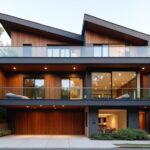
If you’re budgeting a UK loft conversion, expect a broad range—from roughly £20,000 to £50,000—driven by design (Velux, dormer, or mansard), roof complexity, and finish quality. Your total will also hinge on planning permissions, structural work, and essential renewals like electrical, plumbing, and insulation. Regional rates and site specifics matter, so you’ll want precise cost estimates and contingencies as you map milestones, because the final figure rarely lands where you first expect.
Typical Loft Conversion Price Range in the UK

Typical loft conversion costs in the UK vary by scope, but you can expect a broad price range from roughly £20,000 to £50,000 for a standard, velux-style conversion with basic finishes.
You scope this by evaluating structural work, insulation, and electrical fit-out, which directly influence the total.
Historical regulations shape permissible layouts, fire safety requirements, and building approvals, constraining upfront planning and potential contingencies.
You also weigh environmental impact, since sustainability measures—ventilation, airtightness, and thermal bridging—affect long-term efficiency and running costs.
Budgeters should separate fixed versus variable costs, including scaffolding, plastering, and carpentry, then add a contingency for unforeseen structural adjustments.
How Space, Shape, and Type Hit Your Budget
Space utilization directly drives unit costs, as layouts that maximize usable floor area without wasted space reduce overall build time and material needs.
The shape of your loft—whether square, lean-to, or asymmetrical—affects structural requirements, headroom, and compliance, all of which shift the budget.
Loft variants, from Velux to dormer to mansard, introduce different rigors and fittings, so choosing type early helps constrain spend.
Space Utilization Effects
When you optimize a loft conversion, space, shape, and type directly determine costs and feasibility. Efficient layouts reduce structural and finishing work, while awkward footprints increase joist spans, insulation needs, and access requirements.
You’ll encounter trade-offs between floor area, headroom, and permitted build volume, which drive framing complexity and material choices. Room counts, corridor widths, and stair placement affect finish costs more than you expect, as do clearance for services and ventilation.
Consider eco-friendly materials and lightweight partitions to curb dead loads without sacrificing performance. Structural reinforcement may be necessary for older homes, influencing timelines and budgets.
Historical preservation considerations can constrain alterations, elevating approvals and survey costs. Precision planning minimizes waste, speeding construction and stabilizing overall project cost.
Shape Impact on Cost
Shape, space layout, and roof form directly drive loft-conversion costs by dictating load paths, insulation needs, and access constraints. You’ll see costs shift with footprint geometry, ridge height, and eave angles, which determine structural reinforcement, headroom, and service routing.
Narrow, irregular shapes demand bespoke framing, increases in timber quantities, and more complex insulation junctions, affecting labor time and waste. Regular, rectangular plans streamline construction sequences, reducing crane moves, set-out errors, and material handling.
Design flexibility matters: designs that preserve useful floor area, minimize dormers, or balance ceiling height against usable space tend to lower costs even when aesthetics are similar.
Material durability also weighs in; higher-grade framing, membranes, and finishes add upfront expense but improve long-term performance and service life.
Type Of Loft Variants
How space, shape, and loft type determine your budget hinges on practical constraints and structural requirements. You’ll encounter three primary variants: conforming, dormer, and mansard.
Conforming roofs keep alterations minimal, lowering costs but limiting headroom and layout options.
Dormers add usable space and light, increasing complexity and price due to additional framing and flashing.
Mansard designs maximize square footage and room proportions but demand substantial structural work and higher roofing materials costs.
Each variant affects interior lighting strategy and the required finishes, so plan for lighting layouts early.
Roofing materials influence longevity, insulation, and maintenance, with premium options raising upfront spend.
Consider load paths, trusses, and ventilation to avoid costly retrofits.
Align your chosen loft type with intended use, access, and budget for best value.
Major Cost Drivers: Roofs, Dormers, and Stairs
Roof design, dormer style, and staircase configuration jointly drive the initial cost envelope of a loft conversion. You’ll see that each element alters structural loads, insulation needs, and build-time, influencing material choices and contractor rates.
We’ll examine how these factors interact to set the baseline budget and guide design decisions.
Roof Design Impact
What design choices in a roof most directly drive costs when converting a loft? You determine these by structural geometry, roof pitch, and material selection.
A steeper pitch often requires more framing, larger insulation envelopes, and additional pacing for loads, increasing labor and material prices.
Complex roof lines, such as multi-gabled or irregular shapes, demand custom scaffolding, precise cutting, and extended time on site, elevating overall costs.
Choose major structural elements with durability in mind: trusses, ridge beams, and appropriate weatherproofing.
When planning, prioritize continuous thermal performance; roof insulation thickness and placement directly influence heat retention, condensation risk, and later fuel use.
Pair insulation with well‑designed ventilation systems to prevent moisture buildup and prolong roof life without excessive energy penalties.
Dormer Style Choices
Gable and shed dormers provide more usable space but introduce larger framing envelopes, while L- and flat-roof variants minimize material intrusion yet may constrain headroom. Each option alters eaves detailing, gutter alignment, and flashing details, directly affecting weatherproof performance and long-term maintenance costs.
Lighting design considerations you implement within the dormer space influence electrical routing, natural illumination, and perceived space, so they must align with the chosen profile.
Insulation materials selection will determine thermal efficiency across the new junctions, with mineral wool or high-performance boards offering superior continuities.
Staircase Configuration Factors
Staircase configuration is a major cost driver alongside roof and dormer decisions, because it directly shapes space efficiency, structural loads, and compliance with building regulations. You must evaluate staircase styles for space planning, headroom, and fire-safety separation between floors.
Choice of run, landing, and turning configurations affects structural support requirements, scaffold needs, and temporary access during construction. You’ll consider performance factors such as stringers, treads, riser heights, and handrail continuity to meet UK building codes.
Material durability informs long-term maintenance costs and accessibility; steel offers rigidity and compact footprints, while timber requires moisture control and finishing.
External access implications, fire doors, and escape routes influence total cost. Decide early on material durability, spacing, and form to minimize retrofit expenses later.
When a Loft Bathroom Changes the Budget

When you add a loft bathroom, the budget can shift quickly due to plumbing, insulation, and drainage considerations that aren’t as critical in a simple conversion. You’ll encounter higher costs from pipe routing, waterproofing, and venting, which compound with limited access and potential structural reinforcement.
Take a disciplined approach to scope, timelines, and contractor scheduling to avoid overruns. Decorative lighting and storage solutions must be planned within the core budget to prevent reallocations later.
Confirm moisture management is integrated with existing fashions of the space to maintain durability and compliance.
- Scope definition and contingency planning
- Integration of decorative lighting and storage solutions into the ceiling and wall planes
- Sequential installer coordination and risk mitigation
Electrical, Plumbing, and Insulation for Comfort
Electrical, plumbing, and insulation choices directly shape comfort in a loft without inflating the budget. You’ll specify electrical wiring layouts for load centers, lighting zones, and socket placement to support usage patterns without redundancy.
Plan plumbing fixtures for efficient hot water delivery, selecting low-flow taps and compact fixtures that minimize wall intrusion. Insulation quality directly affects thermal stability and sound transmission, so target appropriate r-values for walls, floor/ceiling interfaces, and air sealing at penetrations.
Include moisture barriers where relevant to reduce condensation risk in sloped-ceiling areas. Choose sprinkler or CO2 sensors only if required by risk assessment.
Guarantee concealed runs protect aesthetics and future access. Coordinate installation sequencing to prevent rework, and document designed capacities for future equipment upgrades.
Regulations, Permits, and How Long They Take
Finding your way through loft conversion regulations and permits is essential to avoid delays and guarantee compliance with safety and building standards. You’ll navigate approvals, timelines, and required documentation with a clear, methodical approach. Building permits and structural assessments form the core of compliance, not optional extras, and missteps here can extend schedules or increase costs.
1) Compile a precise scope and submit to your local planning authority, noting any Article 4 or permitted development constraints as applicable.
2) Arrange a structural assessment by a chartered engineer, documenting load paths, joists, and access routes to justify design choices.
3) Obtain timely approval notices, schedule inspections, and align SIPs, rafters, and fire safety checks with prescribed intervals.
Adherence minimizes rework and keeps the project on a predictable timetable.
Structural Work vs. Finishes: Where to Add Value

Structural work delivers the foundation for a loft conversion’s long-term performance, while finishes determine daily usability and perceived value. You should prioritize structural elements—joists, rafters, insulation, damp protection, and fire safety—before chasing high-end aesthetics.
Proper framing and load assessments reduce future maintenance, avoid movement gaps, and guarantee compliant occupant safety. Finishes, by contrast, translate that solid base into usable space: floor level, plaster, doors, and compliant, concealed services.
When planning cost allocation, weigh structural reliability against finish quality, but don’t overinvest in ornamentation at the expense of essential performance. Decorative finishes add visual appeal and longevity but depend on sound structure to endure.
Lighting options should be integrated early, ensuring effect and efficiency without compromising structural integrity or service routes.
Materials and Finish Levels: Budget, Mid-Range, Premium
You’ll see how Budget Material Choices differ from Mid-Range Finishes and Premium Surface Upgrades in cost and installation effort.
We’ll compare material quality, durability, and maintenance needs across tiers to set clear expectations for value.
This frame establishes where each level fits within your loft project budget and finish goals.
Budget Material Choices
When planning budget material choices for a loft conversion, you should align finishes and fixtures with overall cost targets while preserving structural integrity and usability. You’ll select cost-conscious materials that meet safety and durability standards, while documenting life-cycle implications.
Historical trends show cost-driven material shifts, and you should consider environmental impacts alongside performance.
- Lightweight, affordable framing options with compliant insulation and moisture barriers
- Basic finish boards and plaster alternatives with standard fasteners and zero compromising of load paths
- Economical fixtures and fittings that satisfy warranty requirements without over-specifying aesthetics
Keep records of material grades, supplier certifications, and expected maintenance intervals to support future budget reviews and regulatory checks.
Mid-Range Finishes
Surface gaps and quality joints are minimized through tighter tolerances, aligning with standard build practices. You’ll still benefit from superior paint systems, stabilized finishes, and consistent color matching across rooms.
Interior lighting is considered in layout planning, prioritizing energy efficiency and glare control without extensive customization.
Storage solutions are integrated through modular wardrobes, built-in shelving, and optimized under-eaves niches to maximize usable space.
Fast-track installation is feasible due to standardized fittings, reducing on-site complexity while preserving long-term durability and ease of maintenance.
Premium Surface Upgrades
1) Budget-to-Premium tier comparisons
2) Material durability and finish stability
3) Compliance, certification, and warranty documentation
Skylights and Windows: Brightness and Costs
Skylights and windows dramatically influence a loft’s brightness, thermal performance, and perceived space, so choosing options that align with your budget and daylight goals is vital.
In this section, you assess daylight strategy alongside structural feasibility. Skylight installation decisions affect heat gain, glare control, and seasonal comfort; select unit sizes and glazing types that balance energy efficiency with luminous efficacy.
Consider roof slope, orientation, and shading to maximize usable daylight without compromising insulation.
Window costs vary by material, opening mechanism, and finishing; casement and skylight options offer different air leakage rates and maintenance needs.
Document expected U-values and solar heat gain coefficients to compare performance.
Align product warranties with projected lifecycle costs to ensure predictable long‑term value and minimal ongoing remediation expenses.
The Team You Need: Architect, Surveyor, and Contractor Roles

You’ll coordinate with the architect for design feasibility and compliance, and with the surveyor to verify existing structure and load requirements.
The contractor will translate plans into actionable builds, while maintaining schedule, cost control, and quality checks.
Understanding each role’s responsibilities—architect’s key tasks and the essentials of contractor coordination—establishes the framework for a predictable loft conversion process.
Architect’s Key Responsibilities
An architect coordinates the project, translating client requirements into a viable design and overseeing the integration of structural, regulatory, and aesthetic constraints. You’ll define key parameters, prepare concept and detailed drawings, and guarantee coordination with surveys, planning, and building regulations.
You actively manage design development, space planning, and material selection to balance function, cost, and performance. You’ll specify luminance goals, storage solutions, and finishes, aligning client vision with practical constraints.
You’re responsible for approvals, risk assessment, and delivering a coherent construction package for contractors. Interior lighting and storage solutions must be integrated early to avoid rework and delays.
You maintain traceability of decisions, monitor design changes, and communicate design intent clearly to all stakeholders.
- Establish design brief and feasibility
- Develop coordinated drawings and specifications
- Monitor compliance, revisions, and approvals
Contractor Coordination Essentials
Effective contractor coordination hinges on clear delineation of roles among the architect, surveyor, and contractor, with each party understanding its responsibilities from project outset. You should establish a single point of responsibility for coordination, with documented interfaces, decision timelines, and change-control procedures.
The architect defines design aesthetics and structural feasibility, while the surveyor verifies site constraints, loads, and compliance. The contractor translates drawings into buildables, manages procurement, and supervises on-site safety and quality.
Regular, structured communications prevent scope creep and misinterpretation. Require pre-construction briefings, risk registers, and method statements that address insulation techniques and airtightness targets.
Align inspection milestones with building-control approvals, ensuring traceable records for handovers. Maintain design intent through value engineering reviews, preserving performance without compromising cost or schedule.
Clear responsibilities reduce disputes and accelerate delivery.
Planning Permission vs. Permitted Development: What Fits Your Project

Planning permission and permitted development (PD) are the two main routes for a loft conversion. You’ll need to assess project scope against statutory limits, building codes, and zoning restrictions to choose the best route.
PD offers quicker, cost-efficient expansion within defined size and alteration thresholds. Planning permission provides control over design, local policy, and potential objections. Your decision hinges on height, wall alterations, eaves, and proximity to boundaries.
If you exceed limits, you’ll pursue full planning or seek a lawful development certificate to validate PD use. Planning adds conditions; PD can still be restricted by local authority or neighbor concerns.
Consider long-term resale and any future extensions when deciding.
- Compare scope against PD thresholds and planning criteria
- Review local authority guidance and potential planning conditions
- Verify compliance with building codes and zoning restrictions
Hidden Costs and Contingencies to Plan For
Hidden costs and contingencies can quickly distort a loft conversion budget if you don’t plan for them. You must account for unforeseen structural work, access constraints, and additional services that arise during execution.
Start with a robust contingency fund, typically 10–15% of the project’s base cost, and adjust as risk factors change.
Hidden fees can appear from building-control charges, electricity upgrades, or specialist equipment, so itemize potential line items in your estimate and review them with your contractor.
Implement contingency planning by establishing milestones linked to spend, requiring change-order procedures, and documenting scope changes.
Maintain a transparent audit trail to prevent scope creep from inflating costs.
Regularly reassess timelines, permit requirements, and supplier lead times to keep the budget realistic and aligned with project goals.
Regional Price Variations Across the UK
- Regional labor cost fluctuations and their impact on total price
- Material availability, sourcing options, and logistical constraints
- Regulatory requirements, permitting timelines, and compliance costs
Practical Money-Saving Strategies for Loft Conversions
When you’re weighing loft conversion options after examining regional price differences, practical money-saving strategies come into sharper focus. You implement a targeted design brief to avoid scope creep, clarifying essential versus optional elements.
Prioritize structural efficiency: maximize headroom with a smaller footprint, and align roof access with existing services to minimize rebuilds.
Material selection matters: opt for cost-effective insulation, standard timber reinforcements, and off-site pre-fabrication where feasible.
Schedule trades to reduce idle time and negotiate fixed-price or milestone-based contracts to curb overruns.
Consider decorating tips that add perceived value without major rewrites, such as durable finishes and light-reflective paint.
For storage solutions, design built-ins that integrate with eaves and stairs, lowering ancillary furniture costs and enhancing usable space.
Monitor ongoing costs with a concise budget tracker.
Loft Conversion Fit Check: Quick Questions to Ask
Before you start, run a quick fit check to make certain your loft aligns with practical constraints and project goals. You’ll assess structural sufficiency, headroom, and access points to confirm feasibility before planning costs or timelines. Prioritize historic preservation where applicable and guarantee energy efficiency remains central to design choices, especially insulation, ventilation, and glazing strategies.
1) Verify roof structure and joist span compatibility with proposed floor levels and loads.
2) Confirm access clearance, ceiling height, and potential for future service routes without compromising historic features.
3) Align insulation, airtightness, and thermal bridging strategies with both regulatory requirements and energy efficiency targets.
Frequently Asked Questions
How Long Does a Typical Loft Conversion Project Take From Start to Finish?
A typical loft conversion takes about 6 to 12 weeks from start to finish. You’ll coordinate interior design plans with structural engineering assessments, guarantee permissions, and schedule inspections, keeping timelines tight while mitigating delays and maintaining quality throughout the project.
Can I Convert a Loft With Existing Sloping Ceilings and Limited Headroom?
Yes, you can convert a loft with sloping ceilings and limited headroom, but expect roof insulation and structural reinforcement, plus potential ceiling floor changes; assess joists, rafters, and skylight placement to meet regulations and maximize usable space.
What Impact Does an Ensuite Bathroom Have on Overall Costs?
An ensuite bathroom adds roughly 25–40% to total loft conversion costs, depending on finishes and plumbing runs. Bathroom addition requires precise layout, waterproofing, and ventilation; consider cost factors like fixtures, tiles, and structural adjustments when budgeting.
Do Loft Conversions Require Planning Permission in Conservation Areas?
Yes, you generally need planning permission outside permitted development in conservation areas, but some loft works may fall under exemptions. Confirm Building regulations compliance and review Structural considerations to verify compliant, safe, and legally permitted design outcomes.
Are There Tax Incentives or Grants for Energy-Efficient Loft Upgrades?
Yes—you can access tax credits and grant eligibility for energy-efficient loft upgrades, but eligibility hinges on program specifics; juxtapose high upfront costs with long-term savings to gauge financial viability and compliance requirements.
Conclusion
Loft conversions can be a smart upgrade, often delivering valuable space with careful budgeting. If you steer clear of surprises, plan for typical ranges, factor in structural tweaks, and reserve for fittings and contingency. In short, expect a prudent cushion and a clear scope; you’ll likely avoid minor hiccups while still achieving your desired result. With disciplined budgeting, you’ll reach the finish line smoothly, maximizing the space you gain without overextending your finances.