
In 2026, a landlord in a tightly managed market found that tenants could challenge opaque practices under the new rules, not just offer a renewal. You must adapt now: update leases to reflect protections, tighten eviction timelines, and implement clear deposit policies. This shift demands precise processes, auditable documentation, and proactive tenant communications. If you want to preserve stability and minimize vacancy risk during the progression, you’ll need a disciplined, data-driven approach that anticipates what’s coming next.
What the 2026 Renter Rights Act Change Means for You
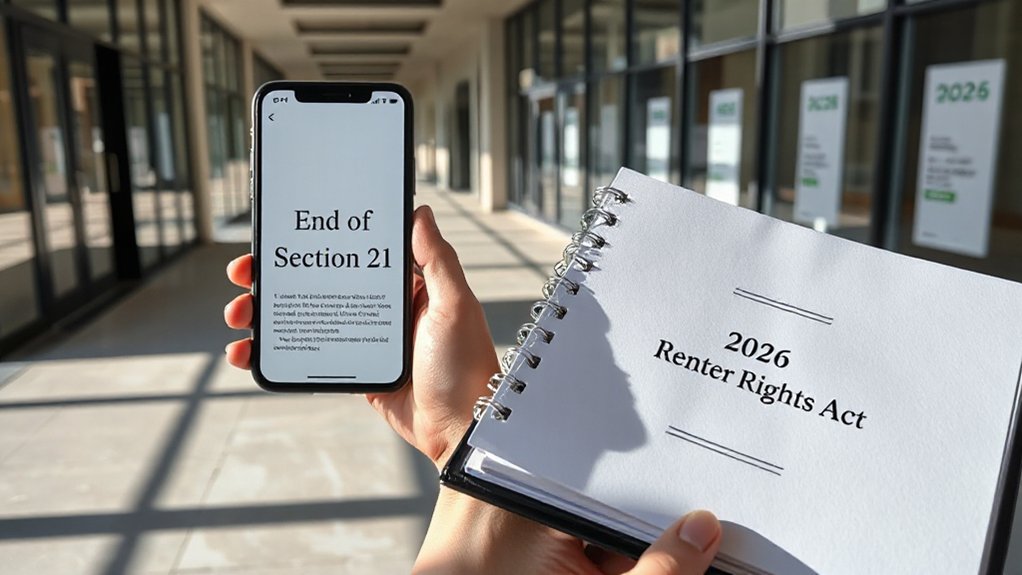
The 2026 Renter Rights Act introduces clear, enforceable protections that directly affect how you rent. You’ll see reinforced rent control provisions that cap unjust increases and provide predictable budgeting, so vacancies don’t derail your plans.
The act also clarifies landlord obligations, requiring timely repairs, safe housing conditions, and transparent communication about changes in terms. You gain explicit rights to dispute improper charges and to request documentation on fees, deposits, and renewal terms.
It strengthens enforcement with penalties for noncompliance and a straightforward complaint process, ensuring accountability. As a renter or portfolio owner, you’ll benefit from consistent standards across properties, reducing negotiation friction and elevating overall market reliability.
Stay informed to leverage these protections effectively.
Update Your Leases: Incorporating New Protections Now
Now is the time to revise your leases to reflect the new protections, ensuring every term aligns with the 2026 Renter Rights Act. You must implement clear, enforceable changes now, not later, to avoid disputes and leverage the act’s protections.
Focus on concise updates that strengthen tenant rights while preserving reasonable landlord interests. Consider these concrete steps:
- Draft lease amendments that codify new protections with precise language.
- Include explicit notice periods, renewal terms, and rent adjustments aligned with the Act’s caps.
- Add tenant incentives that reward compliance and timely payments.
- Document consent procedures and dispute resolution paths to prevent ambiguity.
These updates protect tenants and reduce future litigation, fostering stable, compliant tenancies.
Evictions Under the Act: Compliance Steps and Timelines
Under the 2026 Renter Rights Act, evictions must follow clearly defined procedures that protect tenants while preserving landlord rights. You must begin with proper notice, specify breach or nonpayment, and document all communications to establish a legitimate basis for action.
Adhere to statutory timelines for notice periods, cure windows, and court filings, ensuring no procedural skipped steps that could invalidate eviction attempts.
Maintain accurate records to negate claims of retaliatory actions or discrimination, safeguarding Landlord liabilities.
Use eviction procedures that align with local court rules, presenting evidence succinctly and legally.
Communicate clearly with tenants about expectations and timelines, avoiding coercive tactics.
Timely compliance reduces delays, promotes fairness, and supports orderly turnover without unnecessary disruption.
Security Deposits 101: Caps, Deductions, and Timely Returns

Security deposits are governed by clear caps, allowable deductions, and strict timeliness for returns. You deserve transparency, consistency, and enforcement that protects your funds while holding tenants accountable for actual damages.
1) Understand security deposits: know caps, permissible deductions, and maximum return timelines.
2) Track deductions: itemize repair costs, cleaning, and non-reimbursable fees to avoid disputes.
3) Demand timely returns: ensure refunds occur within the statutory window, with supporting receipts.
4) Verify compliance: compare deductions against actual damages and documented wear.
Your focus should be on security deposits, deduction limits, and lawful handling practices that reduce friction and litigation risk. Stay informed, demand receipts, and document condition pre- and post- tenancy to support a fair, compliant process.
This framework protects both landlord and renter interests.
Notice Periods and Renewal Strategies for Portfolios
You need to understand the precise notice period timelines and how they shape renewal opportunities across your portfolio.
We’ll outline a Renewal Strategy Playbook that aligns tenant protections with landlord rights, ensuring predictable turnover and steady occupancy.
This discussion starts with actionable standards you can implement now to optimize renewals and minimize vacancy risk.
Notice Period Timelines
Are notice period timelines flexible enough to protect both tenants and portfolios? You’ll want clear windows that reduce vacancies while safeguarding rights. Precision matters: timelines set expectations, avoid penalties, and support compliant renewals.
Implement these core rules:
- Align notice windows with statutory minimums and lease terms.
- Mandate proactive Tenant communication to forestall disputes.
- Build staggered renewal reminders to balance workload and occupancy.
- Record and audit notices to evidence Landlord obligations.
Your portfolio benefits from predictable cycles, timely responses, and documented decisions. A disciplined approach minimizes rent loss and enhances tenant trust.
With strong notice timelines, you can defend renewals as mutual safeguards rather than adversarial actions. This framework reduces disputes, accelerates transitions, and underpins compliant operations across portfolios.
Renewal Strategy Playbook
Renewal strategies must align notice periods with statutory minimums and lease terms, then cascade through the portfolio with precision. You’ll map each unit’s renewal window to minimize vacancy risk while preserving value.
Start by standardizing notice requirements across properties, then tailor renewal terms to asset class, location, and renter profile. Prioritize clear deadlines, documented concessions, and measurable milestones to prevent drift.
In lease negotiations, anchor expectations with market-aligned rents, calibrated escalators, and transparent renewal options. Anticipate tenant turnover risks, and embed renewal incentives that maintain occupancy without eroding margins.
Use Tenant incentives strategically to release favorable terms without overstating costs. Monitor performance weekly, adjusting playbooks for occupancy trends, regulatory changes, and macroeconomic shifts.
This disciplined approach protects cash flow, strengthens bargaining power, and supports a resilient portfolio rollout.
Documentation, Audits, and Tenant Communication Best Practices
Effective documentation, audits, and tenant communication are the backbone of compliant, efficient property management under the 2026 Renter Rights Act. You guarantee traceable records, timely inspections, and clear channels, minimizing disputes and enabling swift corrective action.
Your approach reinforces tenant trust and regulatory adherence, with a focus on accountability and consistency. Emphasize tenant screening and maintenance protocols to uphold safety, fairness, and performance indicators.
- Document every interaction and decision with standardized templates.
- Schedule regular audits of leases, notices, and maintenance logs.
- Communicate expectations clearly, using concise notices and preferred channels.
- Review processes quarterly to close gaps before they impact compliance.
Smart Portfolio Tactics to Minimize Vacancies in Transition
To minimize vacancies during shifts, implement a data-driven, proactive portfolio strategy that coordinates marketing, showings, and unit readiness the moment leases approach renewal windows.
You should align tenant screening with renewal timelines to prevent pipeline gaps and guarantee qualified, steady demand.
Employ lease optimization to balance rent targets with market speed, avoiding speculative pricing that deters prospective tenants.
Schedule pre-renewal inspections, touchpoints, and targeted outreach for vacant-ready units, matching occupancy goals to capital planning.
Leverage analytics to forecast turnover, optimize marketing channels, and accelerate approvals without compromising compliance.
Streamline communication between leasing, property management, and maintenance to reduce downtime between vacancy and occupancy.
Prioritize transparent, accurate information for applicants to preserve trust and minimize leverage losses through protracted vacancies.
Frequently Asked Questions
How Will Cap Increases Affect Existing Rent-To-Month Transitions After 2026?
Your rent-to-month shifts post-2026 will face stricter cap increases, limiting escalations despite market shifts; expect rent control to temper rent hikes, while vacancy rates influence turnover, negotiation leverage, and overall affordability during change periods.
Can Owners Remove Pets or Modify Pet Policies Under the Act?
Asserting your tenant pet rights, you can’t be arbitrarily barred by pet policy changes; owners can’t remove standard pet protections under the act.Pet policy changes must be reasonable, and you’re protected when asserting your rights about pets in leasing.
What Defenses Exist for Non-Renewal Decisions Tied to the Act?
You have legal defenses and nonrenewal challenges available, but facts matter. You’ll typically argue proportionality, retaliation, or discrimination while proving substantial compliance with the act. Seek prompt review, preserve records, and present clear, corroborated evidence.
Are There Grandfathered Exemptions for Small Portfolios?
Yes, there are grandfathered exemptions for small portfolios. You should evaluate Small portfolio considerations, document ownership counts, and consult counsel to confirm whether your holdings qualify, ensuring compliance while preserving existing renewal rights under progression rules.
How Does the Act Impact Rent Concessions and Free Months?
Nearly 68% of tenants report rent concessions during negotiations; the act limits these, guiding lawful rent reductions and no “free months” gimmicks. You should pursue transparent Rent reduction terms through Lease negotiations, backed by documentation and precise, advocacy-focused compliance.
Conclusion
The clock is ticking on Section 21. As you implement the new protections, each lease update, each notice, and every data-driven decision edges you closer to stability. Will you ride the wave of compliance or watch vacancies rise during shift? Stay ready: tighten renewals, frontline tenant communications, and transparent deposits. The next move—trusted, timely, and principled—will determine who thrives in the post-Act landscape. Act now, or risk falling behind when the protections take effect.