
In Liverpool, your first-time buyer assessment should run a precise, technician-driven checklist covering structural integrity, damp and moisture, electrical and plumbing safety, and regulatory constraints. Inspect foundations, load-bearing walls, roof wear, and signs of movement; map damp patches, mould, and hidden leaks; test electrical safety, earthing, and modern upgrades; verify boiler efficiency and insulation; review survey terms, planning constraints, and permits. Prioritize safety-critical fixes, document costs and timelines, and weigh resale impact. If you keep exploring, you’ll uncover deeper, actionable steps.
Liverpool Homes: Essential Criteria for First-Time Buyers
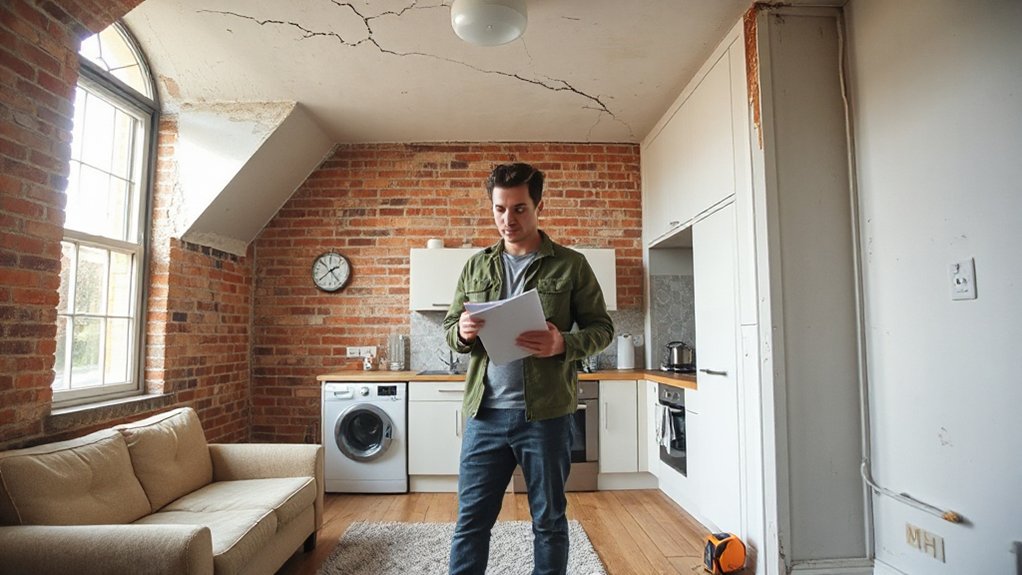
When you’re evaluating Liverpool homes as a first-time buyer, start with the fundamentals: structure, safety, and potential for future value. You assess load-bearing elements, roof condition, damp signs, and insulation quality with a critical eye, mapping repairs against long-term maintenance costs.
Next, consider layout efficiency, natural light, and space adaptability to future needs. You appraise neighborhood amenities and access to public transport, schools, and local services, aligning them with your daily routines.
Evaluate building regulations compliance, warranties, and energy performance certificates to gauge risk exposure.
In regards to interior polish, plan for cohesive home decor that complements resale appeal without overextending budgets.
Finally, document findings clearly to compare options. Clarity, precision, and risk awareness will guide you toward stable, value-driven decisions in Liverpool.
How to Spot Structural Red Flags at a First Viewing
Spotting structural red flags at a first viewing requires a trained eye and a systematic approach. You’ll assess alignment, load paths, and material integrity without overestimating risk. Focus on clear indicators that influence value and safety, not subjective impressions.
- Foundation issues cues: differential settlement, pronounced cracks, door and window misalignment, and floor sloping. Note how plaster edges crack and widen when pressed lightly.
- Roof deterioration signals: sagging rafters, loose shingles, water stains, and compromised flashing near valleys or chimneys. Inspect attic access for daylight gaps.
- Load-bearing evidence: bowed walls, visible framing shifts, or twisted beams; hammer tests should be decisive but gentle to avoid damage.
Document findings, compare against disclosure, and consult a structural engineer for confirmation.
Damp and Moisture Signs You Can Spot in Liverpool Homes
You’ll check for visible damp signs and note any staining, peeling paint, or buggy mould patterns across walls and ceilings.
Moisture hotspots often align with plumbing runs or poor ventilation, so map these areas as you assess.
This initial scan sets the baseline for targeted investigation and future remediation steps.
Visible Damp Signs
- Track mould growth hotspots and their progression over time.
- Identify condensate issues by temperature contrast and surface moisture.
- Correlate findings with ventilation and insulation deficiencies for targeted fixes.
Moisture Troubleshots in Homes
Moisture problems in Liverpool homes present as tangible signals you can verify with a taught eye and a few simple checks. Look for persistent damp patches, peeling wallpaper, and mineral efflorescence on brickwork, especially near external walls.
Assess condensation patterns on windows and mirror surfaces, noting if they worsen after cooking or bathing.
Inspect ceilings for waviness or brown staining, which can indicate hidden leaks or roof ingress.
Check ventilation in basements or lower rooms; inadequate basement ventilation fosters dampness and mold growth.
Listen for musty odors, a telltale sign that air movement isn’t removing moisture efficiently.
Prioritize mold prevention by improving airflow, controlling humidity, and addressing leaks promptly.
Document findings with photos and seek professional testing if moisture levels remain elevated.
Roof Wear Indicators and Water Ingress in Liverpool Properties
In Liverpool properties, roof wear indicators such as curled shingles, cracked flashing, and granule loss signal accelerated aging.
Signs of water ingress—staining, damp patches, and musty odors—point to active leaks or prior failures.
- Roof wear assessment: identify curling, missing granules, blistering, and misplaced flashing to gauge material condition and remaining service life.
- Water ingress indicators: map stains, damp zones, and odor persistence to locate leakage pathways and prior repair effectiveness.
- Diagnostic approach: correlate exterior wear with interior damp exposure, prioritize vulnerable bays, and plan targeted remediation within your budget.
Roof wear and Water ingress demand proactive inspection, precise documentation, and timely remediation to protect structural integrity and long-term value.
Electrical Safety Basics You Shouldn’t Skip

Electrical safety isn’t optional when buying a Liverpool home; it’s vital. You should inspect the electrical system with a clinician’s eye, prioritising reliability and compliance.
Begin with the distribution board: check labeling, presence of RCDs, and clear fault indicators; confirm adequate capacity for modern loads.
Examine electrical wiring for visible damage, degraded insulation, or outdated cables that may overheat.
Verify accessible outlets and switched circuits, noting any repertoire of extension-use patterns that strain circuit safety.
Look for signs of overheating, scorch marks, or buzzing fixtures, and assess earthing continuity where visible.
Request recent safety certificates or testing records, and ensure any remedial work has been documented by a qualified electrician.
Focus on safe operation, future-proofing, and adherence to UK wiring standards for long-term peace of mind.
Plumbing, Leaks, and Water Pressure in Liverpool Homes
In Liverpool homes, you’ll verify water pressure at fixtures and main lines to guarantee steady delivery without spikes.
Use straightforward leak detection methods—visual checks, listening for dripping, and simple dye tests—to identify hidden vulnerabilities.
This initial assessment frames how pressure consistency and leak indicators affect long-term reliability and value.
Water Pressure Check
Water pressure in a Liverpool home matters for daily tasks and long-term reliability, so assess supply consistency, pressure drops, and potential leaks before you buy. You’ll evaluate flow rate across fixtures, note any sudden changes, and consider pressure regulation devices on arrival. A measured approach reduces post-purchase surprises and supports efficient plumbing operation.
- Verify baseline pressure at taps using a calibrated gauge, recording both peak and off-peak readings.
- Test multi-point flow to detect regression when multiple fixtures run simultaneously, identifying pressure drops.
- Inspect for irregularities, such as banging pipes or valve stiffness, which signal regulation or supply issues.
Focus on water testing outcomes and confirm regulator function to guarantee stable delivery and long-term performance.
Leak Detection Methods
Detecting leaks in a Liverpool home hinges on targeted methods that quantify water movement and pinpoint concealed breaches. You’ll use a combination of static and dynamic tests to locate vulnerabilities before they escalate.
Start with a precise pressure test to reveal weak joints and valve leaks, then trace water flow with noninvasive listening devices and infrared imaging. Visual inspection remains essential for staining, mineral buildup, and damp odors that signal hidden faults.
For suspected hidden corridors, employ moisture meters and tracer dyes to confirm seepage paths without excessive disruption. Monitor for basement flooding indicators and check floor slabs, cabinetry, and plumbing penetrations.
Address mold growth promptly to prevent airborne contamination. Document findings methodically, prioritize repairs, and re-test to validate long-term integrity.
Windows, Doors, and Insulation for Liverpool’s Climate
For Liverpool’s damp, temperate climate, you should prioritize airtight windows and well-sealed doors paired with high-performance insulation to minimize heat loss and mold risk. You’ll assess fenestration for air leakage, frame integrity, and compatible glazing, noting any condensation patterns that signal insulation gaps.
Focus on long-term durability, material compatibility, and maintenance access to avoid expensive retrofits. Efficiency gains hinge on disciplined sealing, appropriate venting, and compliant installation standards.
- Inspect window maintenance and door seals, documenting wear, misalignment, and operation smoothness.
- Evaluate insulation upgrades, including cavity and external insulation options, ensuring moisture barriers are intact.
- Plan for future retrofits with compatible materials and airtight detailing to sustain performance.
Prioritize accuracy, reproducibility, and minimal heat transfer in all assessments.
Heating Systems and Energy Efficiency Worth Checking
Heating systems and energy efficiency are critical for Liverpool’s damp climate, where consistent warmth hinges on choosing efficient heat sources, properly sized equipment, and well-designed distribution.
You should analyze boiler type, age, and seasonal efficiency ratings, noting any persistent cold spots or audible pipework.
Inspect distribution challenges: underfloor versus radiator heat, zoning, and regulator performance, ensuring minimal heat loss through ducts and leaks.
Consider retrofit potential for solar panels and smart thermostats, evaluating available roof exposure, return on investment, and interoperability with existing controls.
Verify insulation around service penetrations and hot water cylinder, plus insulation of hot-water pipes.
Check for signs of damp or mold near heating components, and confirm annual servicing records.
Document capacity, energy labels, and future maintenance requirements to inform purchase decisions.
How to Read a Property Survey: Questions to Ask and Meanings

When you read a property survey, you’ll parse Survey Terminology Explained to grasp exact findings and scales, so you know what terms mean in practice.
You’ll flag Common Structural Red Flags early, understanding how minor notes can escalate into costly issues and what urgency each item warrants.
You’ll confirm What to Ask Your Surveyor, ensuring you obtain clarity, timelines, and recommended next steps for due diligence.
Survey Terminology Explained
Survey terminology can be dense, but understanding the key terms helps you interpret a property survey with confidence. In this section, you’ll translate survey jargon into actionable insights that inform your offer and valuation.
Grasp how terms relate to boundary lines, encumbrances, and potential impact on property valuation, so you can assess risk without ambiguity. Precision matters: misinterpreting a term can skew your view of value, scope, and obligations.
Engage with the language deliberately, and align it with your surveying professional’s notes to support a sound decision.
- Boundary definitions, easements, and rights of way
- Encumbrances, covenants, and servitudes affecting use and valuation
- Anomalies, tolerances, and surveying standards relevant to property valuation
Common Structural Red Flags
So far, you’ve decoded boundary lines, encumbrances, and valuation effects; now you’ll focus on structural red flags that a survey highlights.
In practice, you’ll spot signs of foundation issues, such as differential settlement, cracks at corners, and doors or windows that don’t close properly, which may indicate shifting loads or ground movement. Look for repeating hairline fractures, stair-step patterns in brickwork, and uneven floor planes, all of which warrant professional assessment.
Roof deterioration, including sagging timbers, missing or damaged joists, and moisture intrusion, often accompanies structural weakness and should be evaluated for future repair scope.
Be cautious about concealed defects behind plaster or cabinetry; seek corroboration from multiple survey items before negotiating remediation or price adjustments.
What to Ask Your Surveyor
To read a property survey effectively, start with a clear checklist of questions that reveal both condition and implications for value and risk. Your focus should be on actionable items, not just diagnoses, so you grasp remedies, costs, and timelines.
Engage your surveyor with targeted prompts that clarify scope, urgency, and legal weight. Consider how findings affect property insurance, potential insurer requirements, and any legal considerations tied to disclosure or repair obligations.
Clarify whether observed issues are defects, wear, or “seasonal” conditions. Ensure you receive quantified severity, recommended actions, and acceptable alternatives.
Demand corroborating photos, measurements, and access for follow-up inspections. Request a written summary of risk impact and a costed repair plan.
- Severity, urgency, and remedy options
- Impact on insurance and legal duties
- Timeline and cost estimates
Council Constraints That Affect Repairs in Liverpool
In Liverpool, council constraints can shape repairs by governing planning permissions, listed-building protections, and mandatory safety standards that must be met before any work begins. You’ll need to identify whether heritage restrictions apply to your property, as they can limit alterations that affect character, façade treatments, or rhythm of the streets.
Renovation permits may be required for structural changes, electrical upgrades, or damp-proofing, depending on location and listed status. Expect formal consultations with conservation officers and potential conditions attached to approvals, such as materials matching existing textures or retrofitting to current energy codes.
Budget time for possible delays and documentation reviews, including method statements and compliance checklists. By anticipating these controls, you safeguard project legitimacy and minimize costly reworks.
Planning Rules for Liverpool Terraces and Streets
1) Confirm typologies and alignment with existing building lines.
2) Check material compatibility and roofscape continuity with neighbors.
3) Identify required permissions early, noting any conservation area or listed-status implications.
Budgeting for Fixes in a Competitive Liverpool Market

You’ll establish a repair budget anchored to professional assessments, separating essential structural concerns from cosmetic updates.
Use a systematic cost model: unit costs, contingency reserves, and risk-adjusted allowances for unseen issues.
Integrate professional quotes early, and adjust for local market trends that influence bidding behavior and closing timelines.
Factor in neighborhood amenities and their impact on resale value, ensuring your budget reflects macroeconomic shifts and interest-rate trajectories.
Document assumptions, monitor variances, and reserve a negotiating buffer to absorb unexpected requests from sellers without compromising overall feasibility.
Must-Fix vs Nice-to-Fix: Prioritizing Repair Work
Prioritize structural issues first, since they affect safety and long-term value.
Then weigh budget-friendly fixes against urgent repairs to prevent escalation.
Prioritize Structural Issues
When evaluating repairs, start by separating structural issues into must-fix and nice-to-fix categories to protect safety and long-term value. You’ll focus on core defects that threaten stability, then plan cosmetic or non-structural improvements around them.
Prioritize problems that affect load bearing capacity, moisture control, and foundation integrity, because those drive risk and costs. Addressing foundation concerns now prevents escalating damage and keeps resale trajectory favorable.
- Classify issues by impact on load bearing and overall stability, flag the most urgent must-fix items first.
- Document signs of movement, cracks, or settling, linking them to potential foundation concerns and structural risk.
- Schedule repairs in a sequence that preserves safety, coordinating with licensed professionals for essential structural work.
Budget-Friendly vs Urgent Repairs
Shifting from identifying must-fix structural risks, you’ll balance cost with urgency by distinguishing budget-friendly repairs from critical fixes.
In practice, classify tasks as budget repairs when they preserve function with minimal materials and labor, and as urgent fixes when delays threaten safety, compliance, or moisture control.
Create a prioritized list that records scope, estimated cost, and timeline impact, then map each item to its effect on habitability and resale value.
Assess structural or systems components for non-negotiable remediation, while aesthetic or cosmetic concerns can wait if they don’t impair safety.
Consider contractor availability and permit requirements; couple urgent fixes with short-term containment to minimize risk.
Document decisions for transparency, ensuring you’re focusing resources efficiently without compromising essential stability or regulatory standards.
Budgeting clarity supports informed, actionable planning.
Documenting Findings for Negotiations in Liverpool
- Maintain a concise defect log, including location, severity, and recommended remediation timelines.
- Attach itemized estimates and property tax implications to each issue, linking costs to negotiation leverage.
- Highlight advantages of neighborhood amenities and their impact on future value, ensuring your bids reflect total cost of ownership.
This documentation creates a defensible basis for offers and contingencies, guiding you through negotiation dynamics with confidence and clarity. It also helps you compare potential properties on a like-for-like basis, avoiding biased or incomplete conclusions.
Questions to Ask the Seller or Agent at a Viewing
Ask direct, targeted questions about the property to clarify the core details: the key asking questions should cover structural integrity, recent updates, and known defects.
Also, confirm the timeline and process for offers and disclosures.
Note red flags early—water intrusion, persistent mould, outstanding permits, or unaddressed safety issues—and verify responses against documentation and property records.
Use the viewing to map the negotiation path: establish what information is essential, what needs follow-up, and how the seller’s or agent’s timeline aligns with your purchasing plan.
Key Asking Questions
What specific details about the property should you verify at a viewing, and in what order? Start with structure and integrity, then systems, finishes, and documentation, in a logical sequence that informs negotiation. You’ll ask targeted questions to confirm condition, history, and future risk, avoiding assumptions.
- Roof maintenance and signs of wear, age, and recent repairs, plus any warranties.
- Electrical wiring status, age of circuits, safety certificates, and panel capacity.
- Structural reports, damp proofing history, insulation, boiler age, and recent servicing records.
Ask for disclosures: recent renovations, planning permissions, and guarantees. Note maintenance schedules, service dates, and any outstanding guarantees. Request access to guarantees, installation dates, and compliance certificates to support your assessment.
Red Flags To Note
When you’re at a viewing, you’ll pivot from confirming condition and history to spotting red flags that suggest future risk or hidden issues. You’ll ask concise, targeted questions that reveal underlying problems, not just surface impressions.
Probe for signs of damp, mould, or inconsistent wall finishes, and request recent survey or energy-performance documentation for verification.
Inquire about past repairs, substandard fixes, or repeated patio/roof leaks, and seek details on council-void permits or hidden alterations.
Watch for irregular electrical fixes, uneven flooring, and windows with failed seals.
Note how the seller describes repairs; evasive answers signal potential costs.
While observing vintage decor and garden landscaping, assess whether style masks structural strain or moisture pathways.
Document concerns methodically to compare bids and establish a precise risk profile.
Timeline And Process
How long will the sale take from offer to completion, and what’re the key milestone dates you expect to hit? You’ll frame questions to verify timelines, contingencies, and responsibilities, ensuring the process aligns with your planning. Focus on evidence-backed dates, lender timings, and seller disclosures to avoid blind spots. Clarify how home insurance and property taxes are treated during transition, and request written confirmations for every milestone.
- Timeline clarity: offer, mortgage approval, exchange, and completion dates, with binding deadlines.
- Contingencies and responsibilities: access for surveys, responses to objections, and seller cooperation timelines.
- Documentation and costs: required forms, condition disclosures, insurance transfer steps, and tax proration.
This keeps you precise, reduces risk, and strengthens your viewing dialogue.
Using a Surveyor: Choosing One and What They Should Deliver
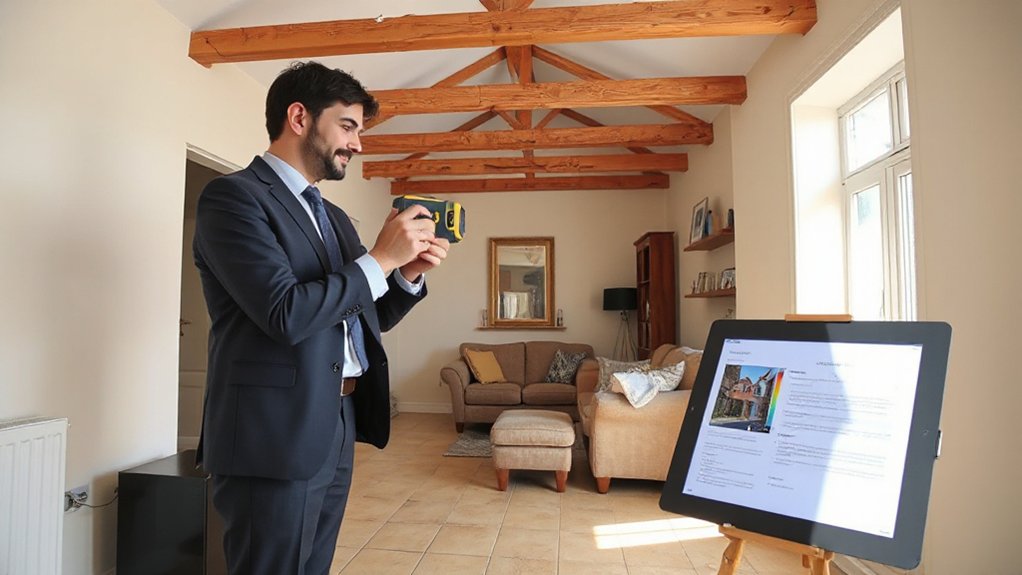
Selecting the right surveyor is essential for a reliable assessment, and you’ll want someone who combines technical rigor with clear communication. You’ll start with a brief, transparent brief that outlines scope, access, and expected deliverables.
In the selection phase, prioritize credentials, relevant property type experience, and independence from selling pitches; demand written methodologies and a schedule. A good surveyor delivers a structured inspection plan, a detailed report, and recommended remediation priorities.
Expect clear commentary on structural condition, services, damp, and accessibility, plus quantified risks and cost implications. Inspection deliverables should include annotated plans, measured dimensions, and a rating framework aligned to Liverpool standards.
Confirm how updates, red flags, and post-inspection questions are handled, ensuring you retain ownership of the findings and a practical next-step path.
Red Flags That Mean You Should Walk Away
Even if a property looks appealing, certain red flags demand immediate caution or dismissal: unresolved重大 structural issues, persistent damp or mould with no credible remediation plan, and evidence of ongoing or concealed water ingress that could signal hidden damage.
You assess risk by verifying structural history, investigating moisture sources, and demanding professional reports before proceeding.
- Structural red flags: cracks widening, differential settlement, or old remediation attempts that fail to reassure you.
- Moisture indicators: persistent damp, mould growth beyond cosmetic limits, or damp patches with unclear cause or no treatment plan.
- Hidden problems: concealed water ingress, previous flood damage, or unusual patchwork suggesting undisclosed defects.
Also consider garden landscaping and interior decorating limits, where poor planning hints at broader maintenance neglect. Proceed cautiously.
Quick, Cost-Effective Improvements That Add Value in Liverpool
To boost Liverpool property value quickly and affordably, focus on high-impact, low-cost upgrades that enhance curb appeal, functionality, and energy efficiency. You’ll prioritize practical changes with measurable returns: fresh sealant and repainting where needed, energy-efficient lighting, and smart thermostats to reduce running costs.
Quick wins include decluttering, addressing moisture signs, and upgrading doors or hardware for better security without major investment. Landscape gardening should emphasize drought-tolerant borders, clean sightlines, and seasonal color to elevate first impressions without extensive renovation.
Inside, optimize interior decor with neutral palettes, coherent lighting schemes, and minimalistic, durable finishes that age well. Avoid over-improvement; target improvements that align with Liverpool’s market expectations and your home’s architectural character.
Maintain documentation for warranties, ensuring consistent upkeep and resale value.
Final Checklist for a Solid, Livable Liverpool Home

When you’ve tidied the quick wins from the previous section, you’re ready to finalize a solid, livable Liverpool home. This final checklist targets structure, systems, and aesthetics with a technical, precise lens, ensuring comfort, efficiency, and resale value.
You’ll verify that essential systems operate cohesively, optimize layout for daily use, and align finishes with neighborhood context and amenities.
- Inspect core systems (HVAC, plumbing, electrical) for safety, efficiency, and code compliance, noting any upgrades that support reliable performance and low operating costs.
- Assess finishes, lighting, and storage; confirm that home decor choices enhance function while preserving architectural integrity and appeal to the Liverpool market.
- Evaluate accessibility to neighborhood amenities—schools, parks, transit—and confirm that the layout supports practical living and future adaptability.
Frequently Asked Questions
What Is the Typical Cost to Fix Common Structural Issues in Liverpool Homes?
Typical costs vary, but you should budget for foundation settlement and roof deterioration repairs; expect structural assessments, crack repairs, underpinning, and roof fixes, totaling several thousand pounds, depending on severity, materials, and contractor rates in Liverpool.
How Long Does a Full Property Survey Usually Take in Liverpool?
“Time is money.” You’ll need about a few hours for a full property survey in Liverpool, depending on size, access, and complexity; home inspection and survey procedures unfold methodically, ensuring accuracy, safety, and thorough condition documentation.
Which Damp Problems Most Often Recur After Repairs in Liverpool Properties?
You’ll find damp problems most often recur due to residual moisture and poor airflow; prioritize mould prevention through continuous moisture control and implement ventilation solutions to maintain indoor humidity, reducing recurrence and protecting structural integrity.
Are There Any Liverpool-Specific Planning Constraints That Affect Renovations?
Planning constraints prevail: Local planning restrictions apply, and heritage conservation governs renovations. You’ll assess compliance, coordinate with officers, and document permissions before altering façades or structures, ensuring aesthetically aligned, technically precise, and legally sound Liverpool upgrades.
What Should I Prioritize in Budgeting for First-Time Home Repairs in Liverpool?
Prioritize a thorough home inspection upfront, focusing on structural integrity and essential systems, then allocate for DIY repairs where safe and feasible, reserving funds for licensed trades for major fixes; document costs with precise, aesthetic budgeting notes.
Conclusion
So, you’ve scanned the basics, spotted red flags, and briefed a surveyor—now what? With damp, wiring, roof, and structural cues checked, you can weigh risk against value and decide confidently. Are you prepared to walk away if the signs outweigh your budget and appetite for risk? Keep a tight cost–benefit lens, document everything, and prioritize essential fixes. Your Liverpool home should be solid, livable, and future-focused, not a shuttered liability.