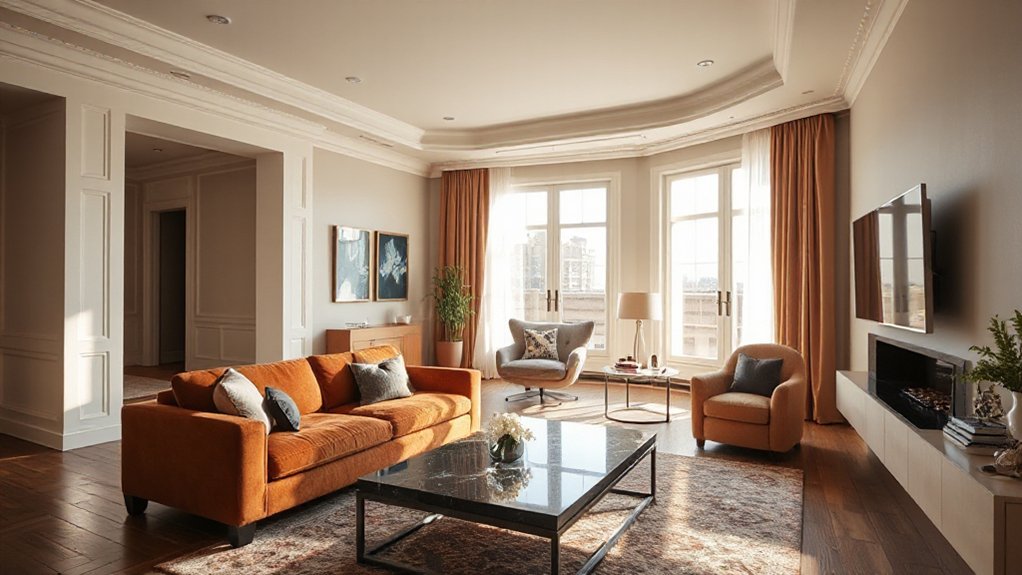
High-end renovations promise durability, refined design, and daily comfort, but they demand careful scrutiny of the cost-to-benefit math. You’ll pay for premium materials, skilled craftsmanship, and timeless finishes that can boost resale value and reduce future repairs—yet not every project needs ultraluxe execution to gain those rewards. If you’re weighing the options, the real test is whether the emotional and practical payoff justifies the premium—and what you’ll cut if it doesn’t. Curious what balance looks like in practice?
Define What Counts as High-End Renovations
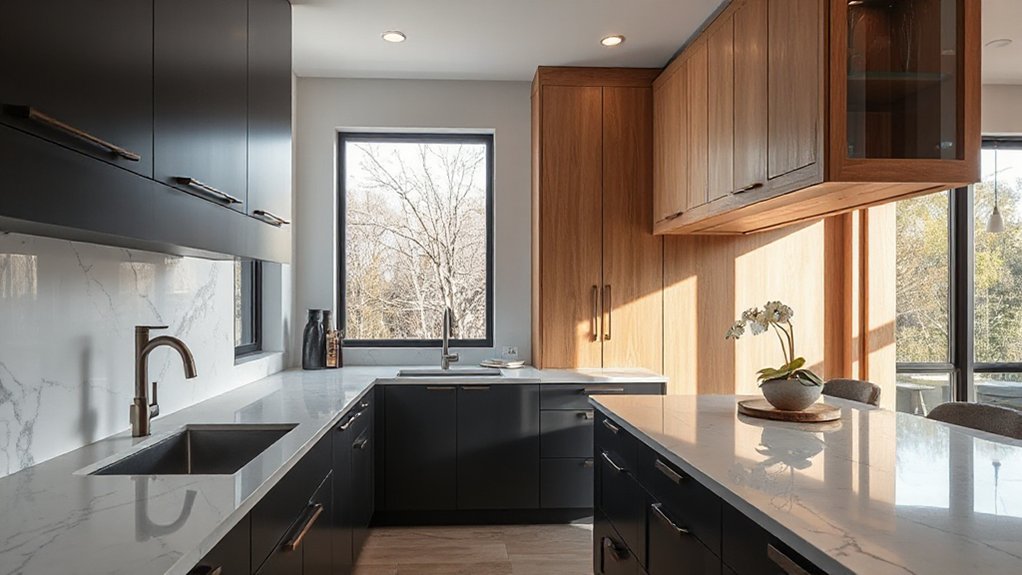
High-end renovations are defined not by price tags alone but by the quality and intent behind them. You assess value through materials, craft, and the seamless integration of function with form. It isn’t about flashing trends; it’s about durable decisions that age well and respect the structure.
You recognize luxury branding in tactile details, from stone veining to cabinetry joints, and you track consistency across spaces. Exclusive amenities aren’t garnish; they elevate daily life and reflect purposeful design choices.
You demand precision in acoustics, lighting, and air quality, ensuring performance matches aesthetics. You measure success by how renovations endure, how technology serves without shouting, and how the result tells a coherent, respectful story of the home.
The standard is clarity, restraint, and long-term value.
How Much More Luxury Costs You
Premium upgrades cost more, but they’re not just price tags—they’re choices about materials and craftsmanship that shape feel, durability, and how long you’ll enjoy the result.
You’ll weigh how higher-end materials justify the investment with longevity and potential resale value, rather than chasing trend-driven bells and whistles.
Consider where budget tradeoffs fit your fit, balancing immediate impact against long-term return.
Materials And Craftsmanship
When you evaluate materials selection, you’re weighing longevity, maintenance, and how a surface ages over time.
Craftsmanship standards set the bar for installation quality, alignment, and consistency across rooms. You’re paying for processes that guarantee near-zero variability, quiet operation, and reduced need for repair.
If you value precision, you’ll appreciate how skilled labor translates into predictable outcomes. In this arena, luxury isn’t vanity; it’s a guarantee of function, beauty, and lasting value.
- Exquisite joinery and edge detailing
- Consistent grain and color matching
- Tight tolerances in fit-and-finish
- Controlled craftsmanship standards
Longevity And Resale Value
Longevity isn’t a bonus feature; it’s a core value that drives resale upside and ongoing reliability. When you pursue luxury upgrades, you’re not just chasing sparkle; you’re signaling durability, materials performance, and thoughtful detailing that weather trends.
This longevity matters at sale or refinancing because buyers weigh the stability of systems, finishes, and warranties as much as the look. You’ll see a clearer resale impact when upgrades meet high standards for efficiency, maintenance ease, and timeless appeal.
The value isn’t abstract: a well-constructed renovation reduces ongoing costs and frustration, which buyers credit in negotiations. In short, durability pairs with style to sustain value, making luxury upgrades a strategic investment rather than a sunk cost.
Budget Tradeoffs And Fit
When you’re weighing luxury upgrades against durability, the question isn’t simply “what looks best” but “what delivers value over time.” Budget tradeoffs matter because higher-end finishes and systems come with premium price tags, yet they also promise lower maintenance, longer intervals between replacements, and better energy performance.
You balance Luxury preferences with practical constraints, recognizing that every upgrade nudges Budget adjustments. The goal isn’t maximalism, but durable refinement that fits your financial plan and lifestyle.
- A kitchen with solid-surface counters that resist stains and heat, reducing future replacements
- HVAC with high-efficiency rated equipment, trimming annual energy costs
- Custom cabinetry with durable finishes that endure daily use
- Low-maintenance materials that keep upkeep predictable and infrequent
Tangible Value: Resale Lift and Curb Appeal
Could a well-executed renovation deliver more than beauty—delivering tangible resale lift and sharper curb appeal? Yes, and you’ll see the impact in buyer perception, appraisal angles, and market timing.
Tangible value isn’t mere shine; it’s a signal of care, efficiency, and modern standards that buyers expect. When you prioritize durable materials, streamlined layouts, and timeless finishes, you create a first impression that persists beyond initial tours.
Curb appeal matters as much as interior polish, because photos and walkability set the pace for offers. Luxury upgrades and aesthetic enhancements can translate into higher perceived value, faster absorption, and a broader pool of buyers willing to pay a premium.
The payoff is measurable, influencing comps, loan approvals, and long-term equity.
The Emotional Payoff of Daily Luxury
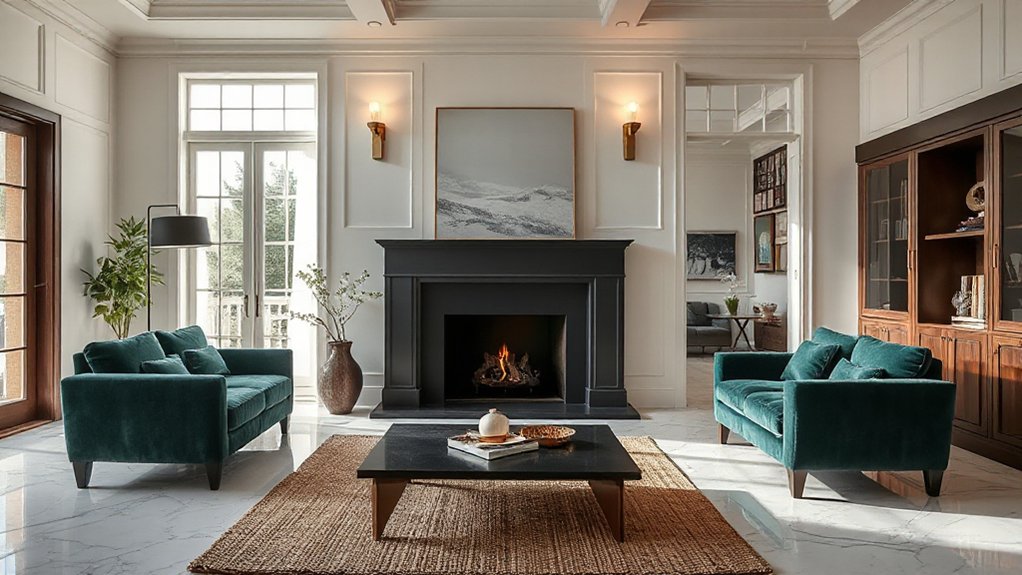
The daily luxury of a well-executed renovation isn’t just about aesthetics—it reshapes how you feel every time you enter your space. You notice subtle cues: lighting that flatters, textures that invite touch, sound that quiets the day. This is the emotional payoff you didn’t expect—an ongoing emotional reward that compounds with daily indulgence.
Instead of fleeting trends, your environment signals care, control, and one’s personal pace.
- AEntryway glow that lifts mood the moment you step in
- Quiet zones that invite breathing and focus
- Handfeel of premium surfaces that anchors confidence
- Custom storage that simplifies chaos into calm
The result isn’t vanity; it’s a practical, enduring uplift you carry with you, day after day.
Common Hidden Costs and How to Cap Them
Hidden budget traps bite when scopes shift and hidden costs surface, so you’ll want a tight cap on change orders from day one.
Stay vigilant about contingency planning, because a small overruns cascade into big overruns if you wait for the budget to catch up.
Prioritize clear change-order processes and robust contingency guidelines to keep your project on track.
Hidden Budget Traps
- Surprises from material upgrades that blow past initial quotes
- Hidden delivery delays that push labor schedules
- Finish-level decisions that weren’t priced upfront
- Permit and inspection fees you hadn’t anticipated
Stay disciplined: define scope, verify quantities, and review costs weekly.
A disciplined approach keeps your project aligned with reality, protecting the investment from creeping, unseen charges.
Change Order Pitfalls
When change orders arise, they’re usually the first sign that scope wasn’t locked in early enough. You’re confronting a pattern: options expand, budgets shrink, and timing slips.
A change order isn’t just more paperwork; it’s another breach in cost predictability. Hidden costs creep in through design tweaks, material substitutions, and delayed decisions that push labor back onto peak periods.
You’ll need precise documentation, clear approvals, and a disciplined change-management process to prevent drift. Tie every alteration to a concrete baseline—budget, schedule, and performance criteria—and require contingency justification before approving.
Track incremental costs, not just totals, so you can compare expected versus actual. By prioritizing upfront scoping and rigorous change control, you cap hidden costs and preserve the project’s value proposition.
Contingency Planning Tips
Contingency planning isn’t optional—it’s a shield against the unpredictable costs that routinely derail high-end renovations. You’ll benefit from a clearly defined buffer, aligned to scope risk, location, and contractor cadence.
Set a realistic contingency of 10–20% of hard costs, then adjust as plans clarify. Build in budget flexibility by tracking changes in real time and reforecasting monthly. Document decision thresholds so you don’t drift into scope creep or sticker shock.
Use phased spending to prevent over-committing early, and keep a separate reserve for permit delays and material lead times. Communicate risk openly with your team, preserving trust and pace.
- Visible seams: allowances for finishes and fixtures
- Hidden costs: permits, inspections, and delays
- Schedule ripple effects: weather, supply gaps, labor shifts
- Real-time adjustments: frequent budget checks and approvals
Timelines: Planning, Permits, Delays
Planning, permits, and delays shape every high-end renovation more than any other factor. You’ll map a realistic timeline by front-loading permits, inspections, and contractor coordination, not last-minute rushes. When you align design intent with regulatory steps, you reduce back-and-forth and safeguard milestones.
Expect permit reviews to extend timelines; build buffers instead of chasing tight deadlines. Delays often hinge on material sourcing, scheduling specialty trades, and late design clarifications, so specify alternatives early and document decisions.
Keep stakeholders informed with concise updates, because transparent communication prevents misalignment and costly reworks.
In practice, integrate luxury trends with practical sequencing: order bespoke finishes well in advance, confirm installers’ availability, and plan phased handovers. This disciplined approach protects budget, quality, and the prestige you expect from a refined project.
Design Risk: Timeless vs. Over-Personalized
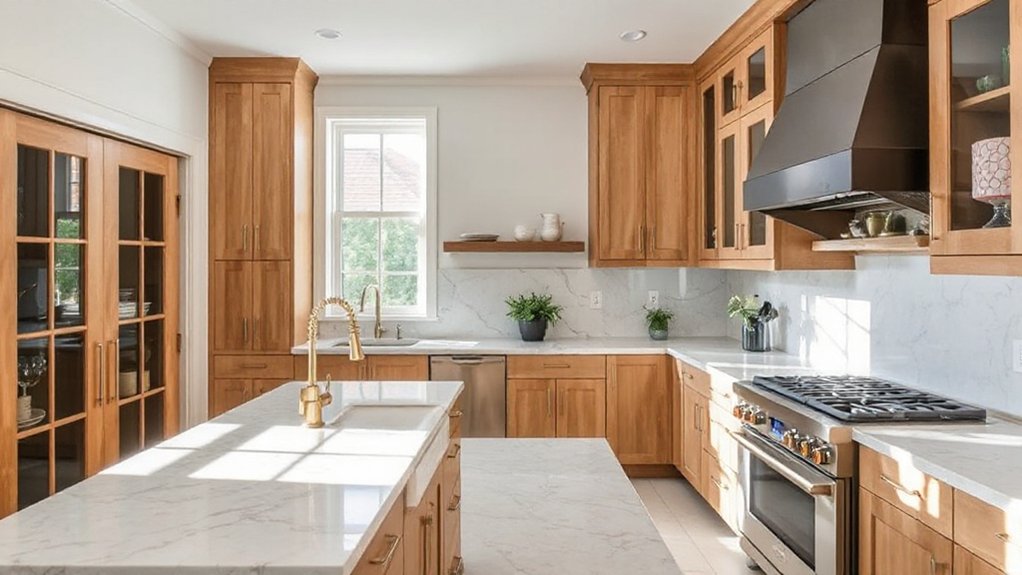
Design choices ride a fine line between timeless appeal and personal mark, so you’ll want to weigh enduring design risks against moments of self-expression. Over-personalization can date spaces quickly, while too-sterile interiors risk feeling soulless; the balance hinges on restraint, not absolutes.
Start by identifying which elements you’ll preserve for longevity and which you’ll let reflect your tastes without compromising resale and longevity.
Timeless Design Risks
Timeless design carries longevity with discipline, but it also risks drifting into over-personalization if you don’t anchor it to core function and a clear brief. You balance restraint with character, ensuring aesthetic longevity without sacrificing daily use.
When a space leans too far into trends, you pay in resale flexibility and timeless appeal. You should test every detail against long-term needs, not just current taste. The goal is clarity, longevity, and refined presence.
- A quiet palette that withstands shifting fads and lighting changes
- Durable textures that age gracefully, not scream novelty
- Proportions grounded in use, not ego
- Subtle, enduring hardware that stays relevant over decades
Personalization Pitfalls
Personalization can turn a renovation from polished to polarizing unless you tether it to function and restraint. You’ll confront Design Risk: timeless fusion with the moment, and risk tipping into over-personalization.
Personalization risks arise when tastes dominate practicality, making spaces feel novelty-driven rather than lived-in. Avoid chasing every trend; select elements that endure and support daily life.
Customization drawbacks include higher costs, longer timelines, and uneven resale appeal if the style isn’t universal. Prioritize core materials, lighting, and layout that serve many uses, then layer in personality with subtle details—art, textiles, and finishes—rather than bold, room-defining statements.
Maintain coherence by limiting color schemes and hardware families. If you document intent and test scale, you’ll preserve timelessness while expressing individuality.
Materials: Durability vs. Showroom Appeal
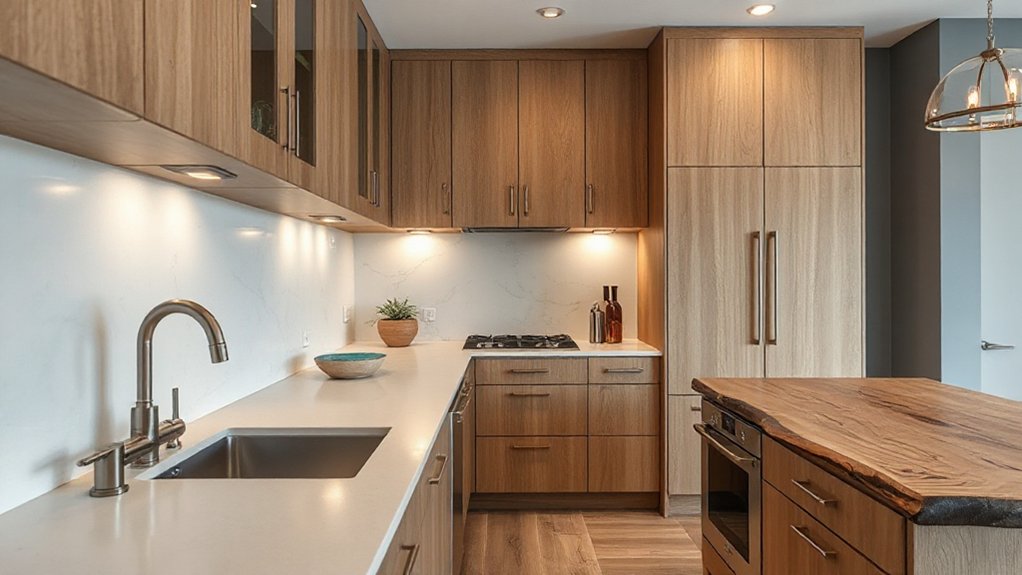
When selecting finishes and fixtures, you must balance lasting performance with immediate visual impact, because durability saves money over time while showroom appeal sells the project in the moment. The core choice is Material selection, weighing durability versus appeal to avoid shortfalls in function or fashion. You’ll want textures and tones that endure, yet aren’t dull after a season of use.
Prioritize proven materials, sustainable finishes, and repairability, so maintenance stays predictable. Then temper with a design narrative that celebrates acuity and craft, not trend-chasing. Your goal is cohesive elegance that ages gracefully, not flashy excess that dates itself.
- Durable finishes that resist wear without sacrificing personality
- Timeless palettes that adapt as tastes shift
- Repairable surfaces that minimize replacement costs
- Low-maintenance options that preserve showroom viability
Craftsmanship and Installation Quality
You notice how precision craftsmanship elevates the feel and function of every detail, from edge alignment to material shifts.
Installation integrity standards guarantee that beauty isn’t compromised by looseness, gaps, or misalignment that only show after the finish.
You’ll want a process that emphasizes consistent tolerance, meticulous fitting, and verifiable quality at every stage.
Precision Craftsmanship Details
Precision craftsmanship isn’t just about finishing touches; it’s the backbone of a high-end renovation’s performance and longevity. You’ll notice how subtlest decisions—joint alignment, grain matching, and tolerances—drain variables from daily use, ensuring doors seal and drawers glide with effortless precision.
It’s in the quiet consistency that elevates perception from good to sovereign, where craftsmanship details quietly compound into reliability and feel. This is where luxury costs are justified, not merely spent, because precision reduces future repairs and preserves value.
You observe systems integrated with intent, not improvisation, transforming space into a coherent whole.
- Tight miters and matched grain across panels
- Hidden fasteners that vanish from sight
- Butt joints optimized for clean, durable seams
- Finish consistency that respects wood’s natural movement
Installation Integrity Standards
Installation integrity isn’t an afterthought; it’s the backbone of a high-end renovation’s performance. You measure value not by appearance alone, but by how components interact, seal, and endure.
When you demand luxury craftsmanship, you’re asking for tight tolerances, meticulous jointing, and flawless alignments that resist movement and moisture ingress. Installation standards matter as much as design details, because execution determines longevity and utility.
Subtle compromises show up as squeaks, misfits, or thermal gaps, eroding comfort and efficiency. Informed decisions require you to audit installers’ methods, verify material compatibility, and insist on field tests that prove line and plumb.
Maintenance and Ongoing Operating Costs
- Proactive maintenance schedules keep systems humming and curb expensive repairs
- Energy-efficient hardware lowers operating expenses over years
- Accessible designs cut labor and part costs during upkeep
- Durable materials minimize frequent replacements and waste
Financing Luxury: Options and Opportunity Costs
What does it cost to chase luxury, and what do you gain—or lose—by financing it? You weigh interest, fees, and the timeline against the glow of exclusive amenities and the signal of Luxury branding.
Financing shifts upfront cost into manageable payments, but it compounds over years, eroding liquidity and limiting other opportunities. Consider mortgage-like terms, personal loans, or home equity lines; each carries distinct risk, tax implications, and covenants that affect your flexibility.
The appeal lies in timing, not just total outlay: you can access high-end finishes now while preserving cash flow. Yet opportunity costs loom—better investments, future moves, or market shifts.
Decide whether the prestige of Luxury branding justifies the rate or if debt diminishes your true financial flexibility.
Resale Psychology: What Buyers Actually Value
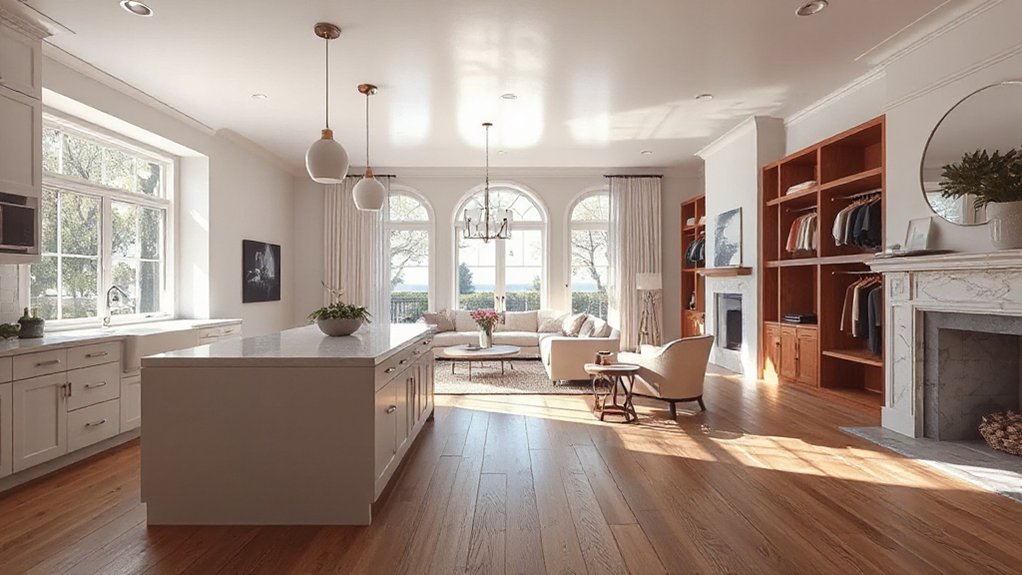
Resale psychology isn’t about chasing trends; it’s about aligning with what buyers actually value when they walk through a renovated space. You’ll find that buyers prize lasting quality, cohesive design, and practical layout over flashy gimmicks.
Focus on enduring materials, thoughtful lighting, and quiet luxury that communicates care rather than spectacle. When you feature luxury amenities and designer brands, ensure they feel integrated, not showroomy, so they read as part of a curated living experience.
The value isn’t in excess; it’s in expected performance, comfort, and a sense of move-in readiness.
- Seamless flow between rooms that reduces friction in daily use
- Low-maintenance surfaces with proven durability
- Subtle luxury cues that feel authentic, not ostentatious
- High-quality fixtures that deliver consistent performance over time
Zoning and Regulatory Hurdles (Permits Overview)
Permitting timelines, scope, and zoning code impacts set the pace and shape the feasible vision for any high-end project. You’ll need clear, documented compliance paths to avoid costly delays.
While aligning interior ambitions with parcel realities is essential. This overview flags the essential permit requirements and the paperwork trail you’ll navigate to keep renovations on track.
Permitting Timeline Scope
Charting the permitting timeline starts with a clear map of zoning and regulatory hurdles you’ll encounter, from pre-application reviews to final approvals. You’ll need to align design goals with code constraints, anticipate revisions, and budget for review cycles that vary by project type.
This timeline isn’t a straight line; it’s a loop of paperwork, meetings, and confirmations that shape luxury craftsmanship and design personalization. Your clarity today reduces delays tomorrow, guiding contractor selections and grantable exemptions.
- A dense packet of drawings, specifications, and disclosures lands on the desk of the reviewing authority.
- Early feedback triggers scope adjustments that ripple through budgets.
- Iterative plan checks build momentum when responses arrive promptly.
- Final approvals release permits, insurance, and construction kickoff.
Zoning Code Impacts
Zoning codes shape every luxury renovation by setting the boundaries within which you can realize your design ambitions. You’ll feel the impact in floor plans, envelope changes, and allowable uses that constrain or enable bold visions.
Zoning flexibility varies by jurisdiction, so you must map where variances or appeals might salvage a concept or require adjustments. Setback regulations often dictate where rooms sit relative to streets, lot lines, and neighboring structures, influencing sightlines, light, and privacy.
As you refine concepts, anticipate parking, landscape, and energy considerations that trigger additional reviews. You’ll benefit from early conversations with planners and a focused brief that highlights deviations you’re pursuing.
A proactive, disciplined approach reduces delays and clarifies which luxury elements remain feasible within regulatory bounds.
Compliance Documentation Needs
Finding compliance starts with a clear map of required permits, approvals, and supporting docs before a single drawing is submitted. You’ll navigate zoning and regulatory hurdles by outlining each legal step, then assembling the essentials to avoid delays.
Compliance documentation isn’t just paperwork; it’s a roadmap that guards budget, timelines, and safety. You’ll confront legal requirements head-on, aligning plans with building codes, fire codes, and neighborhood covenants.
When you document site surveys, floor plans, and material specs, you reduce back-and-forth and rework, preserving momentum. Stay proactive by establishing a filing cadence, so inspectors see preparedness rather than surprises.
- A dense folder of permits feels like a trusted playbook
- Markups and affidavits map out justifications for zoning variances
- Clear timelines keep approvals from stalling progress
- Digital copies serve as rapid references for every reviewer
Energy Efficiency as a Value Driver
Energy efficiency isn’t just a cost saver; it’s a strategic driver of value in upscale renovations. You’ll notice that thoughtful energy improvements translate into tangible resale appeal, smoother operating costs, and longer asset life.
In premium homes, efficiency isn’t auxiliary; it signals meticulous planning and disciplined budgets. Prioritize high-performance systems, enduring materials, and precise commissioning to avoid overpaying for fleeting trends.
Energy savings compound over time, enhancing comfort and occupancy satisfaction without compromising aesthetics. Insulation upgrades, high-performance windows, and airtight detailing deliver pro-grade results that buyers recognize as quality, not compromise.
As you evaluate scope, measure these gains against upfront spend, permitting timelines, and potential tax incentives. The payoff is a resilient home profile that sustains value across market cycles.
Space Optimization and Functional Upgrades
Space optimization isn’t about cramming more stuff into a space; it’s about designing flexible, purposeful layouts that adapt to changing needs. You’ll discover value by prioritizing multipurpose rooms, hidden storage, and scalable infrastructure that grows with you.
Functional upgrades should feel intentional, not add-on clutter, using smart technology to automate lighting, climate, and access.
Embrace Creative storage strategies that maximize every millimeter—think recessed shelving, pull-out organizers, and modular cabinetry.
The goal is calm efficiency: fewer priorities cluttering your mind, more room for living.
- A compact kitchen with fold-away countertops and integrated appliances
- Hidden pantry routes and pull-out charging stations
- Wall beds that convert bedrooms into workspaces
- Suspended storage and magnetic rail systems for slim, reachable items
Warranties and Post-Renovation Support
Look for clear warranty coverage that defines covered materials, workmanship, and exclusions, plus realistic claim procedures. Ask about coverage duration, transferability, and what voids the warranty.
Post project support matters too: accessible check-ins, guidance on maintenance schedules, and rapid responses for service calls. A reputable contractor offers documented service commitments, not vague promises.
Align these terms with your expectations and enclosure of the project’s long-term performance, ensuring you’re not paying for promises you never receive.
When to Splurge vs. Scale Back
Strategic budgeting isn’t about pinching pennies everywhere; it’s about prioritizing what’ll deliver the most value and enjoyment over time. You’ll splurge where utility and longevity matter, and scale back where enhancements yield diminishing returns.
In kitchens, invest in luxury appliances and smart wiring, but temper vanity upgrades that don’t improve daily life. Custom cabinetry can elevate function and resale value, yet opt for standard finishes in high-traffic spaces to control costs.
Consider bathroom luxuries that enhance routine use without overbuilding the room. Always align choices with your daily rhythms, not trends. The balance is strategic, not austere.
- Focused investments that improve everyday use
- High-impact fixtures vs. decorative extras
- Custom cabinetry for organization and value
- Upgrades guided by long-term comfort and resale potential
Real-World Renovation Case Studies
Real-world projects reveal how strategy translates into tangible results. In these case studies, you see how budgets, timelines, and client vision collide to produce measurable outcomes.
You’ll notice that successful renovations hinge on disciplined scoping, risk assessment, and decisive vendor selection, not flashy finishes alone.
One project demonstrates how artistic expression can elevate a space without compromising function, balancing bespoke details with daily usability.
Another highlights cultural influence, where local materials and craft traditions inform the design language while meeting modern performance standards.
You’ll also encounter trade-offs—premium materials vs. accelerated schedules—that planners must justify with expected impact.
Across examples, the thread is clear: strategic clarity, rigorous oversight, and a compelling narrative guide high-end results more reliably than aesthetics alone.
A Practical 5-Step Decision Framework for Your Project
A practical 5-step decision framework helps you move from concept to concrete outcome without getting lost in the noise of glossy finishes. You’ll map goals, constraints, and risks before sourcing ideas, keeping luxury branding and exclusive amenities grounded in function.
This framework centers on clarity, not hype, so you decide what truly adds value and what merely shines.
- Define your objective and nonnegotiables with measurable criteria
- Assess budget, timeline, and risk tolerance, prioritizing impact per dollar
- Validate concepts against real-world constraints and user needs
- Decide with a staged plan, milestones, and decision gates
Use this lens to separate prestige from practicality, ensuring every choice reinforces your project’s core value.
Frequently Asked Questions
How to Measure Hidden Costs Beyond the Estimate?
You’ll uncover hidden costs by tracking time delays, inspection contingencies, and change orders, not just the base estimate. Watch budget overruns and contractor fees creep in, and insist on transparent line items, updated forecasts, and proactive risk allowances.
Can High-End Upgrades Improve Daily Energy Savings?
Yes, energy efficient upgrades can cut daily costs, though savings vary. You’ll want a solid cost benefit analysis, tracking long-term energy use after upgrades, while noting upfront expenses and maintenance for a true daily impact.
What Personalized Design Risks Should I Avoid?
You should avoid customization pitfalls and design overreach by prioritizing function over form, grounding choices in your lifestyle, and iterating with clear budgets; otherwise you risk costly mismatches, delayed timelines, and diminished long‑term satisfaction.
Do Luxury Materials Guarantee Longer-Lasting Performance?
Luxury durability doesn’t guarantee flawless performance; coincidence shows premium materials often endure, but proper installation matters more. You’ll find material longevity improves when you balance brand cues with practical specs, ensuring luxury durability translates to real, lasting value.
How to Balance Personal Taste With Market Trends?
You balance personal taste with market trends by prioritizing timeless Vintage charm and clean minimalist aesthetics, evaluating durability, resale value, and future adaptability; trust your instincts, then account for potential shifts, buying thoughtfully rather than chasing every passing fad.
Conclusion
You’ll feel it the moment you walk in, as if a well-placed nod from a master craftsman greets you at the door. High-end renovations aren’t just about richer materials; they’re a signal that you’ve chosen care, durability, and timeless design. Like a quietly eloquent novel, they reward repeat readings—better resale, fewer fixes, daily comfort. If you’re ready to invest thoughtfully, you’ll savor the payoff long after the first spark of impulse fades.