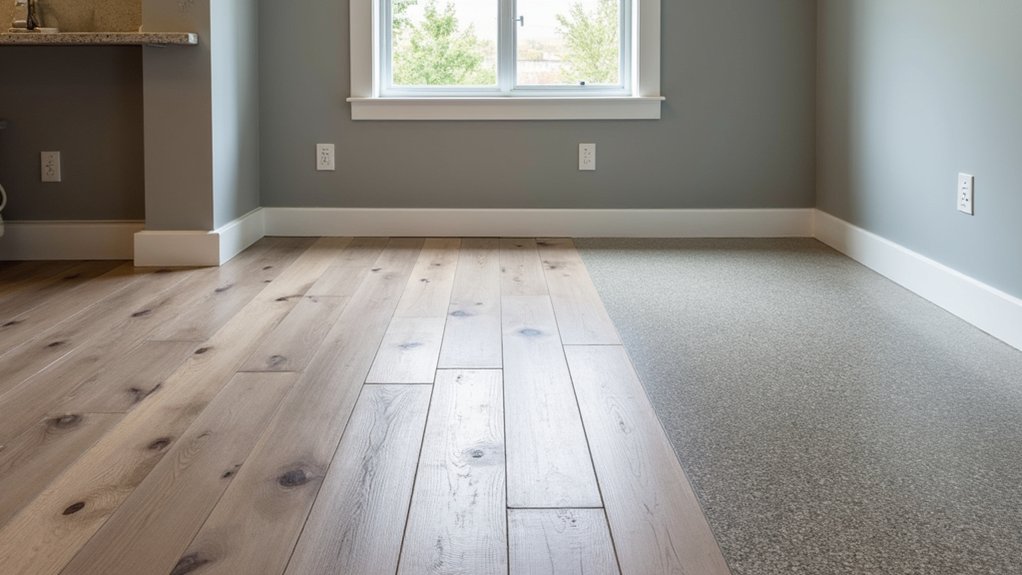
A fortuitous moisture breach turned your attention to basement flooring, and you’ll want a solution that lasts. You need durability, moisture resistance, and comfort in a damp UK climate, from epoxy coatings to vinyl planks or engineered wood with a vapour barrier. Pair these with insulation, a textured underlay, or radiant heating, and keep the palette restrained for cohesion. As you plan, consider installation specifics and maintenance to avoid future damp trouble, and you’ll uncover options worth your while.
Durability and Moisture: What Basements Floor Must Do
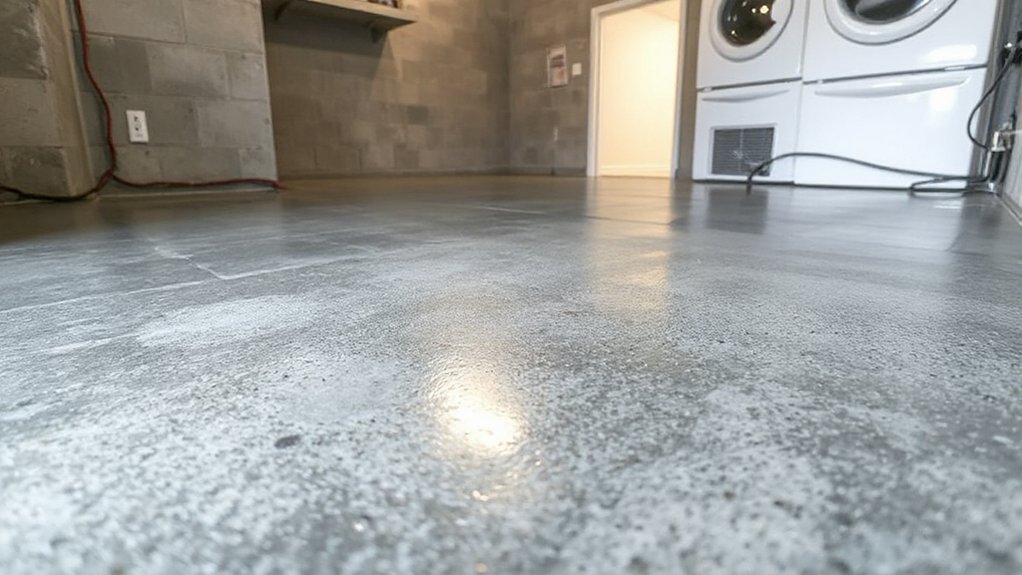
Basements face unique moisture and wear demands, so a floor must resist dampness, staining, and thermal shifts. You’ll prioritise durability by selecting materials with robust moisture barriers and proven crack prevention. Look for systems that limit capillary rise and air leakage, and install a continuous, sealed subfloor to minimise water ingress.
In practice, this means thorough surface preparation, with damp-proof membranes where required, and joints that tolerate movement without warping. You’ll value low maintenance, high impact resistance, and ease of cleaning, especially in UK climates where seasonal damp can spike.
Choose products that offer acoustic benefits without sacrificing water resistance. Avoid solutions that trap moisture or crumble under humidity. With proper detailing, your basement stays warmer, drier, and structurally sound for years.
Basement Flooring by Budget: Best Materials by Price Point
When budgeting basement flooring, you’ll balance cost against performance and moisture tolerance. In this price‑point guide, you focus on value without compromising reliability.
For entry‑level budgets, concrete sealants and epoxy coatings offer durable, water‑resistant options with minimal upfront cost, while still allowing decorative patterns and colour schemes through stenciling or pigment adds.
Mid‑range choices include vinyl plank and laminate designed for moisture resistance, delivering quicker installation and ample design flexibility—think parquet looks or stone effects in decorative patterns.
If you can stretch, engineered wood with proper vapour barriers or porcelain tiles provide upscale aesthetics and long‑term resilience, though installation costs rise.
Prioritise products with warranties and moisture ratings; finish with a plan that suits your planned colour schemes and maintenance routine.
Underfoot Comfort: Warmth, Texture, and Insulation
Choosing a comfortable floor in a basement starts with warmth, texture, and insulation, because the right combination makes a big difference in monthly energy bills and living feel.
You’ll notice underfoot comfort when you prioritise materials with good heat retention, like engineered wood, luxury vinyl planks, or cork, which stay warmer than concrete. Add a tactile layer—textured carpets, felt-backed underlays, or fibrous mats—to enhance the sensory experience without compromising durability.
Insulation beneath your finished surface matters too; consider rigid foam boards or a radiant heat system to minimise cold drafts. Guarantee gaps are sealed and moisture is controlled to maintain comfort year‑round.
Choose flooring that remains stable under fluctuating UK humidity, and you’ll enjoy a cosy, practical basement that invites everyday use.
Design Cohesion: Styles That Tie Your Basement Together
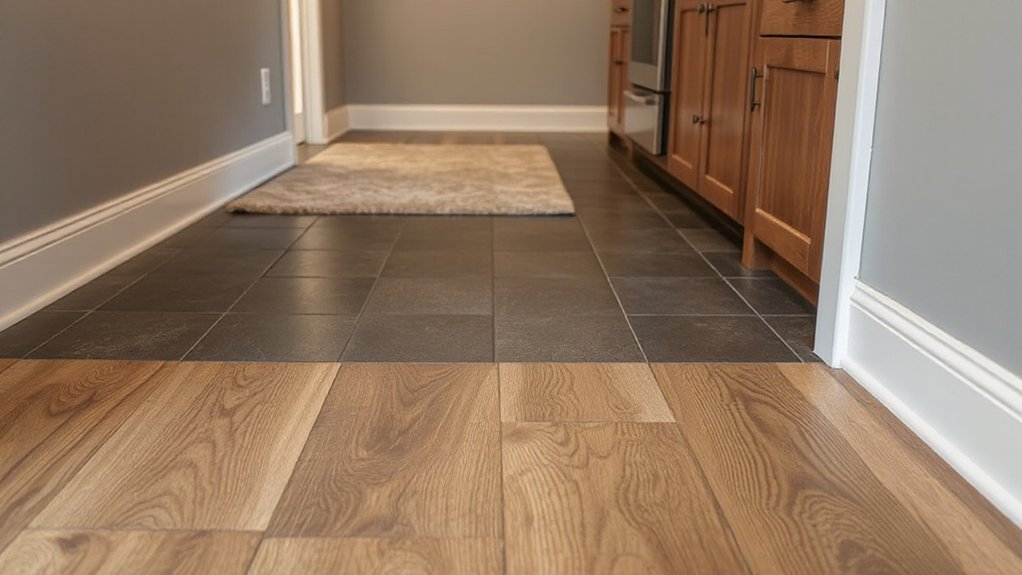
A cohesive basement look comes from aligning colours, textures, and furniture with a deliberate scheming rather than accidental styling. You guide the room by establishing a restrained palette and repeatable motifs, keeping clutter low and intent high.
Begin with color coordination: pick a primary shade and two accent tones, then echo them in fabrics, wall paint, and flooring progression to create continuity. Introduce decorative patterns sparingly—think a geometric rug, a striped cushion, or a subtly patterned wallpaper in a singular area—to add interest without discord.
Match textures to purpose: tough, low-maintenance materials for utility zones and softer finishes for seating.
Maintain proportional furniture placement to preserve sightlines and ease of movement. Consistent lighting temperature reinforces cohesion, ensuring every element supports a unified basement style.
Install, Maintain, and Longevity: Tips That Help Floors Last
Installing the right floor and keeping it in good shape isn’t guesswork; it’s about selecting durable materials, following proper fitting methods, and sticking to a simple maintenance routine.
To maximise longevity, choose moisture-resistant options for basements and verify subfloor preparation is solid. Seal joints and use vapour barriers where needed, then fit skirting to protect edges from dampness and knocks.
Regular cleaning and timely repairs prevent wear from escalating. Baseline upkeep includes checking for leaks after rain, addressing trapped moisture, and re-sealing grout or coatings as required.
Plan lighting thoughtfully—basement lighting should avoid casting hard shadows that hide damage and watermark signs.
For storage solutions, keep heavy items off the floor and distribute weight evenly to reduce floor stress, improving durability and overall lifespan.
Frequently Asked Questions
What Are the Best DIY Basement Flooring Options?
Epoxy coatings and carpet tiles are solid DIY basement flooring options. You’ll get durable, moisture-resistant surfaces with epoxy that resist spills and stains, ideal for workshops or laundry zones.
For a softer, warmer feel, carpet tiles let you mix patterns and replace damaged sections easily.
Quick prep, decent ventilation, and following manufacturer guidelines are essential. Use residential-grade epoxy for basements, and choose low-VOC tiles to keep air quality better during and after installation.
How Long Do Basement Floors Typically Last?
Basements typically last 20 to 40 years, depending on materials and maintenance. You’ll extend life by sealing moisture, using proper underlay, and avoiding rapid temperature swings.
You’ll want solid basement insulation and appropriate ceiling treatments to prevent heat loss and moisture buildup. Keep your floors dry and well-supported; check joists and joists-to-wall connections regularly.
If you’re proactive, you’ll minimise cracks and wear, and you’ll protect the structure while staying compliant with UK building guidance.
Do Moisture Barriers Affect Lifetime Warranties?
Yes, moisture barriers can affect lifetime warranties. If you install a moisture barrier, warranty coverage implications hinge on proper installation and manufacturer requirements.
You must follow product guidelines, seal joints, and test for dampness before covering. Poor installation or bypassing steps may void coverage or limit claims.
In short, moisture barrier installation matters; it can influence warranty terms, so check the fine print and keep records to support any future claim. Maintain ongoing moisture control for best protection.
Can Radiant Heat Be Installed Under Concrete Floors?
“Look before you leap.” Yes, you can install radiant heat under concrete floors, but you’ll need proper sub-slab planning and professional layout to guarantee system longevity and concrete compatibility.
You should use a suitable infrared or hydronic setup, ensure moisture barriers, and verify slab specs with the installer.
In the UK context, check building regs and warranty terms.
Radiant heating can work, but only if designed for concrete compatibility and correct insulation and controls are in place.
Which Flooring Hides Subfloor Imperfections Best?
You want a floor that hides subfloor imperfections best? Choose products with strong surface tolerance and seamless appearance. Thick vinyl planks or luxury vinyl tile offer substantial aesthetic concealment.
While engineered wood with stable underlayment reduces flexing. For subfloor repair, address underlying unevenness first, then lay a forgiving layer. Use quality underlayment and guarantee professional installation.
This approach delivers durable, uniform looks and practical aesthetic concealment across UK homes.
Conclusion
You’ve got the blueprint for a basement that lasts. Choose durable, moisture-resistant flooring, add a vapour barrier, and keep insulation tight to beat damp UK winters. Budget isn’t a trap—it’s a guide to smart choices like epoxy, vinyl planks, or engineered wood with care. Stay consistent in texture and colour, layer in warmth, and inspect regularly. A well-installed floor isn’t just surface—it’s foundation, faithful and enduring, a quiet promise that comfort ages gracefully with you. Like footprints, endurance follows intention.