Chances are you don’t know how much structural risk a chimney-breast removal introduces beyond cosmetic changes. You’ll need to account for surveys, permits, scaffolding, waste, and potential unseen repairs that vary by region and project scope. The total cost can swing from a few thousand to over ten thousand pounds, so guaranteeing down requirements now helps you avoid surprises later and ensures compliance. Let’s map out what to expect as you plan the work.
Estimate Your Base Chimney-Breast Removal Cost
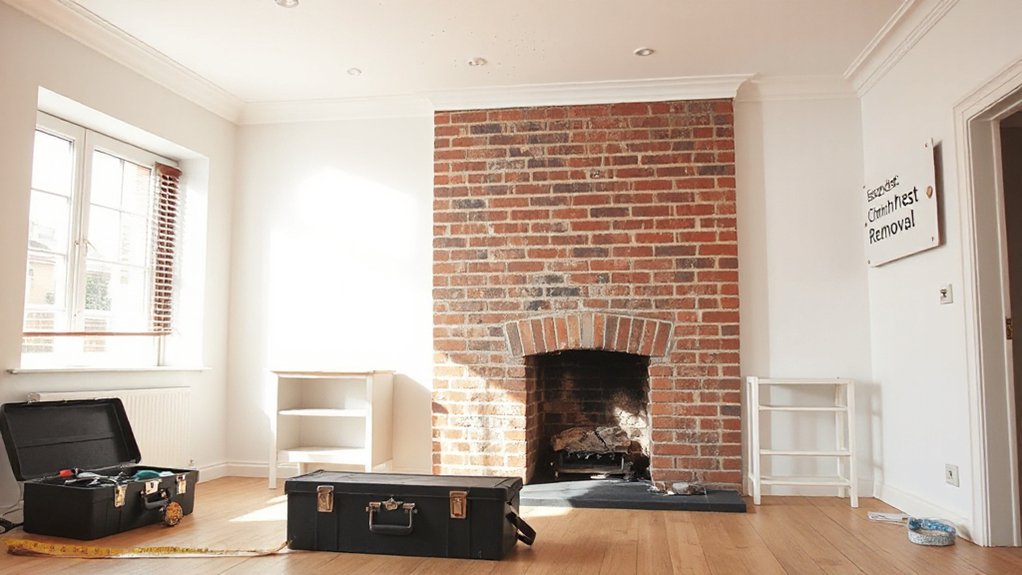
Estimating the base cost of removing a chimney breast in the UK requires accounting for several core factors: the scope of the removal (partial vs. full), structural considerations, and access within the property.
You assess immediate material needs, labor hours, and disposal requirements, then apply a contingency margin for unseen issues.
Partial removals typically cost less than full removals, but may require additional supports or lintel work, while full removals demand careful stack and lintel design, plus potential alteration of joists and plaster finishes.
Structural assessment informs scaffold, dust containment, and demolition sequencing.
Access within the property affects setup time and protection measures for occupants.
Prioritize Chimney safety and compatibility with historical preservation constraints to avoid compromising regulatory compliance or architectural value.
Detailed quotes yield reliable budget projections.
Do I Need Surveys and Permits? What to Know
You’ll need to confirm whether surveys are required and what permits, if any, apply to your project.
Determine which authorities oversee chimney work in your area and what documentation is needed before any removal begins.
This helps avoid delays and guarantees compliance with structural, fire safety, and planning regulations.
Surveys Necessity
Do you need surveys and permits for removing a chimney breast in the UK? Yes, you generally require both surveys and permits before any structural work begins.
A structural survey confirms load-bearing status, identifies hidden defects, and determines alterations needed to preserve safety, compliance, and long-term performance.
You’ll likely need a party wall agreement if neighbours’ walls are involved, and a Building Regulations application to validate method, supports, and fire resistance.
Engage a qualified surveyor and a certified builder to review chimney safety, masonry integrity, and services integration.
Historical significance can influence surveying scope, particularly in listed buildings or conservation areas.
Plan for risk-based inspections, ensure method statements are documented, and align with building control requirements to avoid remediation costs later.
Permit Considerations
Permit considerations: you generally must obtain the correct approvals before removing a chimney breast. In practice, you’ll need structural calculations, party-wall notices if applicable, and building regulations compliance documentation.
Local planning permissions may not be required for interior alterations, but they can be necessary if the work affects heritage features or external appearance.
Engage a chartered structural engineer to verify load paths, and secure a building control inspector’s sign-off for fire safety, hearth enclosure, and fire-rated walls.
You should also confirm party-wall responsibilities under the Party Wall Act, and document any protected features for historical preservation.
Unpermitted work risks enforcement actions, rectification costs, and insurance gaps, undermining chimney safety and property value.
Plan approvals early to avoid delays and ensure compliant, durable removal.
Labour, Scaffolding, and Waste: The Price Breakdowns
You’ll see how labour costs, including skilled trades and project management, shape the overall price.
Scaffolding expenses are itemised by access needs and duration, with safety and delivery charges clearly defined.
Waste disposal details cover removal methods, segregation, and any landfill or recycling fees, tying each line item to the total estimate.
Labour Cost Breakdown
Labor costs for removing a chimney breast break down into three primary components: labour, scaffolding, and waste management.
You’ll allocate the bulk to skilled on-site labour, typically measured by hours or tasks, reflecting complexity, safety risk, and required precision. Labour efficiency, trade familiarity with structural modifications, and adherence to building regulations drive unit rates and total spend.
Scaffolding is a discrete, necessary enclosure for safe access and supports, with costs varying by height, duration, and configuration; expect charges for erection, dismantling, and site containment.
Waste management covers demolition debris, permits, and disposal fees, often influenced by material type and local waste streams.
Chimney design considerations and fireplace alternatives influence labour sequencing, sequencing, and rework risk, subtly shaping overall cost without altering primary components.
Scaffolding Expenses Outline
Scaffolding expenses form a distinct, essential portion of the overall cost to remove a chimney breast, covering erection, maintenance, and dismantling. You evaluate scaffold type, height, and access, then map labour hours to installation and removal cycles.
Scaffolding costs include per-day hire rates, protection nets, edge protection, and load safeguarding, all weighed against project duration and weather risk. You should account for scaffold access complexity around existing chimney stacks, roofline proximity, and neighbour impact, ensuring compliance with safety standards and insurance requirements.
The price breakdown must reflect upfront design considerations for safe work, including scaffold stability and adaptability to chimney design constraints.
Historical significance of site features may influence temporary enclosure or finish choices, while ensuring access remains uncompromised for critical structural tasks.
Waste Disposal Details
Waste disposal costs for removing a chimney breast comprise labour, scaffolding-related waste management, and waste handling charges.
You calculate labour by hourly rates for skilled demolition operatives, including site clearance, debris segregation, and safe removal of combustible materials.
Scaffolding-related components incur charges for erection, on-site containment, and inferior waste segregation zones to prevent contamination of live services.
Waste management covers container hire, loading, and transport to licensed disposal facilities, plus costs for recycling where feasible.
You must account for asbestos or hazardous material assessments if present, as these elevate disposal fees and require certified removal procedures.
In chimney demolition projects, guarantee waste disposal plans specify separation streams, waste transfer notes, and compliance with local authority waste regulations.
Accurate budgeting reduces delays and aligns with environmental and safety standards.
Hidden Costs and Common Repairs You Should Plan For
Hidden costs and common repairs often surprise homeowners after a chimney breast removal, so plan for both predictable and unplanned needs from the outset. When you schedule work, account for additional structural remediation, damp proofing, and insulation upgrades that aren’t always visible during initial surveys.
Hidden costs include extended scaffold access, temporary supports, and fire-stop reinstatement to meet current building codes. You may encounter unexpected repairs such as altered load paths, brickwork repointing, plaster remediation, or ceiling/roofline adjustments to maintain weatherproofing.
Budget for testing, such as carbon monoxide and moisture assessments, to confirm internal air quality remains safe. Document all modifications, obtain written warranties, and align timing with adjacent trades to minimize disruption and avoid cascading price increases.
Maintain a contingency fund for unforeseen conditions that emerge during demolition and stabilisation.
Regional Price Variations Across the UK
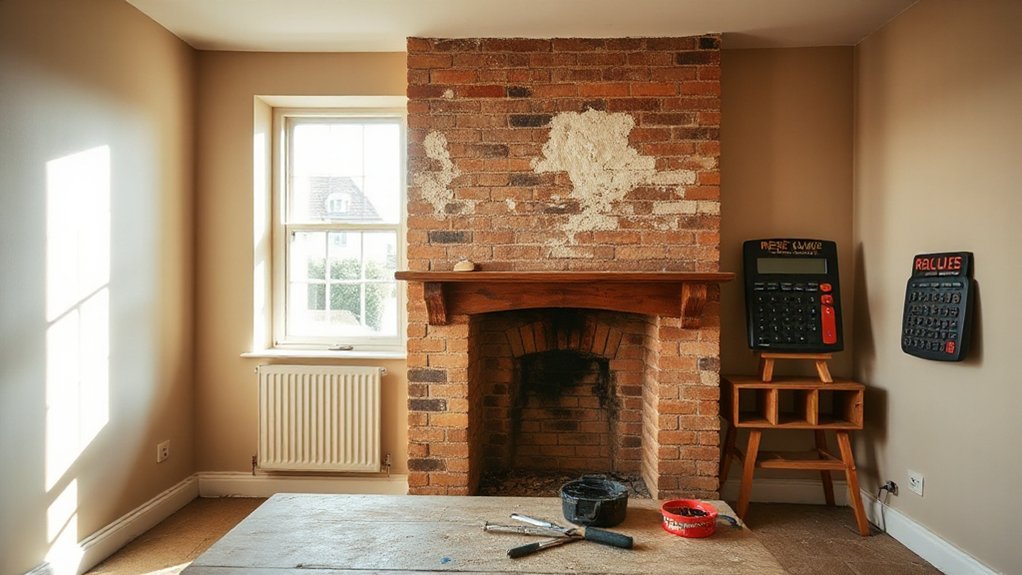
Regional pricing for chimney breast removal varies across the UK due to local labour markets, material costs, and regulatory requirements. You’ll notice substantial differences between regions driven by skilled trades availability, wage standards, and subcontractor competition.
Price bands tighten where regional craftsmanship is concentrated, yielding more predictable labour expenses and efficient workflows. Conversely, areas with limited specialist access experience higher hourly rates and longer project durations, impacting total costs.
Local material costs also shift by supplier competition, shipping distances, and regional procurement practices, influencing core expenses such as lintel replacements, framing, and finish carpentry.
Contracts should specify pricing tolerance for regional variations, including contingencies for supply delays and compliant workmanship.
Understanding these dynamics helps you benchmark quotes against regional norms and anticipate price corridors without assuming uniform national rates.
A Practical Budgeting Checklist for Chimney-Breast Removal
- Define scope and milestones
- Quantify contingencies and approvals
- Monitor approvals, tests, and disposal
Frequently Asked Questions
How Long Does a Chimney-Breast Removal Project Typically Take?
A typical chimney-breast removal project takes about 1–2 weeks, depending on scope and permits. You’ll want a clear chimney removal timeline and project duration estimates, including structural checks, demolition, services rerouting, and final finishing for safety and compliance.
Will Removing a Chimney Affect Home Insurance Premiums?
Removing a chimney can affect insurance; you may see premium adjustments. Insurance implications depend on structural changes and compliance, so your provider could reassess risk. Make certain full documentation; verify that alterations meet building regs to avoid coverage gaps.
Can I Remove a Chimney-Breast Myself Without Professionals?
One in five DIY projects fails due to hidden structural issues, so you shouldn’t remove a chimney-breast yourself. You’ll face DIY risks, structural concerns, and significant safety hazards requiring professional assessment, permits, and proper underpinning or supported removal strategies.
What Decorative Impacts Will Removal Have on Rooms?
Removing a chimney breast will considerably alter your room’s interior aesthetics, creating cleaner sightlines and more flexible layouts. Expect decorative alterations to focus on mantel, cornice continuity, and lighting integration; precise execution maintains structural integrity and cohesive interior aesthetics.
Are There Grants or Incentives for Energy-Efficient Renovations?
Yes, you can access energy grants and renovation incentives for energy-efficient renovations. You’ll qualify based on project scope, installation standards, and energy savings, with detailed eligibility checks and documentation required to maximize funding opportunities and support cost-effective upgrades.
Conclusion
You’ll want clarity before you lift a hammer. Treat each cost as a brick in a solid plan, not a gamble. Survey findings, permits, scaffolding, and waste disposal aren’t extras—they’re the mortar that holds your project together. When regional prices vary, a detailed budget with contingencies keeps you on track. Plan, price, and document meticulously, and your chimney-breast removal becomes a measured, predictable process rather than a volatile, costly deviation from the norm.