Imagine this: a 50-year-old copper system leaks mid-renovation, forcing a re-budget midstream. You’ll weigh fixture types, pipe materials, and scope with precision, because costs hinge on labor hours, regional pricing, and permit fees. For clarity, define priorities, request detailed quotes, and factor contingencies for price swings. Upgrades like high-efficiency fixtures or upgraded piping raise upfront costs but can lower long-term bills. Start with a defined scope to prevent surprises as you move toward completion.
Decide Your Plumbing Priorities: What This Remodel Demands
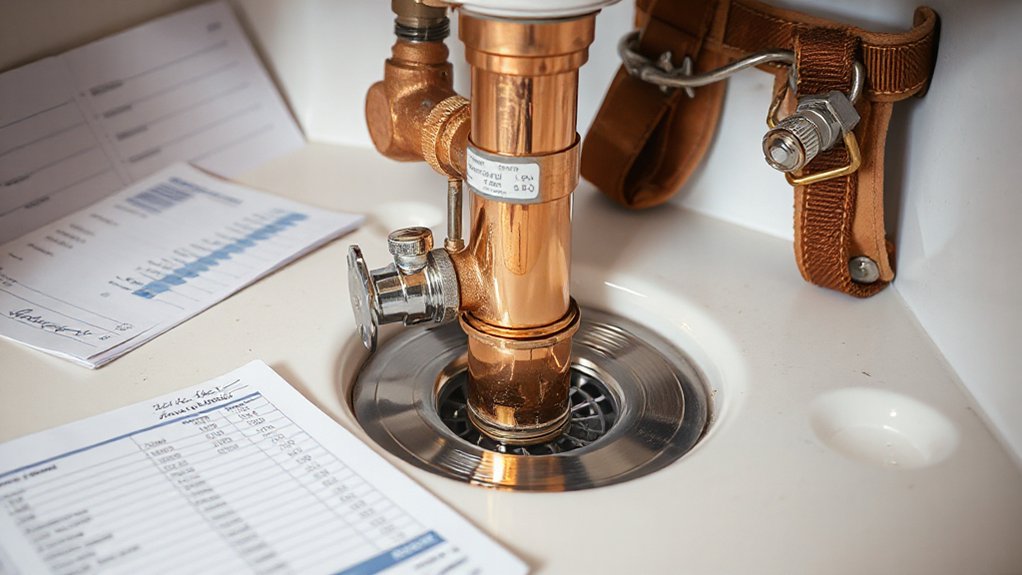
When planning a plumbing-forward remodel, you must identify which systems are non-negotiable and where upgrades will deliver the greatest value. You’ll define priorities by evaluating fixture schedules, pipe routing, and venting constraints, then align them with project milestones.
Focus areas include Plumbing safety, ensuring code-compliant access, backflow prevention, and seismic restraints where applicable.
Prioritize water distribution efficiency, evaluating manifold assemblies, shutoff strategy, and supply-line sizing to minimize pressure loss.
Incorporate Water conservation by selecting high-efficiency fixtures, low-flow toilets, and demand-controlled recirculation if feasible.
Establish baseline performance metrics: fixture unit counts, anticipated demand, and retrofit feasibility.
Document latent risks and required permit scope, plus phasing options for critical paths, enabling precise budgeting and informed trade allocations.
Estimate Plumbing Costs: Step-by-Step Guide
Estimating plumbing costs hinges on translating your priority list into measurable line items: fixture allowances, pipe counts, material grades, and labor hours matched to project phases. You assess scope, align regulatory requirements, and convert selections into quantifiable metrics, ensuring Plumbing safety and fixture selection are verifiable against standards.
Use unit costs, markup bands, and contingency to tighten the estimate, then validate against design documents before bidding. A stepwise approach reduces overrun risk and clarifies sequencing for trades. Accuracy rests on documenting assumptions, inflation forecasts, and site conditions.
- Fixture and accessory inventories with unit prices and delivery lead times
- Diameter, material, and support specifications aligned to code
- Labor hours by trade category and phase, with risk-adjusted allowances
What Drives Plumbing Costs: Materials, Labor, and Region
Material costs, labor hours, and regional variance are the core drivers you must quantify for accurate plumbing budgeting. You calculate material costs by supplier quotes, factoring in fixture types, pipe grades, and corrosion resistance, then apply a contingency for price volatility.
Labor hours hinge on complexity, crew skill tier, and task sequencing, with prevailing wage rates and overtime potential influencing total.
Regional variance reflects permit fees, inspection cadence, and supply chain access, which can shift margins by several percentage points.
You should document unit costs for pipe insulation and fittings, then map schedule-driven labor intensity to deliverable milestones.
Monitor water pressure expectations early to prevent overbuild or undersized runs; miscalibrated mains or branch lines can trigger costly rework.
Conclude with a transparent budget framework and traceable cost drivers.
Upgrades That Affect Your Plumbing Budget

- High-efficiency plumbing fixture selections
- Expanded pipe sizing and routing considerations
- Proactive Pipe maintenance scheduling
Read Quotes, Spot Hidden Fees, and Negotiate
When you’re ready to move forward, read quotes carefully, spot hidden fees, and negotiate with confidence. You’ll compare bids using a consistent cost comparison framework, ensuring line-item parity across labor, materials, and contingencies.
Scrutinize scope definitions—look for ambiguities that could inflate final costs or trigger change orders. Verify supplier selection criteria, including warranties, service levels, and lead times, and demand written terms before signing.
Identify non-included items and request alternate pricing to test competitiveness. Check payment schedules and any early-termination penalties. Request breakdowns for delivery, installation, and surge charges, and confirm compliance with local codes.
Document all verifications, maintain a negotiation posture, and avoid accepting vague assurances. This disciplined approach minimizes overrun risk and supports accurate, transparent project budgeting.
Plan Timeline and Financing for Plumbing Projects
Effective planning for plumbing projects hinges on a realistic schedule and a secured financing plan. You’ll establish a project timeline that aligns with procurement, permit processing, and contractor availability, reducing idle labor costs.
Factor permit issuance, inspection windows, and contingency buffers into your critical path to prevent delays. A formalized budget should distinguish hard costs (materials, fittings, labor) from soft costs (permits, design consultations, contingency).
For financing, you’ll compare terms, confirm draw schedules match milestones, and secure line of credit or project-specific loans before mobilization.
Identify potential emergency repairs and price them as a risk premium within the contingency. Maintain documentation for change orders and warranty coverage to minimize disputes with suppliers and trades.
- Permit timelines and approval milestones
- Contingency planning for emergency repairs
- Financing instruments and draw-down schedules
Frequently Asked Questions
How Do Permits Impact Total Plumbing Project Costs?
Permit regulations and inspection fees can add 10–20% to your total plumbing costs, depending on scope and locality. You’ll pay permit fees upfront, plus potential re-inspection charges, impacting timelines and budget accuracy during project planning and execution.
What Are Common Hidden Costs in Plumbing Remodels?
Hidden fees catch you off guard, you should expect contractor charges creeping in during plumbing remodels. You’ll encounter contingency overruns, permit surcharges, and supplier markups, so budget diligently and review line-item estimates before signing any agreement.
Should I Replace Old Pipes or Only Fix Leaks?
You should replace old pipes if their durability is doubtful, not merely fix leaks; prioritize Pipe durability upgrades and Leak prevention, since long‑term reliability lowers total costs, improves flow, and minimizes nuisance calls, despite higher initial investment.
How Can I Maximize Water Efficiency Savings?
How can you maximize water efficiency savings? Consider water saving fixtures and Efficient plumbing design; you’ll reduce usage and costs. You install high-efficiency toilets, low-flow faucets, and smart metering, achieving precise, industry-standard water reductions for reliable performance.
What Maintenance Costs Occur After Completion?
You should budget annual maintenance: pipe insulation checks for integrity and drainage systems, plus drain cleaning as needed; expect minor service call fees, replacement fittings, and periodic sealant top-offs to sustain efficiency and prevent leaks.
Conclusion
Plumbing remodels hinge on clear priorities, precise estimates, and solid bids. Expect labor to comprise a substantial share of costs, with regional price variation—roughly a 10–20% swing depending on locale—and permit fees adding overhead. An interesting stat: high-efficiency fixtures can cut annual water use by 20–30%, offsetting upfront material premiums over time. Read quotes line-by-line, flag hidden charges, and plan contingencies for price fluctuations. Align timeline, financing, and scope to guarantee code-compliant, timely, and value-enhancing outcomes.