
You’ll avoid costly mistakes by planning upfront—from HMO licensing and safety checks to clear tenancy rules and meticulous record-keeping. Start with a proactive readiness: assess eligibility, gather essential documents, and map license deadlines. Install a centralized system for utilities, deposits, and licenses, with automatic reminders and auditable records. Define transparent rent and fee structures, enforceable house rules, and room-by-room allocations. Stay on top of maintenance budgets and insurance. If you keep going, you’ll uncover even more ways to protect your profit.
HMO Licensing: What You Need to Know Up Front
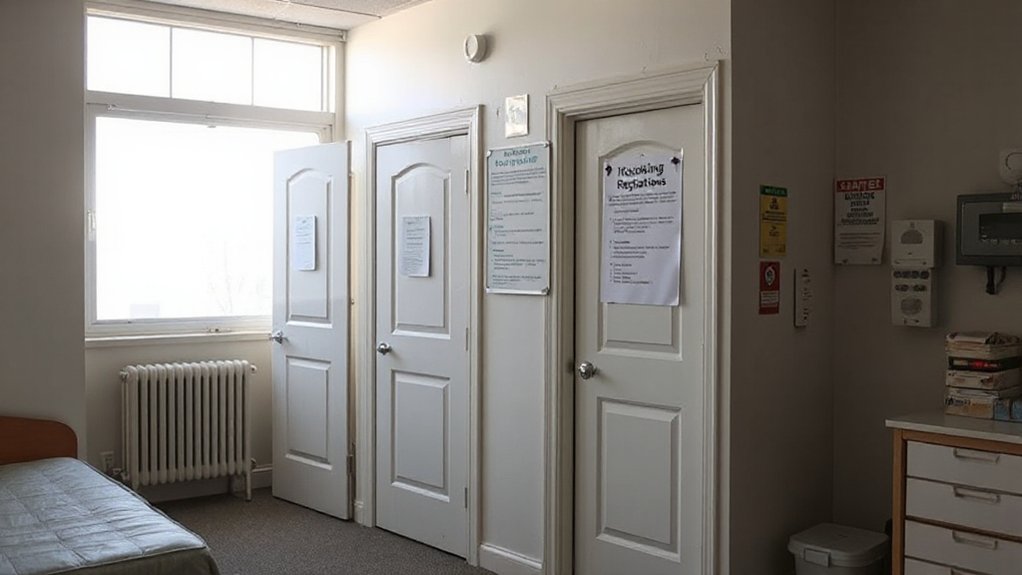
HMO licensing isn’t optional—it’s a gatekeeper that defines who can live in your property and how the space must be managed. You’ll assess whether your property qualifies as an HMO, then identify the licensing body and deadlines, so you avoid delays.
Understand the upfront requirements: correct property size, communal area standards, and room sharing rules that trigger licensing thresholds. Gather documents early—ownership proof, tenancy schedules, gas safety certificates, and energy performance data—to streamline your application.
You’ll map licensing conditions to your plan, ensuring compliant occupancy and rental terms from day one. Budget for license fees, renewal timelines, and inspection expectations, so you don’t hit surprises.
Clear, proactive prep minimizes rework, accelerates rentability, and keeps compliance firmly in sight.
Safety First: Essential Fire and Housing Safety Checks
You must verify Fire Alarm Compliance across all units so every occupant benefits from reliable alerts.
Guarantee Escape Route Clarity by mapping unobstructed exits and clearly posted routes that are easy to follow in an emergency.
Schedule and document Gas Safety Checks now, so gas appliances are safe, serviced, and compliant before tenants move in.
Fire Alarm Compliance
Fire safety hinges on regular, documented checks—weekly visual tests, quarterly audible tests, and annual inspections by a competent person. Keep maintenance logs accessible to inspectors and tenants, so everyone knows when the last test occurred and what was observed.
Choose alarms with the correct standards (EN or equivalent) and establish a replacement cycle aligned to manufacturer guidance. Prioritize alarms in shared spaces and near bedrooms, and guarantee interconnected completion for simultaneous alerting.
This approach supports swift evacuation and minimizes risk during incidents. alarm maintenance, fire safety.
Escape Route Clarity
Clear escape routes keep occupants safe when seconds matter, so every corridor, stairwell, and doorway must be free from obstructions, clearly marked, and well lit.
You audit practical layouts to guarantee a clear line of sight from any room to an exit, without furniture clutter or temporary storage hindering flow.
Marked signage should be high-contrast and glare-free, with floor-backed paths guiding toward the emergency exit.
Check door hardware for easy operation from within, including lever handles and unobstructed swing space in all directions.
Maintain unobstructed access to fire equipment and alarms as a separate priority.
Regularly test exits for operational doors, operable panic hardware, and emergency lighting.
Document findings, assign responsible parties, and schedule rechecks to sustain consistent, compliant escape route clarity.
Gas Safety Checks
During inspections, the engineer tests appliance operation, checks flues, and verifies ventilation, leaving you with a clear report trail. You’ll keep record logs accessible for tenants and regulators, demonstrating ongoing compliance procedures.
Address any faults promptly, isolating affected units if needed to protect occupants. Maintain visible certification posters and ensure CO and smoke alarms are functional across all rooms.
Clear Tenancy Agreements and House Rules
A solid tenancy agreement and a well-defined set of house rules set expectations, reduce disputes, and protect you legally. You’ll present clear terms, outline shared and individual responsibilities, and specify consequences for breaches.
From day one, guarantee each tenant signs, acknowledges, and receives a copy, so lease clarity isn’t left to memory. Your document should cover rent, notice periods, and access rights, plus quiet hours, cleaning duties, and guest policies.
House rules sit alongside the lease but remain enforceable as part of the tenancy. Maintain consistency by applying rules uniformly, documenting violations, and communicating updates in writing.
Prioritise simplicity, precise language, and a logical structure so tenants understand obligations without ambiguity. This approach strengthens Rule enforcement and reduces disputes, safeguarding your HMO’s operation and your bottom line.
How to Draft Policies That Protect Your Profit

You’ll start by setting clear house rules that leave no ambiguity and are easy to enforce.
Next, lock in enforceable lease terms so income and responsibilities are predictable for both sides.
Finally, present a transparent fee structure that avoids surprises and protects your bottom line.
Clear House Rules
Craft rules that are specific, observable, and measurable, avoiding vague statements. Define quiet hours, shared space etiquette, waste disposal, and guest policies with concrete consequences for violations.
Tie rules to safety and compliance—smoke detectors, fire exits, and proper recycling protocols.
Use plain language so tenants grasp duties without ambiguity.
Structure the document with a clear layout: purpose, scope, rules, procedures, and consequences.
Update annually or after incidents, and communicate changes in writing.
When you reference rules in the tenancy, ensure consistency with your lease terms to prevent conflicts and safeguard profitability.
House rules set the standard and steer behavior. tenant behavior.
Enforceable Lease Terms
Draft enforceable lease terms that shield your profits by tying obligations to measurable outcomes and clear consequences. You set precise expectations up front, linking behavior to visible metrics, like rent payments on time, occupancy limits, and maintenance timelines.
Use plain language to describe what happens when targets aren’t met, and specify remedies in the event of breaches, so you avoid disputes later. Focus on clause clarity: define who’s responsible, when duties trigger, and how evidence is gathered.
Include consequences that are proportional and enforceable, such as notice periods, fines, or eviction processes aligned with law. Write drafts with consistency across all rooms to prevent loopholes.
You’ll reduce risk, speed enforcement, and preserve profit margins by standardizing lease enforcement throughout your HMO.
Transparent Fee Structure
What’s the quickest way to safeguard profit while keeping tenants satisfied? Build a transparent, rock-solid fee structure from day one. You define every charge in plain language, list it in the tenancy pack, and publish it prominently in your HMO policy. Fee transparency reduces disputes, boosts trust, and speeds approvals.
Break down costs: rent, utilities, service fees, maintenance reserves, and any discretionary charges. Specify when charges apply, how they’re calculated, and how to appeal errors. Use pricing clarity across communications—offers, renewals, and notices—so tenants never question what they owe.
Include a clear process for fee changes, with advance notice and changeover smoothing. Document the rationale for each fee, and enforce consistently to protect profit without surprises.
Room-by-Room Rent Allocation and License Split Explained
Room-by-room rent allocation isn’t a mystery once you break down the license split. You assign each room’s value to the total property, then map that share to the corresponding licensee.
Begin with a baseline, such as floor area, occupancy potential, and room size, then adjust for amenities and access. This yields a transparent framework for rent distribution, showing how much each tenant contributes toward the whole.
Use a consistent method across all rooms to prevent disputes and simplify renewal talks. Document the calculation clearly and refuse ad hoc changes that erode fairness.
In practice, the license split should reflect actual utility of space, privacy, and convenience, not prestige or negotiation leverage.
Visualize the outcome: a straightforward table, each room, its allocated rent, and the unit’s total.
Utilities, Bills, and Common Area Arrangements
You’ll want clear utility split rules so tenants know what’s theirs and what’s shared. Assign billing responsibility upfront, with transparent meters and predictable invoices.
For common areas, define charging methods that are fair, auditable, and easy to reconcile.
Utility Split Clarity
To avoid disputes and keep rents predictable, clearly lay out how utilities, bills, and common-area costs are split and billed. You should specify what counts as utility use, which units incur charges, and whether sub-metering covers all shared spaces.
Provide exact rates, billing cycles, and methods (monthly, quarterly, or annual). Use plain language to define baseline allowances, thresholds, and any carryover rules for unused credits or shortfalls.
Include how you’ll handle internet, cleaning, and garden power, if applicable, and whether these are included in the rent or charged separately.
Ensure billing transparency by publishing sample invoices and a glossary of terms. This level of Utility clarity reduces confusion and reinforces fair, consistent charges across all tenants.
Billing Responsibility Allocation
Billing responsibility must be clearly assigned from the outset, so every tenant understands who pays for utilities, bills, and shared-area costs and how those charges are shared. You’ll define exact obligations, preventing dispute and delays.
- Billing responsibility: designate which utilities are tenant-facing vs. landlord-provided, and confirm payment timelines.
- Fee allocation: specify how shared-area costs split (equal shares, proportional use, or hybrid) with transparency.
- Invoicing cadence: set consistent invoicing dates, due dates, and late-fee terms to avoid ambiguity.
- Documentation: keep a written schedule outlining responsibilities, charge items, and protest/appeal procedures.
Clear, precise terms reduce friction, support compliance, and establish credible fee allocation practices that tenants trust.
Common Area Charging Method
Effective common area charging requires a clear, enforceable method that links every charge to its source and usage. You implement a transparent framework that ties utilities, maintenance, and cleaning costs to distinct consumption signals. Use submeters or validated estimates for corridors, lobbies, and shared kitchens, then allocate based on measured usage or agreed proportions.
Your charging method should detail timeframes, build cadence, and dispute processes so tenants understand what drives spikes or reductions. Document how you handle seasonal variability, standby costs, and fault charges, with provisions for cap limits to protect affordability.
Visualize the ledger: line items mapped to meters, dates, and unit shares. Keep records accessible, update quarterly, and review promptly after any owner, contractor, or appliance change.
Inventory, Check-In, and Documentation You Can Trust

Inventory, check-in, and documentation aren’t just paperwork—they’re the roots of a smooth HMO. You safeguard tenant privacy and support accurate property valuation by detailing every asset and condition from day one.
Use precise records to prevent disputes and speed up both move-in and end-of- tenancy.
- Create a high-detail inventory with photos, timestamps, and room-by-room notes.
- Conduct a structured check-in walk-through with tenants, confirming and signing off on conditions.
- Store digital copies securely, with versions kept for reference and potential audits.
- Document policies, signatures, and replacements to ensure accountability and quick resolutions.
Maintenance Budget: Planning for Repairs and Replacements
Maintenance budgets aren’t guesswork; they’re a living plan tied directly to the inventory you’ve already built. You map each space to expected lifecycle costs, then translate that into annual and multi-year allowances.
Prioritize routine inspections to identify wear before failure, tagging components by replacement window and cost. Build a predictable calendar: quarterly checks for plumbing, semiannual evaluations of electricals, annual HVAC servicing, and appliance refreshes aligned to manufacturer cycles.
Reserve a contingency line for unseen issues, scaled to unit count and age. Track variances meticulously, adjusting projections as conditions change.
Maintain transparent tenant communication to set expectations, document findings, and align repair timelines with lease terms. Your budget becomes a proactive tool, reducing chaos and safeguarding property value.
Financial Forecasts: Cash Flow, Contingencies, and Profitability
Cash flow is your backbone: it shows when money comes in from rents, when it leaves for debt service, maintenance, and replacements, and how reserves cover gaps. You’ll chart projected rents, vacancies, and timing of repayments to gauge sustainability, contingencies, and profitability.
Precise financial planning aligns occupancy assumptions with capex needs and debt covenants, so you’re never surprised by shortfalls. Visual dashboards illuminate trends and risk buffers, helping you act before issues escalate.
1) Aligns rents, vacancies, and expenses into a single cash flow model
2) Adds contingency lines for repairs, capex, and interest-rate shifts
3) Quantifies profitability through net cash flow and return metrics
4) Uses ongoing updates to refine forecasts and decision-making
Insurance and Liability Coverage for HMOs
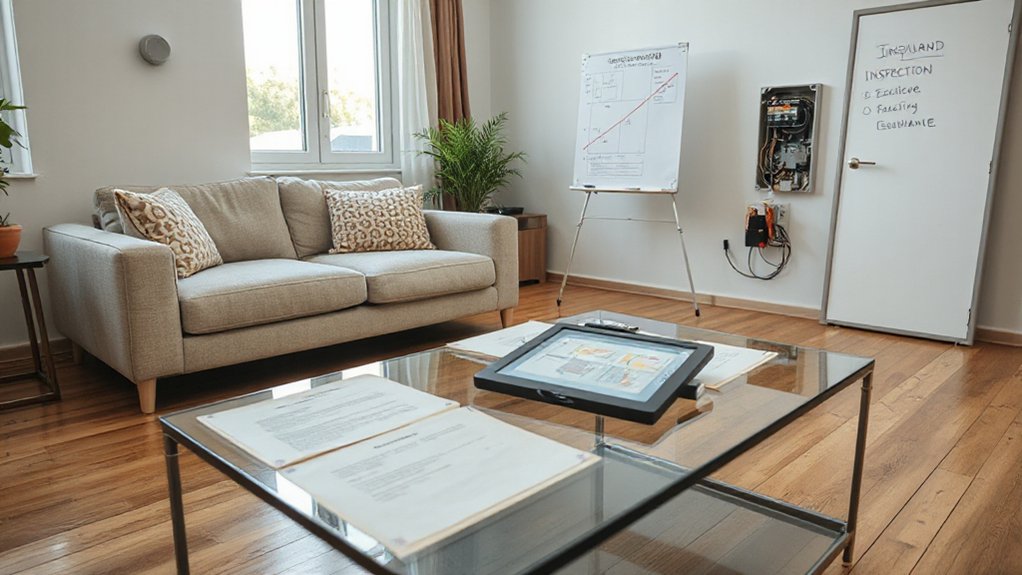
Insurance and liability coverage protects you when incidents affect multiple units, lenders, and tenants. In an HMO, you must align policy scope with property layout, the number of occupants, and shared facilities.
You’ll want a robust landlord policy that covers building, contents, and public liability, plus additional covers for loss of rent and malicious damage. Verify if your lender requires specific endorsements or a block policy; guarantee compliance with local HMO regulations to avoid gaps.
Insurance pitfalls often hide in exclusions, inflated claim thresholds, or underinsured parameters, so read carefully and ask for rider options. Clarify liability misconceptions: tenants’ actions can still impact your liability, and proper indemnity limits protect you from multi-unit claims.
Plan ahead, review annually, and document coverage decisions.
Tenant Screening: Fairness, Compliance, and Best Practices
Tenant screening isn’t a box-ticking chore; it’s a risk-management tool that protects your HMO’s performance and compliance. You’ll balance fairness with policy and stay within legal bounds, using clear screening criteria to compare applicants consistently. Your approach should articulate tenant rights upfront, ensuring transparency and dignity throughout the process.
1) Establish objective screening criteria and apply them uniformly
2) Verify income, employment, and reference checks without bias
3) Document decisions with rationale aligned to policy and tenant rights
4) Review data sources for accuracy and legality, updating as needed
Ongoing Compliance, Audits, and Record-Keeping Habits
Ongoing compliance, audits, and meticulous record-keeping are the engines that keep an HMO running smoothly and within the law. When you implement a tight cycle of checks, you reduce risk and boost performance.
You establish a primary cadence for safety inspections, gas and electrical tests, and tenant documentation renewals, so nothing lapses.
Build a centralized system for utilities, deposit handling, and license status, with automatic reminders and clear ownership.
In audits, your evidence should be precise, auditable, and accessible, not scattered.
Maintain ongoing compliance by documenting decisions, updates to policies, and training records.
Prioritize record keeping: organize receipts, maintenance logs, and tenancy agreements with version control.
This disciplined routine lowers enforcement exposure and sustains long-term profitability.
Frequently Asked Questions
How Often Should I Renew HMO Licenses and Certificates?
You should renew HMO licenses and certificates every year, or as your local authority mandates. You’ll streamline processes with tenant screening and clear Lease agreement terms, ensuring compliance, safety, and consistent documentation across renewals.
What Is the Minimum Room Size Requirement for HMOS?
You’ll need at least 6.51 square meters for a single room and 10.22 for a double under Room size regulations, with occupancy limits respecting space. Think of it as a ship’s cabin: safe, navigable, clearly defined.
Can I Charge Different Rents for Tenants in Same Property?
Yes, you can, but you must guarantee fairness and legality. Rent differentiation must align with tenancy agreements, room sizes, and facilities, documented clearly; otherwise you risk disputes. Keep precise records, transparent terms, and compliant tenancy agreements for each tenant.
How Should I Handle Guest Policies Without Discrimination?
Guest screening protects you—privacy policies keep tenants comfortable. You’ll enforce clear guest rules, documentled in writing, apply consistently, and avoid discrimination; you’ll notify changes promptly, review policies regularly, and respect privacy while maintaining safety and compliance.
What Records Are Required for Annual HMO Compliance Checks?
You’ll need annual HMO compliance records including gas safety certificates, electrical inspections, fire risk assessment, and tenancy schedules. Confirm tenant screening is documented and property maintenance logs are current, accurate, and readily accessible for inspectors.
Conclusion
In short, you’ll prosper by balancing precision with pragmatism. Don’t overlook licensing and safety basics, or you’ll pay later with penalties and repairs. Yet don’t drown in paperwork—clarity and consistency beat complexity every time. Juxtapose risk and reward: stringent controls protect tenants and profits, laxity erodes both. You’ll win by clear tenancies, fair screening, solid policies, and thorough record-keeping, while staying agile to audits and market shifts. The right setup today preserves your bottom line tomorrow.