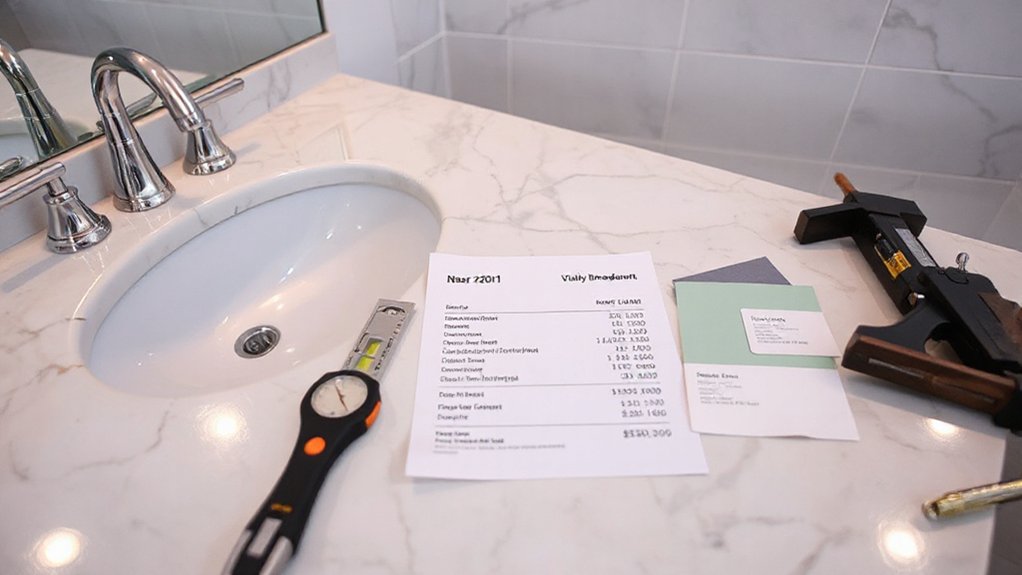
A complete bathroom renovation is driven by four cost levers: foundations, fixtures, layout changes, and material quality. Start with foundations and rough plumbing, then plan fixtures (toilet, sink, shower/tub) and layout tweaks that affect traffic flow and accessibility. Budget by stage: rough work 20–30%, fixtures/finishes 25–35%, and contingency 10–15%. Expect hidden fees for permits, disposal, and change orders. For savings, choose standard sizes, durable but cost‑effective materials, and prefabricated components. Curious about exact numbers and timelines? You’ll uncover them next.
What Drives Bathroom Renovation Costs (Foundations, Fixtures, and Layout Choices)
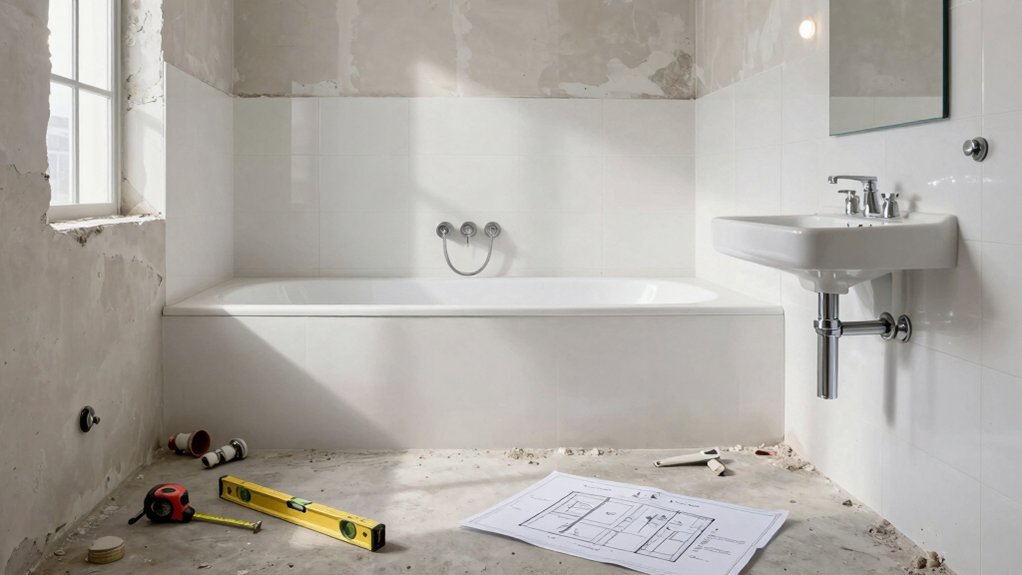
Upfront, the total cost of a bathroom renovation is driven by three core factors: foundations (plumbing, electrical, and structural elements), fixtures (toilet, sink, shower/tub, cabinets), and layout choices (reconfiguration of space, door swings, and ideal traffic flow).
You optimize value by measuring each category’s impact on performance and durability. Foundations set the ceiling on budget and schedule; upgrades here reduce long-term maintenance while enabling future features.
Fixtures define daily utility and perception of space; selections drive ongoing operating costs and aesthetics.
Layout choices maximize efficiency, safety, and accessibility, with precise door swings and traffic paths shaping workflow. Prioritize bathroom lighting and tile patterns as core design levers, aligning them with practical tasks and visual focus to command outcomes.
This disciplined approach preserves control, clarity, and measurable ROI.
Budget by Stage: Realistic Ranges and Timelines
Breaking a bathroom renovation into stages clarifies cost and schedule expectations and helps you align decisions with funding, permitting, and contractor availability. Stage-based budgeting translates total project cost into actionable milestones, enabling precise cash flow and contingency planning.
In the design phase, allocate 5–10% for concept refinement and permits, then earmark 20–30% for rough plumbing, carpentry, and demolition, followed by 25–35% for fixtures, finishes, and tiling, and reserve 10–15% for unexpected issues.
Timelines should reflect reality: planning (2–4 weeks), demolition and rough work (1–3 weeks), installs (2–4 weeks), final touches (1–2 weeks).
Prioritize DIY techniques where safe and legal, saving labor costs, and choose eco-friendly materials to balance budget with long-term value and durability.
Schedule buffers to maintain momentum and accountability.
Major Components Impacting Price: Fixtures, Plumbing, and Structural Work
Fixtures, plumbing, and structural work are the primary cost drivers in a bathroom renovation. You’ll quantify each category to forecast totals, then map them to decision points.
Fixtures influence upfront spend: toilets, sinks, showers, tubs, and cabinet hardware vary by quality, finish, and water efficiency.
Plumbing costs scale with layout changes, water lines, venting, and code upgrades.
Structural work captures wall reconfiguration, framing, waterproofing, and substrate repairs.
You’ll optimize by selecting standard sizes, modular components, and proven manufacturers to minimize waste and delay.
Budget attention should also include bathroom accessories and ventilation improvements, as they affect installation time and comfort post-renovation.
Document expected labor hours, material lead times, and warranty terms to maintain control and align with strategic goals.
Hidden Fees to Expect and How to Plan for Them
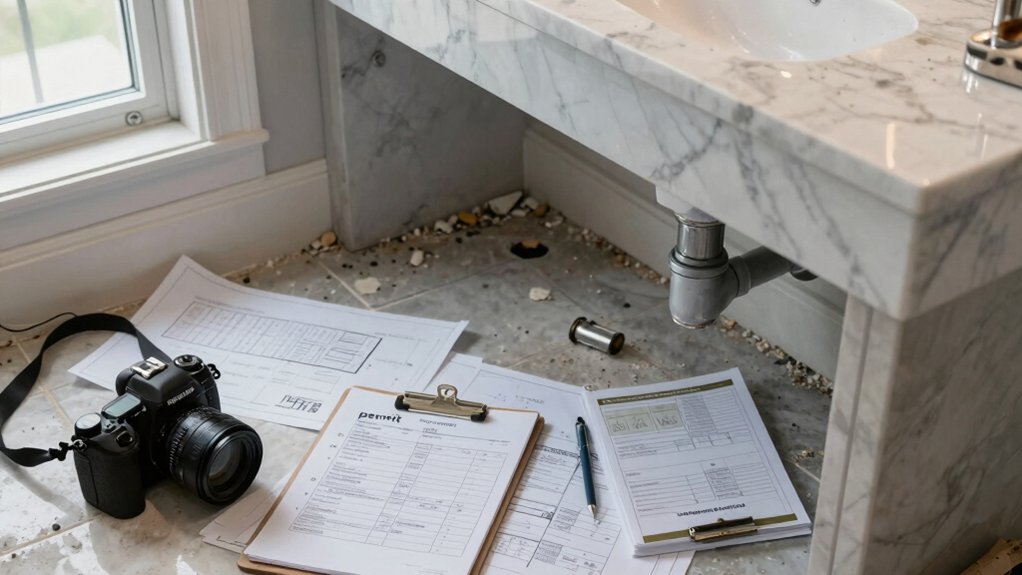
Hidden fees often emerge after a renovation begins, but you can anticipate and plan for them by mapping contingencies to your budget. You’ll identify common sources of hidden fees and quantify risk with a disciplined framework.
Start with a 10–15% contingency for unexpected costs, then document potential overruns by trade, subcontractor changes, or scope adjustments. Track change orders meticulously, verifying pricing, timing, and impact on milestones.
Build allowances for permits, inspections, material substitutions, and disposal fees that aren’t initially visible. Require transparent estimates with line-item detail and reserve funds for escalation in materials or labor.
Regular audits of invoices prevent overbilling, while a parallel risk register highlights where hidden costs may arise. Your proactive stance converts uncertainty into measurable protection against unexpected costs.
Optimize the Cost Mix: Labor vs. Materials
You can optimize your renovation by weighing Labor Cost Tradeoffs against Material Savings Tactics to tighten the overall budget. Start with a data-driven split that targets 60% labor and 40% materials for typical bathrooms, then test alternative mixes to see impact on total cost and schedule.
Use a balanced Budget Allocation approach to decide where to invest more, where to cut, and how changes affect quality and timeline.
Labor Cost Tradeoffs
Labor costs often drive the overall renovation budget, yet they can be more effectively managed by balancing labor intensity with material choices. You optimize value by matching skilled labor hours to specific tasks, avoiding over-specified scopes, and selecting compatible finishes.
Prioritize systems where substitution lowers cost without harming performance, such as streamlined field conditions and modular components. A precise bill of quantities reveals where labor dominates; redirect toward cost-effective alternatives when quality remains constant.
Cabinet styles influence install time and precision tolerance, so choose styles with predictable fit and standard components. Tile patterns affect layout complexity and grouting effort; simpler, repeatable patterns reduce labor risk.
Document tradeoffs with data, quantify impact on crew hours, and target a balanced, scalable approach to labor versus materials.
Material Savings Tactics
To optimize the cost mix, focus on material savings that don’t compromise performance. You’ll prioritize durable basics and measured upgrades, aligning cost with value.
Compare lifecycle costs: eco-friendly materials often reduce long-term maintenance and replacement cycles, delivering lower total expense despite higher upfront price.
Seek certifications and standardized sizes to minimize waste and expedite installation. Favor modular components that fit common dimensions, enabling easier sourcing and faster trades mobilization.
Minimize bespoke finishes; choose timeless, low-maintenance surfaces with proven stain and water resistance.
Pair materials with efficient installation methods to reduce labor hours without sacrificing quality.
Track material waste, recycling options, and supplier incentives to capture hidden savings.
Embrace minimalist design to trim superfluous details, maintaining performance while lowering procurement and logistics costs.
Balance Budget Allocation
Achieving the right balance between labor and materials hinges on aligning scope, quality, and timelines with total lifecycle cost. You optimize the cost mix by quantifying each component’s impact on durability, maintenance, and resale value.
Rule of thumb: allocate 60/40 toward value-enhancing labor and materials, then test scenarios with sensitivity analyses. Prioritize high-impact luxury upgrades where workmanship drives performance, and reserve premium materials for critical interfaces to reduce replacement cycles.
Compare bid ranges for installers against material costs, and model total cost of ownership over 10–15 years. Favor eco-friendly materials that deliver comparable performance at lower long-term energy and disposal costs.
Track waste, lead times, and defect rates to sustain predictability. This disciplined approach yields predictable budgets, faster decision cycles, and superior results.
Financing, Timelines, and Scheduling to Keep the Project on Track
You’ll establish clear financing milestones, align them with project phases, and set contingency budgets to absorb cost swings.
Track timelines with measurable targets and weekly progress updates to keep trades synchronized and avoid idle phases.
This structured approach minimizes delays, supports cash flow, and keeps the bathroom renovation on track.
Financing Milestones Timelines
How will you keep your bathroom renovation on track financially and on schedule? You’ll map Financing Milestones Timelines with precision, tying cash flow to project phases. Establish a hard-cap budget for each milestone: design approval, permitting, demo, plumbing, electrical, tile, and fixtures. Allocate contingency—typically 10–15%—for unexpected costs and supply delays.
Align lender draw requests to verifiable milestones, ensuring equity stays ahead of expenditures. Implement a rolling timeline: baseline dates, revised forecasts, and weekly variance reviews. Track costs against baselines in real time, highlighting variances and implementing corrective actions immediately.
Favor sustainable decisions that stabilize long-term value: sustainable materials reduce future replacement costs, eco-friendly fixtures lower operating expenses. Maintain disciplined change control to preserve both schedule integrity and financial sovereignty.
Scheduling To-Stay On Track
To keep a bathroom renovation on schedule and within budget, map financing milestones to project phases and enforce strict cost baselines for design approval, permitting, demo, plumbing, electrical, tile, and fixtures. You’ll set tight buffers for each phase, quantify risk, and track variances weekly.
Allocate contingency only after validating baseline inputs, and require quick sign-offs to unlock subsequent tasks. Schedule accuracy hinges on prefabricated components, on-site coordination, and clear vendor SLAs, with daily progress dashboards.
Prioritize decisions on custom fixtures and tile patterns upfront to prevent rework. Implement change-control gates that suspend work until financial sufficiency and scope alignment are confirmed.
Review performance data against targets every morning, adjust resource loads, and maintain momentum without sacrificing quality or safety.
Practical Ways to Save Without Sacrificing Quality
There are practical ways to trim costs in a bathroom renovation without sacrificing quality. You should anchor decisions to data: compare unit costs, labor hours, and lifecycle values before committing to fixtures.
Prioritize durable materials with low maintenance, and select standard sizes to reduce customization fees. Eco-friendly options often yield long-term savings through efficiency, while still meeting performance targets.
Reuse or reface existing cabinets when structurally sound, and choose quartz or porcelain where appropriate for durability and cleaner long-term costs.
Schedule phased purchases to leverage bulk discounts and avoid premium rush charges.
Consider aesthetic considerations that align with universal design, ensuring accessibility without adding complexity.
Track energy and water usage reductions to validate ROI, and document outcomes to justify future upgrades.
Frequently Asked Questions
How Do Permits Affect Total Bathroom Renovation Costs and Timeline?
Permits add cost and stretch your timeline: expect review fees, potential inspector charges, and possible delays from code compliance. The permit process can extend your timeline, causing timeline delays, but protects quality and final value. Plan contingencies accordingly.
What Initial Red Flags Indicate Overcharged or Low-Quality Work?
Like a red flag flipping in the wind, you spot overcharged or low-quality work through unlicensed contractors and poor craftsmanship; you’ll verify licenses, request detailed quotes, compare materials, inspect workmanship, and demand written warranties and milestones.
How Do Regional Material Price Differences Impact Budgeting?
Regional pricing and material costs shift budgets: you’ll see higher variations on tiles, fixtures, and labor across regions; anticipate 10–30% swings, build contingencies, compare suppliers, and lock in quotes early to preserve control over overall costs.
Which Hidden Costs Commonly Surprise Homeowners During Demolition?
Hidden fees and unexpected expenses commonly bite you during demolition, including debris disposal surcharges, dust containment costs, permit delays, and structural surprises. You should budget contingencies, track invoices meticulously, and negotiate fixed-rate quotes to protect cash flow.
How Does Bathroom Size Influence Cost-Per-Square-Foot Calculations?
Tiny surprises? Your bathroom dimensions drive cost-per-square-foot; larger spaces spread fixed costs, smaller rooms concentrate them. As renovation scope grows or shrinks, expect proportional, data-driven shifts in price per square foot for precise budgeting.
Conclusion
You’ll steer a complex maze of decisions, where each fixture, pipe, and tile is a domino in your budget’s delicate choreography. Track costs like a seasoned navigator, weighing labor against materials, and anticipate hidden fees before they surface. Align timelines with reality, and let financing options shape your pace—not pressure you. With disciplined planning, your renovation becomes a measured poem: efficient, durable, and beautifully on budget, turning a cluttered bathroom into a clearly mapped, high-value space.