Renovating a maisonette—especially with an extension—involves disciplined budgeting across materials, labor, and permits, with contingencies for hidden issues. You’ll map scope, timeline, and required professional fees before estimating each cost bucket, from structural work to moisture control and VAT implications. Stay methodical: compare trades, confirm contracts, and track variances as you advance. The next steps reveal how to translate plans into a reliable budget and practical savings without compromising quality.
Set Your Maisonette Budget: 8 Essential Steps
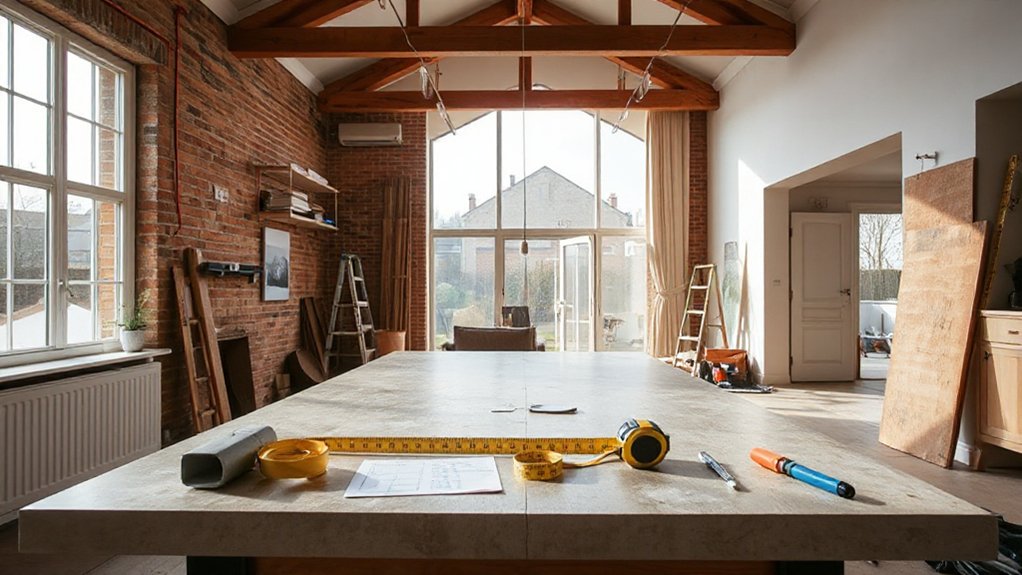
Setting a realistic budget for your maisonette starts with a clear scope: list all spaces to renovate, identify required extensions, and prioritize must-haves over nice-to-haves.
You then translate scope into a quantitative plan, assigning unit costs, contingencies, and timing. Begin with interior lighting requirements, detailing fixture types, control systems, and energy targets, then estimate installation and any recessed housing or dimming quiet zones.
Next, map Landscaping design needs for exterior zones, drainage, plant palettes, and hardscape integration, quantifying materials and labor.
Apply a phased approach: define fixed costs, variable costs, and escalation buffers for each task.
Build a procurement calendar, reserve 10–15% for unexpected changes, and align monitoring checkpoints with monthly reviews.
Guarantee documentation supports value tracking, risk assessment, and transparent communication across stakeholders.
Prioritize cost-visible decisions that preserve functional outcomes.
Structural Extensions: Costs, Planning, and Timelines
Structural extensions demand a disciplined, data-driven approach that aligns design intent with structural feasibility. You assess load paths, material grades, and site constraints before committing to any plan.
Costs hinge on foundation strengthening, temporary supports, and alignment with existing framing. Planning timelines depend on permit complexity, structural calculations, and utility routing.
Roof extension feasibility affects drainage, headroom, and insulation strategies, so you quantify impact early.
Budget conservatively for site disturbances, inspection stages, and contingency allowances. Coordinate with engineers and builders to mitigate surprises, and document every assumption for permits and approvals.
Timeline buffers reduce delays, while performance targets guide design refinement.
- Foundation strengthening considerations set the baseline for safe load transfer
- Clear permit milestones prevent miscommunication and rework
- Structural calculations guide material choices and sequencing
- Roof extension implications drive insulation and waterproofing decisions
- Contingency planning sustains progress amid site variability
Kitchen and Bathroom Upgrades: Fixtures, Finishes, and Delivery
You’ll start by selecting fixtures and fittings with performance, durability, and water efficiency in mind, since choices here directly affect both usability and long-term costs.
Delivery timing can shift project milestones and cash flow, so you’ll map lead times to sequencing of trades and appliances.
We’ll assess how material availability and supplier schedules influence overall budgeting, scope, and completion dates.
Fixtures and Fittings Choices
Selecting the right fixtures and fittings for kitchens and bathrooms is critical because these choices define performance, durability, and aesthetics. They also influence installation timelines and delivery logistics.
You will compare materials, finishes, and compatibility, then document performance expectations for both moisture-prone zones and high-use surfaces. Prioritize corrosion resistance, valve reliability, and safe operation, while aligning with local building codes.
Lighting fixtures and fittings selection should emphasize glare control, energy efficiency, and easy maintenance. Establish a rational sequence for supplier approvals, order lead times, and site-ready installations to minimize retrofit risks.
- Precise material choices that balance cost and longevity
- Efficient, low-maintenance lighting fixtures suited to zones
- Durable fittings selection for wet areas
- Harmonized finishes to match design intent
- Clear, trackable delivery and installation milestones
Delivery Timing Impacts Costs
Delivery timing directly shapes total project costs for kitchen and bathroom upgrades by affecting material prices, freight charges, and labor scheduling. You’ll notice that longer lead times raise unit costs as suppliers adjust prices for demand, bulk orders, or scarce components.
When delivery windows compress, expedited freight and premium handling become necessary, increasing your overall spend. Construction delays propagate through the schedule, forcing you to adjust subcontractor availability and tool rental days, which adds labor overhead and idle time.
Material availability drives changes in substitutions or backorders, potentially altering finish sets, fixtures, and warranties. Plan around stable delivery rails to minimize price volatility, and confirm contingency buffers for critical items.
Document delivery commitments, track changes, and align orders with phased installation to control costs.
Damp, Insulation, and Moisture Control: Essential Fixes
Damp, insulation, and moisture control are critical to a successful maisonette renovation, because unseen moisture can undermine structural integrity and comfort. You address this by diagnosing sources, selecting proven materials, and installing robust systems that perform long-term.
Precision matters: framing, membranes, and seals must align with climate, occupancy, and layout. Implement damp prevention strategies at every junction—walls, roofs, and floors—before finishing. Moisture barriers are your first line of defense, paired with continuous drainage and ventilation to sustain dry environments.
- Identify latent moisture hotspots and map remediation steps
- Install vapor-permeable/impermeable layers as appropriate
- Seal penetrations, joints, and interfaces meticulously
- Integrate continuous insulation with air barriers
- Verify systems with moisture load testing and airflow checks
Permits, Surveys, and Professional Fees to Expect
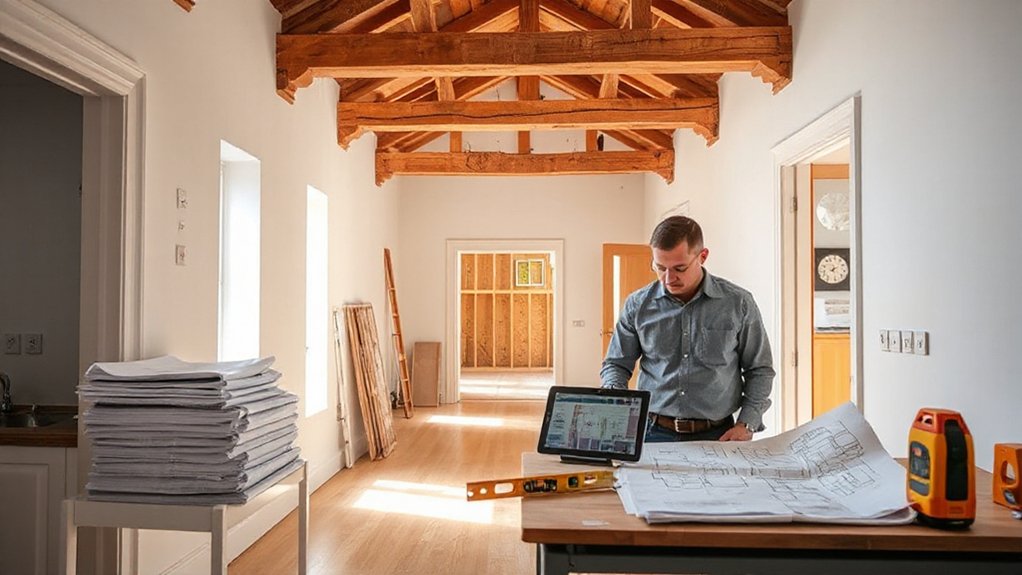
You’ll begin by outlining the permit process steps, from pre-application to final approvals, so you can anticipate timelines and requirements.
Next, you’ll summarize survey requirements, including boundary, layout, and structural assessments, to verify compliance and accuracy.
Finally, you’ll present a clear breakdown of professional fees—architects, engineers, and planning consultants—so you can budget with confidence.
Permit Process Steps
Obtaining the necessary permits begins with a clear map of requirements and timelines, then proceeds through site surveys, plan reviews, and fee allocations. You’ll navigate regulatory checkpoints with methodical precision, tracking submittals, revisions, and approval milestones.
Expect clear delineation of responsibilities among authorities, designers, and constructors, plus documented decisions on scope and modifications. Building permits, Site surveys, and related fees form the backbone of compliance, while professional fees cover plan preparation, coordination, and inspection readiness.
Timelines tighten when design changes occur, so you’ll need prompt responses to reviewer comments. Maintain organized records to reduce delays and ambiguities. Communicate proactively to align expectations, budget impacts, and inspection windows.
- Clear milestones you can monitor
- Transparent cost and fee structure
- Timely plan revisions and responses
- Coordinated submissions with authorities
- Confidence through thorough documentation
Survey Requirements Overview
Survey requirements are the backbone of permitting, surveys, and professional fees, and they set the framework for accurate cost estimates and timely approvals. You’ll begin with a documented scope of work, identifying required surveys, timelines, and deliverables.
Clarify whether a cadastral survey, topographic map, or boundary re-establishment is needed, aligning with your project’s setbacks and height restrictions. Expect fieldwork to establish property boundaries precisely, with control points and datum references recorded for auditability.
The process includes professional qualifications, corner markers, and documentation suitable for planning authority submittals. Fees accrue from survey accuracy checks, data integration into building plans, and potential amendments after a review cycle.
Anticipate additional costs for encroachment resolution, easements, or rezoning notes that affect your permitted footprint.
Professional Fees Breakdown
When planning a Maisonette renovation, you’ll map the fees that drive total project cost: building permits, required surveys, and the fees charged by licensed professionals.
Professional fees breakdown is precise and essential. Permit costs reflect scope, local authority charges, and application timelines. Surveys verify boundaries, phase delineation, and structural conditions, informing design compatibility.
Architect and engineer fees cover concept, documentation, and compliance, typically scaled to project size and complexity. Project management guarantees schedule alignment, procurement, and coordination between trades.
Notable inclusions are interior lighting and home automation consultations, which influence wiring plans and control strategies early in design. Contingencies account for unseen revisions, reducing delays.
- Clear scope, fixed milestones, and predictable fees
- Timely permit readiness, avoiding hold-ups
- Thorough surveys reducing design risk
- Licensed oversight ensuring compliance
- Integrated lighting and automation planning from outset
Trades and Labour: Rates, Contracts, and Risk Management
Effective management of trades and labour costs hinges on selecting reliable contractors, establishing clear rates, and enforcing robust contracts that cap risk.
You establish baseline unit costs, then benchmark against market norms to detect anomalies early.
Contract negotiations focus on payment terms, progress milestones, and allowances for variations, with a clear escalation path for disputes.
You require detailed scope definitions, calendars, and performance criteria to protect schedule integrity and cash flow.
Labour productivity is tracked via standard outputs per worker hour, enabling you to adjust crews or shift patterns before overruns occur.
You implement risk-sharing clauses, including insurance coverage, liability limits, and subcontractor warranties, so exposure remains controlled.
Regular performance reviews feed into future pricing, reducing uncertainty and fostering predictable project execution.
Financing, VAT, and Value: Maximising Value for Money
Financing arrangements must be structured to align cash flow with project milestones, minimize interest costs, and preserve liquidity for contingencies. You optimise value by selecting financing options that balance upfront equity with staged drawdowns, aligning with construction progress to avoid carrying costs.
VAT implications influence cash flow: understand reclaim timelines, partial exemptions, and how VAT on materials impacts total cost. Implement a modular finance plan that anticipates price volatility and currency risk where relevant, and document contingency funding to shield value.
Monitor discounts for early payment and supplier terms to improve overall cost efficiency.
- Align moments of cash outlay with concrete milestones
- Leverage staged financing to reduce carrying costs
- Leverage VAT planning to minimize timing gaps
- Capture supplier discounts through timely payments
- Maintain a liquidity reserve for unforeseen changes
Practical Cost-Saving Strategies That Preserve Quality
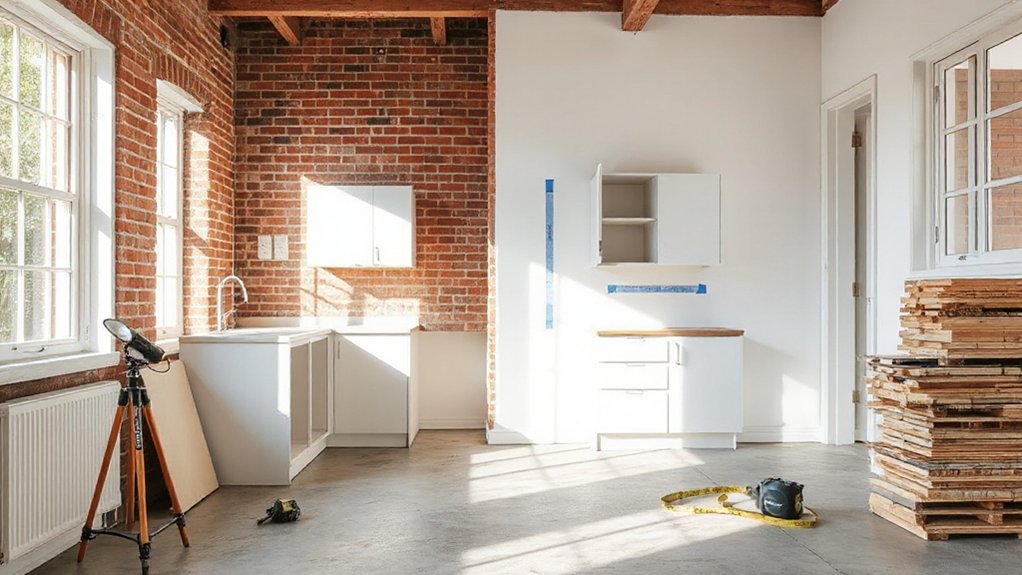
Smart procurement and disciplined project management can cut costs without compromising quality. You’ll standardize components across rooms to reduce supplier variety, enabling bulk pricing and easier maintenance. Rigorously validate designs against performance briefs to avoid mid‑stream changes that inflate risk and expense.
Opt for phased procurement: lock in prices for critical trades early, then stagger non‑essential purchases. Prioritize durable, low‑maintenance finishes and modular assemblies that fit multiple spaces.
Evaluate interior lighting for energy efficiency and long‑term savings, selecting high‑efficacy fittings with simple wiring to minimize labor. Favor sustainable materials with proven lifecycle performance; this reduces future replacement costs and disposal impact.
Document decisions, rates, and tolerances to limit scope creep. Maintain transparent cost‑tracking dashboards, enabling timely corrective actions without sacrificing quality expectations.
Frequently Asked Questions
How Long Does a Maisonette Renovation Typically Take Start to Finish?
A typical maisonette renovation takes about 8–16 weeks start to finish, depending on scope. You’ll plan, permit, and coordinate trades; interior lighting and flooring upgrades should be scheduled early, with phased inspections to minimize disruption and guarantee quality.
What Hidden Costs Commonly Surprise Homeowners During Extensions?
Hidden fees and unexpected expenses commonly surprise you during extensions, such as permit delays, scaffolding costs, soil tests, utility reconfigurations, damp protection, and temporary accommodation; you should budget contingencies and review contracts for precise, itemized charges.
Do Planning Permissions Apply to Minor Interior Alterations?
No—planning permissions generally don’t apply to minor interior modifications, but you must confirm with your local authority. You’ll still need to document interior modifications, and beware planning exemptions that sometimes cover certain non-structural changes.
How Do You Balance Design Goals With Budget Constraints?
You balance design goals with budget constraints by applying design compromise and budget prioritization, prioritizing essentials first, then alternatives. You assess trade-offs, quantify costs, set measurable targets, and document decisions to maintain technical rigor and project feasibility.
What Maintenance Costs Emerge After Completion and Handover?
Maintenance costs after completion include routine Maintenance schedules, inspections, and timely Emergency repairs. You should schedule annual servicing, track wear, budget for replacements, and promptly address faults to minimize long-term damage and keep systems functioning reliably.
Conclusion
You weigh bright ambitions against tight budgets, and the tension reveals clarity. Juxtapose expansive extensions with lean upgrades: expansive spaces entice, lean budgets discipline. You plan permits beside proposals, trades beside timelines, and costs beside contingencies. Precision guides choices—materials, moisture control, and VAT impact, all within risk-managed contracts. Ultimately, you balance value with quality, cost with furnace-fire timing, and dream against constraint, ensuring a resilient maisonette that feels larger for less.