End-of-terrace homes reward careful planning with light, flow, and character, but extensions must balance footprint, daylight, and urban constraints. You’ll want a framework that prioritizes mezzanines, light wells, and indoor–outdoor connections while choosing durable, low-emission materials. Start by mapping sightlines, privacy, and noise buffers, then test how small, strategic moves can expand living areas without compromising facade integrity. The next step reveals how these choices scale with planning rules and neighbor dynamics, shaping a cohesive upgrade.
Why End‑Of‑Terrace Homes Excel for Light and Flow
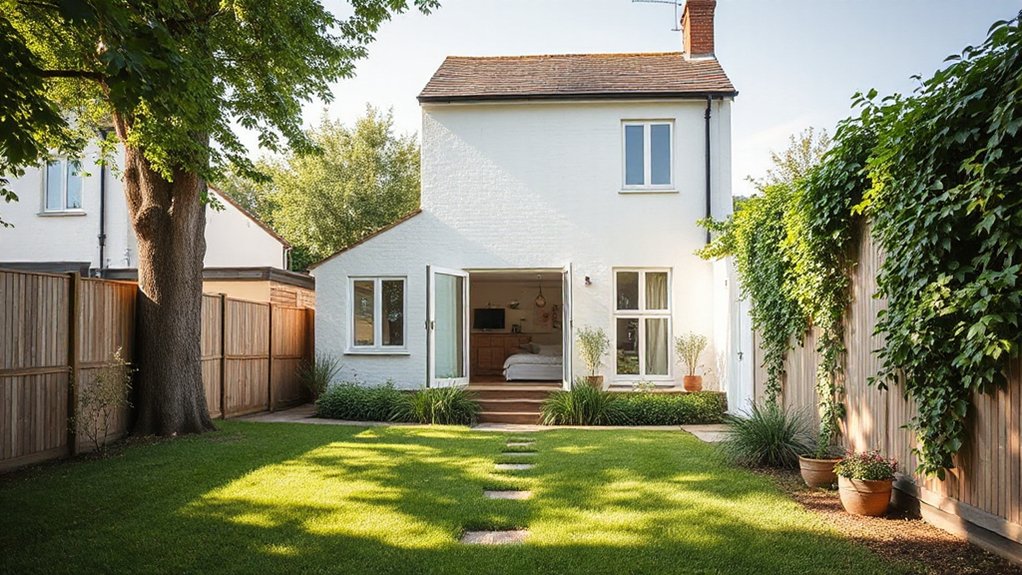
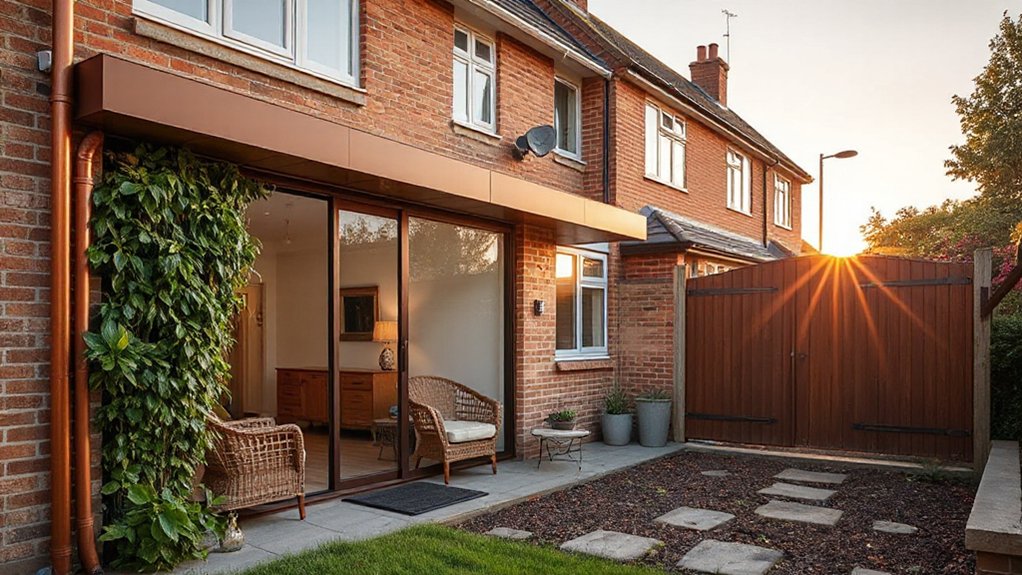
End-of-terrace homes inherently maximize light and airflow due to their exposure on one side and removal of neighboring walls on two façades. You’ll feel the effect in daylit rooms that read as continuous interiors, with fewer interior obstructions and longer sightlines.
The configuration supports generous cross-ventilation, especially when you pair operable sash windows with strategically placed vents. From a design perspective, you optimize window placement, glazing ratios, and slender reveals to preserve thermal comfort without sacrificing daylight.
Historical preservation considerations guide you to maintain exterior rhythm while improving performance through discreet upgrades. Neighborhood integration remains central: light and airflow enhancements should respect adjacent facades and the street’s character, so you contribute to a cohesive streetscape rather than disrupt it.
How to Plan Character‑Respecting Extensions
When planning extensions that respect a building’s character, start by clarifying what defines its essential language—material palette, proportion, roofline, and fenestration rhythm.
You then map existing details you must preserve and identify where you can responsibly introduce contemporary systems. Prioritize weight, scale, and alignment with neighboring façades to maintain facade harmony.
Assess historic materials, detailing, and craftsmanship, selecting compatible substitutes that aging structures can accept without cliché differentiation.
Design extensions to read as a deliberate continuation, not a pastiche, using restrained ornament and honest materiality.
Plan for durable, reversible interventions and avoid overdeveloping sightlines that erode rhythm.
Integrate heritage preservation goals with modern needs, ensuring service routes and daylighting reinforce architectural legibility while preserving the townscape’s character.
Adding Mezzanines for Height Without Footprint
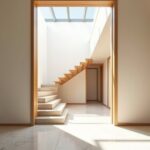
Mezzanines can boost usable height without expanding the footprint, but their success hinges on precise integration with existing geometry and structure. You should evaluate ceiling height, load paths, and the location of services to avoid conflicts that compromise safety or sightlines.
Begin with a clear functional brief: what activities will occupy the mezzanine, and how will access occur? Mezzanine flooring must meet local standards for live loads, with edge protection that maintains flow and avoids claustrophobic zones.
Consider railings, headroom, and stair geometry to minimize disruption to the ground floor. Prioritize lightweight, modular framing that reduces structural impact while delivering rigidity.
Use design details that emphasize clean lines and material continuity to support vertical expansion without compromising spatial coherence.
Brightening Interiors With Light‑Wells and Skylights
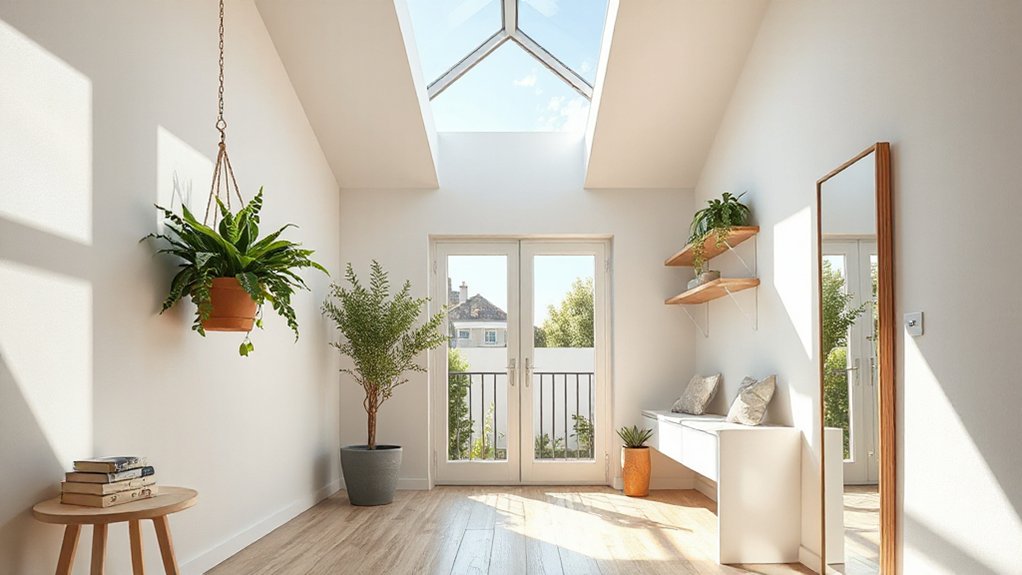
Skylights and light-wells can dramatically brighten a narrow interior by harvesting daylight from above and channeling it into deep-plan spaces. You assess orientation, ceiling height, and roof form to maximize daylight capture without creating glare or overheating.
Position skylights to skim work areas and circulation paths, pairing with light shelves to bounce light farther inward. Use light-wells to break long corridors, delivering vertical illumination that reduces reliance on artificial lighting during the day.
Specify low-iron glazing to minimize color distortion and plan for intakes that avoid solar heat gain peaks. Integrate window treatments that modulate brightness seasonally—motorized shades for summertime diffusion, blackout options for evenings. Pair with task and ambient lighting strategies to preserve color accuracy and spatial perception.
Navigating Permissions for End‑Of‑Terrace Extensions
Before you start, map the approvals landscape for end-of-terrace extensions in your area, since permissions hinge on local planning, building codes, and party-wall agreements. You’ll assess authorities, notice periods, and submission requirements before sketching options.
Begin with planning permissions: confirm whether your project requires a full planning application or falls under permitted development or local design guides.
Next, examine building regulations to verify structural, fire, and insulation standards, plus sustainability targets.
Identify party-wall issues early: engage neighbors, determine rights, and document any licenses or protections that affect layout, massing, or entering adjacent spaces.
Cross-check with local design standards to avoid redesigns.
Finally, assemble a clear permit timeline, risk register, and decision criteria to guide design choices toward compliant, functionally integrated extensions.
Budget‑Friendly Materials That Age Well
Consider timber-look composites for decking or cladding that mimic natural grains with reduced warping, paired with breathable membranes to prevent moisture buildup. Choose low-VOC paints in muted tones to preserve a restrained streetscape while allowing future updates.
Vintage finishes add character without demanding high upkeep, and Eco friendly options reduce embodied energy and waste. Use modular assemblies to ease repairs and future retirements of worn sections.
Plan for repairability, not perfection, so replacements blend seamlessly and extend the usable life of your project.
Designing Terraces and Outdoor Spaces for Seamless Indoor–Outdoor Flow
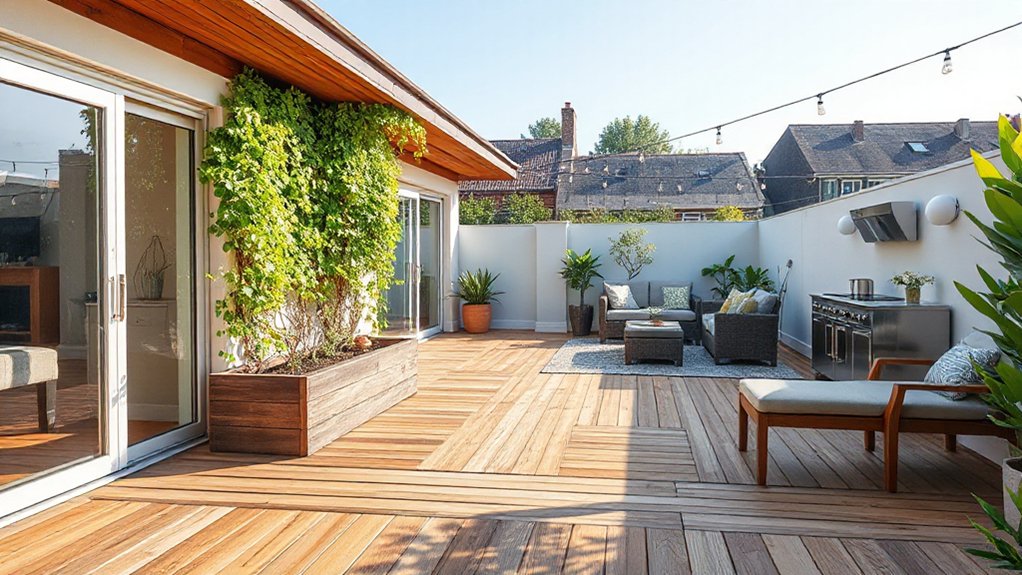
Prioritize a unified palette of materials and textures—think subtle links between flooring, trim, and built-ins—to minimize visual gaps. When choosing garden furniture, select pieces with consistent scale and weather performance that don’t interrupt movement between zones.
Integrate privacy screens where necessary to manage permeability without breaking connection, using them as design devices rather than barriers. Edge details should be crisp, with drainage and seating considered as extensions of interior furniture plans.
Finally, guarantee lighting layers reinforce orientation, safety, and a sense of collected outdoor living.
Practical Details That Boost Daily Living and Value
You’ll optimize daily comfort by prioritizing intuitive layouts and easy-access zones that reduce friction in routine tasks.
Smart space utilization, with flexible storage and multi-functional interfaces, keeps clutter low while supporting life’s rhythms.
Choose durable materials that endure daily use and maintain value, guiding practical decisions from the entry to the rear extension.
Maximizing Daily Comfort
Even small adjustments can noticeably elevate daily comfort in an end-of-terrace home because practical details shape how you move through and use the space. You should prioritize seamless circulation and tactile, climate-responsive finishes that reduce fatigue and visual clutter.
Assess room scales, door swing, and storage access to minimize friction in daily routines. Garden integration should be treated as an extension of living zones, aligning thresholds, lighting, and ventilation with habit patterns to sustain a calm, breathable environment.
Prioritize energy efficiency in core systems—insulation, glazing, and efficient heating—so comfort isn’t sacrificed by cost concerns.
Optimize acoustic privacy between adjoining rooms and the street, ensuring predictable thermal and light performance.
Use durable, low-maintenance materials that retain comfort and appearance with minimal upkeep.
Smart Space Utilization
Prioritize multi-functional furniture and built-in storage to reduce clutter and visual noise. Choose smart furniture that folds, stacks, or tucks away, converting spaces for work, dining, and relaxation with minimal effort.
Implement space saving techniques like under-stair drawers, wall-mounted desks, and recessed shelving to maintain clean planes.
Apply consistent material and color logic to extend perceived space, avoiding heavy contrasts that shrink rooms.
Plan lighting to enhance depth—layered ambient, task, and accent schemes prevent dim corners.
Finally, schedule brief, iterative tests of layouts to confirm that movement remains fluid and occupancy feels intentional.
Durable Material Choices
Durable materials matter as your end-of-terrace home endures daily use and evolving needs. You should prioritize materials that perform reliably over time, reducing maintenance cycles and rework. Start with structural and load-bearing elements, selecting low-slip, abrasion-resistant finishes for floors and durable sheathing for walls.
Emphasize predictability: choose consistently manufactured components with documented performance. Favor sustainable materials that minimize life-cycle impact while preserving integrity, such as recycled or rapidly renewable options, provided they meet strength standards.
For exterior zones, opt for weather resistant surfaces that resist moisture ingress and UV degradation, preserving façade continuity. Inside, install surface materials that tolerate humidity and impact without frequent replacement.
Balance aesthetics with durability, ensuring detailing that prevents water intrusion and simplifies future upgrades.
Frequently Asked Questions
How Long Does Approval Typically Take for Terraced Extensions?
Typically, planning permissions and building regulations take 8–12 weeks for terraced extensions, though details can vary. You’ll curb delays by submitting complete plans, consulting early, and coordinating with your planning authority and building control throughout the process.
Can End-Of-Terrace Homes Add a Basement Without Losing Light?
You can add a basement, but light loss is likely unless you optimize light infiltration with slender windows, light wells, and reflective surfaces; guarantee basement ventilation is robust to avoid damp, while maintaining a bright, habitable space.
What Are Hidden Costs of Mezzanine Additions?
Mezzanine costs hide like cellar spirits, demanding careful accounting; hidden expenses emerge in permits, structural tweaks, and insulation. You assess every trade, plan contingencies, and track momentum, ensuring design integrity while you minimize surprises and protect long-term value.
Do Light-Well Installations Affect Neighbor Privacy?
Light-well installations can affect neighbor privacy, you should expect potential privacy concerns from increased light penetration. Assess sightlines, consider screening or adjustable louvers, and document feasibility to minimize intrusion while preserving daylight without compromising your design goals.
Are Sustainable Materials Always Compatible With Character Homes?
Sustainable materials aren’t always compatible with character homes. You should assess Historical preservation goals and Material compatibility early, balancing modern performance with stylistic integrity, ensuring detailing respects heritage while enabling durable, low-impact design that preserves overall street appeal.
Conclusion
As you adapt an end‑of‑terrace home, you become the unseen architect of light and rhythm. You’ll strike a balance between character and modern function, like a quiet composer tuning a piano—every panel, every skylight, every privacy screen in harmony. The result isn’t just space saved; it’s a narrative of place and purpose, an everyday design virtue you live, breathe, and refine. In light, you find your footprint; in space, your lasting signature.