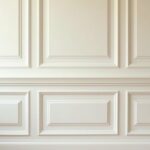
To nail a modern look with DIY wall paneling, you’ll want sleek, flat panels or bold profiles with tight seams and clean lines. Think about your color, lighting, and texture balance, then map a budget-friendly plan that fits your space. With the right tools and a simple step-by-step approach, you can transform walls into a stylish focal point—yet the best part is that the tweaks you make next could shift the whole vibe, and you’ll see why momentum matters.
How to Choose Modern Wall Paneling Styles
Choosing the right modern wall paneling style starts with your room’s vibe and practical needs. First, assess your space: ceiling height, wall dimensions, and existing architectural details.
If you crave clean lines, opt for large, flat panels with tight seams to create a minimalist backdrop. For warmth and texture, consider beadboard or tongue-and-groove panels in a light stain.
To emphasize architecture, use bold profiles like shiplap with wide boards or oversized raised panels on focal walls. Color matters: light neutrals brighten small rooms, while deep tones add drama in larger spaces.
Installation style matters too; consider inset panels for a refined look or edge-to-edge panels for a seamless finish. Finally, think maintenance and finish—paint, stain, or lacquer—so your choice stays timeless.
Plan Your Design: Color, Lighting, and Texture Balance
To plan your design, start by balancing color, lighting, and texture so panels read well from every angle.
Begin with a neutral canvas or a single bold shade, then layer accents that echo architectural features. Use color to guide rhythm: larger panels take calmer tones, accents pop with contrast.
Lighting should enhance depth—wall washers create sculptural shadows, while warmer bulbs soften edges.
Texture adds interest without clutter; pair smooth surfaces with a restrained pattern or grain.
Consider proportion: repeat a motif every few panels to unify the wall without feeling forced.
Test samples at room brightness, not just showroom lighting.
Keep lines clean and joints tight so texture and color stay intentional.
Avoid clutter; let panels speak with deliberate restraint.
What Tools and Materials You’ll Need on a Budget
If you’re on a budget, start with the essentials and expand as you go; you’ll get better results by prioritizing quality over quantity.
For tools, pick a basic set: a adjustable wrench, tape measure, utility knife, carpenter’s pencil, speed square, level, and a cordless drill with bits. You’ll save by choosing versatile, mid-range blades and a single framing square that covers multiple tasks.
Materials-wise, buy pre-primed panels, simple trim, and self-adhesive foam if you’re sticking to flat layouts. Opt for a decent caulk gun and painter’s tape to minimize cleanups.
Don’t overbuy fasteners—finish nails and wood screws in common sizes will handle most jobs.
When possible, borrow specialty tools or rent, then return promptly to keep costs low.
Focus on fit, finish, and personal safety.
Install Modern Wall Paneling: Step-by-Step Tutorial
Ready to transform your space? Start by marking a level baseline across the wall. Measure, snap a chalk line, and cut panels to fit height and width.
Dry-fit first to ensure clean joints, then remove and apply adhesive or fasteners as recommended for your panel type. Attach from bottom to top, staggering seams for a seamless look, and use a level frequently to maintain straight rows.
Nibble around outlets with a router or jigsaw, then seal edges with caulk to prevent gaps.
Install trim or quarter-round to hide gaps and to finish corners, keeping everything flush.
Wipe excess adhesive, wipe down panels, and allow proper cure time before painting or staining.
Finally, caulk baseboards and touch up color for a polished, modern reveal.
Common Paneling Issues and Quick Fixes
Common paneling can look great, but it isn’t immune to issues. You’ll notice gaps where panels meet windows, corners, or uneven walls. Fix small gaps with matching caulk and a steady hand; wipe excess for a clean edge.
If panels bow, don’t force screws; loosen, adjust, and re-seat, then secure with proper fasteners.
Peeling veneer? Sand lightly, re-adhere with construction adhesive, and clamp until set.
Nail pops and squeaks come from shifting studs; locate with a stud finder, drive nails flush, and fill with matching compound.
Taps or creaks in dry areas may signal moisture behind panels—address humidity, re-seal seams, and reconsider paneling over damp sections.
Regular cleaning and occasional touch-ups keep the look crisp and long-lasting.
Conclusion
You’ve got the basics, so go ahead and pick a sleek panel style, pick a color that makes the room feel bigger, and plan your lighting to highlight the joints. With tight seams and simple hardware, your walls become a modern focal point without breaking the bank. Tidy, confident installs—and you’re done. If you hit a snag, fix it fast and keep the lines clean. You’ve got this.