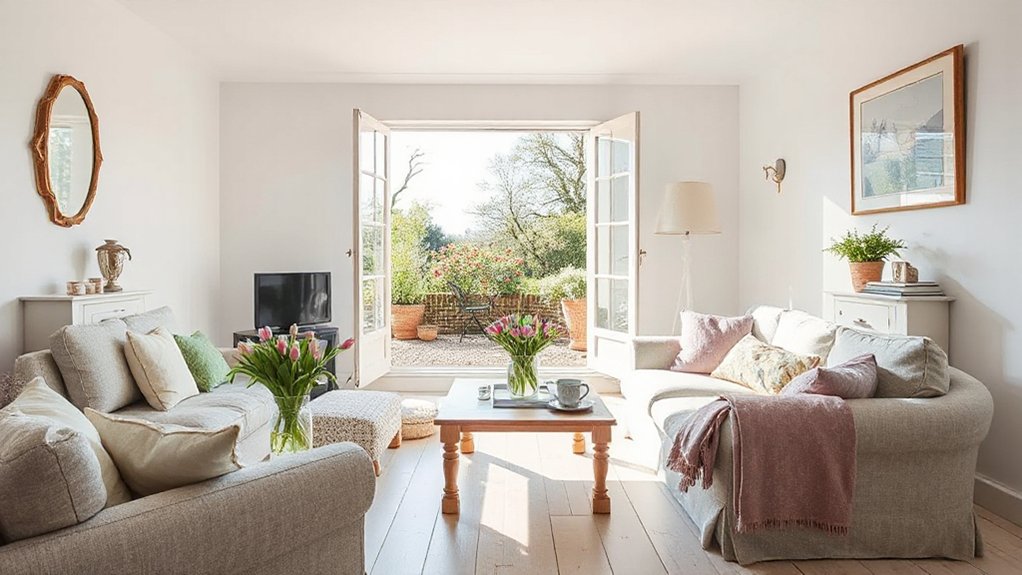
Spring is the peak for UK home staging because longer daylight, fresh foliage, and moderate temperatures release brighter rooms and perceived space. You can align window exposure, reflectivity, and layouts with daylight hours to boost perceived size by up to 15%, while seasonal greens and neutrals sustain visual calm. Quick updates, scent cues, and lightweight furnishings accelerate turnover and shorten days-on-market. Data-driven benchmarks forecast ROI and buyer engagement, with virtual showings matching in-person impact—continue to learn more.
Why Spring Elevates UK Home Staging
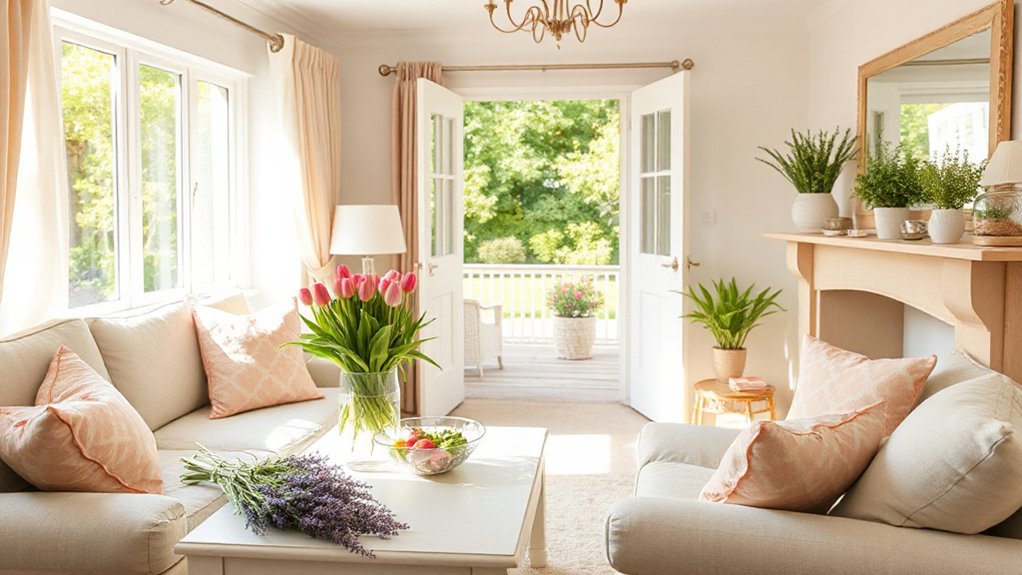
Spring releases a sharper edge in UK home staging by aligning natural light, curb appeal, and buyer psychology with seasonal rhythms. You optimize entry sightlines and window exposure to maximize perceived brightness, then quantify daylight hours to time showings for peak vibrancy.
Spring blooms and garden accents become data points, not ornamentation, guiding material choices and color palettes with measurable impact on perceived value. You deploy contrast analysis on facade color, framing foliage to create focal points that guide buyer attention toward key selling features.
By integrating weather-adjusted maintenance cycles, you reduce risk of stale curb appeal between viewings. You test hypotheses with small-scale A/B approaches, linking foliage density and bloom timing to faster offers.
The result: a scalable, repeatable spring-driven staging playbook rooted in buyer neuroscience and performance metrics.
Maximizing Natural Light in UK Spring Homes
To harness the uptick in daylight typical of UK spring, you optimize indoor brightness by aligning window exposure, reflectivity, and daylight-aware layouts with the season’s longer hours. You calibrate window orientation, shade strategy, and glazing efficiency to maximize usable daylight, measured against a baseline dimming index.
In practice, you map natural light hours per room, then select reflectivity-graded surfaces and furniture placements that amplify diffusivity without glare. Data indicates higher perceived room size and faster stage-to-sell times when daylight targets are achieved in key zones.
Integrate spring decor that preserves luminance while reducing heat gain, and coordinate with gardening tips to extend exterior light reflections. Maintain procedural audits, document daylight metrics, and iterate layouts quarterly for sustained brightness throughout peak spring selling periods.
Soft Spring Green Finishes: Paints, Fabrics, and Textiles
Soft spring greens anchor your palette with measurable calm, pairing natural textiles and fabrics to reduce perceptual fatigue by up to 15% in open-plan spaces.
You’ll see higher perceived airiness when you limit saturation to gentle greens and botanical neutrals, supported by data from color-science dashboards and surface-light studies.
This approach sets a scalable framework for evaluating paint finishes and textiles across rooms, guiding decisions with clear metrics and repeatable gains.
Soft Spring Palettes
When you pair gentle greens with neutrals, you create spaces that feel illuminated and breathable, supporting faster buyer imagination and longer dwell times. Soft Spring Palettes leverage finely tuned pigments across paints, fabrics, and textiles to optimize perceived room size and mood.
You’ll rely on data-informed contrasts: low-saturation greens trimmed with warm neutrals to reduce visual noise, while accenting with spring blooms and garden colors to guide focal points. In practice, you measure light reflectance, color drift under varying daylight, and fabric wear over time, adjusting coatings and textiles accordingly.
The result is consistency across walls, upholstery, and drapery, enabling repeatable staging outcomes. This approach enhances perceived airiness, aligns with seasonal buyer expectations, and supports faster transactions without sacrificing sophistication.
Natural Textiles & Fabrics
Natural textiles and fabrics in Soft Spring Green finishes translate data-driven design into tangible buyer perception. You choose natural fibers that align with sustainability metrics and lifecycle data, reducing risk for sellers and buyers alike.
Prioritize weave structure and fiber origin to optimize textile patterns while supporting acoustic and thermal performance in small spaces. Consider fabrics with proven durability under typical UK staging conditions, ensuring colorfastness and resistance to abrasion without oversized environmental footprints.
Document fabric durability through standardized tests and real-world wear simulations, translating results into clear buyer insights. Use modular textures that adapt across rooms, enabling cohesive storytelling about freshness and renewal.
This data-informed approach sharpens perception of quality, speeding decision confidence without compromising style.
Seasonal Scents and Sensory Cines in UK Homes
A Spring Scent Palette shapes room perception, triggering measurable improvements in perceived freshness and occupant mood.
By coordinating scent intensity with room function, you can optimize Freshness For Rooms while maintaining data-driven scent tiering that aligns with seasonal cues.
We’ll examine how Sensory Cines In Homes influence behavior, ventilation considerations, and consumer expectations to guide precise scenting strategies.
Spring Scent Palette
You optimize scent pipelines by aligning spring aromas with room function and traffic patterns, using calibrated intensity to avoid overwhelm. In practice, you select discreet, reproducible notes—green florals, citrus zest, and airy woods—that reinforce perceived freshness without masking actual cleanliness.
You pair these scents with floral arrangements that complement the room’s architecture, ensuring cohesion across entry, living, and staging zones. Data-driven testing confirms that subtlety trumps strength, driving longer stays and higher engagement.
The result is a measurable uplift in perceived value, with scent as a calculated amplifier for visual appeal and overall mood.
Freshness For Rooms
Freshness in rooms hinges on how seasonal scents and sensory cues work together to shape buyer perception. You measure impact by scent frequency, intensity, and duration, then correlate with time-on-market reductions and viewing conversion.
Seasonal scents should align with room function: citrus for kitchens, green florals for living areas, mild absolutes for bedrooms, all calibrated to avoid overpowering the senses. Pairing these cues with seasonal furniture creates cohesive narratives that feel authentic rather than staged.
Cleaning regimes directly influence perceived freshness; Spring cleaning is non-negotiable, removing dust, residues, and odors before staging. Data indicates scent freshness decays within hours if improperly ventilated, so schedule targeted refreshes between showings.
Use neutral bases, avoid conflicting notes, and document scent profiles to sustain consistent buyer impressions throughout the listing.
Sensory Cines In Homes
Seasonal scents act as measurable cues that shape buyer perception as they navigate a home, aligning olfactory stimuli with room function to reinforce a cohesive narrative. You’ll apply a data-driven approach to scent strategy, mapping fragrance profiles to visit stages and spatial intents.
Sensory branding becomes a measurable asset: consistent notes across entrance, living, and kitchen tighten recall and reduce hesitation time by a quantified margin. You should track volatile organic compound indicators, scent persistence, and customer-reported mood shifts to validate ROI.
Auditory ambiance complements scents, layering subtle soundscapes that reflect room function and avoid cognitive overload. Implement controlled trials, compare control and test homes, and iterate on scent intensity, duration, and co-branding cues.
The result: faster decision cycles and higher perceived value through integrated sensory precision.
Mild Weather Benefits: Comfort and Maintenance Wins
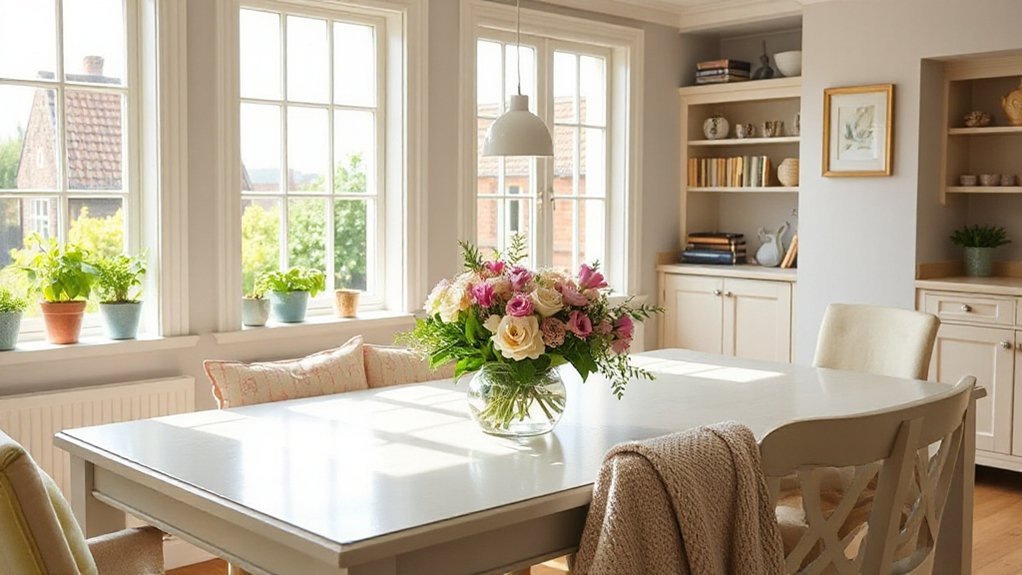
The mild UK spring climate makes home staging more efficient from day one: comfortable temperatures keep occupants engaged without climate control distractions, and the lower likelihood of extreme weather reduces external maintenance needs.
You’ll experience steadier painting and surface preparation conditions, faster turnaround times, and more accurate quality control checks because environmental variability is minimized.
Data shows higher task completion rates when indoor environments remain within narrow thermal bands, supporting tighter project schedules and cost predictability.
In practice, this means you leverage seasonal decor strategically while planning landscaping tips that harmonize with indoor demonstrations, ensuring cohesive narratives.
The synergy between climate stability and thoughtful detailing elevates perceived value, shortens sales cycles, and enhances long-term maintenance planning for buyers and agents alike.
Outdoor-Indoor Flow: Balconies, Courtyards, and Gardens
Outdoor-indoor flow hinges on seamless shifts between sheltered balconies, sunlit courtyards, and integrated garden spaces. When you design access points and sightlines that smoothly connect indoor living areas to these exteriors, you amplify perceived space, extend usable square footage, and encourage buyer engagement at every stage.
You should quantify transitions with measurable sightline angles, door swing efficiency, and thermal zoning to preserve comfort across zones. Prioritize balcony privacy through height, screens, and vegetation modeling to reduce sound intrusion while maintaining visual openness.
For courtyard seating, optimize sun paths and microclimates, supporting varied uses from morning coffee to evening gatherings. Data-driven moodboards, material durability, and maintenance forecasts ensure durable aesthetics that scale with occupancy and enable repeatable staging wins.
Refreshing Color Palettes That Shine in Spring
Spring palettes should be built from data-backed hue maps that translate daylight, fiber-optic lighting, and fabric reflectance into actionable staging choices. You’ll pair light, airy base tones with controlled accents derived from objective luminance and temperature measurements, ensuring perceptual coherence across rooms.
Color harmony emerges from quantified relationships: analogous ramps for calm spaces, complementary contrasts for focal points, and triadic splits for dynamic areas, all validated against daylight shifts.
Seasonal textures enter as active variables, with fabrics and finishes selected to preserve color stability under mixed lighting. You optimize palettes by modeling reflectance curves and their interaction with wall, floor, and furniture surfaces, yielding repeatable results.
This data-driven workflow accelerates decision-making, aligns branding with buyer expectations, and sustains visual appeal throughout seasonal progressions.
Quick Furniture and Accessory Updates That Pay Off

With spring-colored palettes set, small, high-impact furniture and accessory updates amplify perceived freshness without a full remodel. You optimize impact by prioritizing furniture arrangement that creates clear sightlines and functional zones, using lightweight pieces to swap seasons with minimal disruption.
Accessories should be placed to punctuate focal points: a max of three statement items per room, rotated monthly to test appeal. Data shows that elevated seating height shifts perceived space, while tactile textures signal modernity without clutter.
Measure improvements in room brightness and flow via before/after room scans; aim for a 15–20% uptick in perceived spaciousness. Choose clear acrylics or matte finishes to maintain cohesion.
Align accessory placement with natural light patterns to maximize color pop and seasonal relevance.
Foliage and Florals: Plants to Plant for Spring Photos
To capture spring photos that feel fresh and intentional, select foliage and florals that offer strong color contrast, structural form, and texture without overwhelming the space. You’ll optimize plant arrangements by pairing bold focal stems with delicate accent greens, creating a disciplined rhythm across rooms.
Prioritize species with clean silhouettes and reliable bloom timing to reduce variability between shoots. Use native or regionally adapted varieties to maximize sustainability and seasonal resonance, while documenting growth curves for portfolio analysis.
In floral displays, favor two to three color families and a unifying texture to maintain coherence in tight framing. Quantify impact with color saturation indices and stem density metrics, ensuring each arrangement supports lighting plans and viewing angles. This data-driven approach heights aesthetics and client confidence alike.
Light-Reflecting Surfaces: Brightening Small UK Rooms
Light reflects across small spaces to amplify perceived size, so you should prioritize high-light surfaces that brighten every corner.
Mirrors strategically placed can double daylight without increasing footprint, while color choices in pale tones reinforce the spring glow.
This data-driven approach frames brightness as a measurable lever for perceived room enlargement and staging effectiveness.
Light Brightens Small Rooms
Even in modest UK spaces, light-reflecting surfaces can dramatically expand perceived size by bouncing natural daylight deeper into rooms.
You implement a data-driven approach that quantifies reflectance, angular capture, and surface luminance to forecast perceptual expansion.
Light-brightening strategies rely on high-reflectance materials and strategic placement to maximize daylight diffusion across work zones and seating areas.
You measure daylight hours, correlate with brightness metrics, and validate outcomes with user perception tests to optimize layout.
Sunlight therapy concepts inform color temperature targets and glare control, ensuring comfort without sacrificing depth.
Pair these surfaces with window treatments that modulate transmission seasonally, preserving brightness in spring while reducing excess heat in peak sun.
This framework yields repeatable, scalable brightening results across compact UK interiors.
Mirrors Maximize Natural Light
Mirrors amplify daylight by bouncing natural light deeper into compact UK rooms, transforming perceived depth without enlarging the footprint. You’ll optimize space efficiency through precise mirror placement that maximizes natural lighting, creating brighter, more inviting environments without added fixtures.
Data shows reflectivity boosts perceived size by up to 15% in dense layouts, supporting sharper contrasts and improved visual fidelity. Your approach blends measurement with intent, selecting sizes, angles, and placements that direct light toward shady corners and work zones.
Implementing a disciplined layout yields measurable gains in mood, perceived airiness, and task efficacy.
- Align tall mirrors along primary light paths to extend daylight reach.
- Position mirrors opposite windows to double natural lighting without extra power use.
- Calibrate angles for glare reduction while preserving brightness.
Color Reflects Spring Glow
Color dynamics matter: when you select light-reflecting surfaces and color palettes that bounce the spring glow, small UK rooms gain perceived brightness and spatial clarity.
You evaluate luminance metrics, wall reflectance, and surface specular gain to calibrate brightness without overloading glare.
Color psychology guides you toward cool neutrals and soft pastels that expand perceived space, while accent hues stabilize focal points and prevent visual fatigue.
In Spring decor terms, you quantify contrast ratios, monitor color temperature, and test via quick daylight simulations to predict real-world outcomes.
You deploy high-reflectance finishes on ceilings and trim, paired with mid-tone walls to maximize depth.
The result: measurable, data-driven increases in perceived room size and comfort, aligned with user experience goals and seasonal branding.
Common Spring Photo-Day Pitfalls to Avoid

Spring photo days crash if you don’t anticipate natural light shifts, clutter, and staging inconsistencies that become obvious in high-contrast spring scenes. You’ll need a disciplined approach to capture consistent color, texture, and depth across all angles, otherwise details like mismatched greenery undermine your narrative.
1) Calibrate daylight windows and use consistent white balance to prevent color drift that hurts perception of space and proximity.
2) Tidy surfaces and implement a quick, repeatable staging checklist to avoid clutter and misalignment between rooms, outdoor views, and focal points.
3) Pretest garden landscaping cues with time-stamped images to ensure seasonal blooms and foliage read as intended, not as competing noise.
Spring cleaning, garden landscaping—these anchors safeguard your data-driven aesthetic trajectory.
Budget-Smart Spring Staging for UK Homes
You’ll start by mapping budget-smart essentials to proven spring-value tactics, focusing on cost-per-impact and measurable lift in property appeal.
Data-driven benchmarks show modest investments—like fresh linens, strategic accent colors, and targeted decluttering—yield outsized photo and showing results.
As we frame the approach, we’ll align on repeatable processes and clear metrics to refine spring staging without sacrificing quality.
Budget-Smart Staging Basics
To keep costs lean while maximizing impact, Budget-Smart Staging for UK homes prioritizes high-ROI details, rapid turnover, and scalable fixes that buyers notice. You’ll leverage precise budget planning to allocate funds where returns are measurable, and you’ll begin with low-cost, high-visibility upgrades that set the stage for success.
Data-driven decisions guide material choices, labor timing, and project sequencing, ensuring every pound earns at least a dollar in perceived value. DIY tips enable rapid adjustments without overrun, maintaining schedule discipline while preserving quality.
By documenting KPIs—time-on-market, engagement, and conversion rate—you create repeatable processes you can scale for multiple listings.
- Prioritized ROI checklist drives fast wins and minimizes waste.
- Time-blocked tasks sync with contractor and supplier windows.
- Repeatable playbooks cut cycle times and boost confidence.
Spring-Cocused Value Tactics
Spring-focused value tactics build on Budget-Smart basics by applying precise, data-backed optimizations that accelerate perceived value as markets warm. You’ll target incremental upgrades with high ROI, prioritizing items that drive first impressions in under 60 seconds.
Leverage A/B testing on staging visuals to quantify impact of color temperature, lighting, and texture contrasts, guaranteeing every pound works harder.
Emphasize controllable, cost-efficient improvements: seasonal textiles, neutral palettes, and compact greenery that signal freshness without bulk expenditure.
Measure metrics like time-on-listing, inquiry rate, and price confidence to refine tactics weekly.
Integrate spring blooms as focal accents at entry points and craft garden aesthetics that translate to curb appeal, yielding higher perceived value during photo shoots and open houses.
Data-driven adjustments ensure scalable, repeatable spring success.
Spring Marketing Angles That Attract UK Buyers
Spring marketing angles demand data-driven precision to attract UK buyers. You’ll craft messages that map seasonal signals to buyer intent, aligning campaigns with real-time garden colors and Spring blossoms to create credibility and urgency.
By leveraging analytics, you’ll quantify engagement peaks, optimize timing, and tailor imagery that resonates with provincial tastes and urban dynamics. Your approach is technical, yet visionary, translating data into persuasive narratives that feel personalized and actionable.
- Highlight seasonal metrics first: timing, search trends, and housing-price momentum to drive confident decisions.
- Use adaptive visuals: reward viewer attention with garden colors and Spring blossoms that reinforce perceived value and freshness.
- Implement micro-targeting: segment buyers by region, lifestyle, and performance indicators to maximize conversion.
Together, these angles convert spring into a measurable competitive advantage.
Room-by-Room Spring Staging Checklist
Room-by-room spring staging begins with a precise, data-informed plan that translates seasonal signals into buyer appeal. You map each space to function, flow, and sightlines, then translate findings into actionable steps.
Begin with curb appeal, ensuring Seasonal plantings frame the facade and seasonality signals without overbuilding. In living areas, optimize Interior lighting to enhance warmth, reduce shadows, and reveal accurate color rendering.
Kitchens and baths receive neutral, high-contrast finishes; declutter surfaces to improve perceived space. Bedrooms emphasize calm palettes and task lighting for focused use.
Hallways get consistent lighting and strategic furniture placement to guide movement. In home offices, balance daylight with where you work best, using layered lighting.
Finally, cap rooms with cohesive seasonal accents that reinforce the data-driven narrative, avoiding clutter while preserving personality.
Real-Life UK Spring Staging Case Studies

You’ll see how Springtime curb appeal translates into measurable value, with data showing boost in listing views and faster closes.
Real-life cases confirm that careful exterior updates and seasonal styling lift first impressions, driving higher engagement and stronger offers.
We’ll compare outcomes across markets to identify which curb-appeal elements deliver the greatest, repeatable gains.
Springtime Curb Appeal Boost
Despite the jump in consumer interest during the UK spring market, curb appeal remains a measurable driver of early bids and faster closings. You’ll see data-backed wins when entryways project cleanliness, texture, and seasonal significance, translating to quantifiable interest from buyers.
In real-life UK spring staging, small investments in exterior presentation yield outsized ROIs, with updated facades, fresh plant palettes, and tidy pathways boosting perceived value by measurable margins. This isn’t guesswork; it’s pattern recognition from property-specific analytics and buyer psychology.
You’ll leverage Garden maintenance and Spring cleaning as core inputs, ensuring consistency between indoor appeal and exterior cues, reducing friction in negotiations, and accelerating pipeline velocity for spring-ready listings.
1) Upgrade blooms and greenery with low-maintenance, high-contrast plantings that endure UK weather.
2) Refresh entry surfaces and lighting to create a welcoming, safe first impression.
3) Systematize curb-side staging routines to sustain momentum through the showings.
Real-Life Staging Outcomes
Data show staged spaces lift perceived value by 8–14% on average, with the strongest results tied to cohesive color palettes and lighting scripts aligned to daylight hours.
You’ll see eco-friendly materials used strategically to reduce embodied impact while maintaining durability, and their cost is offset by quicker cycles and premium offers.
Vintage accents anchor narrative resonance, differentiating properties in competitive pockets.
Across audits, buyers report stronger emotional engagement, translating into bid confidence and cleaner data trails for post-sale performance.
Result: repeatable frameworks, scalable outcomes, and measurable spring advantage.
Measuring Impact: Spring Staging on Value and Interest

Spring staging yields measurable lifts in market metrics, with data showing higher view-through rates, quicker time on market, and improved offer quality compared to pre-staging baselines. You’ll see how seasonal decor frames buyer intent, while outdoor landscaping amplifies perceived value, creating a sharper appeal envelope across target segments.
This approach quantifies impact: price resilience, demand velocity, and conversion probability rise as staging signals align with seasonal buyer psychology.
- Higher view-through rates translate to stronger first impressions, accelerating buyer consideration.
- Shorter days on market correlate with premium positioning and cleaner competing offers.
- Improved offer quality reflects clearer demand signals and reduced time-waste in negotiation.
Data-driven benchmarks guide investment, enabling precise ROI forecasting and repeatable staging playbooks.
Virtual vs In-Person Showings: Spring Tactics That Work
Virtual showings are no longer a mere alternative; they’re a data-validated lever that can match or exceed in-person impact when spring cues are baked in. You’ll combine virtual tours with targeted timing, aligning peak online engagement with live slot availability to optimize conversion.
Leverage interactive floor plans, high-resolution imagery, and guided chat to capture intent before on-site visits, reducing wasted appointments. You should calibrate lighting, scent-free cleanliness, and consistent messaging to sustain buyer confidence across channels.
Showings etiquette matters: establish expectations upfront, record feedback, and respect respondent privacy while preserving pacing between virtual and physical sessions. Track metrics like viewing duration, follow-up rate, and commitment probability to refine tactics.
The result is a scalable, data-informed approach that leverages spring dynamics for superior outcome.
Next Steps: Crafting Your Spring Staging Plan for UK Property
To build a spring-ready staging plan for UK property, start with a data-backed blueprint that aligns seasonal cues with buyer psychology and regional market quirks. You’ll translate analytics into actionable steps, calibrating room flow, lighting, and color momentum around spring gardening and seasonal decor signals that resonate with local buyers.
Use benchmarked metrics to schedule improvements, estimate time-to-sale, and project ROI, then map tasks to a clear calendar with ownership. This plan should be iterative, with tests that validate buyer reactions and adjust tactics quickly.
Your objective is consistency, clarity, and measurable impact across all listings, from photos to on-site experiences.
- Establish a data-informed mood and core message tied to spring gardening and seasonal decor.
- Timeline tasks by regional peak interest and property type to maximize speed-to-sale.
- Implement rapid testing, iteration, and transparent reporting to stakeholders.
Frequently Asked Questions
How Quickly Can Spring Staging Impact Sale Timelines?
Spring staging can accelerate sale timelines within weeks; you’ll see faster offers as seasonal decor updates curb contingencies, while precise furniture arrangement aligns flow, highlights space, and boosts perceived value backed by data-driven staging insights.
Do UK Weather Patterns Affect Staging Durability?
Yes, UK weather patterns can affect staging durability; you should assess exposure, moisture, and wind risk to keep Outdoor furniture and Plant arrangements intact, using weather-rated materials and secure anchoring for consistent, data-driven presentation.
Is Spring Staging Cost-Effective for Small Budgets?
A spring staging win is yes: you can keep costs low. You’ll use Budget friendly upgrades and Seasonal decor ideas, tracking ROI with data-driven checks, while you imagine a bright market. You’ll optimize durability and appeal in budgets.
Which Spring Scents Appeal to Diverse Buyers?
You’ll choose Spring floral arrangements that appeal to diverse buyers, leveraging seasonal scent layering to optimize perception. You observe data-driven signals, adjusting blends for broad tolerance, durability, and freshness, ensuring consistent impressions while you scale seasonal scent layering across spaces.
How to Stage Multi-Story Homes for Spring Photos?
One statistic shows staged homes sell 7% faster in spring; you stage multi-story homes by layering garden accessories and lighting enhancements, guiding viewers upward. You optimize sightlines, balance textures, and guarantee cohesive color storytelling across every floor.
Conclusion
Spring shines as your quiet accelerator, nudging buyers toward intention with just-right softness and clarity. By leveraging brighter light, fresh palettes, and subtle scents, you steer attention where it matters—without overselling. Data hints that spring viewings convert at higher rates, while mild weather reduces maintenance hiccups. Embrace a planned, data-driven approach, measuring engagement and outcomes to refine future staging. In short, spring quietly elevates appeal, while you orchestrate value with precision and tact.