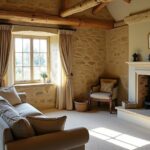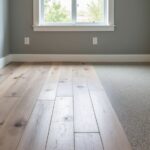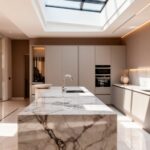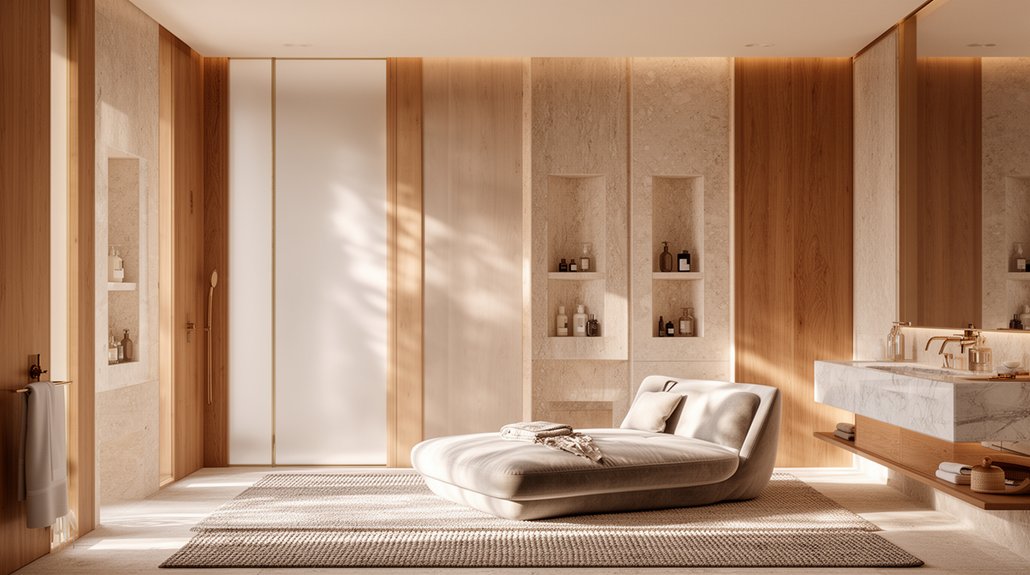
You’ll explore ultra-premium spa-style rooms built from natural materials, where durable substrates and low-absorption woods meet stone and linen textures for enduring calm. The approach is precise: craft, sourcing, and finishings align to minimize off-gassing while maximizing warmth, flow, and privacy. Ambient lighting and subtle aromatics set the tone, yet the real test lies in maintenance and documentation that sustain these environments over time. There’s more to balance here, and the next steps matter.
What Ultra-Premium Spa Rooms With Natural Materials Are All About
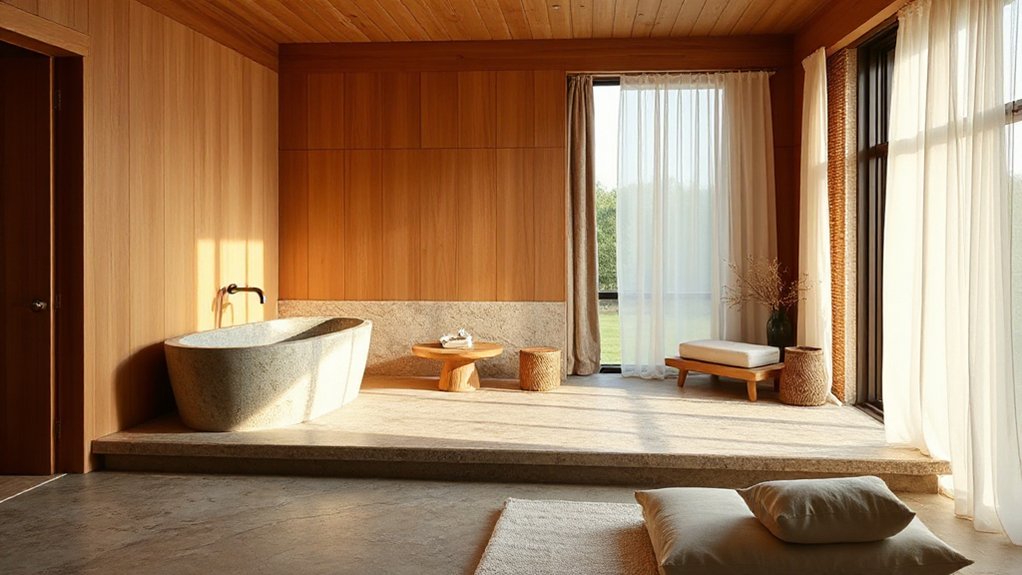
Ultra-premium spa rooms that employ natural materials center on creating a balanced, immersive environment where texture, temperature, and acoustics reinforce relaxation.
You design spaces to optimize material performance, selecting fibers, woods, stones, and composites that exhibit low VOCs, high durability, and stable thermal properties.
You implement controlled surface finishes to minimize glare and microbial growth, while ensuring tactile variety that engages touch without overstimulation.
You integrate climate control with responsive humidity and air movement to sustain comfort across occupancy and activity.
You leverage Organic aromatherapy and Herbal infusions as concurrent modalities, calibrated for dose, duration, and user perception.
You document system tolerances, maintenance cycles, and lifecycle impacts, ensuring predictable outcomes and repeatable experiences for guests seeking consistent, science-backed serenity.
Material Principles for Atmosphere and Longevity
Material choices shape both atmosphere and longevity by balancing sensory comfort with durability and health. You select inert, low-emission substrates to minimize VOCs while maximizing tactile and thermal performance. Prioritize dimensional stability, resin-free bindings, and formaldehyde-free adhesives to maintain long‑term integrity in humid spa environments.
Align surface hardness with daily use to resist abrasion without sacrificing comfort underfoot. For finishes, prefer Eco friendly finishes that seal without off‑gassing, enabling easy maintenance cycles and stable color over time.
Integrate Organic plantings as living accents—green walls or vertical planters—that modulate humidity and air quality while reinforcing a calm, natural aesthetic. Establish detailing that prevents moisture intrusion, supports archival longevity, and facilitates routine inspection and replacement when necessary.
Spa-Ready Texture Pairings: Wood, Stone, Linen, and More
Spa-ready textures pair wood, stone, linen, and beyond to create a tactile hierarchy that supports calm and resilience in humid environments. You select finishes and grain orientations that minimize dimensional drift and manage moisture excursions, ensuring long-term stability.
Wood evokes warmth while resisting surface swelling through tight-grain species and low-absorption coatings; stone provides cool, durable guidance for high-contact zones with slip-resistant textures.
Linen-like fabrics offer breathability without rapid moisture gain, complemented by stabilized blends for reduced fiber migration. Pairing these materials with controlled plying, sheathings, and edge detailing yields a coherent, low-noise tactile field.
Implement aromatherapy blends at defined scent intervals and apply soundscaping techniques to anchor perception, reinforcing serenity without perceptual fatigue or material mismatch risks.
Warmth Through Color and Lighting for Calm Spa Vibes
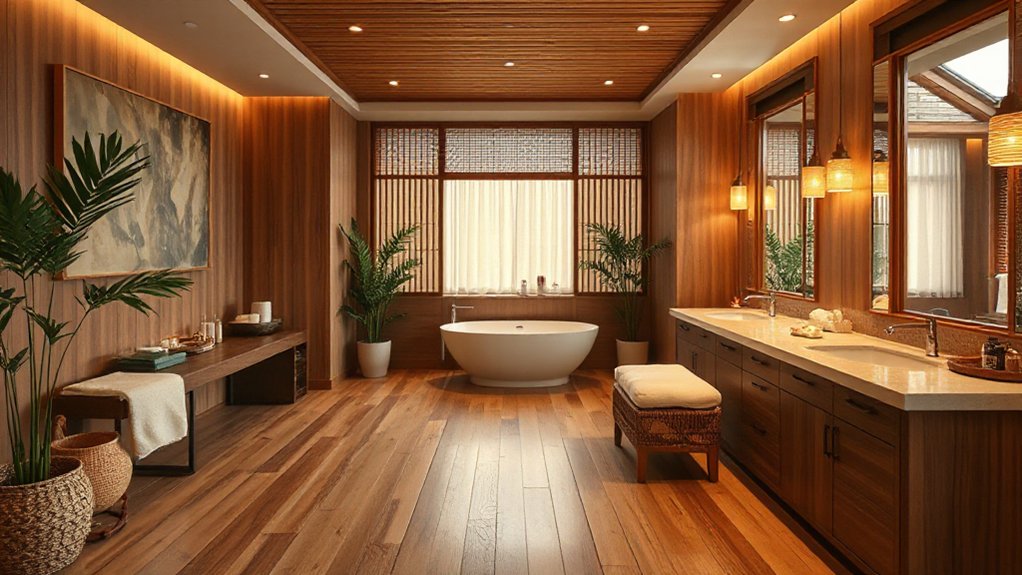
Warmth in a spa environment comes from deliberate color choices and lighting design that reinforce calm without overpowering the senses. You select warm neutrals—creams, taupes, and soft charcoals—with matte finishes to minimize glare.
Implement layered lighting: ambient, task, and accent, all DIMMABLE to preserve fidelity of natural materials. Use color temperature in the 2700–3000K range for horizontal illumination that reduces contrast and supports relaxation.
Incorporate indirect lighting behind architectural features to create depth without harsh hotspots. Validate color harmony with controlled samples under typical daylight cycles to ensure consistent mood.
Integrate botanical infusions and subtle aromatic therapies into the ambiance via diffusers or steam systems, guaranteeing scent levels remain noninvasive. This approach sustains calm, supports restorative sleep, and maintains material integrity.
Sustainability as Spa Luxury: Sourcing and Low-Impact Practices
You assess ethical material sourcing and low-impact design practices as core luxury features that elevate spa environments.
You prioritize transparent supply chains, certified materials, and measurable environmental footprints in every selection.
You aim for a design approach that balances aesthetic calm with verifiable sustainability outcomes.
Ethical Material Sourcing
You prioritize suppliers with robust due diligence, transparent labor records, and responsible extraction methods that minimize habitat disruption. You target materials that yield verifiable benefits, such as reduced emissions and low water usage, without compromising performance or longevity.
You require documentation that confirms ethical practices, including third‑party audits and certifications. Eco friendly certification signals alignment with sustainability standards, while Ethical craftsmanship demonstrates skilled, fair‑wage manufacturing.
You integrate supplier risk assessments into project timelines, mitigating disruptions through diversified sourcing. The outcome is a luxury spa substrate profile that honors people, planet, and performance.
Low-Impact Design Practices
Specify local, durable materials and minimize transportation to reduce emissions, while preserving tactile quality and acoustics. Favor prefabrication, modular assemblies, and reversible connections to simplify maintenance and reuse.
Integrate passive solar design, high-performance insulation, and airtight envelopes to lower operational loads without compromising ambient wellness.
Choose Eco friendly finishes to reduce volatile emissions and indoor air contaminants, ensuring guest safety.
Rigorously document supply chains, verify certifications, and select renewable resources wherever feasible, balancing aesthetics with lifecycle value and long-term environmental performance.
Spatial Layouts for Flow: Zoning and Private Retreats
Spatial layouts in spa-style rooms should balance flow with retreats for privacy. You optimize circulation by pairing open floor plans with defined zones, ensuring that movement remains uninterrupted while retreats stay quiet. Apply modular zoning to reconfigure spaces as needs shift, preserving spa discipline without rigid walls. Precision placement guides experience, acoustics, and light, reinforcing calm perimeters around core functions.
- Open floor plans establish core connectivity, guiding natural light and air through seamless passages.
- Modular zoning creates adjustable boundaries using screens, furniture, or partial partitions for flexible privacy.
- Activity zones—treatment, preparation, and relaxation—are visually distinct yet physically adjacent to maintain efficiency.
- Progression zones soften boundaries with materials, textures, and color to sustain flow while enabling personal retreat.
Finishing Touches That Elevate Spa-Quality Perception
Finishing touches elevate spa-quality perception by carefully orchestrating tactile, visual, and acoustic details that convey calm and control. You select eco-friendly finishes that resist wear while remaining chemically stable, minimizing odor and volatile emissions to preserve air purity.
Surface textures are calibrated for cool tactility and quiet interaction, reducing noise from foot traffic and appliance use. Visual discipline is achieved through restrained palette, consistent grain orientation, and deliberate light modulation that avoids glare.
Acoustic refinement relies on softly filtered soundscapes and materials with intrinsic damping to reduce transfer. Organic decorative accents are applied with exacting proportion, ensuring natural materials remain prominent without visual clutter.
You maintain coherence between fixtures, hardware, and furnishings, reinforcing a spa-grade perception grounded in precision, sustainability, and understated luxury.
Maintaining Natural Elements for Pristine Luxury
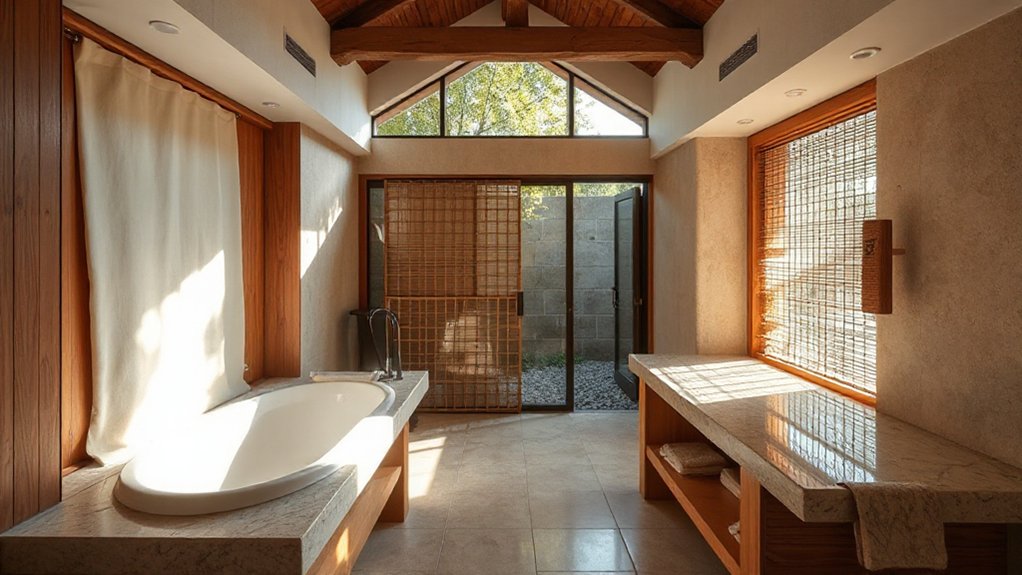
To preserve pristine luxury, focus on preserving and renewing natural elements without introducing signs of wear. You maintain integrity by inspecting surfaces, stabilizing textures, and preventing material fatigue through proactive routine care. Your approach blends exacting standards with sensitivity to organic textures and natural aromas, ensuring the environment remains authentic and inviting.
- Schedule micro-refurbishment cycles to refresh finishes without replacement.
- Use noninvasive cleaners and sealants that honor wood, stone, and fiber without altering character.
- Monitor humidity, temperature, and ventilation to sustain material stability and aroma balance.
- Document condition changes and response to treatments to guide future preservation decisions.
Frequently Asked Questions
How Do Natural Materials Influence Acoustic Comfort in Spa Rooms?
Natural materials influence acoustic comfort by providing targeted sound absorption and improving acoustic insulation. You’ll notice enhanced sound absorption from fibrous, porous textures that dampen mid to high frequencies, reducing reverberation.
Simultaneously, dense layers or novel composites strengthen acoustic insulation, limiting sound transmission between spaces. You can fine-tune performance by adjusting thickness, layering, and surface finishes.
In practice, optimize for both Sound absorption and Acoustic insulation to create a calm, spa-like sonic environment.
What Maintenance Schedule Keeps Natural Finishes Pristine Long-Term?
Sealing techniques and consistent cleaning routines keep natural finishes pristine long-term. You should establish a quarterly maintenance cadence:
- Wipe daily with a soft, damp cloth.
- Deep-clean monthly using approved, pH-neutral cleaners.
- Reapply sealants per manufacturer guidance every 1–3 years.
- Inspect for wear after seasonal changes.
- Repair abrasions promptly.
- Avoid harsh chemicals.
- Control humidity to prevent finish degradation.
Document all steps, outcomes, and product specifics for traceability and predictable performance.
Can Natural Materials Improve Indoor Air Quality in Spas?
Natural materials can improve indoor air quality in spas by reducing volatile organic compounds and emissions from synthetic finishes. You’ll benefit from eco friendly finishes and sustainable sourcing, which lower off-gassing and enhance thermal comfort.
Choose low-VOC adhesives and finishes, use tightly sealed panels, and guarantee proper ventilation during installation.
Regular maintenance helps maintain air quality, while ongoing selections rooted in eco friendly finishes and sustainable sourcing support long‑term respiratory health and regulatory compliance.
Which Natural Materials Are Best for Allergy Sufferers?
You want relief from allergies: the best natural materials are hypoallergenic finishes and non toxic treatments. They reduce irritants, blocking dust and mold so you breathe easier.
Choose solid wood with low-emission finishes, polished stone with sealed joints, and untreated or naturally sealed textiles.
Use hypoallergenic finishes and non toxic treatments to maintain durability without off-gassing. You’ll notice fewer reactions, improved air quality, and an environment that supports steady, precise, technical routines.
How Do Pricing and ROI Compare for Natural-Material Spa Rooms?
Pricing for natural-material spa rooms shows higher upfront costs but strong ROI through premium rates, longer occupancy, and reduced maintenance. You’ll see improved guest satisfaction as luxury design and material durability support durability and aesthetics.
In practice, expect 8–15% higher nightly pricing with 3–7 year payback, depending on build quality and location. You’ll maximize value by choosing durable materials, efficient systems, and precise lifecycle cost analytics to sustain profitability.
Conclusion
You’ll feel the accuracy of thoughtful design in every detail, from substrate choices to ambient cues. By prioritizing durable natural materials, low off-gassing, and responsible sourcing, you maintain pristine luxury with minimal upkeep. This approach supports enduring wellness, sustainable elegance, and a seamless guest experience. Think of it as a finely tuned instrument where each component harmonizes to sustain calm and clarity—a lullaby of craft and care that keeps spa spaces perfectly in tune.