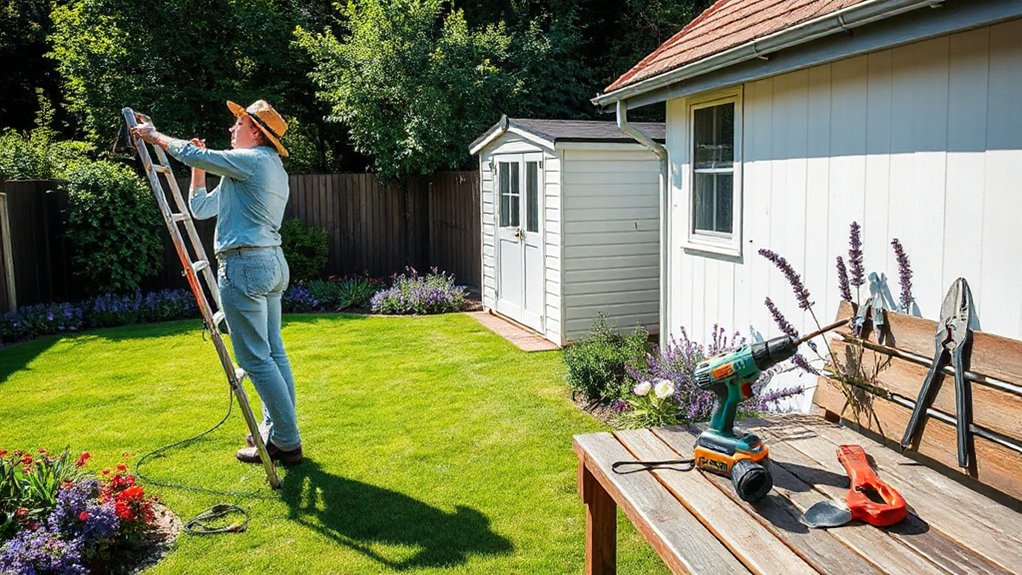
This summer, you should start with a quick home maintenance audit to spot issues early and plan priorities. Prioritize exterior integrity—check the roof, gutters, windows, doors, and exterior surfaces for wear, plus drainage and moisture risks. Improve weatherproofing with door seals and window insulation, refresh fascia and paint, and tidy up gardens and hardscape to reduce heat and pests. Schedule professional checks for roof, HVAC, and drainage as needed; more tips await below.
Summer Home Maintenance: A Practical 7-Step Plan
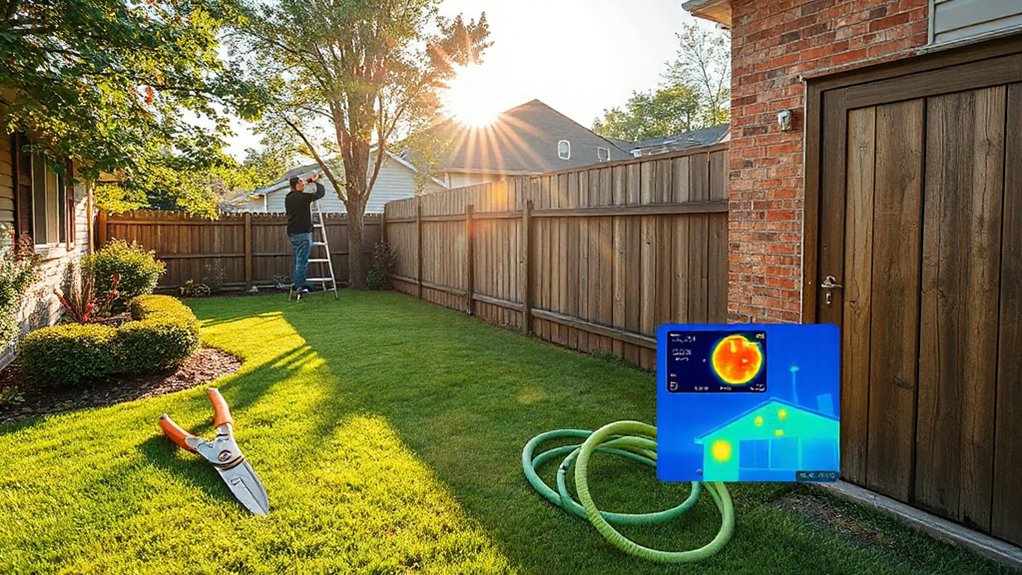
Summer is the perfect time to get ahead on home upkeep, so here’s a practical 7-step plan you can follow now.
Step 1: inspect your roofing and gutters, clear debris, and note any leaks.
Step 2: service air conditioning, replace filters, and test performance before peak use.
Step 3: check exterior wiring, outlets, and garden lighting for safety and reliability.
Step 4: seal windows and doors, replace worn weatherstripping, and reduce drafts.
Step 5: prune trees away from the home and maintain proper drainage to prevent water damage.
Step 6: refresh interior decor with breathable fabrics and sun-safe textiles, while protecting furnishings from UV exposure.
Step 7: plan seasonal decor updates that suit peak sunlight, without overloading spaces.
You’ll finish with a safer, cooler home ready for long summer days.
Start With a Quick Summer Maintenance Assessment
Start with a quick summer audit to map out visible issues and priorities.
Run a home readiness check for key systems—roof, gutters, windows, doors, and exterior surfaces—so you know what needs attention first.
This concise assessment sets the stage for targeted maintenance tasks and avoids surprises later.
Quick Summer Audit
A quick summer audit is your practical 5-minute check to identify obvious issues before peak heat hits. You’ll scan key areas for wear, leaks, and safety gaps, then prioritise fixes that prevent bigger costs later.
Begin outside: inspect gutters and roofline for debris, ensure drainage is clear, and trim overhanging branches that could spark damage in hot weather.
Move indoors to test cooling performance, seals, and insulation gaps around doors and windows. Check outdoor lighting and electrical outlets for moisture risk.
Note any garden design adjustments that could reduce heat buildup or water waste, and plan simple improvements now.
Finally, review pest control basics: seal entry points, secure food sources, and schedule seasonal services if needed.
This quick assessment keeps your home efficient and ready.
Home Readiness Check
To get your home ready, begin with a quick summer maintenance assessment that covers the essentials: cooling performance, insulation gaps around doors and windows, roof and gutter conditions, and moisture risks in outdoor spaces. You’ll spot problems early, save energy, and reduce future repair work.
Keep an eye on garden pruning needs near vents and pathways, and check outdoor furniture for corrosion, stability, and fabric wear. This snapshot sets priorities for the season, guiding timely fixes before heat spikes.
- Assess cooling efficiency and airflow
- Seal obvious insulation gaps around doors/windows
- Inspect roof, gutters, and downspouts for debris or leaks
- Note moisture risks in patios and garden areas, including outdoor furniture and garden pruning implications
Exterior Integrity: Roof and Gutters First
Ensuring your roof and gutters are sound is essential before the summer storms roll in; inspect for damaged tiles, loose shingles, and any signs of wear, then address issues promptly.
Start with a careful roof inspection, checking flashing, ridges, and chimney caps for gaps or cracks. Replace or repair damaged tiles to prevent leaks and further deterioration.
Move to the guttering system: remove debris, check for sagging sections, and ensure downpipes are clear and free-flowing. Fix loose hangers and reseal joints where needed.
Schedule professional help for structural concerns or extensive damage.
Keep safety in mind—use a sturdy ladder and stable footing. Regular maintenance now saves costly repairs later.
Weatherproof Doors and Windows for Efficiency
Weatherproofing doors and windows boosts summer comfort and trims energy costs. You’ll tighten gaps, improve insulation, and reduce drafts by checking seals, frames, and weather strips.
Start with door insulation: add or replace threshold seals, door sweeps, and jamb gaskets to stop heat from leaking in.
For windows, focus on window sealing around sashes and frames, and consider draft-proofing film or weather strips where needed.
Use caulk or expanding foam to fill obvious gaps around exterior edges, but avoid overfilling.
Check glazing for condensation or looseness and address promptly.
Prioritize ventilation placement to balance airflow without inviting hot air.
Regular maintenance now saves cooling energy later and prolongs lifespan of your doors and windows.
Refresh Fascia and Exterior Paint the Easy Way
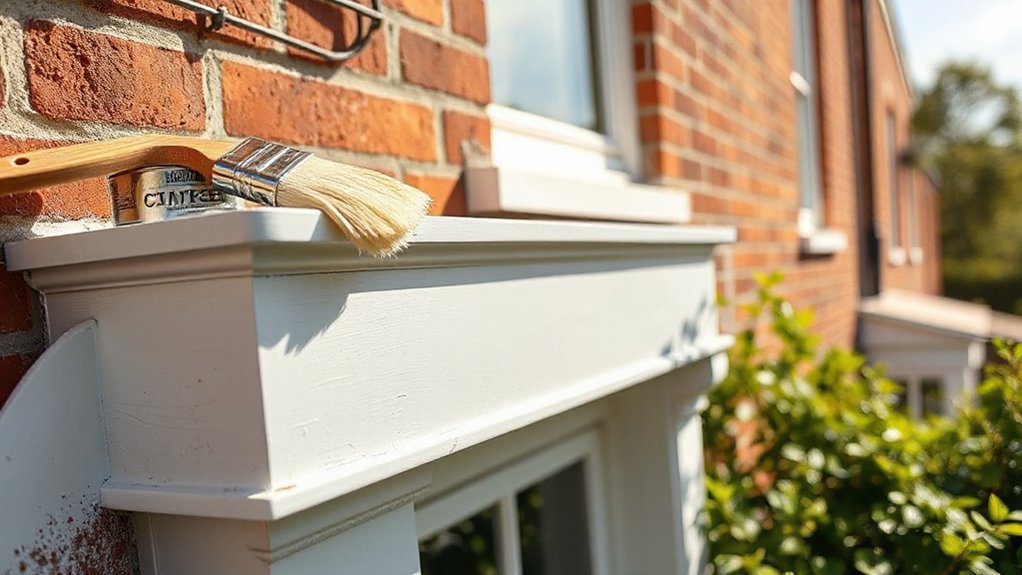
Start by inspecting fascia for any cracks or rot and address damage before you paint.
Power wash the surface to remove dirt and loose coating.
Then apply fresh coats smoothly for an even finish.
Tackle these steps in sequence—inspect for damage, power wash, then repaint—to refresh exterior walls confidently.
Inspect For Damage
If you want to spot damage quickly, start by walking the fascia and exterior surfaces with a critical eye, looking for cracked or peeling paint, warped boards, loose screws, and signs of moisture or rot.
Then perform a focused damage assessment to gauge underlying risks and preserve structural integrity. Look for gaps, soft spots, or nail/screw corrosion, and test any suspect boards gently.
Note anything that could allow water ingress or wood decay, and plan timely repairs before costs escalate.
- Cracked/peeling paint and exposed timber
- Warped, soft, or spline-damaged boards
- Rusted or loose fixings compromising joints
- Visible moisture marks or mold indicating water intrusion
Power Wash Surface
After inspecting for damage, you’re ready to refresh the fascia and exterior paint with a thorough power wash. Begin by clearing surrounding debris and protecting plants, windows, and doors.
Use a low-pressure setting to avoid lifting paint or penetrating subtle cracks; higher pressure risks damage. Hold the wand at a 45-degree angle and keep the nozzle moving to prevent streaking.
Focus on corners, gaps, and mold-prone areas, but don’t linger on coatings that appear intact. Use an appropriate detergent for exterior cleaning before rinsing to maximize grime release.
Rinse thoroughly from top to bottom, ensuring runoff doesn’t pool near foundations. Allow surfaces to dry completely before any inspection or touch-up, then proceed with subsequent steps to maintain a fresh, uniform finish.
Apply Fresh Coats
Fresh coats make exterior surfaces look like new, so apply your paint or stain in manageable, even layers. Start with fascia and exterior trim first to prevent drips on loaded surfaces. Use a high-quality brush for edges and a roller for large areas, keeping strokes smooth and consistent.
Apply two thin coats rather than one thick one for durability, and don’t rush between passes. If you’re doing color refresh, test in a small area to confirm tone before full coverage. Seal with a compatible topcoat where required, and maintain ventilation to control fumes.
Clean brushes promptly to extend their life and avoid residual tackiness.
- paint touch ups where color shifts or chips appear
- color refresh planning and sample testing
- surface preparation and priming tips
- finishing coats and maintenance cadence
Garden, Hardscapes, and Water Management
Summer is the peak for garden, hardscape, and water tasks, so start now to protect plants, surfaces, and irrigation. You’ll assess irrigation efficiency, adjust timers, and mulch to reduce evaporation.
Inspect garden design plans and prune where growth threatens paths or walls, keeping sightlines clear. Check hardscape materials for cracks, shifting pavers, or loose joints, and plan timely repairs before damage escalates.
Clean gutters to prevent overflow onto patios, and ensure fountains or water features run quietly and safely. Weed invasives weekly to preserve soil moisture for desirable plants.
Install shade where needed, using breathable fabrics or deciduous trees to slow heat gain. Schedule soil tests, amend deficient beds, and refresh edges for a neat, durable finish.
Plumbing Checks for Summer Water Use
With summer higher water use, it’s smart to start by checking your home’s plumbing for efficiency and leaks. You’ll want to verify fixtures aren’t dripping and inspect visible pipes for corrosion or damage. Focus on hoses, taps, and outdoor bibs, since garden demand spikes pressure and waste.
Test the pressure and sound for unusual fluctuations, and replace worn washers to prevent minor drips from turning into costly leaks.
Look for hidden leaks in joists or ceilings by checking moisture and staining after extended use. Keep an eye on your water meter—watch it while no taps are on to catch slow leaks.
Regular maintenance supports water conservation and reduces unnecessary consumption.
- Inspect fixtures and hoses for leaks
- Test pressure and check for drips
- Inspect outdoor taps and hoses
- Monitor water meter for hidden leaks
Electrical Safety and Alarm System Verifications
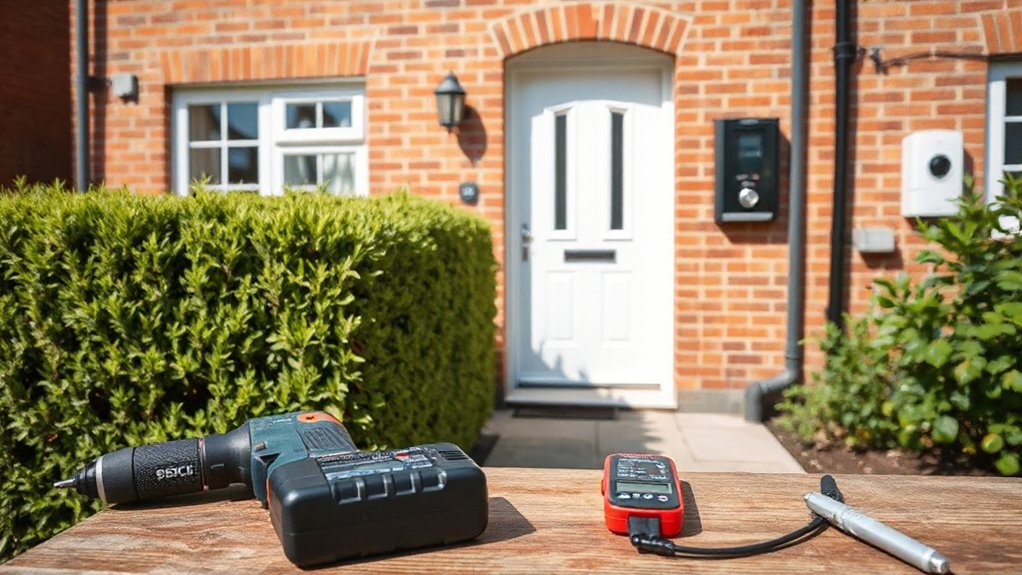
Electrical safety should be your priority as you prepare for summer activities, so start with a quick, thorough check of your wiring and alarms. Inspect sockets for damage, exposed wires, and loose adaptors; replace or repair as needed. Test residual current devices (RCDs) and confirm the trip switches work by using the test button on each circuit.
Check your alarm system’s control panel, sensors, and keypad for fault codes, battery status, and recent alerts. Replace batteries in smoke and carbon monoxide detectors annually and verify mounting positions are secure. Guarantee there’s a clear path to exits in case of alarm triggers.
Keep wiring neat, away from heat sources, and limit outdoor extension leads. Schedule professional inspection if you notice flickering lights, buzzing, or repeated false alarms.
HVAC Tune-Ups for Summer Comfort
To keep your home cool and energy-efficient, start with a thorough HVAC tune-up before peak heat hits. Regular seasonal checks prevent breakdowns and improve HVAC efficiency, while safeguarding air quality throughout summer. You’ll want a professional inspection plus simple at-home steps to keep airflow steady and filters clean.
Focus on refrigerant levels, coil cleanliness, and thermostat calibration to avoid wasted energy. Close attention to these details reduces running costs and extends equipment life, so you stay comfortable without surprises.
- Inspect and replace or clean filters for optimal airflow
- Check condensate drain, moisture risks, and mold prevention
- Verify thermostat accuracy and system cycling
- Schedule professional refrigerant and coil service for peak performance
Irrigation and Drainage for a Water-Smart Yard
Regularly check your irrigation system for leaks or uneven spray patterns, and adjust controllers to match seasonal watering needs.
Make sure your drainage layout directs excess water away from foundations and across plant beds to prevent pooling.
We’ll explore Seasonal Irrigation Checks and Drainage System Efficiency to optimize water use without waste.
Seasonal Irrigation Checks
Are you ready to fine-tune your irrigation system for the summer heat? You’ll perform seasonal checks to guarantee efficiency and water savings.
Inspect both drip irrigation and sprinkler maintenance components for leaks, clogs, and misalignment.
Verify coverage zones match plant needs and adjust spray heads to prevent runoff onto driveways or sidewalks.
Test the controller schedule for hotter days, shortening cycles if soil stays moist between runs.
Clean filters, check irrigation valves, and replace faulty parts promptly to maintain uniform wetting.
Run a full system test early in the season to catch issues before peak use.
- Inspect for leaks and clogs in drip irrigation lines and emitters
- Repoint sprinkler heads to correct spray patterns and coverage
- Validate controller timing for seasonal demand
- Clean filters and test valves for smooth operation
Drainage System Efficiency
Drainage efficiency matters just as much as irrigation in a water-smart yard. You’ll protect foundations, prevent soggy patches, and keep plant roots healthy by optimizing your drainage system this summer.
Begin with a quick visual check after heavy rainfall for pooling or slow water flow. Then inspect gutters and downpipes to guarantee clear routes away from the house. Clean debris from drainage grates and ensure outlets aren’t blocked, redirecting any surface runoff away from foundations.
Test your drainage system by gently running water along driveways and borders to confirm even dispersal and proper slope. Consider adding mulch or soil amendments to improve infiltration where soil is compacted.
Regular maintenance reduces erosion, conserves water, and maintains steady water flow for healthier landscapes.
Summer Roofing: When to Reseal or Replace
Summer is the best time to decide whether your roof needs resealing or a full replacement. By mid-summer, you can spot issues before autumn’s storms.
You should assess shingles, flashing, and gutters during a targeted roof inspection to gauge overall condition. If you notice curling, leaks, or missing granules, reseal or replace as needed.
For the reseal option, choose a high-build sealant with UV resistance and reapply only after cleaning and drying surfaces.
Replacement is warranted for widespread wear, structural damage, or compromised underlayment. Consider lifespan, cost, and future weather exposure.
Plan roofing work for dry days and allow for cure times.
- Inspect condition and leaks
- Decide between reseal and replace
- Prepare surface, clean thoroughly
- Schedule sealant application or installation
Siding and Brickwork Care: Keeping Exteriors Solid
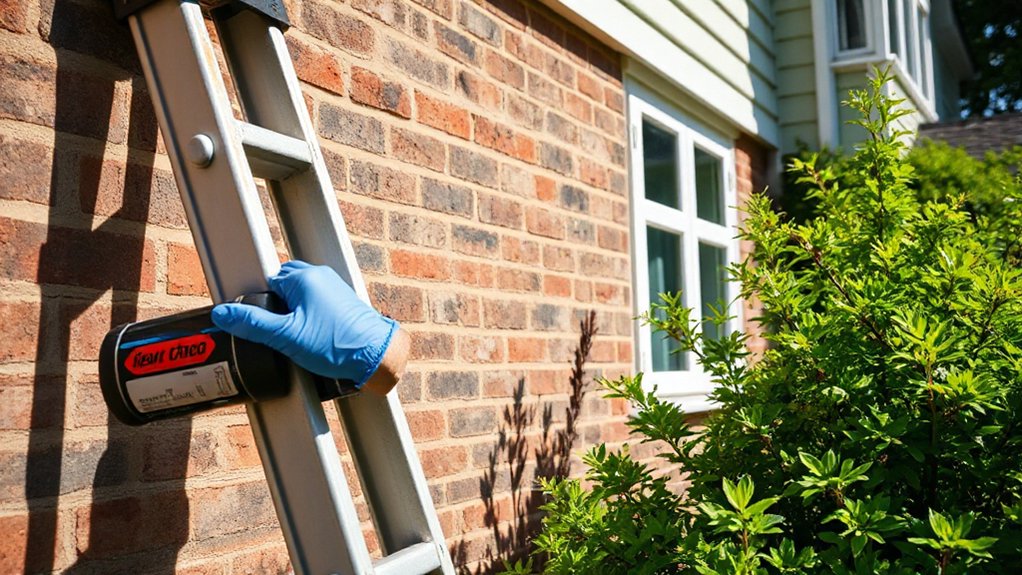
Siding and brickwork take summer exposure well, but they also benefit from a quick check after roof work. You should start with a visual survey for cracks, gaps, and loose panels, especially around edges and joints.
Siding inspection is your first line of defense against moisture intrusion and paint failure, so note any bowed boards, warped siding, or fading that suggests underlying damage.
For brickwork, inspect flashing, mortar joints, and tolerance gaps; recession or efflorescence can signal moisture issues.
Clean surfaces gently to reveal stains, then seal or repaint as needed.
Use brickwork sealing where you see porous patches or weathering, ensuring any sealant remains flexible.
Address small problems now to prevent costly repairs later and preserve exterior integrity.
Smart Home Prep for Warm Months
- Verify thermostat schedules and room zoning
- Update firmware and secure hub connections
- Clean outdoor units and reduce sun exposure
- Optimize lighting and smart plugs for efficiency
Create a Simple Seasonal Maintenance Schedule
Now that your smart home setup is dialed in for warmer months, it’s time to put a simple, practical seasonal maintenance schedule in place. Build a straightforward calendar with monthly checkpoints: inspect insulation and seals, tweak door thresholds, and note thermostat adjustments for energy conservation.
Schedule garden design tweaks early to reduce water waste: prune, mulching, and rain barrel checks. Create a quick home-humidity and ventilation review—clear culprits that raise humidity or heat load.
Assign 15-minute blocks for air filter changes, coil cleaning, and exterior cleaning of vents. Prioritize safety checks: ladders, guttering, and roof debris removal.
Keep a clear log of tasks completed and any adjustments. Use reminders linked to solar exposure and shade strategies to sustain energy efficiency throughout summer.
Maintain simplicity, consistency, and measurable results.
Quick Troubleshooting: Common Summer Issues and Fixes
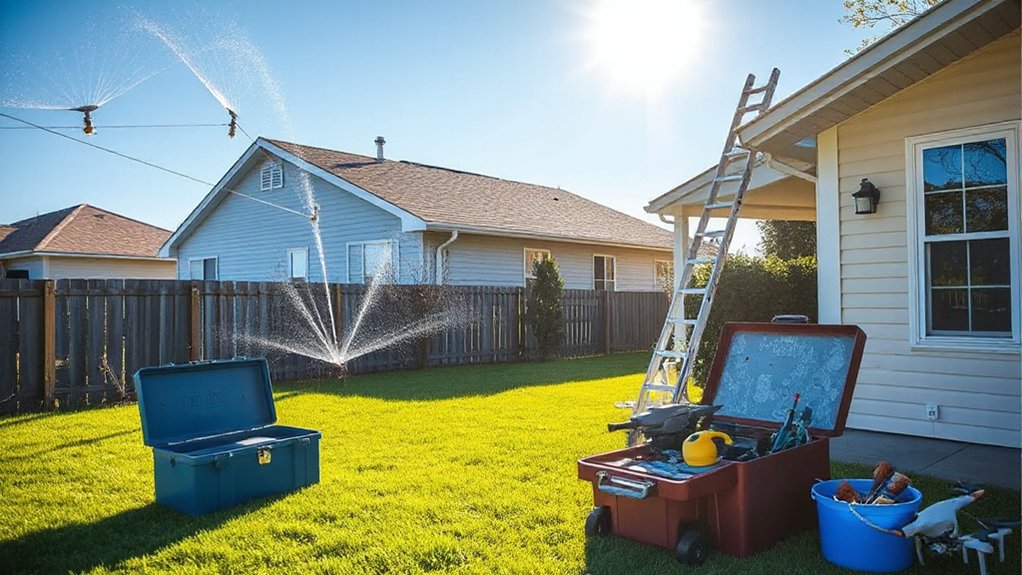
Summer interruptions are common, but you can tackle them quickly with practical checks for heat, UV exposure, bugs, and drains.
Start by confirming basic fixes like improving ventilation, sealing leaks, and clearing clogged drains.
Then, address pests and glare with simple preventative steps.
Stay concise and action-focused as you walk through each issue and its quickest remedy.
Common Summer Glitches
Ever wonder why your summer appliances falter at the worst times? You’ll fix common glitches fast by spotting quick causes and acting promptly. In heat, strain rises on cooling systems and outdoor gear, so you’ll want simple checks you can trust.
Prioritize airflow, clean filters, and secure connections to prevent minor faults from escalating. When issues involve garden pests or interior cooling, address root causes rather than temporary patches.
Keep a short seasonal checklist handy, and don’t overlook safety steps before any intervention. Practical fixes save time and money, and maintain comfort through peak conditions.
- Check filters and vents for blockages and clean them
- Inspect electrical plugs and switches for looseness or scorch marks
- Clear debris around outdoor units and ensure proper airflow
- Seal minor leaks in hoses and irrigation lines promptly
Quick Fixes For Heat
When heat spikes, quick checks prevent bigger breakdowns: start with the basics and move fast. You’ll methodically verify cooling paths, airflow, and temperatures first, then tackle tweaks that fit a busy summer.
Guarantee clothing ventilation is optimized: choose breathable fabrics, loosened layers, and switch to lighter uniforms if you work at home.
Inspect fans and AC filters; a clear intake saves energy and cools more effectively.
Keep blinds or curtains closed on sun-facing windows to reduce internal heat load, and use Sun protection for exposed surfaces—shading exterior walls helps your system work smarter, not harder.
Check insulation gaps around doors and vents; seal leaks promptly to maintain a stable, comfortable indoor environment.
UV, Bugs, And Drains
UV exposure, pests, and clogged drains are common summer irritants that can disrupt comfort and efficiency. You’ll tackle protection and quick fixes now, so you stay cooler and safer later.
Focus on UV protection with simple shade, sunscreen where needed, and window films to cut glare.
For bug prevention, seal gaps, install screens, and remove standing water around your home.
Drain care means monthly checks for slow drains, clearing hair and grease, and using a safe enzyme cleaner to keep pipes flowing.
Plan proactive tasks and address issues before they escalate.
- Inspect seals and add weatherstripping for UV and pest defense
- Seal gaps and install window screens to reduce bug entry
- Clear drains and avoid standing water around foundations
- Use enzyme cleaners to maintain pipes and prevent buildup
Frequently Asked Questions
When Is It Best to Perform Exterior Paint Touch-Ups in Summer?
Answer: The best time is on dry, warm days with low humidity, ideally mid-summer, after surfaces have cooled. For exterior paint maintenance, follow Summer painting tips—plan, prep, and apply in calm conditions for durable results.
How Often Should I Inspect Roof Edges for Leaks in Summer?
You should inspect roof edges for leaks at least twice in summer. Conduct a quick sight check after heavy rain, then a thorough walkaround monthly. Roof inspection helps leak prevention and keeps your structure safe and durable.
Which Plants Are Ideal for Reducing Garden Water Use in UK Summers?
You should choose drought-resistant plants like lavender and sage, and install drip irrigation to minimize water use. This setup thrives in UK summers, reduces evaporation, and keeps your garden vibrant with efficient, targeted watering.
What Low-Cost DIY Checks Improve Electrical Safety Outdoors?
Check electrical wiring and outlet safety with these low-cost DIY checks: inspect plugs and cords for damage, test outside outlets with a simple tester, secure weatherproof covers, remove water around sockets, and unplug devices during storms.
How Can I Prevent Dampness From Summer Humidity Inside?
To prevent dampness, you should improve ventilation and install moisture barriers. Open windows when humid, use extractor fans, and run dehumidifiers as needed. Ventilation improvements reduce condensation, while moisture barriers prevent damp from summer humidity.
Conclusion
Summer’s not just solar heat—it’s a window of opportunity. Do a quick check, seal gaps, and refresh the exterior before storms roll in. By sticking to this 7-step plan, you’ll guard your home, boost efficiency, and save money. Picture your house as a well-oiled machine: every part working in harmony. So, roll up your sleeves, set a simple schedule, and keep up with small tasks now to avoid big headaches later. Your future self will thank you.