You can add value fast with smart, low-cost tweaks suited to UK climates. Plan early to map zones for low-maintenance grasses, edible beds, and privacy screens, then stage with a clear schedule and budget buffers. Prioritize native, drought-tolerant plants, layered planting, and groundcovers to reduce maintenance. Include permeable surfaces, rainwater harvesting, and durable, eco-friendly materials. Add features like pergolas and privacy walls to boost curb appeal year-round. Want more practical steps and a 12-week action plan? Stay with me.
Plan Early to Maximise Your New-Build Landscape Value
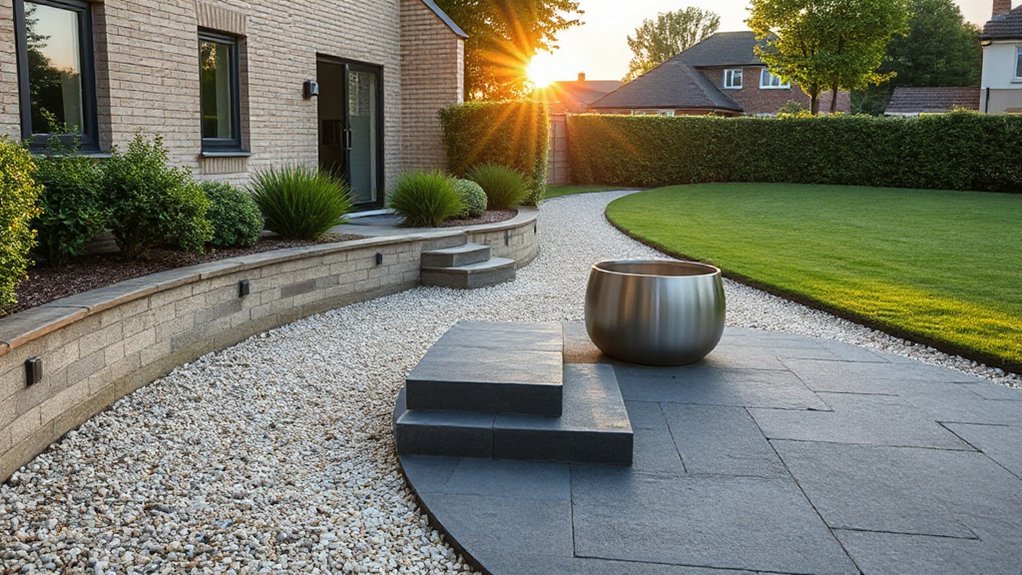
Starting early is the smartest move for boosting your new-build landscape value. By planning ahead, you set a clear framework for scale, cohesion, and return. Map zones for low-maintenance grasses, edible beds, and defined pathways, so you’re not reactive later.
Prioritize sightlines from key rooms—front door, living areas, and patio—creating instant impact with purposeful layouts. Choose durable, adaptable features you can upgrade over time, like modular garden furniture that fits evolving spaces, and decorative ornaments that anchor focal points without overpowering views.
Budget for irrigation, soil preparation, and drainage now to avoid costly fixes after occupancy. Document measurements, plant palettes, and finish textures to streamline supplier decisions.
Your proactive plan translates into faster selling points, plus a confident, magazine-worthy landscape.
Understand Your UK Climate and Soil Realities
Understanding your UK climate and soil realities is non‑negotiable for a durable landscape that sells. You’ll design with current conditions in mind, not guesses, so you know what to plant, when to water, and how to manage soils for longevity.
Soil testing early reveals pH, nutrient gaps, and drainage flaws, guiding cost‑efficient amendments before you landscape. In Yorkshire’s wet springs or the chalky soils of the southeast, climate adaptation matters: choose drought‑tolerant options where summers shift, and incorporate moisture‑holding mulches where drains falter.
Map sun paths across seasons to time planting and hardscape placement precisely. Build resilience into beds with native species that endure local rhythms.
With data in hand, you plan confidently, maximize value, and cut expensive rework later.
Define Your Privacy Needs Without Blocking Light
You’ve mapped your climate and soils, so now it’s time to balance privacy with light. Define your needs clearly: which rooms must stay bright, and where you crave seclusion. Use visual cues rather than guesswork—shadow patterns, sun paths, and how neighbors may view your yard at different times of day.
Privacy screens offer flexible, stylish separation without dense blocks; choose slatted wood, metal panels, or frosted glazing that filters sightlines while admitting glow. Layer height in staggered steps to maintain openness on ground floors and key sightlines from living spaces.
Consider light optimization by aligning planting or screens with windows to bounce daylight deeper into rooms. Test options with temporary screens before committing, ensuring consistent daylight and compliant, market-ready curb appeal.
Low-Cost, High-Impact Planting for Small Plots
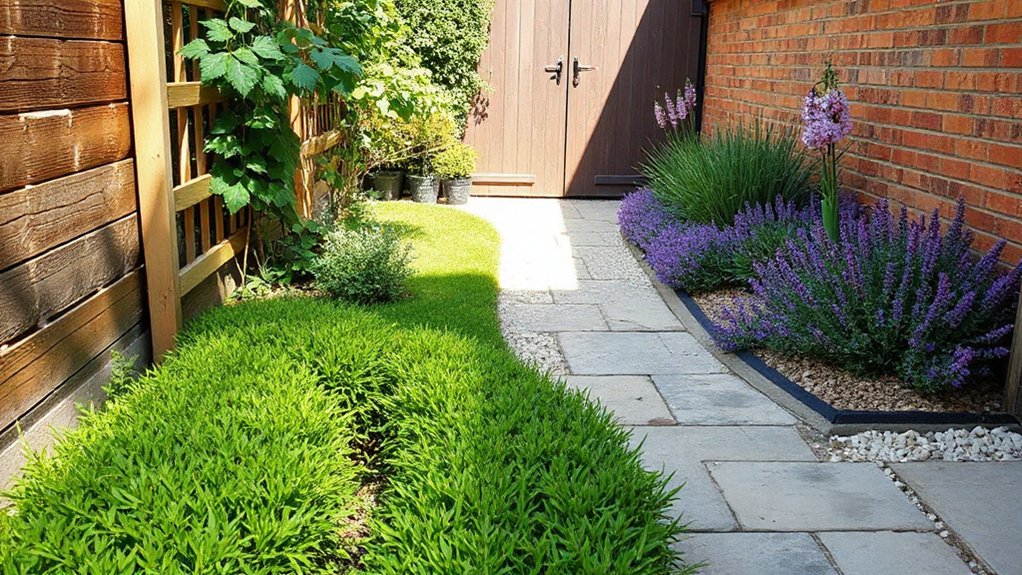
Small plots punch above their weight with smart, low-cost planting that delivers big impact. You can maximize space and curb appeal without a big spend by choosing compact, high‑yield options and clever layouts.
Use Creative container gardening to create focal points along entry paths or balcony edges; sturdy pots with drainage keep maintenance low and roots happy.
Vertical planting techniques let you layer color and texture without sacrificing floor area, ideal for narrow spaces and sheltered walls.
Opt for low‑maintenance perennials and seasonally rotated annuals to keep costs down while sustaining visual interest.
Group plants by height and color for instant coherence, and emphasize evergreen structure to maintain year‑round appeal.
Choose market‑tested varieties with strong root systems for reliable performance in UK conditions.
Build Year-Round Interest With Seasonal-Style Plants
Year-round curb appeal hinges on mixing seasonally appropriate plants with reliable structure, so your UK new-build landscape looks vibrant in every season. You’ll build interest by pairing evergreen backbone with seasonal planting accents that echo shifting palettes.
Choose robust shrubs for texture and year-round colour, then layer perennials that bloom at staggered times to sustain visual impact. Incorporate container displays for flexible seasonal swaps without heavy digging.
Think in terms of height, form, and rhythm: a tall focal tree, mid-height shrubs, and low groundcover to fill gaps between hardscape. Use native or well-adapted varieties to reduce maintenance and boost long-term value.
Plan a simple irrigation and feeding routine to sustain colour. This approach delivers immediate curb appeal and consistent throughout the year colour across the year.
Pick Drought-Tolerant Choices for UK Summers
You’ll start strong with drought-resistant planting options that thrive on UK summers while cutting water needs.
Pair these choices with water-efficient irrigation methods and smart timing to keep maintenance low and soil health high.
Finish with mulch and soil management tactics that lock in moisture, protect plant roots, and boost long-term sustainability.
Drought-Resistant Planting Options
Drought-resistant planting is essential for UK summers, helping new-build gardens stay green with less irrigation. You’ll choose designs that minimize water use while maximizing curb appeal and resilience. Focus on drought tolerant shrubs for structure and year‑round interest, paired with low‑water groundcovers and mulch to conserve moisture.
Xeriscape gardening concepts guide you toward layered plantings that thrive on seasonal rainfall, reducing irrigation needs without sacrificing style. Select varieties with deep roots, waxy leaves, or silvery foliage to reflect sun and resist heat.
In tight plots, go vertical with hardy grasses and evergreen perennials to maintain privacy and texture. Plan for soil improvement and drainage, then implement a tidy, low-maintenance palette that sells value and endures UK summers.
Water-Efficient Irrigation Methods
To cut water use without sacrificing curb appeal, pair drought-tolerant choices with smart irrigation tweaks. You’ll optimize landscapes by prioritizing low-water-demand species and efficient delivery systems that adapt to UK summers.
Use Rainwater harvesting as a backbone: capture and store rainfall for non-potable needs, reducing mains reliance. Pair this with drip irrigation close to roots, delivering moisture precisely where plants need it and minimizing evaporation.
Schedule irrigation for dawn or dusk to further cut losses and align with cooler temperatures. Invest in soil-moisture sensors to guide cycles, preventing overwatering.
Choose adjustable emitters to accommodate plant growth and seasonal shifts. Integrate weather-based controllers that skip irrigations after rain, keeping maintenance lean while preserving visual impact and market appeal.
Mulch and Soil Health Strategies
Mulch and soil health are your secret weapons for UK summers, especially when you’re picking drought-tolerant plants. You’ll rely on a thin, even layer of organic mulch to reduce evaporation, regulate soil temperature, and suppress weeds without daily maintenance.
Mulch benefits include improved moisture retention and slower nutrient loss, so your planting beds stay resilient through heat spikes. Pair this with smart soil management: test, amend, and monitor drainage to prevent compaction and runoff.
Soil enrichment happens through compost and slow-release feeds that energize root systems and support beneficial microbes. Choose drought-tolerant species that pair with enriched soil for consistent performance.
In practice, layer mulch after planting, refresh annually, and use edge barriers to keep mulch in place, maximizing long‑term growth and value.
Smart Groundcovers and Lawn Alternatives
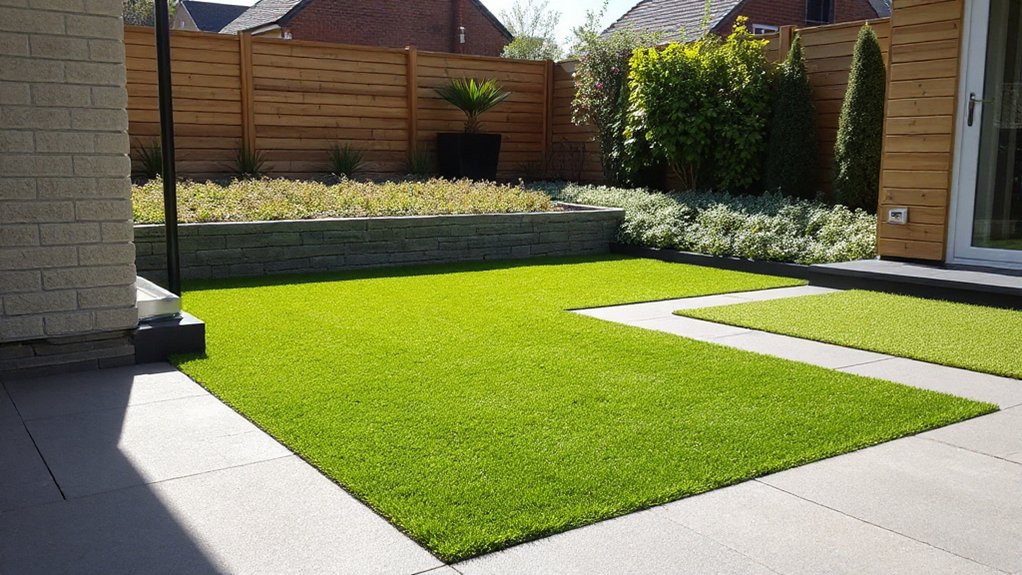
Smart groundcovers offer a low-maintenance alternative to traditional lawns, delivering year-round texture and color with far less mowing and water. You’ll reduce upkeep while maintaining curb appeal and garden structure.
Choose robust groundcovers that thrive in UK climates, require minimal fertility, and tolerate shade or sun as needed. Use these lawn substitutes to replace high-water, high-mert mowing tasks with steady visual impact, seasonal interest, and weed suppression.
Plan your layout to integrate pathways and seating, keeping foot traffic in mind. Consider drought-tolerant blends for dry sites and evergreen options for winter structure.
Pair with smart irrigation for efficiency, and layer textures for depth.
- Groundcover alternatives
- Low-growth carpet mixes
- Evergreen leaflets for year-round color
- Native blends for biodiversity
- Shade-tolerant mats and options
Perimeter Screening: Hedges, Screens, and Fencing Options
Perimeter screening isn’t just about privacy—it shapes the house’s silhouette and outdoor flow. You’ll balance form and function with hedges, screens, and sturdy fencing that suit UK build standards.
Hedge choices should reflect maintenance needs and year‑round structure. Consider fast‑growing varieties for quick boundary definition and layered texture for visual depth. Hedge trimming becomes an ongoing investment, not an afterthought, so select species with tidy growth habits and minimal shedding.
For screens, lightweight panels or timber slats provide screens that feel breathable yet defined, aligning modern and traditional facades.
Fencing durability matters as much as aesthetics—opt treated timber or steel with weather‑resistant coatings to resist damp and wind.
Choose height, openness, and alignment that enhance security, light, and sightlines without imprisoning the garden’s character.
Native Plantings for Low Maintenance and Wildlife
Native planting cuts maintenance and boosts year‑round appeal, so you can enjoy more garden without the constant upkeep.
A wildlife-friendly approach attracts pollinators and birds, elevating curb appeal while keeping costs predictable.
Start with regionally suited species that thrive in UK conditions, and design for bloom succession and layered habitats to maximize impact.
Native Planting Benefits
Native planting reduces maintenance and boosts local wildlife right from day one. You’ll see stronger resilience, better soil life, and natural pest control as plants adapt to your site. Native varieties require less watering, less fertiliser, and fewer inputs, saving you time and money.
With careful selection, you create year‑round structure that supports birds, bees, and butterflies, while demanding less mowing and edge work. Pollinator attraction becomes a natural byproduct of thoughtful planting, not an add‑on.
Soil enrichment arises from plant roots and leaf litter that feed microbes, improving drainage and nutrient cycling. Focus on beds that mirror your local ecology for reliable performance and curb appeal.
- Low‑fuss pollinator magnets that thrive in UK soils
- Drought‑tolerant choices with year‑round structure
- Native perennials for continuous bloom and habitat
- Soil‑friendly mixes that boost microbiology
- Colour, texture, and wildlife benefits in harmony
Low Maintenance Gardens
Want a garden that looks great with minimal effort? Low maintenance gardens rely on native plantings that thrive with little intervention. You’ll choose drought-tolerant grasses, perennials, and shrubs suited to your UK climate, reducing irrigation and pruning needs.
Design focuses on cohesive structure: evergreen backbone for year-round appeal, seasonal bursts from native wildflowers, and layered textures that resist weed invasion. Pair plantings with compact, durable paths and a simple lawn substitute to cut mowing time.
Keep maintenance predictable: mulch to conserve moisture, drip irrigation where needed, and a once‑a‑season tidy to prevent overload.
For appeal, add garden furniture that stays comfortable year‑round and outdoor art that complements the palette without demanding upkeep. These choices boost value while keeping upkeep efficient and enjoyable.
Wildlife-Friendly Landscapes
Could you create a garden that’s both low maintenance and a magnet for wildlife? In wildlife-friendly landscapes, native plantings deliver year-round structure with minimal upkeep.
Choose species that support local pollinators and provide shelter, so your yard becomes a practical asset for buyers. Focus on layered planting—groundcovers, grasses, and small trees—to create wildlife habitats while limiting mowing.
Design pollinator corridors linking you to nearby greenspace, so butterflies and bees move freely through the site.
Use hardy, drought-tolerant varieties to reduce irrigation needs and maintenance cycles.
Group plants by bloom time to maintain seasonal interest.
Prioritize soil health with compost and mulch to preserve moisture and deter weeds.
- Native perennials for structure
- Pollinator corridors through the site
- Drought-tolerant, low-water options
- Mulch and compost for soil robustness
- Seasonal wildlife habitats and shelter
Edible Landscaping on a New Build Plot
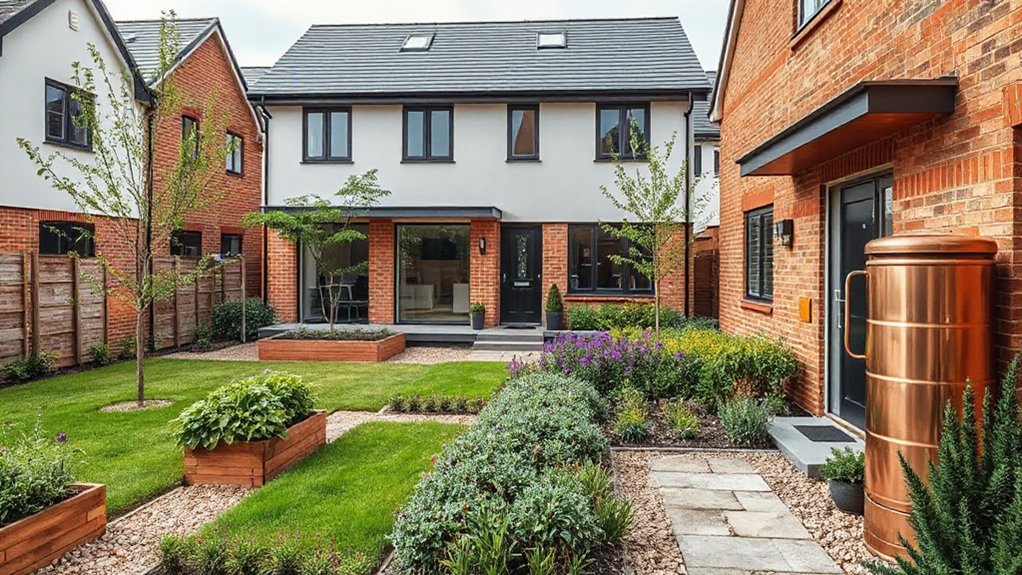
You’ll maximize yield with layered planting: tall fruit trees as a canopy, mid-height shrubs, and low herb beds at the edges.
Choose robust, low-maintenance varieties suited to UK climates, and group herbs in a dedicated herb corner for daily use.
Sustainable soil prep underpins long-term success, so amend with compost and mulch to reduce water needs.
Plan pathways for seasonal access and harvests, keeping maintenance simple.
Prioritize Herbal herbs for flavor versatility, and Fruit trees for tangible value adds to curb appeal and saleability.
Drainage and Rainwater Harvesting That Save Money
Smart drainage and rainwater harvesting save you money from day one. By integrating Rainwater harvesting and efficient Drainage solutions, you reduce mains water use and lower runoff risk.
Smart layout choices curb flooding, protect foundations, and cut insurance premiums. Choose a compact system that fits UK weather patterns, with simple filters and robust storage.
Prioritise permeable surfaces and trench drains to distribute water evenly and reuse it for irrigation. Visible savings come from reduced bills and fewer repairs, making value clear to buyers.
- Rainwater harvesting basics that fit small plots
- Drainage solutions for heavy rain events
- Storage options aligned with property size
- Simple filtration for clean reuse
- Cost vs. long-term maintenance considerations
Patio, Path, and Paving: Outdoor Living That Scales
You’ll want a patio, path, and paving plan that hard-wires outdoor flow with durable visuals. Consider surface flow that guides foot traffic while resisting UK weather.
And pick patio aesthetics that stay sharp through seasons. With practical choices, you scale outdoor living without clutter, keeping spaces cohesive and market-ready.
Outdoor Surface Flow
What makes outdoor surface flow work in UK new builds is how patios, paths, and paving knit together as a single, scalable outdoor living space. You’ll create seamless progressions between sheltered zones and sunlit edges, guiding movement with color, texture, and scale. Choose durable surfaces that read as one system, while differentiating uses with grade changes, edging, and subtle contrast.
Landscape pathways should weave through planting, link entry points, and expand your outdoor room as needed, not just aesthetics. Prioritize maintenance-friendly materials, slip resistance, and water drainage to sustain value over time.
- Unified material palette that spans patio, path, and paving
- Subtle texture shifts to define zones
- Gentle steps and ramps for accessibility
- Thoughtful sightlines from indoors
- Recycled or permeable options for sustainability
Durable Patio Aesthetics
For UK new builds, consider low-porosity pavers in charcoal or warm taupe paired with heat-dog-friendly resin-bound surfaces for a restrained, modern look. Prioritize slip resistance and curb appeal with consistent texture and joint spacing.
When selecting materials, balance cost, durability, and aesthetic enhancement—you want longevity without sacrificing style. Plan for seasonal use: shade, seating zones, and clear sightlines that connect indoor living to the garden.
The result is a unified, low-maintenance exterior that scales with your garden’s growth and resale value.
Outdoor Lighting and Automation for Safety and Atmosphere
Outdoor lighting isn’t just about looks; it’s a safety and ambiance tool you’ll rely on every evening. You’ll pair smart lighting with motion sensors to guide visitors and deter intruders, while highlighting pathways and entryways for practical navigation. Automated security features, like timed dusk-to-dawn cycles and remote control, give you peace of mind without manual effort.
Focus on low-profile fixtures that blend with architecture, using warm temperatures for inviting curb appeal. Zone lighting lets you adjust brightness by area and activity, maximizing energy efficiency and drama.
- Smart lighting that adapts to activity and dusk timing
- Motion-triggered pathway lights for safety
- Low-profile, weather-ready fixtures
- Zoned ambience for entry, patio, and garden
- Automated security integrations with apps and sensors
Soil Health: Composting and Mulching Essentials
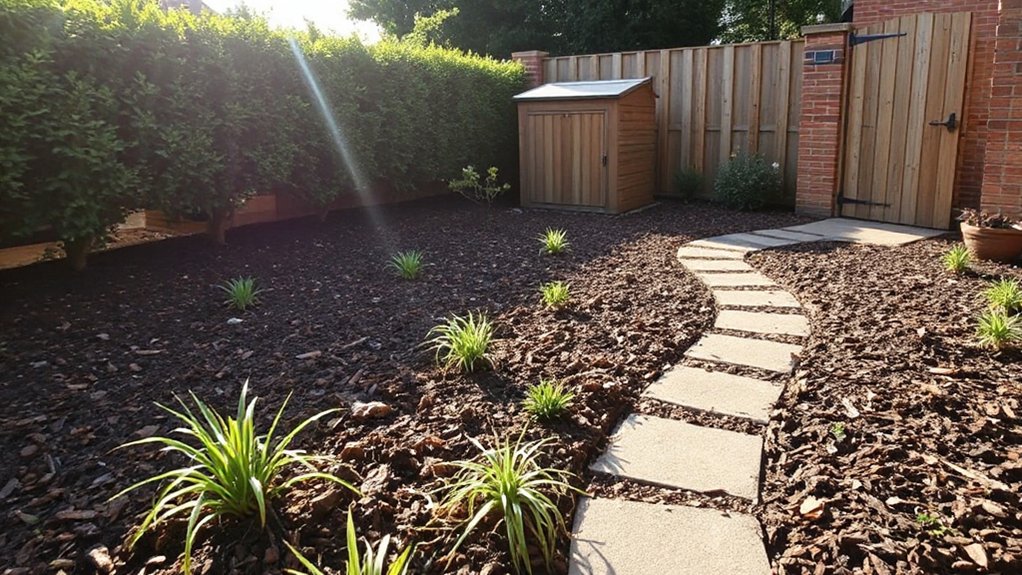
You’ll see how composting basics and mulching essentials turn your soil into a living foundation for hardy UK gardens. Start simple with kitchen scraps and yard waste.
Layer mulch to lock in moisture and suppress weeds. This approach boosts soil health, trims watering needs, and creates a market-ready, low-maintenance landscape.
Composting Basics
Composting kicks off soil health by turning kitchen scraps and garden clippings into rich, nutrient-dense humus that feeds your UK garden. You’ll convert organic matter into a steady supply of plant food, boosting structure and moisture retention.
Start with a simple compost bin placed for easy access and airflow. Balance greens and browns for steady decomposition, not odor. Keep contents moist like a wrung sponge and turn regularly to speed the process.
Avoid meat or diseased material to reduce pests. Use finished compost to enrich beds, pots, and margins, maximizing value in a new-build landscape.
- Quick-start setup for a compact garden
- Green-to-brown ratios that work
- Moisture and aeration tips
- Troubleshooting common smells
- When to harvest your compost bin output
Mulching Essentials
Mulching is the simple, high-impact step that protects soil and boosts plant performance in a UK new-build. You’ll improve moisture retention, suppress weeds, and stabilize soil temperature, creating a healthier foundation for establishment.
Mulching benefits extend beyond aesthetics; it fuels soil biology and reduces irrigation needs, which translates to ongoing cost savings for tight budgets. Choose natural, breathable materials—straw, chipped bark, or mature compost—for surface layering that regulates temperature swings without suffocating roots.
Apply a 5–7 cm blanket around beds and borders, keeping mulch away from stems to prevent rot. Replenish seasonally after winds, heavy rain, or planting updates.
Mulch application supports long-term terrace or garden viability, helping you market a resilient, low-maintenance landscape feature that resonates with homebuyers.
What Happens in Year 2: Adapting Your Garden as It Grows
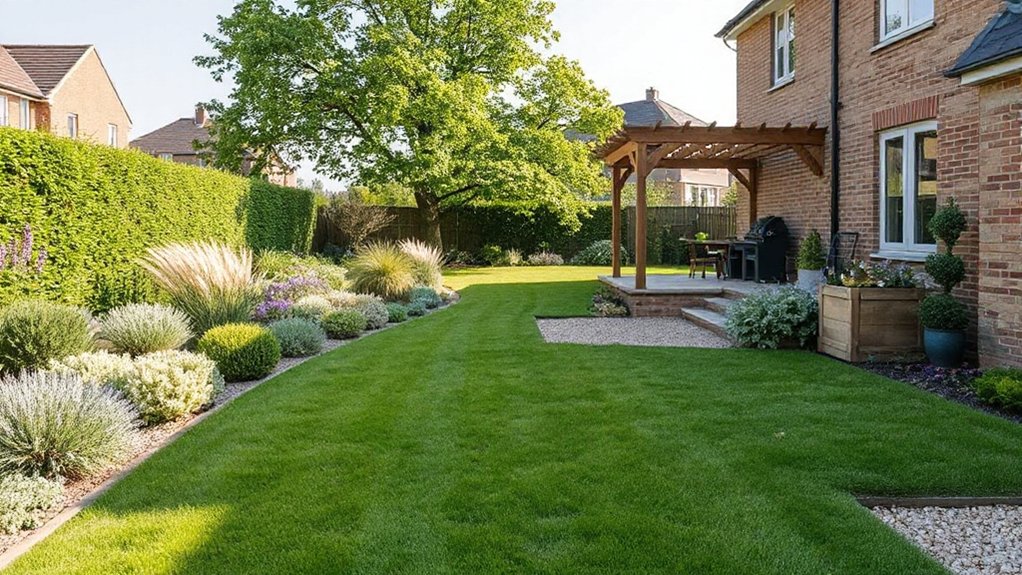
As your UK garden matures, Year 2 is all about practical tweaks that amplify growth and curb maintenance. You’ll refine structure, swap overplanted spots, and introduce adaptable perennials that carry colour through seasons. Focus on soil health, mulching cadence, and smart irrigation to save time and water.
You’ll notice stronger plant form, cleaner lines, and better movement from season to season, boosting overall garden aesthetics while reducing upkeep. Use plant symbolism to choose meaningful focal points—invite calm with greens, vibrancy with seasonal blooms, and structure with evergreens.
Track growth, prune judiciously, and reassess sun patterns as trees fill out.
- Prune for airflow and shape
- Optimize irrigation zones
- Replace high-maintenance specimens
- Rebalance beds by altitude and height
- Align plant symbolism with mood and purpose
Value-Adding Features: Pergolas, Screens, and Privacy Walls
Value-adding features like pergolas, screens, and privacy walls let UK builders and homeowners add function without sacrificing style. You design outdoor rooms that extend living space, control sunlight, and enhance privacy without costly extensions.
Pergolas create shade zones for dining or relaxation, with climbing plants and vertical gardens adding vertical interest.
Screens break sightlines and wind without closing the space, enabling year-round use.
Privacy walls define boundaries and improve acoustics, supporting targeted plant palettes and outdoor art displays.
Use durable, low-maintenance materials tuned to UK weather for lasting value.
Pair structures with strategic lighting and seating to boost usability after dark.
Keep lines clean, scale appropriate, and progressions seamless.
These features attract buyers seeking cohesive, photogenic outdoor spaces that feel premium.
Sustainable Materials and Eco-Friendly Practices
- Recycled plastics for edging, decking, and planters
- Bamboo fencing for natural privacy and warmth
- Native groundcovers to reduce irrigation
- Permeable paving to manage rainwater
- Reclaimed timber accents for character
Maintenance-Friendly Design Principles That Save Time
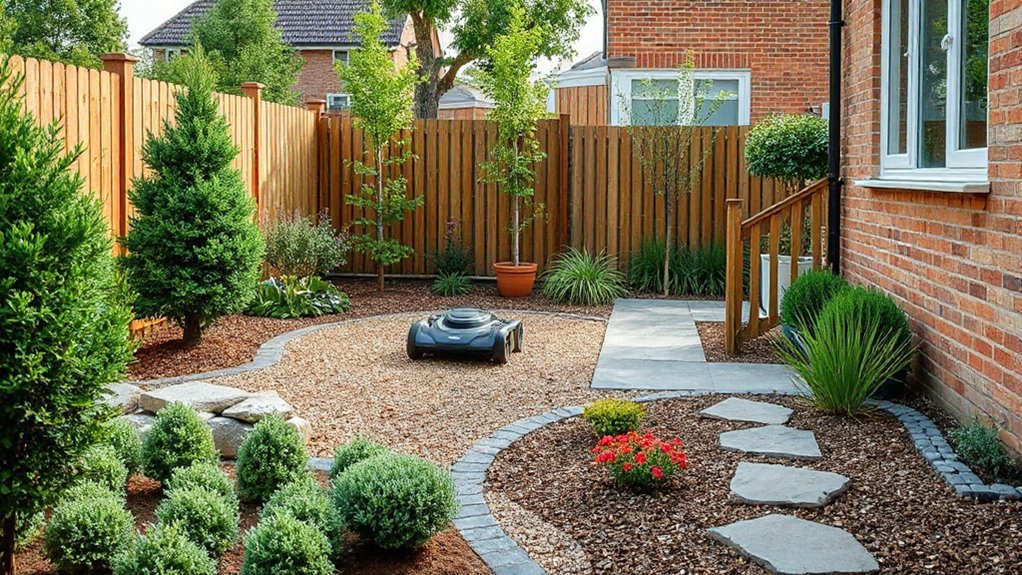
You’ll simplify upkeep with low-maintenance planting that still looks polished, so your garden stays vibrant without constant care.
Pair drought-resistant selections with smart, automated irrigation to cut water and time spent on chores.
This approach sets the stage for a tidy, market-ready landscape that preserves fellow homeowners’ weekends.
Low-Maintenance Planting
- Blooming bulbs for seasonal drama with low care
- Drought-tolerant, compact perennials
- Mulch-first beds that suppress weeds
- Vertical gardens for high visual yield
- Native mixes that require less irrigation and feeding
Drought-Resistant Selections
Choose drought tolerant shrubs that anchor borders with year-round form, paired with mulch and well-drained soil to conserve moisture. Opt for low-water grasses or groundcovers where you need rapid coverage without fuss, and place larger specimens to create focal points with minimal upkeep.
Group plants by sun exposure and water demand to simplify maintenance routines. Structure your palette around textures and greens, adding late-season blooms for seasonal interest without extra chores.
This approach delivers predictable performance, lowers utility use, and boosts resale value through practical, modern landscaping.
Automated Irrigation Systems
- drip irrigation setup for efficient, targeted watering
- rain sensors to halt irrigation after rain events
- weather-based controllers that adjust for seasonality
- zone mapping to match sun exposure and soil types
- quick-access service ports and clear wiring for easy upkeep
12-Week Action Plan to Kickstart Your Project
This week kicks off your landscaping project with a clear, action‑oriented plan: map out goals, confirm budget, and assemble a small, capable team to keep momentum.
You’ll translate the master vision into a practical timeline, prioritizing tasks that uncover value for UK new‑build homes. Define siting, materials, and mood early to avoid delays.
Set weekly milestones, assign ownership, and build in check-ins that surface risks before they escalate.
Budget buffers matter: reserve funds for surprise planting or shade needs, then reallocate as you refine scopes.
Incorporate Urban farming and Vertical gardening concepts where space allows, highlighting low‑cost, high‑impact options.
Visualize success with a simple kanban board, a lightweight plant palette, and a clear maintenance schedule to sustain progress beyond week one.
Frequently Asked Questions
How to Budget for Upfront Landscaping on a Tight Uk-New-Build Budget?
To budget upfront, you should start with Budget planning, then prioritize Cost effective landscaping. You’ll define a ceiling, itemize essentials, compare suppliers, and track progress weekly, ensuring tangible curb appeal without overspending on a tight UK-new-build budget.
Which Planning Permissions Affect Garden Changes Post-Build?
“Like tightening a bolt, garden changes follow planning rules.” You must check Gardening regulations and permits for fences; in most cases you can proceed with garden alterations post-build, but expect potential notices for height, boundaries, and access impacts.
What Are Quick-Win Features That Boost Resale Value?
You’ll boost resale value quickly by adding garden lighting and water features, which create curb appeal and ambience. You see immediate impact, guiding buyers with practical visuals, while signaling low-maintenance charm and outdoor entertaining potential.
How to Choose Low-Maintenance Replacements for High-Maintenance Areas?
Start off with a bang: go low-maintenance by choosing drought tolerant plants and automated irrigation, then swap high-maintenance zones for permeable mulch beds. You’ll save time, reduce watering, and keep curb appeal perennially sharp, market-ready.
When to Plant for Peak First-Year Curb Appeal?
Plant in early spring or fall for peak first-year curb appeal, prioritizing seasonal planting and thorough soil preparation so roots establish quickly, visual impact lasts, and your curb presence remains market-ready throughout seasons.
Conclusion
Think of your new garden as a value-adding, low-maintenance extension of your home. Start early, plan around your climate, and choose lofty, yet simple plant-and-privacy solutions. For small plots, a pergola or screens can feel showroom-ready without breaking the bank. A 10% uptick in curb-appeal is plausible when you deploy seasonal interest and eco-friendly materials. I’ll show you the path: quick wins, lasting impact, and a yard that sells with your house—not against it.