Plan disruption-free renovations by aligning work with tenant turnover windows and common-area priorities. Set clear access windows, signed permissions, and a centralized access calendar to coordinate keys and after-hours work. Use low-dust, low-emission methods and durable, easy-clean finishes to minimize nuisance and rework. Schedule noisy tasks during least-used times, and maintain daily safety briefs, snag lists, and contingency buffers. Communicate proactively with tenants, document approvals, and track rent continuity. Stay ahead, and you’ll master a smoother, tenant-friendly upgrade—more details await.
Set Disruption-Free Renovation Goals for Your HMO

To set disruption-free renovation goals for your HMO, start by defining what constitutes minimal tenant impact and time windows that keep bedrooms, common areas, and entryways accessible. You’ll map constraints around noise, dust, and access, then translate them into practical milestones.
Prioritize tenant engagement from the outset: share schedules, expectations, and safety protocols to foster cooperation and reduce friction.
Align renovation aesthetics with durable finishes and easy-clean surfaces that withstand daily wear without appearing industrial.
Establish clear handover points, revision cycles, and contingency buffers to absorb delays without cascading intrusions into tenants’ routines.
Document decision criteria, success metrics, and communication channels so everyone stays informed.
Your goal is a coordinated, stylish transformation that respects occupancy and preserves comfort throughout the process.
Map Tenant Availability and Tenancy Turnovers for Scheduling
You’ll start by mapping each tenant’s availability and upcoming tenancy turnovers, then lock in windows that align with your renovation milestones. You’ll chart occupancy dates, lease end trends, and renewal probabilities to forecast occupancy gaps and minimize disruption. This clarity underpins effective tenant engagement and smooth lease negotiations, keeping everyone aligned.
1) Identify critical turnover periods and partner with tenants to align move-out windows with renovation phases.
2) Prioritize vacancies that offer clean, accessible spaces for contractors, reducing downtime and risk.
3) Document contingencies for late renewals or extended stays, so schedules stay fluid without derailing deadlines.
Build a Tenant-Friendly Renovation Calendar Around Turnovers
A tenant-friendly renovation calendar centers on turnover-aware windows that minimize disruption and maximize access for crews. You’ll map each unit’s turnover cadence against planned work blocks, aligning tasks with move-in and move-out dates to avoid overlap.
Build in buffer days for inspections, permit waits, and consumables so crews don’t stall the schedule. Maintain a clear, living calendar you share with tenants and contractors, updating in real time as delays emerge.
Prioritize tenant engagement by inviting feedback on timing, accessibility, and preferred communication channels; this reduces friction and elevates compliance.
Tie the calendar to renovation budgeting by forecasting costs around turnover spikes, then reallocate funds to critical tasks when a window shifts. Keep milestones visible, measurable, and aligned with predictable turnovers for smooth, low-disruption progress.
Prioritize Noise Reduction During Core Hours
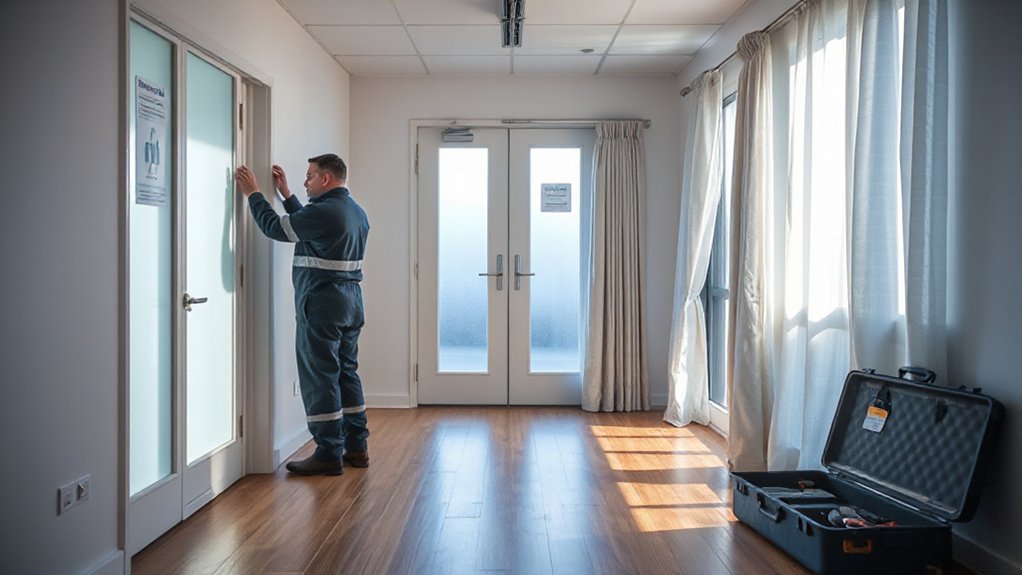
Noise is the first thing tenants notice after renovations, so you should lock down quiet periods and stick to them. During core hours, you prioritize sound control to protect routine and mood. Use targeted soundproofing techniques at sources, seal gaps, and install soft-finish barriers that damp impulse noise.
Monitor activity with simple noise monitoring checks, adjusting schedules as needed to minimize impact.
- Schedule high-impact tasks outside peak hours and notify tenants in advance.
- Deploy quick-turnaround soundproofing techniques to contain disturbance footprints.
- Review and adapt daily routines based on feedback and measured noise levels.
Keep documentation tight: log tasks, durations, and readings, and refine workflows promptly to sustain a calm, productive environment.
Communicate Access Windows With Clear, Signed Permissions
Set clear access windows and obtain signed permissions from tenants before any work starts. You’ll outline exact dates, times, and conditions so everyone knows what to expect and when.
This keeps disruptions minimal and documents binding, so futures visits stay smooth.
Clear Access Windows
1) Establish a central calendar with fixed windows and contingency slots.
2) Communicate intentions clearly, documenting approvals and any changes.
3) Restore each area promptly, verifying completion and tenant satisfaction.
Signed Tenant Permissions
To move forward smoothly, secure signed tenant permissions that explicitly authorize access windows and any proposed disruptions; this prevents surprises and protects both sides. You’ll want clear documents detailing dates, times, and the scope of work, so everyone understands when workers are on site and what areas are affected.
Use concise language to specify Tenant relocation steps, if applicable, and how long relocations may last. Incorporate Lease amendments that reflect these changes, ensuring compliance with regulatory requirements and existing lease terms.
Have tenants sign before work begins, and provide copies for each party. Maintain a transparent record trail for future reference.
This proactive approach minimizes disputes, accelerates timelines, and demonstrates respect for tenants’ rights while preserving project momentum.
Stage Work Zones to Minimize Shared-Space Disruption
If you stage work zones thoughtfully, you minimize the disruption to shared spaces and keep tenants comfortable throughout renovations. Focused zone planning reduces cross-traffic, preserves routines, and speeds progress without chaos.
- Identify high-use corridors and seal off dusty areas with sturdy barriers, ensuring clear signage for tenants.
- Allocate dedicated access routes for trades, minimizing contact with living zones and common areas.
- Schedule noisy or disruptive tasks during least-used times, then promptly restore clean, safe pathways after each phase.
Effective communication pairs with discipline: post daily updates, outline zone boundaries, and confirm approach changes with residents.
By treating shared spaces as protected zones, you maintain normal life while progress unfolds, sustaining goodwill and momentum throughout the project.
Shared space awareness remains the cornerstone of successful zone planning.
Proactively Update Tenants: What They’ll Notice and When
You’ll set expectations with a timely communication plan so tenants aren’t caught off guard.
You’ll also share a clear visible improvements timeline so they can see progress and plan around disruptions.
This front-loaded update keeps everyone aligned and reduces daily questions during renovation.
Timely Communication Plan
Effective, proactive tenant communication keeps renovations smooth and minimizes disruption. You’ll set expectations upfront, outlining what changes are coming, when crews will be present, and how noise or access may shift. Maintain a steady rhythm of updates to sustain Tenant engagement and trust, and reference renovation permits to reassure compliance. Schedule updates at key milestones so tenants aren’t surprised by progress or delays.
- Pre-Construction Briefing: summarize scope, hours, access, and safety measures.
- Weekly Progress Notes: highlight completed tasks and upcoming milestones.
- Incident and Change Alerts: notify immediately about any deviations or temporary inconveniences.
Use clear channels—email, a notice board, and a dedicated line—to guarantee everyone stays informed and engaged throughout the process.
Visible Improvements Timeline
New amenities and upgrades don’t just happen behind the scenes—they unfold in a clear, day-by-day sequence tenants can track. Your visible improvements timeline maps every milestone, from demolition windows to completion dates, so you know what to expect and when.
Begin with pre-project notices, then show temporary inconveniences alongside scheduled work hours, noise buffers, and access changes. Highlight milestones like Historical preservation steps, structural updates, and cosmetic phases that affect common areas first, then individual units.
Emphasize aesthetic enhancements in common spaces, hallway lighting, and entryways to reinforce momentum. Provide a visual calendar, color-coded by area, with lead times for permits, inspections, and approvals.
Keep updates concise, factual, and proactive to maintain trust and minimize disruption throughout the renovation.
Manage Safety, Compliance, and Site Rules Without Slowing Progress
How can you keep safety, compliance, and site rules airtight without slowing the renovation timeline?
You implement a tight, proactive framework that respects tenants and protects site security. Build standards into daily routines, not retrofits. Stay compliant by documenting permissions, inspections, and incident logs in real time, and assign a safety captain for on-site checks.
Prioritize clear signage, PPE, and accessible routes to reduce hazards and disputes.
- Establish a daily safety brief and visible rules board to reinforce expectations.
- Schedule weekly compliance checks with a logged trail for auditors.
- Integrate tenant engagement into updates, addressing concerns before they escalate.
This approach keeps operations steady, minimizes rework, and preserves site security while you progress.
Budget, Contracts, and Vendor Coordination for HMOs

Set a firm budget baseline, lock in core contingencies, and align every contract and vendor squad with your project timeline. You’ll map all costs upfront, then shard your budget by phase and risk factor to prevent overruns.
Budget planning means you’ll identify hard costs, soft costs, and a realistic cushion for surprises, so cash flow stays smooth across milestones.
When you approach Vendor selection, publish clear scopes, performance metrics, and acceptance criteria to filter proposals quickly. Favor vendors who can coordinate with practical access plans, minimize tenant disruption, and deliver on time.
Tie every engagement to a single project calendar, with predefined change orders and sign-offs to avoid scope creep. Document decisions, track progress, and hold weekly checks to preserve momentum and accountability.
Quiet-By-Design: Materials, Methods, and Sequencing for HMOs
You’ve got your budget locked and vendor cadence in place; now you optimize the build by making quiet, purposeful choices in materials, methods, and sequencing. You design for minimal disruption, prioritizing soundproofing techniques and eco-friendly materials to protect tenants’ peace and the environment.
- Specify layered assemblies that maximize isolation, using decoupled framing and resilient channels for walls and ceilings.
- Schedule trades to run in non-overlapping blocks, sequencing waste removal, acoustic treatment, and finishes to avoid rework.
- Specify low-dust, low-emission products and rapid-curing materials to shorten on-site time without compromising performance.
Result: steadier progress, fewer disturbances, and a smarter, quieter retrofit.
Handle Keys, Access, and After-Hours Restrictions Smoothly
You’ll implement a clear Managed Access Schedule to minimize interruptions while keeping everyone’s routines intact.
Coordinate After-Hours access so trades and inspections happen efficiently, with minimal tenant disruption.
Enforce Tenants’ Security Protocols to protect property and privacy, ensuring smooth, compliant entries at all times.
Managed Access Schedule
Managing access is about clarity and control: you’ll establish a tight, reliable system for keys, access, and after-hours rules so tenants and tradespeople move smoothly without surprises. You’ll implement a centralized schedule, letting everyone know when spaces are available and when permissions expire, reducing friction and miscommunication.
1) Keys and codes: assign controlled access with unique codes, track handoffs, and rotate regularly.
2) Access windows: publish precise times for trades, and honor tenant routines to maintain renovation aesthetics.
3) After-hours rules: set emergency contact protocols and secure entry procedures without disrupting sleep or study.
This approach boosts tenant engagement and preserves renovation aesthetics, delivering a calm, professional atmosphere throughout the project.
After-Hours Coordination
How can you keep after-hours renovations seamless without waking tenants or compromising security? Centralize access control with a single, trusted point person for key handoffs and remote openings, and document every entry in a bound log.
Schedule after-hours windows that minimize surprises, and communicate strict access limits to contractors—no wandering or ad hoc crews. Implement a fast, clear sign-off process for completed work before doors lock.
Prepare emergency procedures ahead of time, including a contained response plan and contact list for on-call supervisors. Coordinate Parking management to avoid congestion and delays; designate a loading zone, visible hours, and reserved ramps.
Review permissions weekly, adjust as needed, and rehearse contingencies so disruptions stay minimal and professional. Your tenants experience consistent security and smooth progress.
Tenants’ Security Protocols
To keep tenants secure and operations smooth, implement a centralized, transparent key and access protocol that minimizes handoffs and exposure. You’ll protect Tenant privacy while enabling rapid, policy-driven controls and Security upgrades that resist misuse. Draft clear keys, codes, and access logs, and use role-based permissions to limit who enters when. Communicate changes upfront and document every action for accountability.
- Centralized access hub with audit trails
- Timed, automatic lockouts after-hours and on holidays
- Tenant-specific privileges, revocation, and rapid revocation workflows
Operate with a responsive incident plan, including after-hours escalation paths and a secure messaging channel. Train staff to follow protocol with precision, and test routinely to close gaps before they impact residents.
Maintain concise records and transparent communication to uphold Tenant privacy and tighten Security upgrades.
Contingency Plans for Turnovers and Emergencies

Contingency plans keep turnovers smooth and emergencies contained, so you stay on schedule and within budget even when the unexpected arises. You define critical paths, assign owners, and set trigger-based actions to minimize downtime.
Contingency planning prioritizes rapid access, staged renovations, and agreed temporary accommodations, so tenants experience minimal disruption. Build a dedicated quick-response kit: spare parts, key contacts, and off-hours support.
Establish clear thresholds for cost overruns and schedule slips, with pre-approved contingencies to approve on the fly. Document decision trees that guide you through supplier delays, weather events, or access issues.
Communicate changes promptly to tenants and investors, reinforcing reliability. Maintain safety, compliance, and quality by testing each fallback in advance. Emergency protocols align with this framework to protect lives and assets.
HMO Tenancy Law Essentials for Renovations
You’ll need to understand tenancy law essentials as you plan renovations, so your timeline and obligations stay clear. Prepare precise renovation notices, guarantee compliance with safety standards, and align work with tenants’ rights to quiet enjoyment.
Stay proactive: map notification windows, consent requirements, and milestone safety checks to keep everyone protected and informed.
Tenancy Law Essentials
Tenancy law is your backbone during renovations, because knowing rights and duties keeps leases intact and conflicts at bay. You’ll guard occupant stability by confirming permissions, rent terms, and notice periods before any work starts. This knowledge helps you plan around access windows and quiet hours without breaching contracts or triggering disputes. Stay precise about who bears what risk and who approves changes to dwelling conditions.
- Clarify consent for alterations and any impact on rent or service charges.
- Schedule works to minimize tenant disruption, with clear advance notice and alternative accommodation if needed.
- Document fixtures, finishes, and condition surveys to protect everyone’s interests.
Consider Interior lighting and Eco friendly materials as compliant, stylish choices that respect tenancy terms and safety.
Renovation Notice Requirements
Renovation notices aren’t just formalities; they’re the playbook for compliant, disruption-free work. You’ll outline timelines, scope, and access, giving tenants a predictable path to minimal inconvenience.
Begin with clear, written notices that specify when work starts, the anticipated duration, and which areas will be affected. Cite your local tenancy laws and lease provisions to validate your schedule, and include contact points for questions or changes.
Communicate any temporary relocations and essential safety measures, drawing a concise map of access routes and noise allowances. Keep tenants informed of progress and update notices if plans shift.
Mention decorative accents and aesthetic upgrades as part of the renovation narrative to temper expectations and build buy-in, while preserving core living conditions.
End with a quick recap and next-step instructions.
Safety Compliance During Works
How can you guarantee safety isn’t an afterthought but the backbone of every renovation phase? You embed compliance into every decision, from planning to handover. You’ll align with HMO fire, electrical, and gas standards, conduct risk assessments, and lock in method statements before work starts. Proactive checks protect tenants and protect you.
- Pre-works audits and permits ensure site rules, access, and containment are locked down.
- Daily safety briefings and visible signage keep everyone informed and accountable.
- Post-work verification, snag lists, and certification confirm installations meet current regulations.
In practice, safety touches every detail—garden landscaping and interior decor alike—so ongoing compliance isn’t a burden but a standard. Clear protocols, disciplined execution, and meticulous documentation safeguard tenants and your project’s momentum.
Measure Success: Rent Continuity and Tenant Comfort
To measure success during a non-disruptive renovation, focus on rent continuity and tenant comfort as your two guiding metrics. You’ll track vacancy changes, timely rent payments, and lease renewal rates to gauge financial stability.
While monitoring tenant sentiment through brief surveys after key milestones. Prioritize clear communication of timelines, avoiding sudden moves or price shocks, so tenants feel secure and respected.
For comfort, optimize noise management, odors, and dust control, and provide convenient access to work areas. Document any deviations from planned schedules and explain remedies promptly to preserve trust.
Guarantee tenant privacy by scheduling inspections with notice and using screened work zones. Remember to obtain all necessary Renovation permits and keep records organized for audits and future projects.
This disciplined approach sustains occupancy and satisfaction.
Frequently Asked Questions
How to Minimize Rent Loss During Renovations?
You minimize rent loss by proactive planning and clear Tenant communication, scheduling work during low-demand periods, and offering temporary incentives. Track Renovation budgeting carefully, monitor milestones, and adjust timelines quickly to maintain occupancy and protect cash flow.
Can Temporary Alternative Accommodations Be Offered?
Yes, you can offer temporary housing and implement lease adjustments to lessen disruption. You’ll coordinate temporary housing options, clarify terms, and adjust leases accordingly, ensuring tenants feel supported while you manage renovations efficiently and maintain cash flow.
What Are Mandatory Notice Periods for Access?
Short answer: mandatory notice periods depend on your jurisdiction, so you must check local laws and lease terms. You should prioritize Tenant communication and Legal compliance, provide clear timelines, and document every notice to stay proactive and compliant.
How Are Resident Complaints and Disputes Handled?
Ever notice how disputes vanish when you practice clear tenant communication and swift dispute resolution? You handle complaints promptly, document everything, and set predictable processes, so tensions ease, signals improve, and everyone stays informed and cooperative.
What Safety Standards Must Be Met During Work?
You must meet fire safety and building regulations during work, ensuring clear exits, proper insulation, and equipment separation. Plan proactively, inspect regularly, and document compliance to protect tenants and avoid penalties. Stay vigilant, methodical, and stylish in execution.
Conclusion
You keep the condo where it is: steady rent, steady peace of mind. With a disruption-free plan, you shield tenants, respect their routines, and stage work around turnovers. You map access, cut noise in core hours, and lock in clear permissions—like clockwork. You’ll handle keys and emergencies with calm efficiency. Your proactive calendar becomes your compass, guiding every decision. In the end, you turn renovation into reliability—a bridge, not a barrier, to better homes. Your success shines.