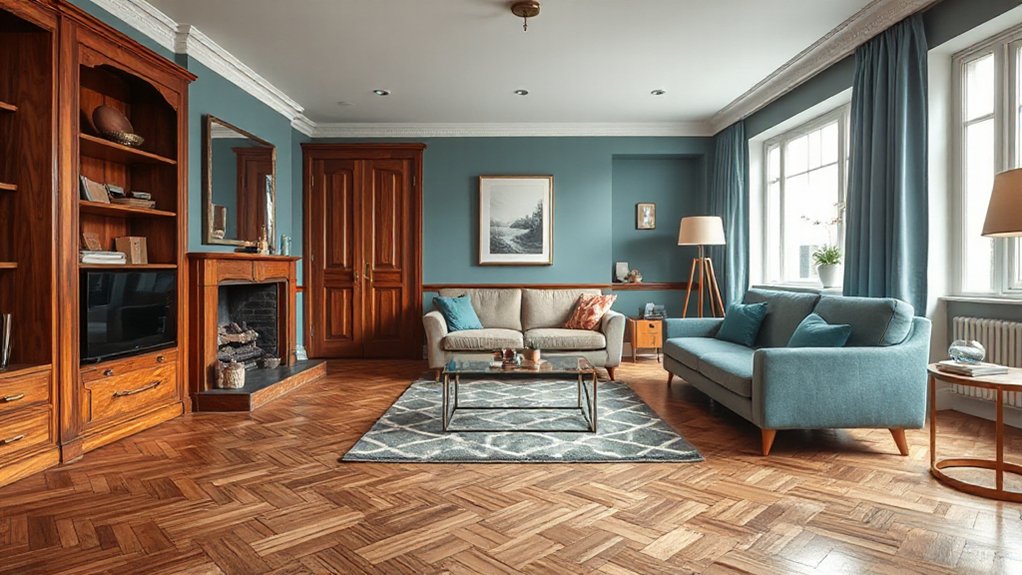
To modernise a 1930s semi-detached interior, start by clarifying your layout goals to support daily routines while preserving period charm. Prioritise natural light, efficient flow, and adaptable zones, then plan shell upgrades like insulation, drafts seals, and smarter heating with zoning. Choose durable, period-aware finishes, and align fixtures with preserved details. Maximise daylight, visibility, and outdoor access through wide glazing and seamless connections. You’ll gain practical, forward-thinking guidance that helps you shape spaces today and meet future needs—keep going to uncover more.
Define Your 1930s Semi-Detached Goals for Modern Living

To define your 1930s semi-detached goals for modern living, start by clarifying how the layout will support today’s routines while preserving the home’s character. You’ll map traffic flow, ensuring kitchen, living, and dining spaces feel connected yet distinct, so daily rituals stay smooth.
Identify essential architectural detailing that anchors the period charm—ceiling covings, chimney breasts, and timber joinery—then plan where to retain or subtly restore them. Prioritize natural light, storage, and flexible zones that adapt to evolving needs without erasing history.
Commit to historical preservation by documenting original features and setting restoration priorities. Define measurable targets: improved acoustics, climate comfort, and accessible layouts.
You’ll balance modern convenience with authentic mood, guiding decisions toward cohesive, lasting value.
Set a Clear Style and Practicality Vision
Define a signature mood—perhaps warm, modernist, or softly nautical—and map how it translates room by room. Prioritize functional zones: a kitchen that feels invigoratingly usable, living spaces with quiet seating for conversation, and bedrooms that invite rest.
Tie your aesthetic to practical outcomes: durable finishes, easy-to-clean surfaces, and adaptable storage. Ground decisions in historical preservation when it matters, preserving character while updating structure and flow.
Plan material sourcing early: select authentic or suitably matched materials, finishes, and fixtures that sustain the look and endure daily use.
Create Bright Light, Flow, and Layout Principles
You’ll brighten the home by placing light where it’s most effective, balancing task, ambient, and natural sources for every zone.
Plan the flow so pathways feel intuitive and furniture supports circulation, creating clear sightlines and adaptable lounge-to-dining passages.
Start with a concise layout principle: optimize light, movement, and proportional scale to unify the 1930s character with modern practicality.
Brighten With Light Placement
Natural light should guide every layout choice, so place key tasks—kitchen, workspaces, and seating—where they catch daylight from the best angles while coordinating with traffic flow to avoid glare and heat buildup.
You’ll balance color schemes with window placement, letting hues enhance brightness without overpowering shadows.
Plan furniture arrangement to create clear sightlines and a logical path for daily use, so daylight travels through rooms rather than bouncing off surfaces.
Use reflective finishes and light veneer for ceilings and walls to amplify natural glow.
Strategically position lamps to supplement daylight in the late afternoon, avoiding direct glare on screens and work surfaces.
Consider skylights or light tubes where possible to deepen ambient light, sustaining energy without relying on artificial sources.
Flow Through Space Planning
Flow through space means arranging rooms and routes so daylight travels naturally from one area to the next, while every path supports easy movement and clear sightlines. You’ll design a logical flow that minimizes wasted steps, prioritizes daily tasks, and respects the home’s original rhythm.
Start with a clear central corridor or hub, linking living, dining, kitchen, and study without forcing abrupt detours. Use open plans where appropriate, but maintain defined zones via levels, furniture placement, or partial partitions to preserve intimacy.
Prioritize natural light by aligning windows and secondary glazing for heat gain control. Keep structural integrity at the core: avoid compromising load-bearing walls, and choose reversible, non-destructive updates.
Balance historical authenticity with modern comfort, ensuring resilient, adaptable layouts for evolving needs.
Prepare the Shell: Insulation, Windows, and Draftproofing
You’ll start by prioritising insulation upgrades, targeting thermal bridges and airtight performance to shave off drafts and energy waste.
Think through window choices that balance daylight, security, and heat retention, from well-sealed casements to efficient glazing options.
Then implement draftproofing measures—trims, seals, and controlled ventilation—to create a quiet, comfortable shell you can build on.
Insulation Upgrades
If you’re upgrading the shell, start with airtight insulation, sturdy drafts proofing, and efficient glazing to lock in heat and cut waste. You’ll choose envelope-first solutions: high‑performance mineral wool or cellulose, layered with airtight membranes, and continuous gaps sealed with compression gaskets.
Plan for thermal bridges, mapping studs, joists, and chimney chases, then target them with kicker insulation and activable cool‑free zones. Use eco friendly materials that minimize embodied energy, while maintaining breathability and moisture control.
Consider adding lab‑tested air barriers behind finishes for durability. Integrate simple passive strategies—reflective backs on skylights, oriented shading, and vertical insulation runs.
Sneak in smart home technology to monitor humidity and temperature, guiding future upgrades. Practical, scalable, and future‑proof, your shell becomes a disciplined, efficient home.
Windows and Draftproofing
- Inspect and restore existing frames before adding mass or replacement components.
- Use proven draftproofing techniques alongside low-E or storm glazing.
- Seal glazing beads and sash pockets for airtight performance.
- Prioritize ventilation strategy to avoid condensation and stale air.
Safe Electrical Upgrades for a Heritage Home
Are you confident your heritage home’s electrical system can safely handle modern demands without compromising its character? You’ll approach upgrades with care, planning a phased retrofit that protects fabric and avoids invasive work.
Begin with a thorough inspection to identify obsolete wiring, fused connections, and outlets lacking earth grounding. Prioritize upgrading service panels to at least 100–125A while using modern breakers and arc-fault protection, all installed to historic preservation standards.
Choose discreet, smart wiring strategies—surface conduits only where needed, hide cables within original walls, and opt for low-profile fixtures that respect period rooms. Install tamper-resistant outlets and dedicated circuits for high-demand devices.
Document changes for future restoration, ensuring every upgrade reinforces safety, efficiency, and Vintage charm.
Efficient Heating and Comfort for a 1930s Plan
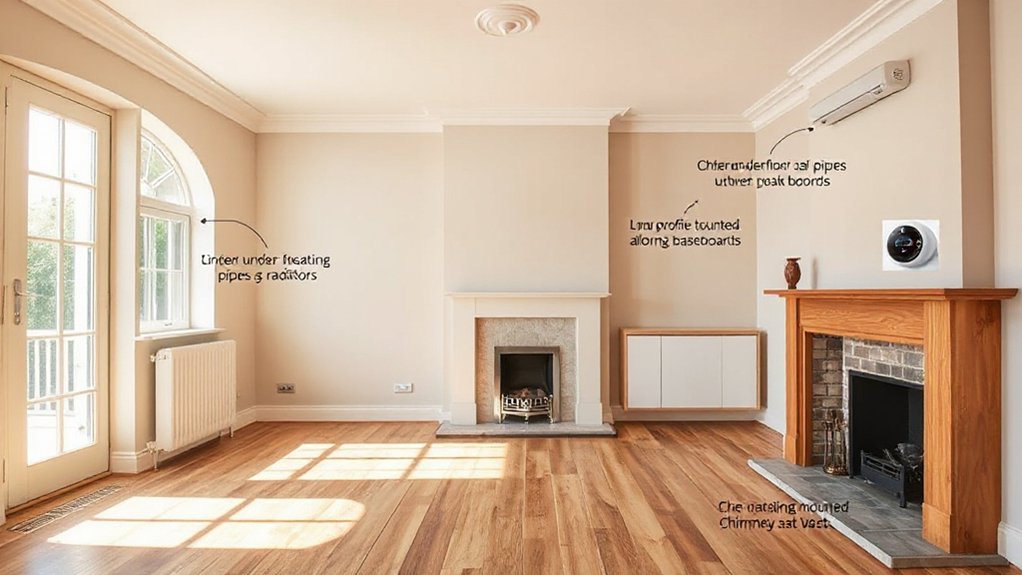
You’ll start with an efficient heating layout that targets zones you actually use, reducing waste and keeping each room comfortable.
Pair that with comfort-driven insulation to lock warmth in and prevent drafts from 1930s detailing that limit performance.
The result is a practical, forward-looking plan that balances efficiency, comfort, and predictable operability.
Efficient Heating Layout
Inside a 1930s semi-detached plan, an efficient heating layout starts with targeted zoning that keeps rooms comfortable without wasting energy. You’ll balance heat sources, ducts, and controls to deliver steady comfort while preserving vintage charm and modern comfort.
- Zone by use: living spaces, bedrooms, and utility areas controlled separately
- Skip over-ventilation noise by quiet, well‑insulated runs and smart thermostats
- Install low-temperature emitters for even warmth with minimal fan and pump effort
- Integrate seamless setbacks and swing temperatures to match daily rhythms
Think ahead: modular design accommodates future tech, reduces heat loss, and honors the home’s period character without sacrificing performance.
With precise zoning, you gain reliability, efficiency, and a calmer indoor climate.
Comfort-Driven Insulation
When you prioritize comfort-driven insulation in a 1930s plan, you fuse efficiency with a lived-in feel by selecting materials and details that curb heat loss without compromising character. You’ll pair dense mineral wool or foam boards with breathable inner layers, preserving heritage plaster while stopping drafts at key junctions.
Focus on airtight doors and upgraded sash seals, complemented by underfloor insulation and cavity fills that respect timber frame limits. Use zoned heating and smart thermostats to align warmth with occupancy, reducing waste.
For exterior, plant garden landscaping that minimizes wind exposure while framing sun paths, and install outdoor lighting that guides access without drawing excess heat loss. The result is steady comfort, lower bills, and renewed architectural clarity.
Kitchen Revival That Keeps 1930s Character

A kitchen revival that preserves 1930s charm starts with a precise plan: keep the original layout’s flow, restore the timber features, and modernize only what enhances usability. You focus on practical updates that respect scale, joinery, and the era’s proportions, pairing vintage charm with reliable efficiency.
Heritage preservation guides material choices, so you reuse cabinetry frames, install period-style hardware, and choose finishes that age gracefully. You’ll balance open daylight with thoughtful storage, ensuring counters stay clear for work flow.
Prioritize reliable plumbing and ventilation while maintaining character in the splash and lighting. The goal is a confident, timeless kitchen that serves today without erasing its lineage.
- Retain built‑in details and timber trims
- Choose period-appropriate hardware and finishes
- Upgrade only essential systems for usability
- Integrate concealed modern conveniences subtly
Timeless Bath Upgrades With Modern Subtleties
From the kitchen’s renewed sense of flow, focus now shifts to the bath, where timeless charm meets modern ease. You design a calm, functional space with lasting appeal by prioritising simple, durable fixtures and a restrained palette.
Choose Vintage fixtures that nod to the era—porcelain sinks, brass taps, and a compact tub—then offset them with clean lines and contemporary textures. Subtle accents—matte finishes, soft whites, and warm greys—keep the look cohesive without shouting.
Install efficient lighting and a discreet mirror with anti-fog tech to preserve airiness. Use glass for a shower enclosure to maintain space, and add tactile details like a pebble mat or woven towels.
Plan storage behind vanity doors to keep surfaces clear, so the bath remains tranquil and timeless.
Clever Storage Without Sacrificing Style
Clever storage is the backbone of a serene bath, letting you keep essentials out of sight while keeping surfaces uncluttered. You design compartments that vanish into the room’s lines, so function feels effortless and elegant. Start with vertical storage that draws the eye upward, then pair it with hidden drawers that glide quietly.
Use creative lighting to highlight niche shelving and prevent visual heaviness. Choose sustainable materials for built-ins to guarantee longevity and a smaller footprint.
- Built-in niches with shallow shelves for daily items
- Sliding panels concealing laundry or cleaning gear
- Recessed lighting to illuminate without glare
- Cabinets in a single finish to unify the space
This approach balances practicality, vision, and material mindfulness for a streamlined, stylish bath.
Surfaces and Finishes: 1930s Style, Modern Performance

Surfaces and finishes in a 1930s-inspired, modern-performance bath blend character with contemporary durability. You’ll mix vintage charm with today’s wear-resistance, choosing materials that endure while echoing the era’s warmth.
Opt for porcelain or enamelled ceramics with soft glosses, paired with matte wall panels to curb glare. Introduce retro textures—tile patterns, ribbed glass, and tactile concrete—to add depth without clutter.
Use restrained brass or nickel fixtures that read period-correct yet water- and corrosion-resistant. For countertops, select quartz or solid-surface slabs in muted creams and dove greys; seal edges to resist moisture.
Consider waterproof wallpaper or vinyl wall coverings in classic motifs for a low-maintenance option. Balance light reflectivity with warm undertones, creating a timeless, functional space.
Flooring Choices That Tie Eras Together
You can fuse eras with flooring that’s both durable and characterful: start with warm-toned wood-look tiles or planks that mimic 1930s-era herringbone or wide-plank patterns, then layer in a modern, low-sheen microtexture to reduce glare.
This approach blends Vintage charm with Modern minimalism, keeping spaces cohesive and legible at a glance.
- choose warm neutrals as a base to unify rooms
- mix textures with matte finishes for depth
- install aligned patterns to preserve flow
- select durable, easy-care materials for daily use
The result is practical, yet visionary: floors that feel timeless, resist wear, and still embody contemporary clarity.
You’ll enjoy a grounded palette that supports both classic detailing and fresh accents.
Doors, Windows, Timber Beams: Preserve Identity
Doors, windows, and timber beams are the architectural DNA of a 1930s semi, so preserve their identity by celebrating their original character while guiding them toward today’s life. You approach each element with measured intent: keep the proportion and rhythm of the original doors, restore panels where needed, and treat timber beams as anchors, not ornaments.
Use door hardware that respects era lines yet functions smoothly with modern pressure or smart access where appropriate. Retain sash profiles and glazing patterns, upgrading seals for comfort without altering silhouette.
In timber detailing, reveal grain, stabilize with compatible finishes, and pair warm stains with contemporary contrast. This approach maintains narrative consistency while delivering durability, ease of use, and a clear path from past to present.
Lighting for Space, Mood, and Energy

Lighting isn’t just about brightness—it’s a design tool that shapes space, mood, and energy efficiency. You’ll balance task lighting with ambient glow, using dimmable LEDs to adapt as days change. Choose lighting fixtures that complement period details while delivering modern efficiency, so rooms feel coherent and inviting.
Focus on layers: overhead, wall, and accent lighting that collectively guide circulation and mood. Create energy-smart illumination by zoning circuits and using timers for decorative spaces. Prioritize warm temperatures to evoke 1930s warmth without glare. Guarantee switch placement is intuitive and controls are responsive.
Mood enhancement comes from subtle halos, functional pockets, and a seamless shift between rooms.
- Layered lighting approach for every space
- Dimmable, warm-tone Lighting fixtures
- Zoning for energy efficiency
- Timers and accessible controls
Color Palettes That Honor the 1930s Spirit
You’ll start with rich neutrals as your backbone, pairing them with bold accents to anchor the room without overwhelming it. Think vintage patterns reimagined in crisp, modern fabrics and finishes that keep the 1930s spirit alive, while still feeling fresh and liveable.
Rich Neutrals, Bold Accents
Rich neutrals form the room’s backbone, while bold accents punctuate the 1930s spirit with confident contrast. You balance depth with air by selecting taupe walls, warm olives, and charcoal furnishings, then let jewel tones and brass details energize focal points.
This palette honors vintage charm while delivering contemporary comfort through durable fabrics and thoughtfully scaled pieces.
- Use a restrained color base and let accents spark interest without overwhelming
- Choose materials that read as timeless yet modern, like velvets and brushed metals
- Layer lighting to sculpt mood, from sconces to table lamps
- Plan furniture with generous scale, preserving period character while enhancing daily usability
Aim for clarity, precision, and longevity in every choice, so you achieve a cohesive, livable homage to the era.
Vintage Patterns, Modern Finishes
From the rich neutrals and bold accents of the previous topic, we now pair vintage patterns with modern finishes to map a cohesive 1930s-inspired palette. You’ll fuse vintage motifs with contemporary textures to keep spaces lively without clutter.
Start with a restrained wallpaper or textile pattern in a deep espresso or warm charcoal, letting it repeat subtly for rhythm. Complement with matte metals, lacquered wood, and soft-lead paints that echo period warmth while staying fresh.
Introduce geometric or chinoiserie-inspired motifs in accent pieces—chairs, lamps, or cushions—then balance them with solid surfaces and clean lines. Prioritize tonal harmony over busy contrast, and test light against pattern at different times of day.
This approach yields timeless elegance that feels both authentic and livable.
Room-by-Room Reconfiguration for Better Flow
Room-by-room reconfiguration starts with a clear map of how you move through the house. You’ll trace routes, sightlines, and heat paths to reveal dead zones and bottlenecks, then reallocate functions where they matter most.
Prioritize room adjacencies that support daily rhythm—kitchen to dining, living to circulation, bedrooms to quiet. Maintain Historical accuracy in detailing materials and finishes while embracing modern payloads without clutter.
Check Structural integrity before any wall moves, using temporary supports and professional guidance where needed. Visualize future uses, then test layouts with temporary furniture. Iterate until circulation feels effortless and zones read as a cohesive whole.
- Clarify primary paths and secondary routes
- Align doorways with furniture lines
- Consolidate noisy or underused spaces
- Preserve essential structural elements
Outdoor-Indoor Flow in a Semi-Detached Home
You’ll create seamless indoor-outdoor access that feels like one space, with doors and thresholds that disappear at the hinge line. Let natural light flood the connection, using wide glazing and strategic shading to keep interiors bright without glare.
This approach fuses practicality with vision, prioritizing precise detailing that invites you to use the outdoors as an extended living area.
Seamless Indoor-Outdoor Access
- Create a unified floor-to-ceiling connection between rooms.
- Choose materials that flow outdoors, like timber decking and stone.
- Plan garden landscaping as an extension of the interior aesthetic.
- Select compact outdoor furniture that complements interior seating.
With purpose, you’ll craft a fluid rhythm, where daylight, air, and views permeate daily life.
Natural Light Integration
How can you maximize natural light to blur the line between indoors and out in a 1930s semi-detached home? You assess existing openings and align them with the garden view, then choose glazing upgrades that optimize warmth and glare control.
Prioritize wide portals, slim frames, and continuous floor plans that invite sky into living zones. Use window treatments that flex from sheer daytime privacy to blackout at night, maintaining flow without sacrificing light.
Consider skylight installation in the hallway or kitchen to lift otherwise shadowed areas, ensuring even illumination and reduced artificial dependence. Pair light shelves with muted exterior colors to bounce daylight deeper.
Plan material palettes and furniture layouts to reflect light, enhancing perception of space while preserving the home’s character.
Budget-Smart Upgrades: High Impact, Low Fuss
Budget-smart upgrades deliver big impact with minimal disruption. You’ll repurpose existing features and add high-value touches that read as cohesive, not gimmicky. Focus on three pillars: preserve charm, enhance function, and safeguard structure with smart cues from historical preservation and practical structural reinforcement.
Prioritize paint, lighting, hardware, and textiles to transform mood without major upheaval. Choose materials that echo 1930s details but meet today’s durability standards.
- Replace dated fixtures with period-appropriate, low-maintenance options
- Update lighting plan to brighten without overpowering architectural features
- Use layered textiles and color that nod to era while improving acoustics
- Strengthen key joints and supports discreetly for lasting stability
With this approach, you gain a modern feel that respects the past and stays solid for decades.
Maintenance Mindset: Long-Term Care for a Modernised Home

Proactive maintenance keeps your modernised 1930s home reliable and comfortable, blending enduring craftsmanship with practical routines. You’ll build a simple, repeatable cadence: monthly checks, seasonal inspections, and documented repairs that protect every component.
Prioritize the exterior facade and roof line, noting paint gaps, flashing, and gutter condition to prevent costly damage.
Create a garden design mindset that integrates airflow, drainage, and vegetation control with structural care, reducing moisture risks around foundations.
Maintain HVAC, electrical, and plumbing with proactive filter changes, belt inspections, and leak tests, logging results for trend analysis.
Schedule a yearly deep-dive: reseal windows, inspect insulation, and verify door thresholds.
Treat maintenance as a living system—adjusting plans as you learn, ensuring your home stays efficient, comfortable, and ready for future upgrades.
Frequently Asked Questions
How Do I Balance 1930S Charm With Modern Accessibility?
You balance 1930s charm with accessibility by prioritizing period authenticity while weaving accessibility enhancements; install doorway widenings discreetly, choose lever handles, install step-free entries, and keep original features visible, practical, and thoughtfully integrated for inclusive, stylish living.
What Budget-Friendly Upgrades Deliver Biggest Impact?
Bright coincidence hits when you swap colors: pick timeless color schemes and layered lighting solutions, then refresh with affordable drapery and hardware. You’ll gain ambiance, focal points, and practicality, budgeting smartly while you transform spaces with intentional, scalable upgrades.
Can Open-Plan Layouts Work Without Losing Character?
Yes, open-plan layouts can work without losing character. You’ll restore echoes of era with vintage lighting and antique fixtures, zoning with partial walls, and keep timber details visible, so flow remains practical, stylish, and distinctly 1930s‑inspired.
Which Materials Best Bridge Eras Without Clashing?
You should blend vintage fixtures with timeless textiles to bridge eras without clashing. You’ll choose materials like warm woods, brass accents, and muted stone, focusing practical details, visionary cohesion, and durable finishes that feel intentional and future-proof.
How Often Should Heritage Features Be Inspected and Maintained?
Like clockwork, you should inspect heritage features annually and maintain them every 1–2 years. You’ll apply restoration techniques carefully, anticipate preservation challenges, document wear, and prioritize proactive upkeep to protect character while enabling modern living.
Conclusion
You’re transforming a 1930s semi into a bright, breathable home with modern ease. Prioritize insulation, daylight, and a flowing plan that respects heritage yet feels fresh. Invest in a smart lighting and electrical plan, tight draftproofing, and rooms that adapt to your daily rhythms. One surprising stat: after thoughtful обновления, homeowners report a 25–40% boost in perceived space and energy savings. Stay practical, visionary, and detail‑oriented, and your home will age with grace while serving your future self.