
To choose a reliable general contractor, start with clear communication, proof of licenses, insurance, and solid references you can verify. Assess their track record, scope clarity, and detailed, line-item bids with change-order procedures. Check contract terms, payment milestones, and how they handle permits, delays, and quality control. Visit past job sites or call references to gauge timeliness and workmanship. Watch for red flags like vague quotes or upfront cash demands. If you keep exploring, you’ll uncover even more safeguards.
Signs of a Reliable General Contractor

Look for transparency from the start. You’ll spot a reliable contractor by how they communicate, not just what they promise. Seek documentation that proves contractor qualifications and a track record of dependable results. They should present a clear, verifiable license, appropriate insurance, and verifiable references.
A top-tier professional also demonstrates rigorous project planning: detailed timelines, milestones, and a sensible sequence that minimizes surprises. Notice how they frame costs, change orders, and risk mitigation with upfront honesty. They explain scope boundaries and potential tradeoffs without vague hand-waving.
Their approach to problem-solving is proactive, not reactive, and they own accountability when issues arise. If communication, transparency, and disciplined project planning align with your standards, you’ve found a contractor who earns your confidence and your investment.
Define Your Project Scope and Budget Up Front
Defining your project scope and budget up front sets the foundation for a smooth build. You determine what’s included, what’s excluded, and the milestones that keep you on track.
Start with a precise project scope: room-by-room deliverables, materials quality, finishes, and performance goals. Then establish a realistic budget by pricing essentials, contingencies, and permits, so you won’t chase costs midstream.
Use budget planning to create a transparent financial map you can reference during decisions. Document assumptions, acceptance criteria, and change procedures to prevent scope creep.
Align your contractor’s bid with your scope and schedule, ensuring you’re comparing apples to apples. This upfront clarity reduces surprises, speeds decision-making, and strengthens accountability—giving you power to steer the project with confidence.
Gather Local Pros: Licensing, Insurance, and Credentials
To hire confidently, check that local pros hold valid licenses and up-to-date credentials. Verify insurance and bonds before you sign anything. This protects you from faulty work and unexpected costs.
Start by confirming licensing requirements in your area and requesting proof of coverage and certifications.
Licensing And Credentials
Licensing, insurance, and credentials aren’t optional bells and whistles—you’re investing in safeguards, not chances. You should verify contractor licensing to confirm you’re dealing with a compliant professional, and you shouldn’t accept anything less. Demand credential verification for any associations, certifications, or trade memberships the contractor claims. Check with the issuing bodies, not just the paperwork they present.
Ask for a current license number, jurisdiction, and expiration date, and confirm it’s in good standing. Review insurance details—liability and workers’ compensation—to protect you from costly mishaps on site. A transparent contractor will provide sources, dates, and verifiable records.
When credentials check out, you gain leverage and peace of mind, knowing you’re partnering with a service that prioritizes accountability, quality, and accountability again: compliance, competence, and consistent performance.
Insurance And Bonds
When things go wrong on a job site, you want certainty, not guesswork. Insurance and bonds aren’t optional—they’re your protection against mistakes, accidents, and upheaval.
Require proof of insurance coverage from your contractor, and verify the policy limits, carrier, and expiration dates. A robust policy should include general liability, builder’s risk, and workers’ compensation to cover both property damage and on-site injuries.
Don’t settle for vague assurances; demand certificates that list your project explicitly. In addition, confirm bonding requirements and the contractor’s bonding status.
A proper surety bond guarantees performance and payment, giving you recourse if the project stalls or subcontractors aren’t paid.
With solid coverage and bonds in place, you command risk, preserve schedule, and safeguard your investment.
Check a General Contractor’s Track Record and References
You should review the contractor’s project history to see the types and scopes of work they’ve completed.
Verify references thoroughly, asking specific questions about timeliness, budget trustworthiness, and workmanship.
Cross-check contact details to confirm you’re speaking with real, current references and not outdated or unofficial sources.
Check Project History
Before hiring, check the contractor’s project history to gauge reliability and workmanship. You’ll evaluate how prior jobs were planned, scheduled, and executed, focusing on consistency and outcome.
Review past project reviews with a critical eye: were budgets kept, timelines honored, and quality sustained from start to finish? Look for patterns—repetitive delays, recurring change orders, or frequent subcontractor turnover signal risk.
A strong contractor reputation isn’t just about finished facades; it’s about durable results, documented problem resolution, and satisfied clients who’ll vouch for reliability.
Compile a concise timeline of completed projects, noting scope, scale, and any notable challenges overcome. Use this data to form a verdict on capability and reliability, ensuring your decision rests on verifiable evidence rather than impression alone.
Verify References Thoroughly
Thoroughly verify a contractor’s references by speaking directly with past clients, subs, and vendors who can attest to performance, reliability, and problem-solving. You should conduct structured interviews, ask specific project questions, and confirm timelines, budget adherence, and quality of work.
Gather at least three verifiable references and verify scope, change-order handling, and safety practices. Cross-check publicly available information, licenses, and any disciplinary actions. Document patterns: consistent on-time delivery, responsive communication, and premiere workmanship.
Perform background checks to uncover prior claim histories or unresolved disputes. Consider legal considerations, such as contract clarity, warranty terms, and dispute resolution mechanisms, before finalizing any agreement.
Use the data to benchmark the contractor’s track record against your project’s risk tolerance and expectations.
Cross-Verify Contact Details
Cross-verifying a contractor’s contact details is essential before you commit. You’ll verify every lead by calling the business line, cross-checking addresses, and confirming email domains match official sites. Don’t rely on one source; triangulate with a second reference whenever possible.
Then, probe the track record: ask for previous projects, timelines, and whether the contractor completed work within budget. Check license verification with the state or locality to ensure current status and any disciplinary history. Review licenses, registrations, and insurance certificates for validity.
Assess contractor credentials, including professional affiliations and certifications, to gauge competence. Finally, request written references and contact them directly to confirm performance, reliability, and problem-solving under pressure.
This disciplined due diligence guarantees accuracy and strengthens your negotiating position.
Request Detailed Bids and a Clear Change-Order Process
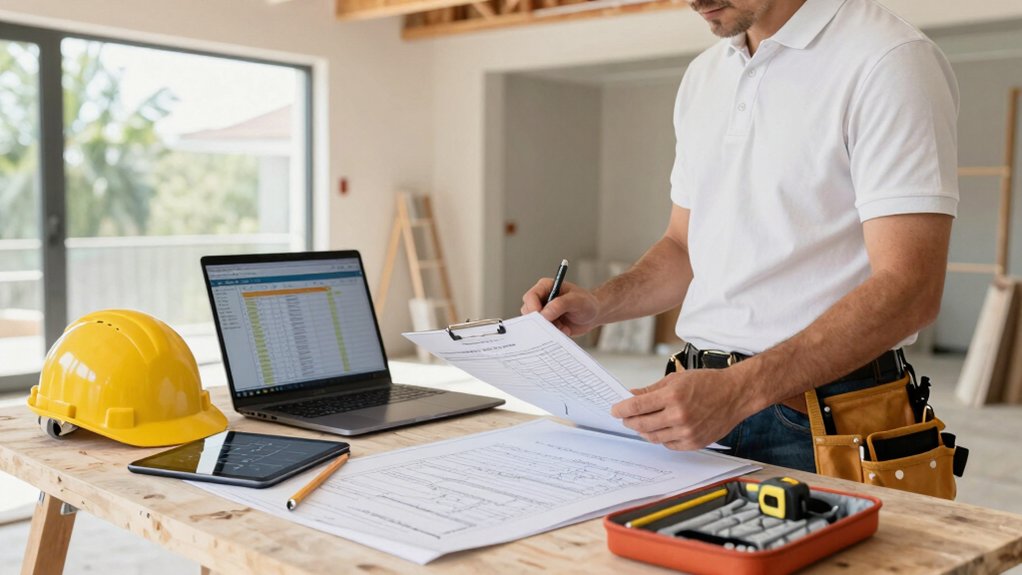
When you request bids, insist on detailed, line-item estimates that cover materials, labor, permits, contingency, and any subcontractor charges. This clarity protects you during budget planning and keeps every party accountable.
Ask for a defined scope with quantities, unit costs, and accepted substitutes to prevent creeping expenses. Require a transparent change-order process: written proposals, timely approvals, and documented impacts on cost and schedule.
Establish thresholds for minor changes vs. major overhauls, and insist on no work without written authorization. Use bids to compare material selection and pricing, not just overall totals.
Tie every quote to your project goals, ensuring the contractor aligns with your budget and quality standards. Enforce timely updates and version control to maintain control over the project.
Compare Timelines, Milestones, and Scheduling Practices
Compare timelines, milestones, and scheduling practices by focusing on clarity and accountability: require a master schedule with critical path, milestone dates, and baselines you can track against. Then verify that each trade and subcontractor’s schedule aligns with the overall project plan.
You set the cadence, monitor progress, and hold teams to firm deadlines. Emphasize project scheduling when evaluating bids, insisting on transparent Gantt charts, resource loading, and buffer allowances to absorb delays.
Track milestone management with clear owners, dates, and consequences for slip. Use baselines to measure variances, not excuses.
Align every subcontractor’s schedule to the master plan, and require regular updates and quick corrective actions. Your authority guarantees predictable delivery, fewer surprises, and accountability across all stakeholders.
Evaluate Communication and Responsiveness
Evaluating communication and responsiveness starts with clarity: you should expect timely, direct updates and unambiguous explanations when issues arise. You’ll resist delays, insist on a predictable cadence, and demand straight answers without euphemisms.
Prioritize a contractor who demonstrates communication clarity in every interaction—from initial proposals to change orders. Assess responsiveness speed by noting how quickly they acknowledge questions, provide concrete timelines, and follow through.
Set expectations up front: a clear communication plan, designated point of contact, and documented progress reports.
Favor decisive, proactive teams that flag risks early and propose solutions, not excuses. Good communication isn’t decorative; it protects schedules, budgets, and accountability.
If messages feel vague or sparse, seek a partner who aligns with your need for precise, timely information.
Quality Control and Subcontractor Oversight
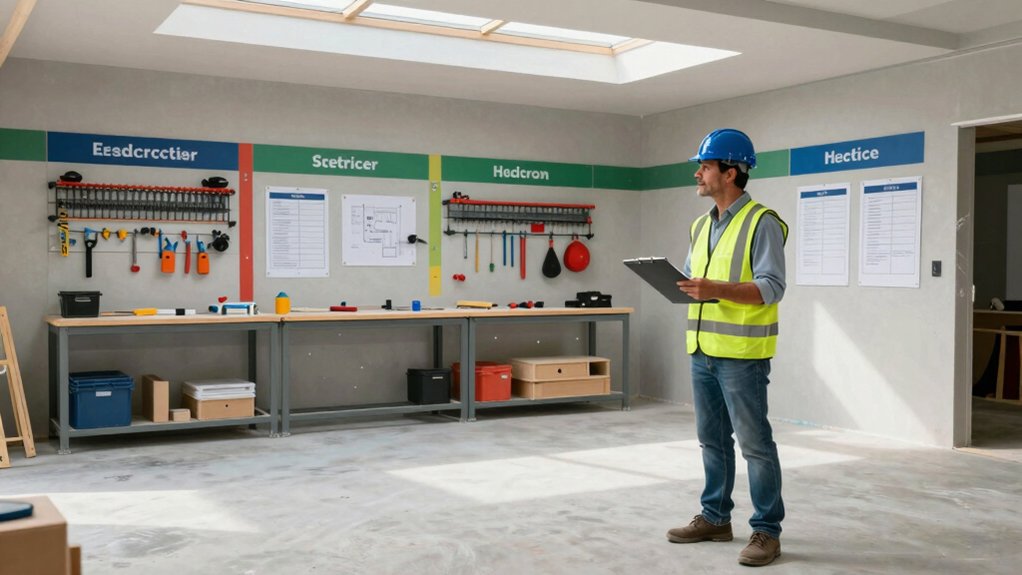
Quality control and subcontractor oversight guarantee the work meets your standards from day one. You demand precision, so expect rigorous quality assurance protocols from your contractor. They should implement clear checklists, milestone inspections, and objective benchmarks that align with your project goals.
Through proactive subcontractor management, performance is tracked, issues are surfaced quickly, and accountability is enforced across trades. You’ll want standardized procedures for material approvals, route maps for site access, and documented nonconformance resolutions that keep momentum without compromising safety.
A reliable contractor assigns experienced foremen to oversee each team, schedules regular progress reviews, and communicates deviations promptly. When subcontractors operate under cohesive guidelines, you gain consistency, cost control, and peace of mind that the finished result meets your exacting standards.
Understand Contract Terms and Payment Schedule
Understanding contract terms and the payment schedule is essential to prevent surprises and keep your project on track. You must read every clause carefully, focusing on payment terms, milestones, and what happens if delays occur.
Clarify who holds permits, who signs change orders, and how final payments are released. The contract language should spell out exact deliverables, timelines, and acceptance criteria so you’re not guessing later.
Look for clear progress payments tied to verifiable milestones, and insist on protections for you if workmanship is substandard or materials arrive late. Ensure warranties, lien releases, and insurance requirements are stated plainly.
Don’t sign vague terms; insist on precise, enforceable language that supports your control and minimizes risk throughout the project.
Red Flags to Watch When Hiring a General Contractor
Watch for red flags early, because spotting them now can save you headaches later. You’ll want certainty, not excuses, when you hire a general contractor.
Red flags include vague or missing written quotes, an upfront cash-filled demand, or pressure to sign before you review documents. If a contractor won’t provide licenses, insurance, or a solid lien waiver, consider it a warning bell.
Beware dramatically low bids that can’t be justified by scope, and requests to use subcontractors you didn’t approve. Don’t tolerate vague timelines or frequent name changes on the contract.
Reputable pros don’t dodge references or site visits. If it smells like contractor scams, trust your instincts and walk away.
Protect your project, standards, and budget by choosing proven, transparent leadership.
Conduct Site Tours and Reference Calls

To conduct site tours and reference calls effectively, you should start with a structured plan: visit current job sites to verify progress, safety, and workmanship. Then, talk to past clients to gauge satisfaction and reliability.
During site inspection, observe workmanship standards, material handling, and adherence to timelines. Ask project leaders for daily logs and issue resolution processes, and note any safety violations or delays.
For client interviews, request outcomes, budgets, and communication quality to assess reliability. Verify subcontractor coordination, warranty responsiveness, and post-completion support.
Document observations succinctly, then compare notes with teammates to identify patterns. Prioritize transparency, consistency, and accountability in your evaluations.
This disciplined approach reduces risk and strengthens your contracting position without overstepping boundaries or becoming intrusive.
Make Your Final Choice With Confidence and Next Steps
When you’re ready to commit, trust the data you’ve collected from site tours, references, and your notes. You’re at the decisive stage, so act with precision and intent.
Compare finalists against your top criteria: timelines, cost clarity, and quality guarantees. Ask for written project warranties and verify what they cover, for how long, and who handles defects.
Prioritize contractor ethics—how they communicate, document changes, and resolve issues—and ensure the bid reflects realistic allowances, not aspirational figures.
Confirm licensing, insurance, and safety practices, then secure a detailed, fixed-scope contract with milestone payments.
Once aligned, request a start date and a clear sequence of deliverables. Your final choice should feel enforceable, transparent, and accountable, with a practical plan for oversight and collaboration throughout the build.
Frequently Asked Questions
How Long Should a Typical Project Take From Start to Finish?
Typically, a project runs 4–6 weeks for small jobs, 3–4 months for medium, and 6–9 months for large builds. You’ll speed it by decisive Material Selection, Design Compatibility, clear milestones, and proactive decision-making.
What Happens if the Project Exceeds the Budget?
If the project overruns budget, you plan for cost overruns and address scope creep head-on: renegotiate contracts, adjust milestones, and document changes. You tighten controls, demand transparent updates, and insist on updated budgets to protect your power.
Do I Need a Permit and Who Handles It?
Storm clouds roll as you act: you need a permit, and your contractor handles it. You determine permit requirements and scope adjustments, ensuring compliance and power. You own the process, demand prompt updates, and verify every submitted document.
How Will Changes in Scope Affect Timing and Cost?
Changes in scope will shift timing and cost; expect schedule disruptions and budget spikes. Track scope adjustments meticulously, require written changes, and secure approvals to limit unexpected costs while you maintain project momentum and control.
What Liability Coverage Is Required During the Project?
You must confirm you have insurance requirements in place, and that the contractor carries liability insurance to cover injuries and property damage. Verify limits, types (bodily injury, property damage), and add certificates before work starts.
Conclusion
Trust your due diligence, and trust your gut—coincidence often reveals the right fit. You’ll spot a reliable contractor not just by license or a glossy brochure, but by how closely their estimates match reality, how they handle change orders, and how clearly they communicate. When references confirm solid results and a site feels organized, you’ve likely found your match. Stay decisive, document everything, and expect the unexpected—coincidence aside, preparation and patience pay off in every project.