You’re weighing the price tag of a garden room or home office, balancing basics against upgrades like insulation, utilities, and finishes. The cost isn’t just size—it’s materials, build quality, and whether you opt for prefab simplicity or a full custom fit with climate control. As you map out needs and site constraints, you’ll start to see how small choices compound. The next step reveals where you can save without sacrificing value.
What Counts as a Garden Room or Home Office?
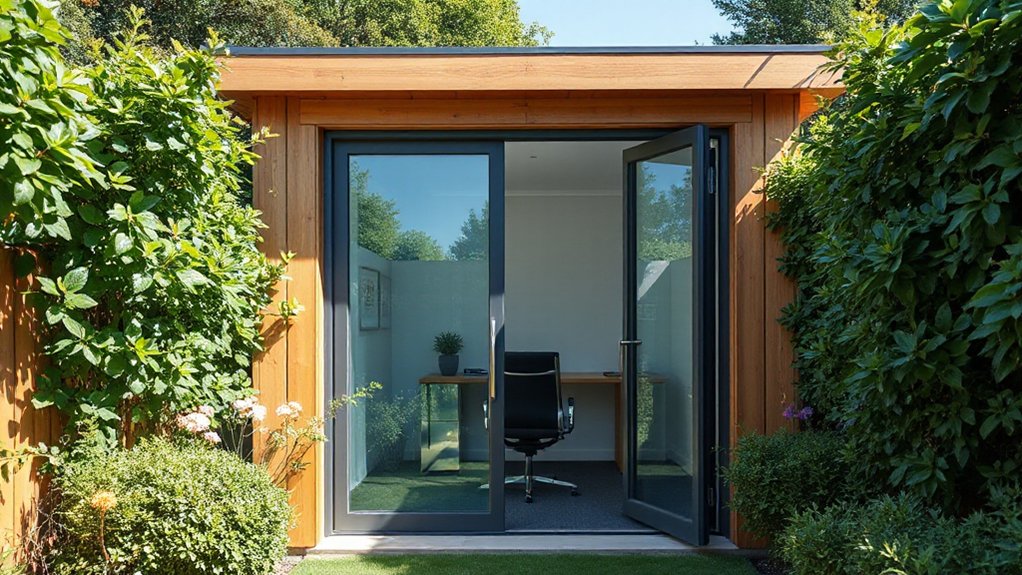
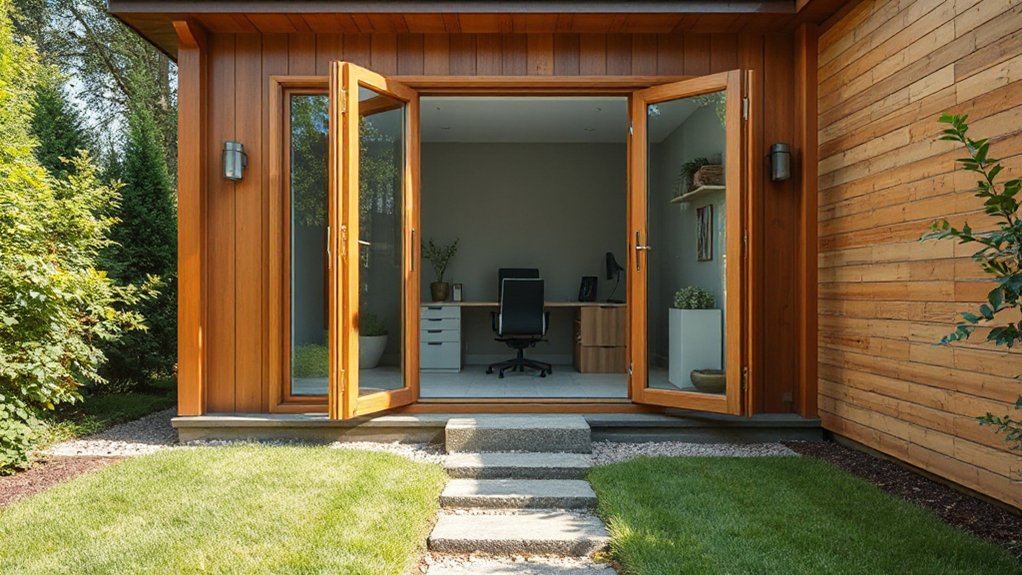
A garden room or home office is a separate structure used for work, study, or leisure, located outside your main house. You’ll count it as a garden room when it’s primarily used as a functional workspace or retreat, with enough insulation, ventilation, and sources of power to support daily activities.
It isn’t a detached shed or hobby hut unless it meets basic standards for occupancy, safety, and usability. Practical criteria include zoning compliance, weatherproofing, secure access, and adequate lighting.
Assess how you’ll access it, store essentials, and manage noise. Consider garden room accessories that improve comfort without clutter, and plan outdoor landscaping to integrate it with your yard.
Clarity in scope helps prevent scope creep and aligns expectations with cost.
Garden Room Cost: Typical Price Ranges by Project Type
Prices for garden rooms vary widely by project type, and understanding the breakdown helps you set realistic expectations. You’ll see the biggest swings come from core build type—basic shed conversion, insulated prefab units, and full-scale extensions with utilities.
A simple shed conversion tends to be the least expensive, often under a few thousand dollars for minimal finishes, while insulated prefab studios rise into mid-range territory with better windows and HVAC.
Full extensions with plumbing push costs higher, especially if you add electrical upgrades or a dedicated heating system.
Landscaping costs can add a noticeable but separate line item, especially for grading, drainage, and outdoor access.
Don’t forget permit fees, which can vary regionally and influence your project’s timeline and paperwork requirements.
The Cost Impact of Size: How Square Footage Changes Price
Size matters in garden room budgeting: as you add square footage, costs tend to rise more than linearly because the extra space triggers longer builds, more materials, and greater labor. The size you choose directly reshapes baseline construction costs, foundation needs, and permitting steps, so small increases can shift your overall budget meaningfully.
You’ll notice cost per square foot often drops only gradually as room size grows, while total expenses climb faster due to added fixtures, climate control, and finish work. Plan with purpose: maximize usable area without excessive surplus.
Consider how garden decor and plant selection interact with scale—bigger rooms demand more curated aesthetics and horticultural planning. Prioritize efficient layouts, avoid underestimating storage, and align size with intended use to optimize value.
Material Choices: Timber, Steel, or Hybrid – Price Implications
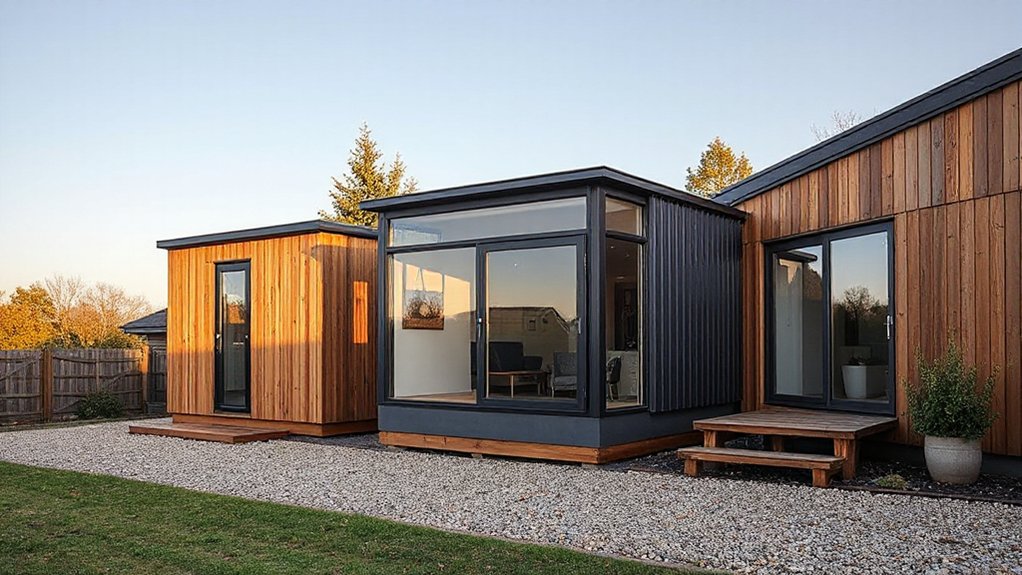
With timber, steel, or a hybrid system, material choice directly shapes upfront costs, long-term maintenance, and overall build efficiency. You’ll weigh initial price against durability and installation complexity, then project life-cycle costs.
Timber offers natural warmth and straightforward sourcing, but you’ll face ongoing treatments and potential weather exposure.
Steel delivers a sleek, low-maintenance profile and predictable timelines, yet initial outlay can be higher and thermal performance varies by cladding.
A hybrid blends benefits, potentially lowering total cost per square meter while preserving aesthetic appeal.
Consider material durability in your climate, maintenance cadence, and how often you’ll need specialists. Your decision should align with intended use, frequency of access, and long-term value, ensuring price implications match your preferred performance and visual goals.
Insulation and Energy Efficiency: Price and Value
Insulation costs hinge on material choice, thickness, and installation quality, so up-front quotes should itemize each factor.
You’ll gain value when you weigh long-term savings on heating and cooling against the initial price, not just the sticker cost.
Let’s assess energy performance metrics and durability to determine the true cost per year and the payback period.
Insulation Cost Factors
What factors drive insulation costs, and how do they impact long-term value? You’ll weigh material R-values, vapor barriers, and installation quality, because performance isn’t just what you pay upfront.
Higher-density materials or multi-layer systems raise initial costs but reduce heating and cooling loads, improving year-round comfort and energy bills.
Installation gaps, air leakage, and incorrect sealing erode savings, so expect value from skilled labor and proper detailing.
Expect trade-offs between thickness, room size, and internal finishes, since thicker assemblies add weight and may affect structure.
Budget for moisture management and ventilation to prevent future recalls or repairs.
As you plan, consider Gardening techniques and Plant selection in adjacent external spaces, since landscape choices can influence shade, heat load, and microclimate, subtly impacting insulation needs and long-term value.
Energy Efficiency Value
Is energy efficiency worth the upfront cost? You’ll see value in lower running bills, better comfort, and fewer temperature swings.
Insulation thickness, airtightness, and efficient glazing determine year-round usability, especially when you’re balancing garden aesthetics with practical space needs.
A well-insulated room reduces heat loss, letting you enjoy the space in winter and summer without extreme climate control.
Thoughtful airflow and thermal breaks prevent drafts, boosting comfort and performance.
Align insulation choices with long-term goals: plant selection and garden views influence heat gain and shading, while glazing choices affect natural light.
Consider cost-per-year saved, not just upfront price, to gauge value.
A balanced approach keeps your garden room efficient, inviting, and adaptable to changing seasons.
- garden aesthetics
- plant selection
- heat loss vs. comfort
- long-term savings
Foundations for Garden Rooms: Options and Cost Differences
There are several foundation options for garden rooms, each balancing cost, speed of installation, and long-term stability. You’ll weigh concrete slabs for durability against timber frames for flexibility, and pick pier and beam when soggy ground risks stability.
Ground-bearing options save time, but subgrade prep matters, especially in clay or flood-prone zones. Low-height concrete blocks offer quick leveling, yet may require additional reinforcement.
For online planning, consider drainage and future access, since landscaping considerations influence levelling, insulation under the base, and moisture control. If you expect frequent access, a floating slab can reduce crack risk, but you’ll trade some rigidity.
Prioritize security features from the ground up: anchored fixings, steel-reinforced edges, and discreet foundation hardware to deter tampering.
Framing Options: Timber, Steel, or Hybrid, and When to Pick Each
Choosing the right framing sets the tone for longevity, ease of build, and how you’ll use the garden room long-term. Your choice affects upfront price, maintenance, and security considerations, so pick with intent.
Timber feels warm and fast to install but may need more upkeep.
Steel offers strength and slim profiles with lower maintenance.
Hybrids blend advantages for a balanced option.
Consider climate, load requirements, and future expansion when deciding.
- Timber: quick build, natural look, higher upkeep
- Steel: durability, low maintenance, precise framing
- Hybrid: best of both, versatile, cost-conscious
- Security implications: lock quality, door geometry, and anchoring
Factor landscaping costs into site prep and choose a framing that minimizes long-term maintenance while preserving resale value.
Roofing Choices: Long-Term Value and Price
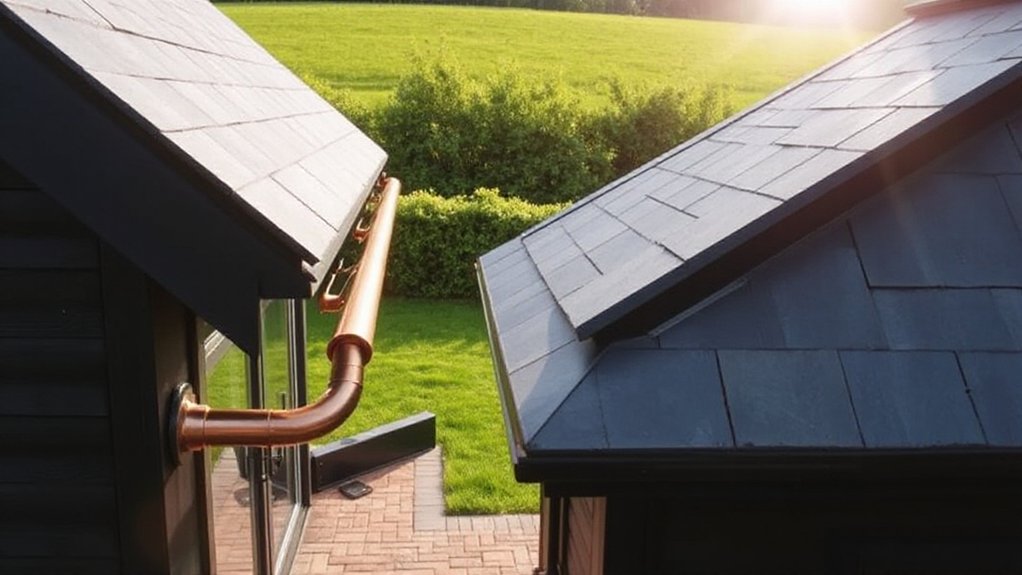
When you weigh roofing choices, consider long-term costs beyond the sticker price, including maintenance and replacement frequency.
Material longevity and value matter, so you’ll want options that minimize ongoing upkeep while delivering reliable protection.
Factor in installation time and price too, since quicker installs can reduce labor costs and shorten downtime.
Long-Term Roofing Costs
- Choose a roofing option with proven weather resilience and warrantied life.
- Factor maintenance cycles into annual cost planning.
- Consider insulation and ventilation impacts on energy use.
- Balance aesthetic goals with performance, avoiding frequent replacements.
Smart selection minimizes disruption, GV reduces long-term labor, and preserves exterior appeal.
You’ll benefit from a roof that stays reliable through seasons, supports efficient insulation, and complements your landscape.
A durable roof keeps garden design cohesive, while relying less on frequent fixes around outdoor lighting.
Material Longevity and Value
How does the long-term value of roofing options stack up against their upfront price? You weigh durability, maintenance, and lifespan alongside initial cost to determine true value.
Metal roofs often offer top longevity with minimal upkeep, but you pay more upfront; they excel where weather resilience matters.
Asphalt shingles are cheaper initially and improve with modern warrants, yet may require more frequent replacement.
Clay or concrete tiles bring exceptional durability and fire resistance, but heavier loads and installation complexity add cost.
Consider how the roof interacts with landscape gardening—ventilation, shade, and moisture control affect plant health and structure.
Security measures matter too; a robust roof reduces risk of intrusion and weather damage.
Focus on total cost of ownership, not sticker price alone.
Installation Time and Price
Roofing choices aren’t just about long-term value; installation time and price set the practical pace for any project. When you compare options, factor both the upfront cost and how quickly a roof can be installed, since delays ripple into landscaping costs and overall schedule.
Quick installs may save labour hours, but you’ll trade certain durability or features for speed. Look for a balance between service life, maintenance, and integration with security features you want, such as reinforced access or weatherproof seals.
In practice, choose roofing that minimizes disruption to your yard while delivering reliable insulation and drainage. Consider bidding from reputable installers who outline milestones, waste disposal, and warranty coverage upfront.
- Installation timeline and milestones
- Material lifespan and maintenance
- Landscaping costs integration
- Security features and sealing standards
Windows and Doors: Glazing, Safety, and Cost Considerations
Windows and doors matter as much as the frame itself: selecting glazing, ensuring safety, and weighing costs can make or break comfort, energy use, and long-term maintenance. You should treat glazing as an investment in comfort and efficiency, not a cosmetic choice.
Start with window design that suits your climate, orientation, and use patterns, aiming for good solar gain control and low U-values.
Safety features matter as much as aesthetics, including secure locks, laminated glass for impact resistance, and compliant glazing for egress.
Consider cost implications across the life cycle: initial price, maintenance, and potential insurance savings.
Favor versatile doors with airtight seals and resistance to warping.
Balance daylight, privacy, and ventilation, and document warranties to avoid surprises later.
Interior Finishes: Budget, Midrange, and Premium Options
Choosing interior finishes is about balancing budget, durability, and day-to-day feel, since the right materials influence comfort, upkeep, and long-term value. You’ll find budget options that maximize value with paint, laminate, and durable trims, while midrange choices elevate warmth and texture. Premium finishes deliver longevity, refined aesthetics, and better acoustic performance.
For Interior lighting, select layered options that suit each zone without overloading the circuit. Landscaping design considerations subtly inform interior mood through color ties and natural light cues. Be deliberate about maintenance workflows, installation timelines, and resale appeal.
- Budget: durable paint, laminate surfaces, simple trim, cost-efficient lighting
- Midrange: engineered timber, premium laminates, soft-close hardware, integrated lighting
- Premium: solid surface counters, natural stone, custom cabinetry, designer fixtures
Finishes compatibility: moisture resistance, ventilation, and cleaning routines
Electrical and Plumbing: Essential Spend for a Studio
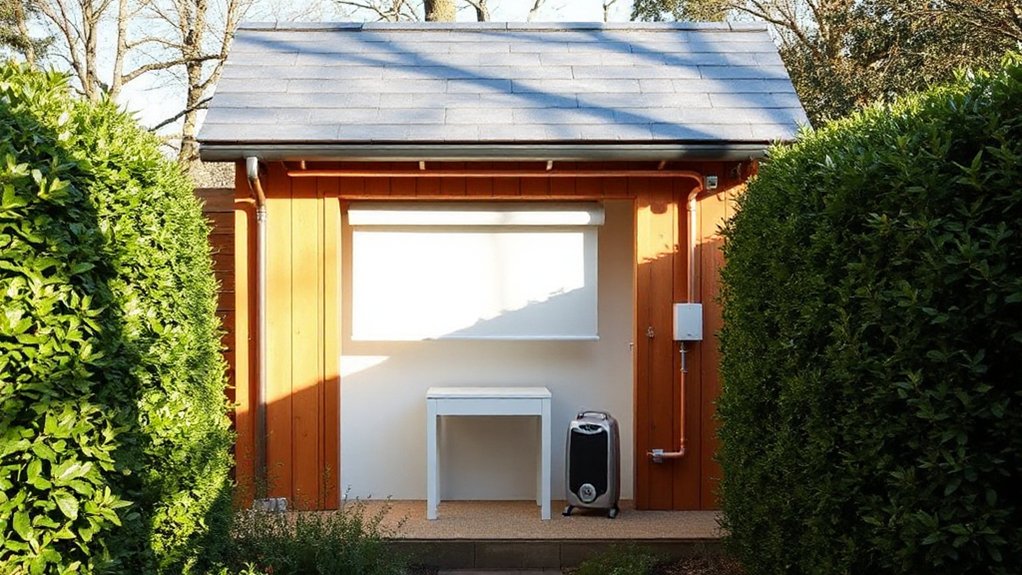
Even in a compact studio, you’ll want a reliable power and water setup from day one, so plan for essential circuits, outlets, lighting, and basic plumbing fixtures that support daily use without overbuilding.
You’ll want a sensible electrical layout: dedicated circuits for a fridge, workstation, and heating if needed, plus USB charging and outdoor-rated outlets for tools.
Plumbing focus: a compact, leak-proof sink, a hygienic supply line, and efficient drainage to avoid future fixes.
Factor water pressure and heater location to minimize heat loss and noise.
Budget for a water-efficient bathroom or kitchenette if included.
Garden aesthetics and plant selection influence exterior wiring routes and drainage planning, so integrate low-impact runs.
Practicality, not overengineering, keeps your studio safe, functional, and cost-conscious.
HVAC and Climate Control: Staying Comfortable Year-Round
How can you keep a garden studio comfortable year-round without wasting energy? You’ll optimize HVAC by pairing efficient equipment with smart controls, targeting comfort zones while reducing run-time.
Start with a compact heat pump or mini-split for efficient heating and cooling, paired with a programmable thermostat. Seal gaps, insulate walls and ceiling, and use draft-stopping to cut energy loss.
Employ zone management to heat or cool only occupied areas, and leverage natural ventilation on mild days. Integrate garden decor to complement climate control, and maintain plants to regulate humidity and temperature.
Maintain filters and coils for peak performance, and schedule annual service.
- Efficient equipment and smart controls
- Proper sealing, insulation, and ventilation
- Zone-based heating/cooling
- Routine maintenance and garden integration
Permits, Planning, and Site Prep: What to Expect and Costs
Permits, planning, and site prep set the foundation for a smooth garden studio build, and skipping them can derail timelines and budgets. You’ll need to check local zoning, setbacks, and building codes, then secure permits before breaking ground. Expect inspections at key milestones and potential delays from weather or administrative backlogs.
A clear site plan helps you optimize access, drainage, and utilities while minimizing disruption to your yard. Budget for surveys, soil tests, and foundation prep, plus contingency for unexpected hurdles.
From a practical standpoint, assemble a straightforward scope with milestones to keep on track. Consider landscaping ideas that integrate the structure with existing terrain and improve drainage.
Plan lighting solutions early to guide installations and improve safety for after-hours work.
Prefab vs Custom Garden Rooms: Costs, Pros, and Trade-Offs

Prefab garden rooms offer a faster path to usable space and a more predictable budget, but they trade some customization for efficiency. You’ll compare prefab versus custom builds by cost timing, and long‑term value, not just sticker price.
Prefabs usually win on speed and install disruption, while custom rooms tailor layout, finishes, and integration with your site. Trade‑offs include insulation, HVAC, and potential program flexibility.
For landscaping, consider how each option supports landscaping enhancements, from planters to level access.
Security upgrades may differ in framing and door hardware, so evaluate the base system and optional alarms.
- Speed of construction and occupancy
- Customization versus standard layouts
- Landscaping enhancements integration
- Security upgrades and system compatibility
Hidden Costs to Budget for During Build
Hidden costs rarely show up in sticker prices, yet they can derail your budget if you don’t plan for them. When you’re budgeting a garden room, expect extras beyond the base build. Structural tweaks, site prep, and foundation adjustments can surprise you after digging begins.
Permit fees, inspections, and engineering reports may add months of delay and incremental costs you hadn’t forecast. Utilities hook‑ups, wiring, and insulation choices influence both upfront price and ongoing comfort.
Weather delays, material shortages, and subcontractor availability can push timelines and budgets off course. Practice rigorous budget planning by adding a contingency, tracking changes, and documenting every change order.
Stay disciplined about approvals and cost records to keep the project on track and prevent small overruns from spiraling.
Smart Features for Garden Rooms: Costs and Benefits
Smart features can transform a garden room from a simple shelter into a functional, year‑round workspace or retreat, but they come with both upfront costs and long‑term savings to weigh. You’ll balance initial install prices against energy efficiency, maintenance, and added productivity.
Smart lighting reduces electricity use and glare while tailoring ambiance for work or relaxation.
Security systems deter theft and provide remote monitoring, protecting equipment and data.
Consider automation that adapts to daylight, occupancy, and weather to minimize waste.
Here are key considerations:
- Upfront cost vs. long‑term energy savings
- Ease of installation and future upgrades
- Data privacy and access control
- Potential impact on insurance and resale value
How to Save Smartly Without Compromising Quality
Smart budgeting for a garden room means prioritizing value over flashy features: you can save without sacrificing durability or comfort by choosing wisely, sizing systems to actual use, and opting for proven, energy-efficient basics.
To maximize value, compare installation methods and long-term maintenance costs, not just upfront price. Select modular components that scale with your needs, and favor durable, low-maintenance materials.
For ambiance and utility, invest in garden furniture that’s weather-resistant and easy to rearrange, rather than trendy sets that wear quickly.
Plan lighting strategically with outdoor lighting that covers work and relaxation zones, reducing wattage while boosting safety.
Prioritize insulation, air sealing, and efficient glazing to lower ongoing bills, and verify warranties to protect your investment over time.
Frequently Asked Questions
What Causes Cost Variability by Garden Room Location?
Location impact drives cost variability: your garden room’s site conditions affect foundations, drainage, access, and materials. You’ll see differences in garden room materials costs and installation, influenced by climate, slope, and sunlight, altering overall project pricing.
Do Any Grants or Incentives Apply to Garden Rooms?
Yes, garden room grants exist through stimulus and local programs; incentive programs vary by region. You’ll want to research current schemes, compare eligibility, and apply promptly, because grants often cover insulation, solar tech, and energy efficiency improvements in your space.
How Long Do Garden Room Builds Typically Take?
Typically, garden room builds take 4–12 weeks, depending on design complexity and permits. You’ll optimize timelines by solid garden room design and careful material selection, avoiding delays. You’ll validate schedules, deadlines, and budget with clear material selection choices.
What Maintenance Costs Recur Annually, Aside From Initial Build?
You’ll face recurring annual maintenance costs like landscaping expenses and security system costs, not including the initial build; you’ll need to budget for routine inspections, water/sewer, heating fuel, filters, and occasional repairs to keep it efficient.
Are Insurance Premiums Affected by Garden Room Use?
Insurance premiums can be affected by garden room use; insurance implications and policy considerations depend on zoning, location, and occupancy. You’ll want to declare it, review coverage, and adjust limits; otherwise premiums may rise or claims be denied.
Conclusion Garden Room Or Home Office
You’ll find your garden room or home office cost varies depending mainly on side, but also materials and finishes. Start with honest goals, then price each piece like a careful navigator charting a steady course. Size, materials, insulation, and trades all tilt the final number, but smart choices keep the ship steady. Budget for surprises, harness prefab perks, and layer in energy efficiency for long-term gains. With clear priorities, your home office becomes a practical, affordable harbor from everyday chaos.