Upgrading former local authority prefabricated homes hinges on condition, scope, and energy targets, with costs driven by structural repairs, insulation, finishes, and compliance. You’ll face permits, labor, and procurement timelines that shape the budget and schedule. Balancing durability, performance, and aesthetics demands precise cost forecasting and risk management. The next steps require a clear framework for assessment, funding options, and a phased plan to avoid overruns—and you’ll want to align these early before committing to vendors.
Identify the Upgrade Levers That Most Affect prefab-Home Budgets
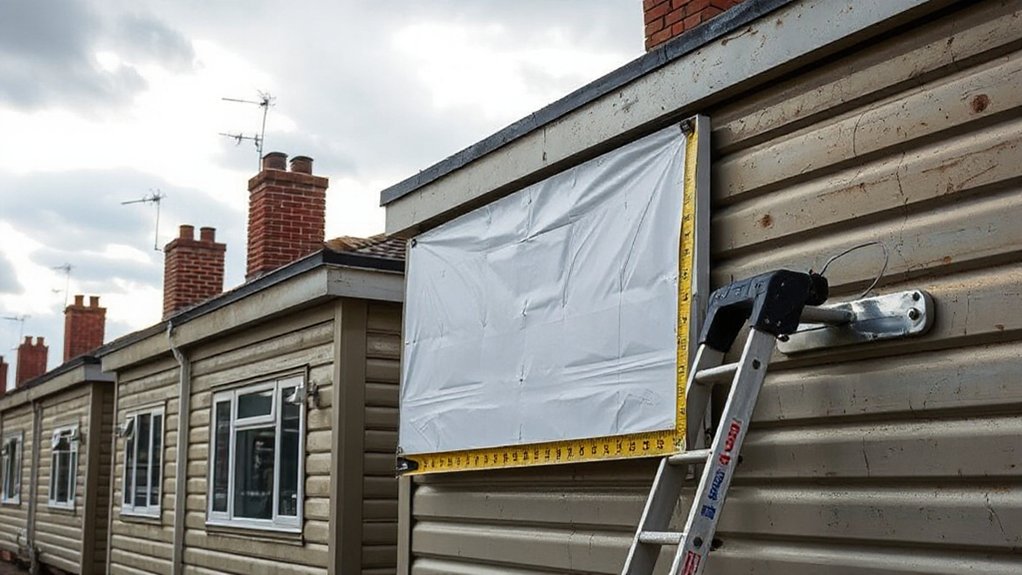
Upgrading a prefab home hinges on a few high-impact levers that drive cost and performance: structural or chassis improvements, insulation and envelope upgrades, finishing selections, MEP (mechanical, electrical, and plumbing) systems, and on-site assembly or delivery constraints.
You should prioritize levers by lifecycle cost and reliability, then quantify trade-offs for procurement and construction teams.
Structural upgrades influence load paths, deflection limits, and long-term durability, often yielding savings on maintenance.
Insulation and envelope enhancements deliver the highest first-year energy-performance impact relative to cost, with payback affecting operating budgets.
Finishes and fixture selections determine installed cost and maintenance cycles, while MEP choices drive utility integration, code compliance, and commissioning tempo.
Consider innovative materials and aesthetic enhancements where performance, durability, and procurement lead times align with project milestones.
How the Structure’s Condition Shapes Your Budget and Timeline
Your assessment of structural condition sets the baseline for both budget and schedule.
We’ll compare indicators, estimate repair versus replacement costs, and map how each factor shifts timelines and procurement milestones.
This framing guides decisions on scope, funding needs, and sequencing for refurbishment or upgrade projects.
Structural Condition Indicators
You’ll verify foundation integrity, wall straightness, and roof system behavior to determine remediation scope. Early identification of deterioration flags procurement priorities, enabling bulk ordering and staged work windows.
Documented indicators drive risk-adjusted budgets, contingencies, and lead times for specialty trades. For procurement, you translate findings into measurable scopes: retrofit requirements, material specifications, and contractor qualifications.
Prioritize non-disruptive inspections in occupied homes to minimize displacement costs. You’ll align data with warranty terms, inspection cycles, and compliance standards, ensuring traceable decisions.
Clear indicators support transparent timelines, cleaner bid comparisons, and predictable project delivery without overreaching into repair vs. replacement discussions.
Repair vs Replacement Costs
When condition indicators show serious deterioration, you’ll decide between repair and replacement based on life-cycle cost, risk exposure, and schedule impact. In this context, repair costs focus on specific fixes that preserve remaining service life, while replacement accounts for material and labor overhauls at the end of a component’s horizon.
You’ll assess structural integrity, system interdependencies, and long-term maintenance needs to determine value. Procurement considerations center on guaranteed warranties, supplier lead times, and unit pricing for bulk upgrades.
The choice influences project phasing, risk containment, and total cost of ownership, including potential downtime. Structural upgrades and aesthetic enhancements should align with budget ranges and performance requirements.
- Targeted repairs versus comprehensive replacement with staged commissioning
- Structural upgrades tied to lifecycle and warranty terms
- Aesthetic enhancements balanced against budget and disruption
Timeline Impact Factors
Timeline shifts hinge on the structure’s condition, since deterioration drives inspection cycles, repair windows, and procurement lead times. You’ll see how aging components constrain design options, forcing early scope freezes or escalations in material matching.
Condition assessments set inspection frequencies, which in turn dictate permit sequencing and contractor mobilization. Structural integrity flags can trigger interim safety measures, influencing temporary housing needs and relocation budgets.
Historical context informs retrofit feasibility, affecting expected downtime and long‑lead purchases, while also clarifying where reuse of existing systems is viable.
Delays cascade into procurement calendars, affecting tender windows and subcontractor availability. Track these factors against budget baselines to protect contingency levels.
Consider community impact: stakeholder communications, disruption tradeoffs, and visible progress metrics help maintain public support during upgrades.
Energy-Efficiency Upgrades That Pay Off (with Typical Price Ranges)
Upgrading energy efficiency in prefabricated local authority homes pays off through lower operating costs and improved occupant comfort, with several options offering clear, near-term returns. You’ll quantify payback using typical price ranges and lifecycle gains, aligning choices with procurement specs and lifecycle cost analyses.
- High-performance insulation and air sealing (typical price range: mid to high thousands per unit; quick payback on monthly heating savings)
- Heat-recovery ventilation and compact heat pumps (mid-range to upper mid-range; enhances comfort and indoor air quality, steady energy reduction)
- Low-emissivity glazing upgrades and shading strategies (lower upfront cost, noticeable cooling/heating savings; complements prefab aesthetics and interior design)
Note: Prioritize solutions that preserve prefab aesthetics and support flexible interior design while meeting standards.
Modern Building Standards and the Costs to Meet Them
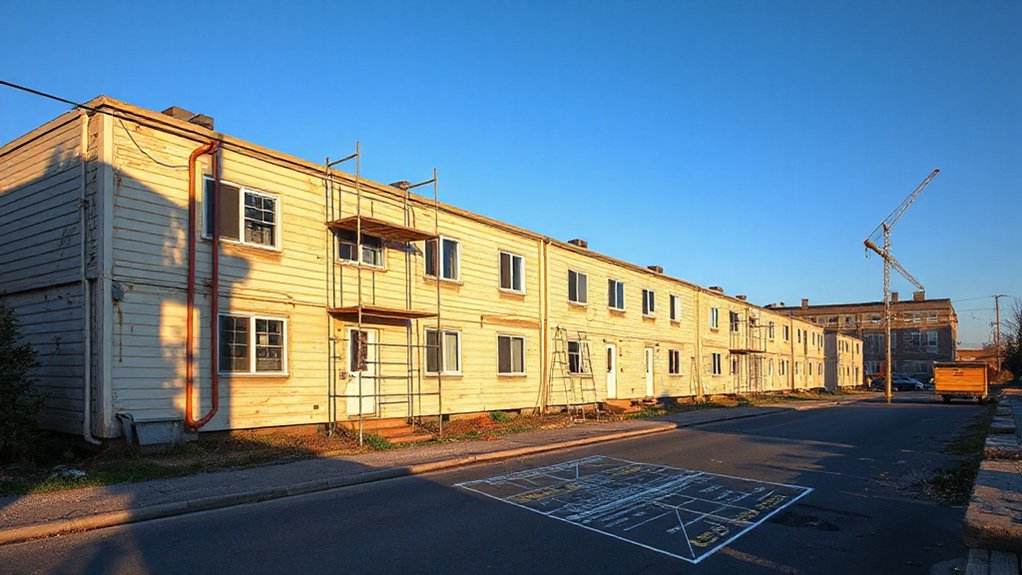
You’ll assess how modern building standards drive retrofit costs for thermal efficiency, durability, and lifecycle performance.
We’ll itemize compliance and certification expenses, linking them to procurement milestones and risk management.
You’ll prioritize durable materials and clear specification thresholds to control price volatility and schedule impact.
Upgrading Thermal Efficiency
To meet modern building standards, you must evaluate the thermal performance of existing prefabricated homes and identify cost-effective retrofit options. You’ll target heat loss pathways, priority retrofit areas, and measurable efficiency gains, aligning with procurement requirements and budget constraints.
Focus on scalable solutions that minimize disruption and maximize Payback. Prioritize affordable materials and proven insulation techniques to optimize performance without overcapitalisation. Assess whether simple upgrades, like air-sealing, cavity insulation, and insulated panels, meet target U-values while staying within funding envelopes.
Develop a phased plan with clear milestones, risk registers, and supplier performance criteria. Document savings estimates, warranties, and maintenance implications to support competitive tendering and lifecycle cost evaluations.
1) Visualize a tightly sealed envelope, smooth exterior panels, and dense mineral wool layered within.
2) Compare pre- and post-retrofit heat maps to illustrate efficiency gains.
3) Align procurement specs with modular component compatibility and site constraints.
Compliance And Certification Costs
What’re the real costs of meeting modern building standards and securing compliant certification for prefabricated local authority homes? You assess the Compliance And Certification Costs through a procurement lens, focusing on required standards, process timelines, and verifiable evidence.
You’ll encounter upfront fees, certification body assessments, and testing regimes that shape total project spend. Historical context informs baseline expectations for material declarations, fire safety classifications, and grid compatibility, helping you benchmark vendor quotes and avoid scope creep.
You’ll also weigh ongoing surveillance, periodic re-certification, and warranty support against capital outlays. In community terms, certification delivers clarity on quality, safety, and performance, reducing risk exposure for tenants and councils alike.
You balance cost, schedule, and risk to deliver compliant, durable upgraded homes. Community impact guides escalation and decision-making.
Retrofit Durable Materials
Retrofit materials must meet modern building standards while controlling total spend. You’ll source durable substrates, energy-efficient cladding, and fire-rated systems that align with procurement specs and lifecycle cost analyses. Prioritize materials with proven performance, low maintenance, and supply chain resilience to minimize risk during retrofit.
- Durable substrate selection: corrosion-, moisture-, and creep-resistant, with readily available fasteners and compatibility with existing frames.
- Cladding and insulation: high R-values, weather resistance, and long-term colorfastness to support aesthetic upgrades while preserving vintage aesthetics.
- Finishes and fittings: low-VOC, durable coatings, and standardized, replaceable fittings to streamline procurement and reduce lifecycle costs.
Focus on total cost of ownership, certification readiness, and compatibility with heritage features, ensuring both performance and period-appropriate appearance.
Durable Materials and Finishes That Save Money Over Time
Durable materials and finishes reduce life-cycle costs by resisting wear, weather, and misuse typical of prefabricated homes. You evaluate products for long-term performance, prioritizing low maintenance, high abrasion resistance, and proven field durability.
Select surfaces with minimal upkeep, such as sealed composites, ceramic or porcelain veneers, and low-emission coatings that resist staining and cleaning damage. Favor materials that tolerate thermal cycling and moisture exposure without warping or delamination, reducing repainting and replacement frequency.
Consider system compatibility to avoid accelerated wear at joints and fasteners. Plan for interior aesthetics and aesthetic durability by choosing finishes that maintain colorfastness and sheen under daily use.
Document warranties, serviceability, and supplier support to ensure predictable life-cycle costs and timely procurement decisions.
Financing Options, Subsidies, and Grants for Residents and Councils
Access to funding options is critical for residents and councils planning upgrades or replacements of prefabricated homes. This section outlines available financing mechanisms, subsidies, and grants, and how to access them efficiently.
You assess eligibility, match program criteria to project scope, and secure funds with transparent governance. Prioritize procurement-aligned options that minimize lifecycle costs while preserving aesthetic considerations and community engagement throughout the process.
- Government grants and soft loans tied to energy efficiency, retrofit quality, and housing resilience, with streamlined application timelines.
- Subsidy programs targeting design integration, prefabrication reuse, and local jobs, requiring clear cost breakdowns and supplier alignment.
- Council-partner financing and grant-matching schemes that incentivize partnerships, risk sharing, and milestone-based disbursements.
Access tracking, reporting, and compliance ensure funds support measurable outcomes and stakeholder confidence.
Labor, Permits, and Logistics That Influence Timelines
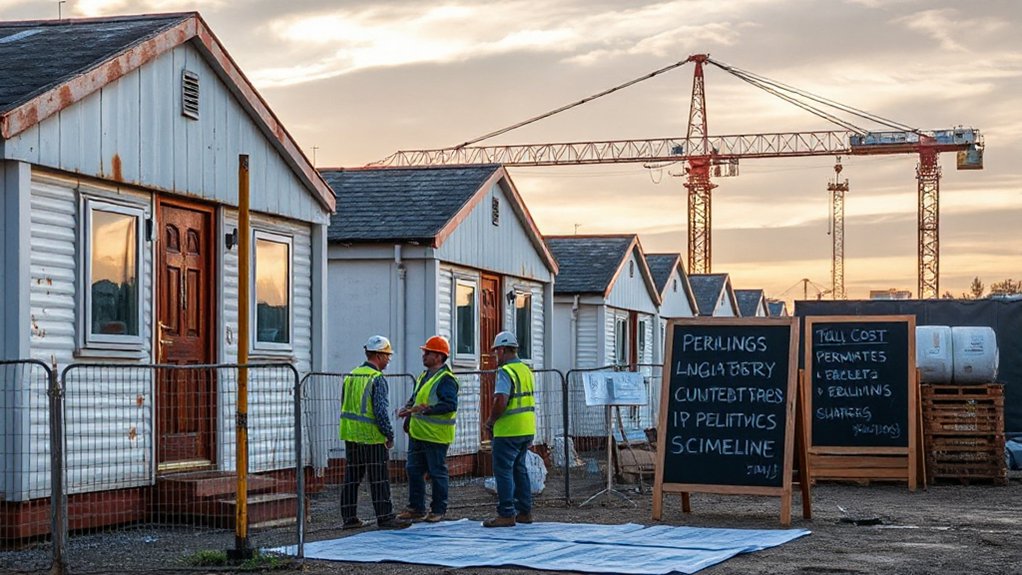
Labor, permits, and logistics shape project timelines for upgrading local authority prefabs. You coordinate labor schedules, origin of materials, and site access to minimize downtime and cost overruns.
Permit processing, including planning consents and building warrants, drives milestones; you pre-empt delays with parallel submissions and clear documentation trails.
Logistics decisions—delivery windows, crane availability, and on-site staging—impact sequencing of modules, utilities, and finishes.
You secure labour agreements, ensuring compliance with safety and training requirements while mitigating union or subcontractor constraints.
Community engagement informs scheduling buffers and traffic management during works.
Aesthetic redesign decisions, such as façade updates and interior refurbishments, influence procurement lead times and coordination with suppliers.
You prioritize a tightly documented critical path with risk-adjusted contingency allowances to meet client expectations.
Hidden Costs and Budgeting Traps to Avoid
Hidden costs in upgrading local authority prefabs often creep in after budgeting, so you must identify them early and build in safeguards. You’ll face budgeting pitfalls that derail procurement timelines and inflate total cost, so discipline matters from the start. Track contingencies, lifecycle costs, and scope creep with precision, not guesswork.
Align specifications with standard contracts, clearly define deliverables, and verify unit costs before signing. Regular cost-variance reviews prevent surprises during construction, commissioning, and compliance checks.
Engage stakeholders to validate assumptions and maintain a transparent audit trail.
- Contingency overruns due to scope changes
- Inaccurate unit prices from supplier forecasts
- Unaccounted lifecycle and maintenance expenses
A Step-by-Step Budgeting Framework From Assessment to Completion
Establish a cost-enabled work breakdown structure, with unit rates, contingencies, and escalation factors aligned to market realities. Define decision gates for design refinement, approvals, and supplier selection, ensuring traceability and verifiability.
Include historic preservation and aesthetic enhancements as mandatory criteria within technical specifications, not afterthoughts. Track changes through a formal change control process, preserving audit trails for value engineering.
Use staged cost dashboards and earned value metrics to reallocate funds promptly, maintaining schedule integrity while safeguarding quality, compliance, and risk management across the project lifecycle.
Frequently Asked Questions
How Long Does the Upgrade Process Typically Take Start to Finish?
Typically, the upgrade takes several weeks to a few months, depending on scope. You’ll plan foundation repair and insulation improvements in phases, coordinate permits, and schedule trades efficiently to minimize downtime and guarantee compliant procurement, quality, and timely delivery.
What Are Common Post-Upgrade Maintenance Costs to Expect?
Post-upgrade maintenance costs vary, typically including routine inspections, structural reinforcement checks, and energy efficiency system upkeep. You should budget for annual professional assessments, minor repairs, and component replacements to maintain performance and compliance, ensuring ongoing reliability and energy savings.
Can Upgrades Affect Property Taxes or Resale Value?
Upgrades can affect property taxes and resale value. You’ll want to assess Tax implications and resale valuation before procurement decisions; improvements may raise assessed value, influencing taxes, and can enhance market appeal, while poor choices might hinder resale.
Are There Quick-Win Upgrades With Minimal Disruption Costs?
Like a quick win, you’ll prioritize interior insulation and solar integration for minimal disruption. You’ll select cost-efficient kits and modular install options, targeting short payback while meeting procurement specs, ensuring reliable performance and scalable, low-impact upgrades.
What Warranties Cover Prefab Upgrades and Durations?
Warranty coverage varies by contractor and product, but typically includes structural and mechanical components. Upgrade durations depend on scope and compliance steps. You’ll secure clear terms detailing warranty coverage windows and post-upgrade service, with documented acceptance criteria and transferability.
Conclusion
In the end, you weigh cost against resilience. You juxtapose fragile, aging shells with modern enclosures that promise efficiency—and higher upfront spend with long-term savings. You attach procurement rigor to every decision: specs, timelines, and accountable suppliers. You balance permits and labor against quality finishes that last. You see the contrast between uncertain timelines and predictable performance, between patchwork fixes and durable upgrades. The result: a budget that protects, performs, and stands the test of time.