Does the widely cited £15–£180+ per m² range actually reflect true costs across UK projects, or are hidden factors pulling averages one way or another? You’ll need to account for material, installation complexity, and property size, plus scaffolding, prep, permits, and ongoing maintenance. Think of how height, design, and local labour markets shift quotes, and consider lifecycle costs alongside upfront price. Stay with this to uncover how to compare quotes effectively and budget smartly for your cladding project.
What Drives UK House Cladding Costs
Cladding costs in the UK are driven primarily by material choice, installation complexity, and local labor rates. You assess material performance, durability, and maintenance needs, since cladding maintenance directly affects lifecycle costs.
Environmental impact factors, including embodied energy and end-of-life recyclability, influence procurement decisions and long-term budgeting.
For higher-performance panels, installation time increases with substrate preparation, weather constraints, and required airtightness, elevating labor hours and productivity risk.
Codes and fire regulations shape material selection, adding testing, certification, and inspection steps that raise upfront costs.
Long-term risks, such as upgrades for thermal efficiency or weather resistance, shift expenditure toward maintenance planning and potential retrofits.
You should quantify maintenance intervals, repair costs, and environmental trade-offs to obtain a robust cost model for decision-making.
Typical UK Price Ranges by Material (Vinyl, Timber, Fibre Cement, Stone)
Material costs vary by product class and performance specs, so here you’ll see typical UK price ranges for common cladding materials: vinyl, timber, fibre cement, and natural stone.
You’ll likely observe vinyl priced around £15–40 per square metre retail, rising with texture and UV protection.
Timber cladding varies by species and treatment, roughly £40–120 per m², with higher-end hardwoods or engineered options increasing the band.
Fibre cement sits between £20–60 per m², offering durable performance with moderate maintenance.
Natural stone ranges widely, from £60–180+ per m² depending on type, finish, and thickness.
Across these options, consider cladding material durability and environmental impact when comparing total life-cycle costs, maintenance needs, and thermal performance.
How Size, Height, and Labour Shape Quotes
Size, height, and labour drive quotes by translating project scope into unit costs and labour-time estimates. You’ll see that total cost hinges on surface area and access requirements, plus how long trades take.
Larger façades, multi-storey heights, and complex geometry raise scaffold time, safety measures, and potential temporary works, all elevating unit rates. Material selection matters, but installation difficulty governs labour content, so quotes must break out line-by-line tasks: preparation, fixing, sealing, and finish.
Cladding maintenance considerations shift maintenance cycles and labour intensity, affecting long-term cost planning. Environmental impact factors like waste handling, disposal fees, and energy efficiency upgrades can alter pricing expectations.
You’ll compare quotes by per-square-mètre rates and included allowances, then assess how age and substrate condition modify labour-time estimates.
Hidden and Additional Installation Costs to Watch For
Hidden and additional installation costs can quietly erode your budget if you don’t anticipate them.
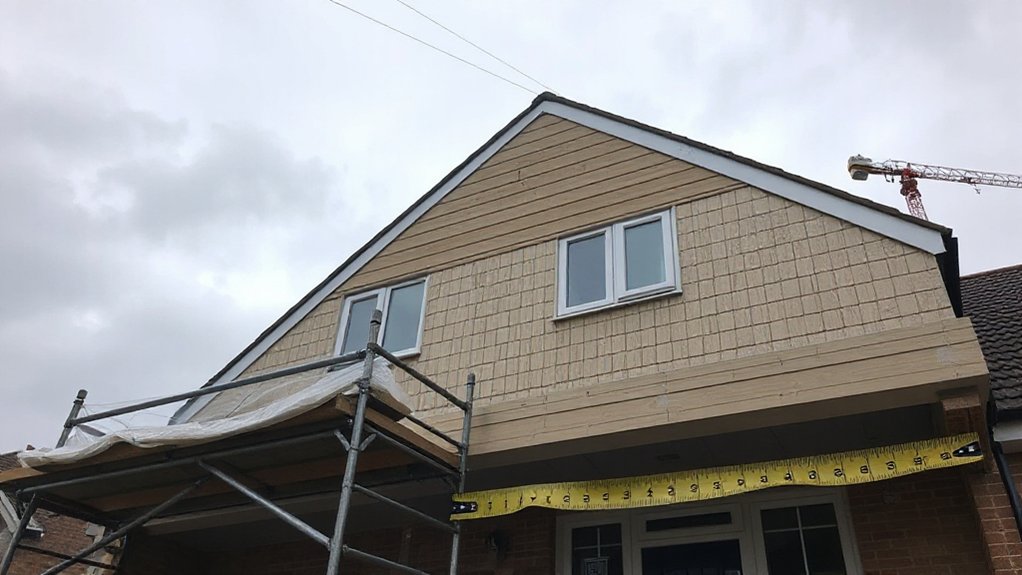
In practice, you’ll encounter hidden costs that aren’t in base quotes, such as scaffold access, removal of old cladding, and surface preparation.
Expect installation fees to vary by complexity, location, and contractor markup, with regional Labour rates influencing totals.
Material waste, warranty extensions, and transit fees can add 5–15% to the stated price if not pre-flagged.
You should also account for specialized fixings, weather delays, and permit-related charges that some firms itemize separately.
Build a contingency of 5–10% for unforeseen tasks, especially on listed or irregular buildings.
Finally, verify how VAT is applied and whether any site-specific surcharges apply to your project scope.
How to Compare Quotes for True Value
When you compare quotes for true value, start by aligning each bid with your stated scope, including any hidden or extraneous costs you’ve anticipated. Guarantee bids itemize materials, labour, substructure work, warranties, and delivery—then cross-check unit rates against your project plan.
Use a consistent measurement framework: normalize quotes to the same scope, frequency of visits, and site conditions.
Assess cladding durability claims against tested standards, installation methods, and warranty terms; demand evidence from suppliers and installers.
Compare aesthetic appeal by evaluating colour, texture, and finish options, tied to your design brief.
Track performance metrics: projected life cycle costs, maintenance intervals, and potential environmental impacts.
Prioritize bids that demonstrate transparency, verifiable durability data, and alignment with your aesthetic criteria.
Smart Budgeting Tactics for a Cladding Project
Smart budgeting for a cladding project hinges on building a precise cost baseline and tracking variances in real time. You establish a baseline by itemizing quantities, unit costs, and contingency, then monitor deviations as bids firm up.
Use a rolling forecast to reflect design clarifications, permitting delays, and supplier lead times. Track spend against milestones to reveal early overruns and reallocate funds promptly.
Prioritize cost effective choices without sacrificing performance by validating assumed savings against lifecycle data, maintenance needs, and warranty terms.
Quantify risk exposure with a simple probability-impact matrix, updating it as vendor quotes mature.
Document every change order and justify it with updated cost impact. Avoid Budgeting pitfalls by locking approvals and maintaining version-controlled budgets.
This disciplined approach reduces wasted spend and supports transparent stakeholder decisions.
Material Comparisons: Pros, Cons, and Best Use Cases
Material choices each bring distinct pros and cons, from cost and lifespan to maintenance needs and fire ratings. So you should compare total life-cycle costs alongside upfront price.
We’ll outline best-use scenarios by material type, citing typical performance ranges and installation considerations to guide selection.
Your aim is to balance durability, compliance, and budget while aligning with project goals and UK climate conditions.
Material Pros And Cons
What’re the practical trade-offs of common cladding materials in the UK? You evaluate materials by durability, maintenance, and appearance, balancing upfront cost against lifecycle performance. You’ll compare weather resistance, fire risk class, and long-term aesthetics to determine total value.
- Performance profile: vinyl, fiber cement, brick slip, or wood—each offers distinct durability, maintenance intervals, and color stability.
- Maintenance requirements: some demand annual repainting or sealing, others are low-maintenance or repairable.
- Aesthetic appeal and resale impact: texture, color depth, and facade consistency influence curb appeal and perceived quality.
Key takeaways: material choice drives cladding maintenance needs, long-term costs, and aesthetic outcomes, while fire safety and resilience constrain selection. Data-based comparison supports objective decision-making.
Best Use Case Scenarios
When choosing cladding, matches among vinyl, fiber cement, brick slip, and wood hinge on the building’s goals and constraints.
In best-use scenarios, you select based on durability, maintenance, and design intent. Fiber cement excels in long-term performance and low upkeep, ideal for high-traffic façades and climate resilience, with strong cladding design versatility.
Vinyl offers cost efficiency and rapid installation, suitable for lightweight applications or budget-driven projects, but limited aesthetic appeal over time.
Brick slip provides authentic texture and permanence, favored for heritage harmony and increased resale value, though heavier and more expensive.
Wood delivers natural warmth and high aesthetic appeal, best for controlled environments or renovation projects where seasonal upkeep is manageable.
Align choice with climate data, installation logistics, and lifecycle costs for ideal outcomes.
Frequently Asked Questions
How Long Does Cladding Installation Typically Take to Complete?
Installation typically takes several days to a couple weeks, depending on scope and weather. You’ll assess material durability and choose installation techniques, ensuring substrates are prepared, fasteners rated, and ventilation maintained for long-term performance.
Do Planning Permissions Affect Cladding Projects in the UK?
Yes, planning permissions can affect your cladding project in the UK. You’ll need to check Building regulations and assess Environmental impact, ensuring compliance with approved documents and local planning constraints before proceeding.
Are There Warranty or Guarantee Options for Cladding Materials?
Yes, you have warranty options and guarantee coverage for cladding materials. You’ll typically see manufacturer warranties plus installer guarantees; make sure coverage includes weather resistance, color fastness, and installation defects, with clear claim procedures and transferability where applicable.
What Maintenance Is Required After Cladding Is Installed?
Satire aside, you maintain it by regular inspections, cleaning, and addressing fixings; you should budget for maintenance costs. You’ll preserve cladding longevity with prompt repairs, and routine sealant checks, minimizing moisture intrusion and data-driven performance degradation.
Can Cladding Improve a Property’s Energy Efficiency?
Yes, cladding can improve energy efficiency by boosting thermal insulation and weather resistance; you’ll reduce heat loss and drafts, while potentially lowering energy bills, though gains depend on material quality, installation, and system airtightness.
Conclusion
As you price out cladding, think of it as a mosaic of costs rather than a single sticker price. You’ll balance material science, installation heft, and lifecycle maintenance, with scaffolding and permits stacking up like unseen weights. Compare quotes line by line, forecast weathered performance, and factor resale value into the math. In the end, the cheapest shout isn’t always the wisest; the smartest choice blends durability, total cost of ownership, and verifiable contractor reliability into one solid, defendable estimate.