HMO insurance protects you as a landlord by covering shared spaces, tenant-related risks, and potential loss of rent, while aligning with licensing rules and practical risk controls. It differs from standard policies by including room-by-room coverage, higher premiums, and gaps in common areas or eviction costs. Assess your property’s layout, occupancy, and safety standards to set realistic limits, compare quotes with identical terms, and implement robust tenant screening and inspections to keep premiums stable. More details await if you continue.
What HMO Insurance Is and Why Landlords Need It

HMO insurance shields you from the unique risks of multi-occupancy properties. You measure risk precisely so you can protect cash flow and property value.
This coverage bundles landlord protections for liability, contents, and loss of rent, plus specific HMO gaps like shared facilities and licencing prerequisites. You’ll want it to align with your operational design: handles accidental damage, tenant disputes, and legal costs if enforcement action arises.
Property valuation matters because insurance cost and coverage limits hinge on the property’s market value and refurbishment needs, guiding you to avoid underinsuring or overpaying.
Tenant screening isn’t optional; it informs risk assessment and reduces vacancy risk. In practice, integrate screening results into lease terms and renewal decisions to sustain a stable, compliant HMO.
Is HMO Insurance Legally Required for Your Property?
Whether it’s legally required depends on your location and property setup, not on whimsy or risk appetite. In many regimes, HMO insurance isn’t a bare minimum but a risk-management choice tied to your licensing status and property configuration.
You’ll want to confirm local mandates, as some areas require specific coverage for high-occupancy dwellings, while others leave it optional yet prudent.
As you evaluate, factor in tenant screening practices and rental pricing strategies, since robust screening and accurate pricing can influence both risk and insurance needs.
Even if not mandated, securing tailored HMO coverage helps address collective-liability exposures, property damage, and loss of rent.
Prioritize policies that align with your occupancy model, cash flow, and compliance obligations.
How HMO Insurance Differs From Standard Landlord Insurance
HMO insurance sharpens policy coverage to include shared spaces and tenant-specific risks, while standard landlord cover often trims those extras.
You’ll see higher premiums when risk and management complexity rise, but you get more tailored protection for multi-tenant layouts.
As you compare, focus on how coverage gaps and cost influence your risk exposure and long-term cash flow.
Policy Coverage Differences
Policy coverage for HMOs differs from standard landlord policies in ways that protect both the property and the tenants. You’ll notice broader building, contents, and liability protections, plus room-by-room coverages that align with shared-housing realities.
Expect higher limits for common areas, appliance breakdowns, and landlord’s legal costs when disputes arise. Some policies require additional endorsements for temporary accommodations, nuisance protections, and reserved parking.
You’ll benefit from defined consequences for nonpayment and eviction-related costs, reducing financial stress if a tenancy changes hands. Clarify whether rent-to-own or liability for guest injuries is included.
Focus on practical gaps: confirm Tenant screening is documented and robust, and maintain Property maintenance records to support claims and preserve design integrity across multiple units. This alignment helps you manage risk without over-insuring.
Risk and Premium Variations
Premiums for HMOs tend to reflect the higher risk profile of shared spaces and more frequent tenant turnover. You’ll notice premium variations tied to risk assessment outcomes, building layout, and compliance with safety standards.
Compared with standard landlord insurance, HMOs incur higher scrutiny of communal areas, fire and electrical protections, and occupancy density, which can drive premium fluctuations even within the same insurer.
Your policy should spell out how risk signals—age of wiring, gas safety, alarms, and means of escape—alter pricing. Insurers may apply stepped ratings or surcharges during transition phases or after claim events.
To narrow variances, document regular safety checks, upgrades, and tenant screening procedures. Proactive risk management stabilizes costs, supports faster underwriting, and maintains coverage continuity amid evolving occupancy.
What HMO Insurance Typically Covers
HMO insurance typically covers property damage, protecting you if communal areas or fixtures sustain losses.
It also narrows liability exposure by outlining the scope of protection for residents and guests, so you know what’s covered if someone sues.
And it includes coverage for unoccupied periods, giving you peace of mind during tenant turnover or refurbishments.
Property Damage Coverage
What does property damage coverage typically include in HMO insurance, and how does it protect your rental fleet? You safeguard structural damage, fixtures, and common areas from perils like fire, vandalism, and accidental damage caused by tenants or guests.
Your policy should specify repair or replacement costs, debris removal, and temporary housing if units become uninhabitable, helping you maintain cash flow. It also addresses deterioration tied to occupancy, such as damaged doors, flooring, and plumbing failures in shared spaces.
To keep your system lean, pair this with strong Tenant screening and clear Lease agreements, which reduce costly incidents and disputes. Design-focused risk management means documenting protected areas, maintenance schedules, and prompt claim reporting to minimize downtime.
Liability Protection Scope
Liability protection in HMO insurance primarily covers you for claims arising from property-related injuries or damages for which you’re legally responsible.
In practice, you’ll see a focus on tenant injuries, common-area hazards, and third-party claims linked to your property management. The liability scope typically includes bodily injury, property damage, and possibly personal injury arising from mishandling of vacancies or maintenance conclusions.
It’s designed to shield you when a court finds you liable for negligence, slip-and-fall incidents, or upkeep failures that cause harm. However, coverage limitations matter: sublimits, aggregate caps, and exclusions can restrict payouts, especially for professional services, intentional acts, or mold and environmental risks.
Review limits relative to your HMO footprint and ensure endorsements align with anticipated exposure. Regular risk assessments help refine protection.
Unoccupied Periods Coverage
When units sit vacant, gaps in coverage can trip you up. Unoccupied periods coverage protects you during turnover, extended vacancy, or seasonal gaps, so your property isn’t left exposed. Look for policy terms that pause or adapt standard limits, notifying you if exterior or unattended systems require monitoring.
You’ll want stable liability while no tenants reside, and coverage for vandalism, theft, or weather-related damage specific to vacancies. Confirm whether loss-of-rent, the cost to resecure doors and windows, and tenant communication costs are included, and note any co-insurance implications.
Keep your strategy aligned with Landlord responsibilities, documenting inspections and maintenance even when empty. Clear tenant communication helps prevent claims, and supports faster recovery if issues arise during unoccupied periods.
How to Determine the Right Coverage Limits for an HMO

Determining the right coverage limits for an HMO starts with a practical risk assessment: identify the most valuable assets, the potential financial exposure from tenant injuries or property damage, and the costs of legal defense.
You’ll map asset value, replacement costs, and income interruption to set a baseline. Then translate exposure into liability limits that align with your risk tolerance and lender expectations.
Consider premises liability, tenant-caused damage, and legal defense fees, plus costs for medical visits and emergency repairs.
Tie policy limits to occupancy scale, property type, and renovation plans. Integrate operational practices—Tenant screening and consistent Rent collection—that reduce risk and justify appropriate limits.
Choose a balance between affordability and protection, and document assumptions for renewal discussions.
Common Exclusions and Pitfalls in HMO Policies
Watch for gaps between what’s promised and what’s actually covered in HMO policies, especially around occupancy changes, liability limits, and property modifications.
You’ll want to flag hidden exclusions that skip or reduce protection during repairs, tenant disputes, or nonstandard rental setups.
Start with a crisp checklist to verify coverage specifics and guardrail limits before you renew or bind a new policy.
Common Policy Gaps
Where do HMO policies most commonly miss the mark, and why should you care as a landlord? You’ll encounter gaps that leave your property underprotected during occupancy, disputes, or damage events. Knowing these gaps helps you tighten coverage and protect cash flow, not just premiums.
- Exclusions on tenant-caused losses, especially during interim vacancies, can leave you paying out of pocket.
- Inadequate liability limits for shared spaces and common areas.
- Restrictions around tenant screening and occupancy rules that affect enforcement of Rental pricing.
- Limited coverage for furnishing damage or theft in common areas.
- Ambiguities around within-tenant alterations and subletting, triggering denial risks.
Hidden Coverage Pitfalls
Look for gaps around tenant screening and rent collection—two frequent trouble spots. If a policy requires licensed professionals for evictions or complaints, missed compliance can void protection during disputes.
Damage from tenant-caused incidents may be limited to named perils, leaving common-area or jointly used spaces underinsured. Consider subrogation rules that push you to bear costs before coverage kicks in.
Design your protection with clear, documented processes for screening, vacancy turnover, and rent collection by third parties. Align policy limits with your HMO’s layout, occupancy, and risk profile to minimize silent exposure.
Documents You’ll Need for HMO Insurance Quotes
To get accurate HMO insurance quotes, you’ll need a complete set of documents that verify your property, operations, and risk controls.
- Property details and documents: title, floor plan, photos, and occupancy type
- Recent safety records: gas/electrical certificates, boiler inspections, fire risk assessment
- Tenant screening processes: screening criteria, consent forms, reference checks
- Maintenance logs: planned maintenance schedule, past repairs, vendor contracts
- Operational policies: house rules, waste management, incident reporting, tenant communication protocol
Having clear evidence of Property maintenance and a robust Tenant screening process helps underwriters assess risk quickly. Include proof of compliance, insurance histories, and any risk mitigation measures.
Present a concise narrative of how you manage turnover, repairs, and safety to boost quote accuracy.
How to Price and Compare HMO Insurance Quotes Effectively
When pricing and comparing HMO insurance quotes, start by standardizing what you’re asking for and the data you’ll use to judge value. Define coverage basics (property, contents, liability, loss of rent), plus any add-ons (rent guarantee, equipment breakdown).
Gather quotes from multiple providers with identical limits, deductibles, and policy terms to verify apples-to-apples comparison.
Prioritize clear cost transparency: base premium, loading, fees, and potential surcharges for multiple tenants.
Evaluate the insurer’s claims process and response times, since reliability saves cost over time.
Tie quotes to practical risk controls you’re implementing, like Tenant screening and robust Lease agreements, which can lower premiums.
Use a side-by-side grid to highlight gaps and value, then negotiate bundle discounts where appropriate.
Steps to Stay Compliant and Reduce HMO Premiums
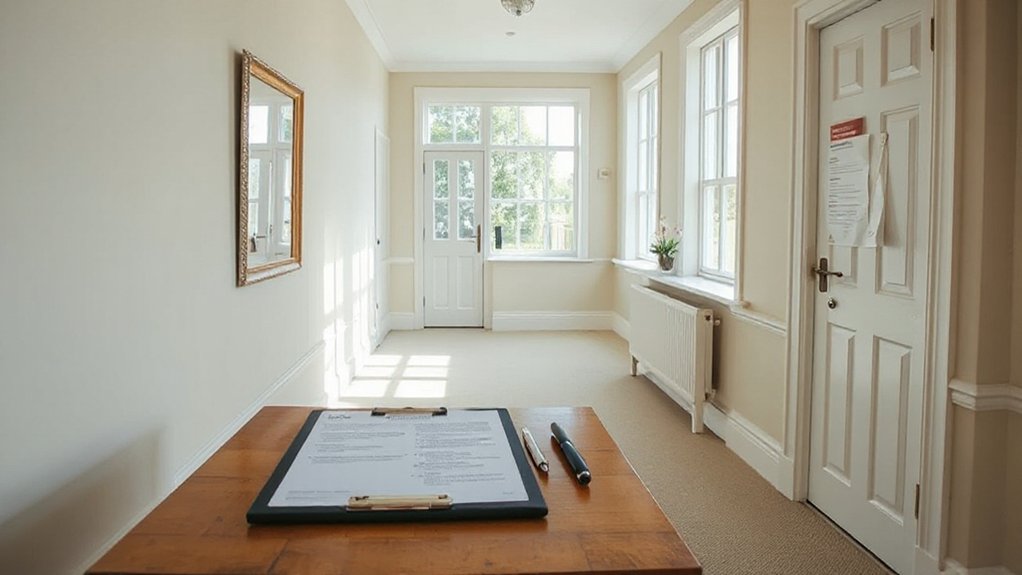
Staying compliant isn’t optional—it’s the foundation for steady premiums and fewer claim headaches. Follow a disciplined, design-minded approach to minimize risk and costs while protecting your transfer of liability.
You’ll tighten controls around tenant screening and Rent collection to prevent issues before they start, and you’ll document processes to support any audits. Prioritize clear policy language, regular inspections, and up-to-date licensing to avoid penalties and premium hikes.
- Implement rigorous tenant screening criteria and verifications
- Standardize rent collection with clear deadlines and reminders
- Maintain organized, accessible compliance documentation
- Schedule routine property inspections and safety checks
- Align contracts and policies with current regulations and insurer guidelines
Practical Tips for Faster, Smoother HMO Claims
Efficient HMO claims start the moment a loss occurs: document facts promptly, gather risk-reducing evidence, and notify your insurer with clear timelines. You’ll maximize speed by a simple, design-minded kit: a dedicated incident log, photos with timestamps, and a checklist of affected systems.
Prioritize triage—secure the scene, stop further damage, and preserve evidence for adjusters. Communicate with precision: convey scope, expected costs, and deadlines, avoiding vague language.
Tenant screening remains a preventive constant; keep records handy to support claim legitimacy and occupancy history, reducing disputes.
Integrate emergency preparedness into your response—activate on-site safety measures, predictable contact points, and a rapid repair plan to resume normal operation.
After loss, review procedures, update contacts, and reinforce documentation to streamline future claims. Continuous improvement minimizes downtime and preserves property value.
Bundling HMO With Other Landlord Protections: Pros, Cons, and Decisions
Bundling HMO coverage with other landlord protections can streamline administration and potentially save money, but it requires careful alignment of coverages and limits to avoid gaps. When you bundle, compare policy scopes: licensing requirements, tenant screening, and compliance safeguards should align with HMO needs so you’re not underinsured or duplicating coverage.
- Landlord licensing requirements and how they factor into bundled protections
- Tenant screening processes and data privacy considerations
- Deductible optimization vs. premium savings
- Claim coordination across protections to prevent coverage conflicts
- Documentation, renewals, and audit-readiness for compliance and responsive risk management
Frequently Asked Questions
What Affects HMO Insurance Premiums Besides Property Type?
Higher risk factors like location, occupancy, and management practices affect HMO premiums besides property type. You’ll see Rent increase adjustments and Maintenance costs baked in, so optimize tenant turnover, safety compliance, and proactive repairs to control overall costs.
Do HMOS Require Additional Liability Limits Beyond Standard Policies?
Do HMOs require higher liability limits than standard policies? Yes, you should secure elevated liability coverage, because abuse or injuries can spike claims; check policy exclusions that could limit coverage and tailor endorsements accordingly for complete protection.
How Do Licensing Changes Impact HMO Insurance Needs?
Did you know licensing changes correlate with a 12% rise in compliant properties? Licensing compliance shapes your HMO insurance needs, as property regulations tighten coverage gaps, requiring clearer liability and risk management. You’ll adjust policies accordingly for ongoing compliance.
Can Landlords Insure Multiple HMO Properties Under One Policy?
Yes, you can insure multiple HMO properties under one policy, but weigh coverage limits, tenant screening, and property maintenance needs; consolidate with a specialist, guarantee each unit is covered, and keep adjustments aligned with licensing and risk factors.
Are There Specific Risks Unique to Student-Filled HMOS?
Yes, student-filled HMOs pose unique risks—security, neighboring complaints, and tenancy-agreement complexities. You’ll tighten risk with robust student-focused tenancy agreements, disturbance controls, and targeted insurance riders for accommodation, safeguarding occupancy, conduct, and property design aspects.
Conclusion
You’ve got the basics, now tailor HMO coverage to your property’s design and tenants. Prioritize robust liability, property, and rent-default protections, with clear limits aligned to your risk. Compare quotes like a pro, look for flexible add-ons, and bundle wisely to save. Stay compliant with licensing, safety, and documentation—that keeps premiums predictable. Think of your policy as a smart architectural plan: a solid framework that adapts to tweaks without crumbling under pressure. Your investment, precisely protected.