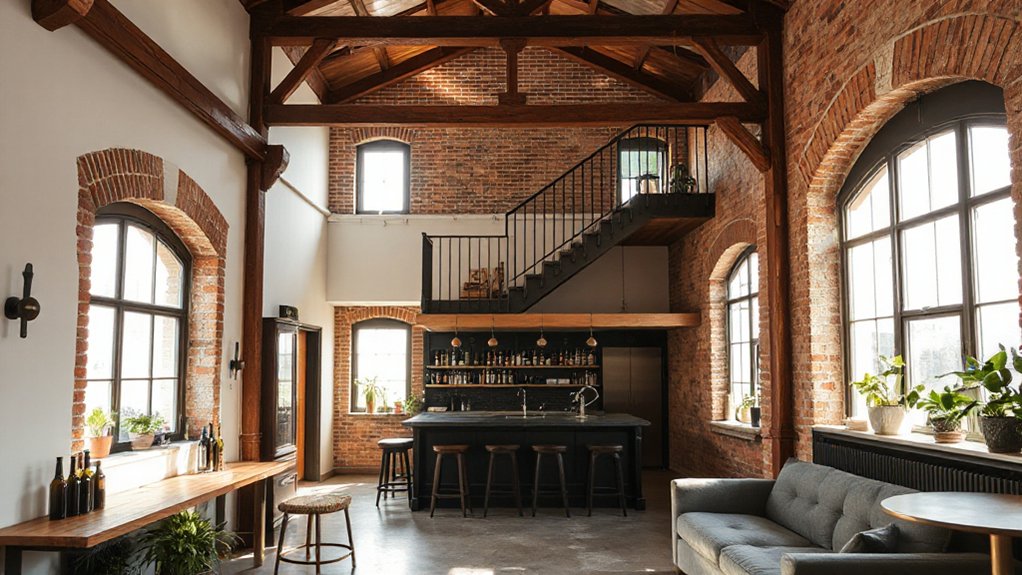
Turning a former pub into a unique home starts with a practical design plan that honors the venue’s history while delivering modern comfort. Start by defining goals, preserving character features, and shaping light with clerestory or light wells. Assess structural quirks and upgrade systems discreetly. Map permissions early, engage neighbors, and budget in phases. Create fluid zones—kitchen, living, sleeping—that mirror pub roots in layout and material choices. Outdoor spaces should extend indoors with seamless thresholds. Ready to explore deeper specifics?
Pub-To-Home Goals: What You Want From the Conversion
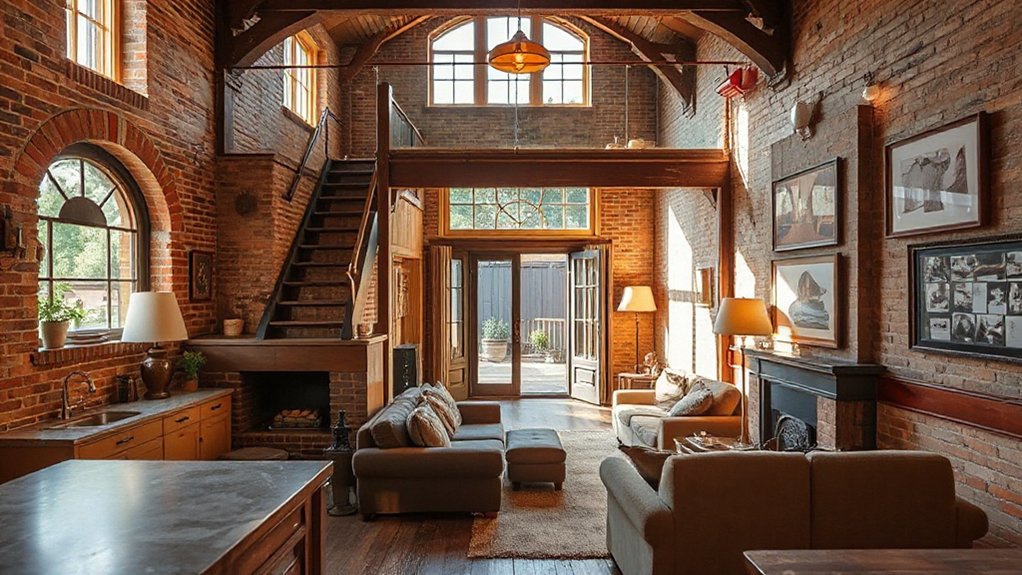
Turning a pub into a home starts with a clear list of goals. You map spatial needs, budget, and timeline, then translate them into tangible tasks.
Define essential rooms first: a kitchen that works, a living area with good flow, and sleeping spaces that respect quiet.
Consider the pub’s pub ambiance as a design constraint and opportunity—how you preserve character while meeting modern comfort standards.
Prioritize structural safety, insulation, and services upgrades, with energy efficiency in mind.
Decide how to honor the venue’s historical significance without compromising living practicality.
Plan for adaptable spaces that can shift with your lifestyle, storage solutions, and emission-reduction goals.
Finally, set milestones and review them weekly to stay aligned with scope and budget.
Identify Structural Quirks and Necessary Strengthening
You scan the building for structural quirks and note anything unusual that could affect habitability.
Plan the necessary reinforcement early, prioritizing bearing walls, floor joists, and any altered roof spans.
Keep the path to compliance clear by documenting these findings and mapping practical, code-friendly fixes.
Inspect Structural Oddities
Before you plunge in, scan for structural quirks that could affect safety and habitability. You’ll start by mapping load paths and noting any unusual features—arched ceilings, thick party walls, or heavy timber—that influence how floors and walls carry weight.
Conduct a careful structural assessment on every element that looks off, not just the obvious beams. Check for cracking, uneven floors, and mismatched materials that hint at past fixes or hidden damage.
Track moisture and timber condition, as rot and rust undermine strength and durability. Consider material compatibility when you evaluate repairs or replacements; incompatible mixes can cause failures or deterioration.
Document findings clearly, prioritize urgent risks, and plan targeted, minimally invasive interventions that preserve character while ensuring long‑term stability.
Plan Necessary Reinforcement
Begin by translating what you found in the structural survey into a concrete reinforcement plan. You’ll map quirks to actions: pinpoint load paths, identify critical tie-ins, and specify materials with durability and compatibility in mind.
Prioritize minimal column removal, then specify discreet steel saddles, epoxy injections, or grouted anchors where movement appeared. Document sequencing for staged openings, ensuring temporary shoring during works.
Align reinforcement with energy efficiency and accessibility goals, keeping changes reversible where feasible. Engage adjacent trades early so detailing respects existing finishes and damp-proofing layers.
In historic preservation terms, preserve character while reinforcing key walls and timber joints. Communicate planned steps to the community, inviting feedback and clarifications to avoid surprises.
This approach fosters stewardship and practical, resilient transformation.
Navigate Permissions and Listed-Building Rules Early
Managing permissions and listed-building rules early helps you avoid costly delays later. You’ll map the approvals you’ll need before committing funds, so you don’t chase changes after bids. Start with a formal pre-application review, if offered, to surface concerns from planners and conservation officers.
Document the building’s historic features—rails, beams, signage—and plan how you’ll preserve or adapt them. Build a simple timeline that aligns permits, listed-building constraints, and potential archaeological checks.
Engage stakeholders early: neighbors, local groups, and potential tenants, to surface expectations and backstop issues. Historic preservation considerations should guide your design decisions, not constrain them.
Prioritize transparent communication and documentation; clear, concise submissions reduce back-and-forth. Community engagement strengthens support and smooths approvals.
Assess Site Context and Neighborhood Considerations
Consider nearby noise, safety metrics, and lighting at night, then translate those factors into a realistic design brief for residential use. You’ll also chart how neighborhood history informs character, policy expectations, and potential resistance, avoiding assumptions that could derail permissions.
Weave in local amenities to quantify convenience, from groceries to green space, cafes to schools. Align these insights with your target buyer profile, ensuring the conversion preserves authenticity while delivering modern comfort.
This groundwork helps anticipate appeals, trade-offs, and adaptive strategies without overpromising outcomes.
Feasibility and Layout Priorities: Spaces and Flows
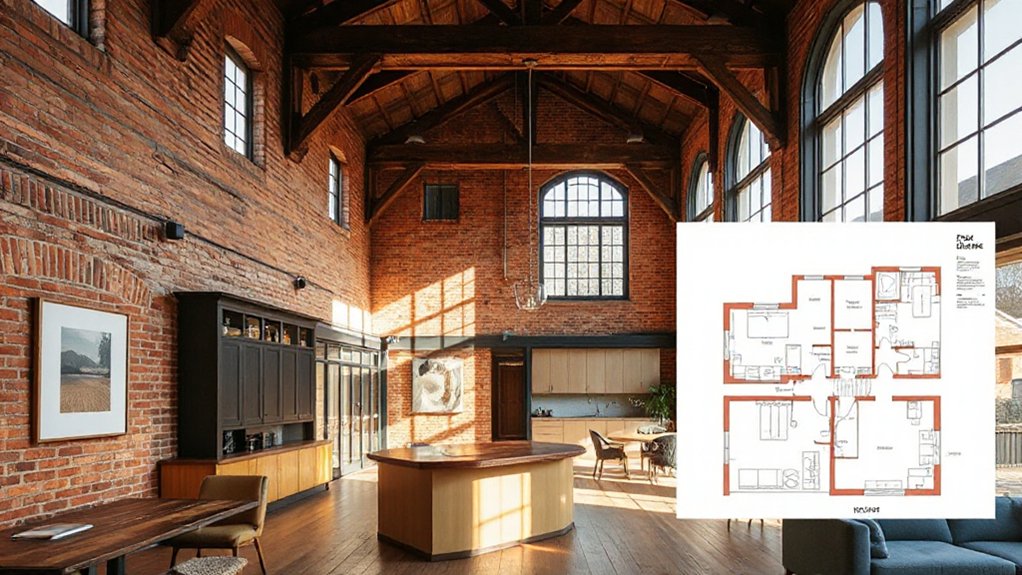
With the site context in mind, you’ll translate clues from the neighborhood into a coherent spatial plan that supports daily life and long-term value. Feasibility depends on adaptive layouts that honor existing structure while prioritizing livability.
Map core zones first: entry, circulation, cooking, and washing, then public and private boundaries. Aim for efficient flows: sightlines, minimal travel distance, and clear thresholds between rooms.
Consider ceiling height, load paths, and daylight to determine which partitions stay or go, prioritizing flexible spaces that can morph with needs.
Garden landscaping should weave indoor-out, enhancing green access without compromising structural integrity.
Historic preservation informs material choices, but avoid nostalgia-driven dead ends; instead, align features with current use, budget, and code realities for a durable, modern home.
Preserve the Pub’s Character While Modernizing for Daily Living
Preserving the pub’s character while making daily living practical means identifying the elements that give it its unique mood—patina, timber, and proportion—then integrating modern conveniences without erasing their texture.
You’ll protect key features first: original bar counters, sash windows, and hand-cut joints. Reframe layouts to honor flow, not imitation, so rooms maintain their fractioned ceiling height and intimate sightlines.
Choose muted palettes that echo the timber tones, and select hardware with a tactile heft to mirror the pub’s era. For comfort, add discreet insulation and smart controls that don’t shout, preserving the pub ambiance.
Document beverage history in a small, visible archive—photographs, menus, artifacts—so every restoration step acknowledges the craft that drew people in.
Daylight Strategies for Thick-Walled Pubs
When daylight is scarce behind thick pub walls, you gain every advantage by turning constraints into design moves: prioritize light-well strategies, strategically placed glazing, and reflective surfaces that bounce what you’ve got deeper into the room.
- Sunlight optimization through narrow shafts and clerestory windows
- Window placement that aligns with interior focal points and seating
- Reflective finishes on walls and ceilings to multiply available light
- Light-colored, low-contrast materials to reduce absorption
- Passive daylight choreography with movable screens and acoustic panels
You’ll test shadows at different times, calibrate glazing types, and document results, ensuring consistent brightness without glare. Start with a simple daylight map, then iterate. This approach preserves atmosphere while brightening daily living spaces.
Plan Plumbing, Electrical, and HVAC for Adaptive Reuse
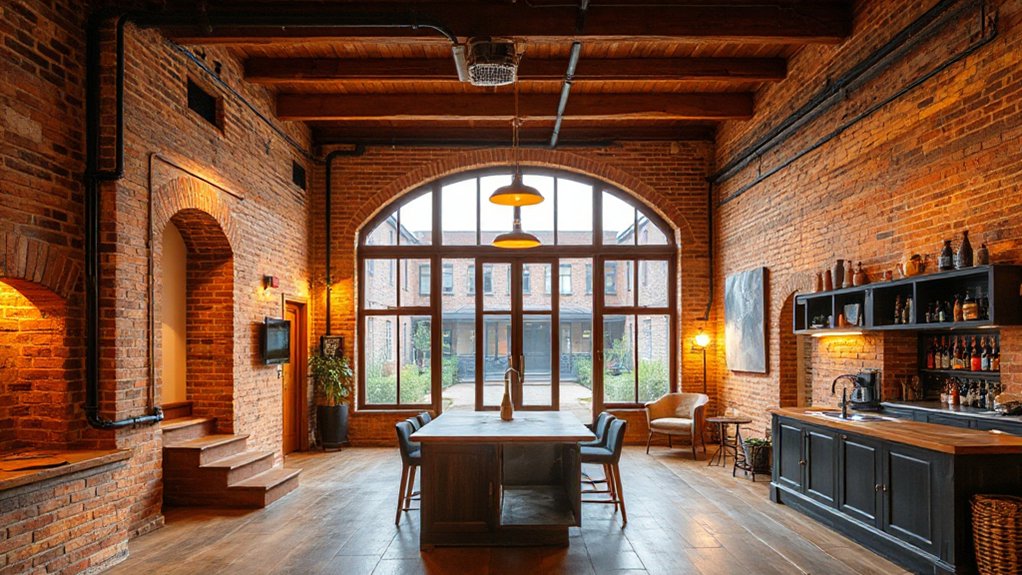
Plan the building systems early to keep adaptive reuse on track: map existing plumbing risers, electrical trunks, and HVAC routes against your new layout, and identify where you can reuse, upgrade, or relocate. You’ll want a single, coordinated plan so service connections stay hidden yet accessible for future repairs.
Assess pipe sizes, vent runs, and electrical load, then consolidate circuits to minimize clutter in historic walls. Choose compact, retrofit-friendly equipment to reduce demolition—think zone controls, variable-speed circulators, and slim ductwork.
Plan outdoor service components with garden landscaping in mind, using discreet, weatherproof enclosures. For interior decor, route mechanicals to preserve sightlines and keep ceilings generous.
Document changes thoroughly for permits and future maintenance, and source modular components for future adaptability.
Design Pub-to-Home Kitchens and Dining Zones
Design a pub-to-home kitchen and dining zone that serves as a daily hub, not a stage set. You blend robust character with modern function, prioritizing flow, durability, and comfort. Focus on pub acoustics and lighting design to balance energy and intimacy, avoiding echo and glare while highlighting architectural features. Use a wide measuring tape, not a loud bar vibe, to plan zones for prep, dining, and socializing.
Choose durable surfaces, low-maintenance finishes, and seating that adapts to gatherings. Integrate hidden storage, a prep island, and a compact beverage station to keep moderation and style in check.
Open plan zoning that preserves sightlines.
Acoustic panels or soft textiles near high-traffic walls.
Task lighting over countertops and ambient glow elsewhere.
Built-in storage and half-height cabinetry.
Cozy, durable seating arrangements for flexible use.
Create Cozy Nooks: Fireplaces, Alcoves, and Seating
Turn your living area into intimate zones with a Cozy Fireplace Nook, a snug alcove seating setup, and built-in warmth that stays with you.
Position a compact fireplace or stove as the anchor, flank with arched alcoves for books or seating, and tuck in benches or banquettes that maximize light and views.
Prioritize materials and scale that feel crafted, not cluttered, so every nook invites relaxation without crowding the room.
Cozy Fireplace Nooks
From the moment you decide to turn a former pub into a cozy home, a fireplace nook becomes the heart of the space, offering warmth, texture, and a natural gathering spot. You’ll design a small focal point that blends rugged charm with refined detail, prioritizing function and feel.
Choose a heat-efficient insert, surround with brick or paneled wood, and guarantee safe clearance. Use alcove lighting to frame the fire and add ambient glow without glare.
Integrate built-in seating, small shelves for keepsakes, and a slim mantel for art. Keep traffic clear, so conversations flow.
The result is intimate, adaptable, and timeless.
- fireplace design
- alcove lighting
- compact insert
- built-in seating
- slim mantel
Alcove Seating Ideas
Rather than a plain bench, build alcove seating that hugs the space and invites lingering. Start with a precise footprint: measure clearance, then plan a seat depth that fits without crowding. Choose a low-profile back, and add a narrow, recessed storage lip for cushions and books. Opt for hidden hinges or a swing-up lid to keep lines clean.
Use durable materials: hardwood frame, moisture-resistant upholstery, and stain-proof fabric for easy maintenance. Install integrated lighting to highlight art or architectural nooks, and tuck slim pillows into the corners for quick comfort.
Emphasize function by aligning alcove seating with windows or doorways to maximize natural light. Label zones clearly, so readers and guests recognize cozy alcoves as relaxing, practical retreat corners. Alcove seating transforms a pub’s fraction into intimate, inviting spaces.
Warmth With Built-Ins
Warmth comes from smart built-ins that tuck comfort into every corner. You’ll create intimate zones with low-profile fireplaces, recessed seating, and alcove shelving that doubles as display space.
Choose vintage charm in finishes and hardware to weave cohesion with the pub’s history, while modern lighting solutions keep rooms bright without glare. Materials should be warm and durable, like oak, brick, leather, and soft textiles. Instead of orumu?, opt for timber, brick, leather, and soft textiles.
Tuck storage into window seats and under benches to reduce clutter. Layer lighting from task to ambient to accent, so evenings feel inviting. Use built-ins to frame views, not block them, and let the glow wrap you in comfort.
- Recessed fireplace with slim mantle
- Corner seating with hidden storage
- Alcove display shelves
- Studio-style reading nook lighting
- Vintage hardware accents
Reimagine Daily Living: Entertainment and Social Spaces
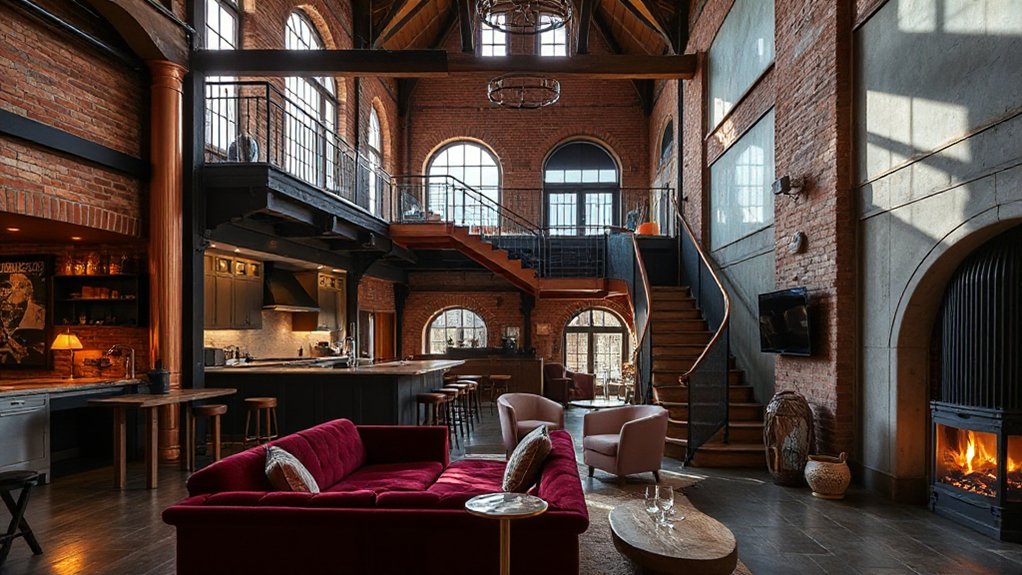
Reimagining daily living starts with how you entertain and connect at home: convert a pub’s social guts into versatile, comfortable spaces that feel both communal and private. You design zones for hosting, lounging, and quick gatherings, ensuring sightlines and traffic flow support easy conversation.
Use pub decor to cue warmth without clutter: a curved bar area becomes a casual spill zone, while alcoves offer intimate seating. Integrate flexible furniture—stackable stools, modular sofas, movable screens—to transform areas from lively to quiet in minutes.
Prioritize beverage storage with tidy recessed shelves and built-in cooling for entertaining, not just storage. Add acoustic-friendly textures where you crave energy, yet preserve pockets for focused conversation.
The goal is fluid mingling, practical function, and inviting atmosphere throughout the day.
Fine-Tune Acoustics to Balance Heritage Charm With Quiet Living
Balancing the pub’s heritage charm with quiet living starts with focused acoustic design that respects history while smoothing daily rhythms. You’ll prioritize sound insulation and targeted acoustic treatment to create calm zones without erasing ambiance.
Treat walls and ceilings with breathable barriers, mass-loaded vinyl where needed, and strategic sealing of gaps.
Choose soft flooring or underlayment to reduce footstep noise and dampen echoes in high-ceiling spaces.
Integrate shelves, fabric panels, and wall Vox absorbers to soften lingering reverberation around common areas.
Plan quiet rooms adjacent to noisy volumes, using door seals and resilient channels.
Maintain character with warm wood tones and period materials that don’t compromise performance.
Fine-tuning acoustics elevates living comfort while honoring the building’s heritage.
- sound insulation
- acoustic treatment
- breathable barriers
- door seals
- reverberation control
Boost Energy Efficiency While Preserving Historic Fabric
Start by identifying energy hotspots—where heat leaks happen and where you’ll gain the most savings with minimal disruption to historic fabric.
Consider retrofit options that blend in: high-efficiency insulation, sealed windows, and efficient heating without compromising original features.
We’ll balance performance and preservation, prioritizing discreet upgrades that respect the pub’s character.
Energy-Efficient Retrofits
To boost energy efficiency without erasing a building’s historic character, start with a clear assessment of existing performance and fabric constraints. Then target high-impact, reversible upgrades. You’ll focus on envelope, systems, and daylighting that respect pub heritage while integrating modern comfort.
Prioritize reversible, low-risk changes that preserve vintage fixtures and spatial rhythm.
- Conduct a ducted heat‑recovery or efficient air sealing with transparent measures for historic gaps.
- Upgrade boilers or heat pumps in stages to minimize disruption to operations and pub heritage.
- Add interior insulation with breathable, non-damaging methods around critical timber.
- Install programmable controls and smart meters for real-time feedback.
- Use energy-efficient lighting that complements vintage fixtures and preserves mood.
These steps keep character intact while delivering tangible savings and comfort.
Preserving Historic Fabric
When preserving historic fabric while boosting energy efficiency, you should map which features give the pub its character and which drive thermal performance, then plan upgrades that respect both. You identify key elements like timber beams, plaster walls, and original floors, noting where insulation or glazing will least disrupt their appearance.
Prioritize airtight detailing at joints, but conceal it behind original moldings whenever possible. Retain vintage signage and historic murals, treating them as heritage rather than barriers to efficiency; use low-impact enhancements behind showcases or within existing voids.
Upgrade heating with discreet systems, such as zoned radiants or heat pumps, paired with recycled-wood or cork flooring to maintain warmth. Document interventions for future owners, preserving the venue’s narrative while improving comfort and energy use.
Choose Materials and Finishes That Tell the Pub Story
If you want the pub’s story to feel native in its new home, choose materials and finishes that echo its past without shouting it.
You’ll pair durable, tactile surfaces with quiet detailing, letting the space breathe its history through texture and color. Favor warm wood tones for floors and counters, aged metal accents, and subdued, patinated paint palettes that read as chronicle rather than costume.
Choose finishes that age gracefully, avoiding glare or novelty. Integrate Vintage signage and bar fixtures in discreet ways—reframe them as architectural focal points, not museum pieces.
Use hand-formed joinery, soft edges, and matte sheens to keep the pub vibe intact while meeting modern comfort. Balance authenticity with practicality to create a timeless, cohesive home.
- Vintage signage
- bar fixtures
- Warm woods
- Patinated metals
- Matte, timeless finishes
Budgeting, Timelines, and Risk Management for Reuse
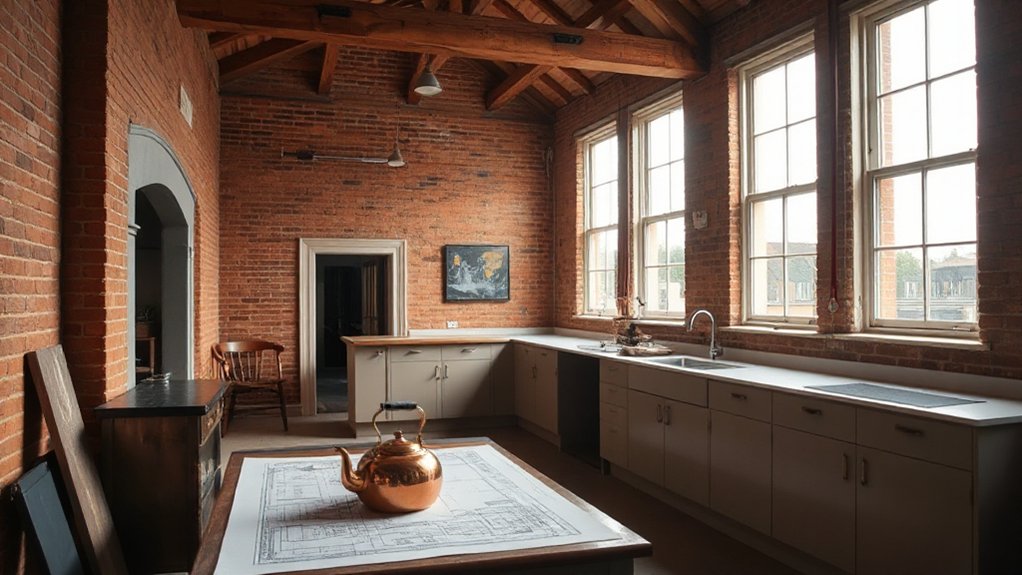
You’ll quantify historic preservation needs early to avoid surprises later, aligning expectations with regulatory steps and potential grants.
Create a phased budget that separates core renovations from finish-layer upgrades, then reserve contingencies for structural quirks or hidden damage.
Map milestones to council approvals, permits, and inspections, so timelines stay credible.
Prioritize community engagement to surface hidden risks and priorities, reducing rework.
Document decisions, track variances, and adjust promptly to keep the project on course without sacrificing quality or safety.
Outdoor Spaces That Extend the Pub Roots
You’ll weave outdoor spaces that feel like an extension of the pub, not a separate add-on. Think how garden flow connects to interiors and how each revealed edge invites movement and comfort.
Reimagine courtyards as living rooms—usable, welcoming, and always ready for a quick drink or a quiet moment.
Outdoor Space Connections
Outdoor spaces that extend the pub roots should feel like an extension of the interior, not an afterthought. You connect indoors to outdoors with seamless thresholds, durable surfaces, and consistent lighting that echoes the bar’s mood.
Use seating layouts that mirror interior zones—lounge, dining, and quiet corners—so activity flows naturally. Build micro-areas that celebrate brewing history and pub decor with visible kegs, taps, and memorabilia integrated into the deck or patio walls.
Weather protection should be practical, not gimmicky, preserving sightlines and access. Sustainability matters: shade, heat, and rain protection with minimal impact on the view.
- Define zones that mirror interior functions
- Integrate brewing history elements
- Layer lighting for ambiance and safety
- Choose durable, easy-care materials
- Guarantee smooth access between indoors and outdoors
Garden Flow With Interiors
Garden flow should feel like a natural extension of the interior, guiding guests from kitchen or bar to outdoor spaces with minimal effort. You design sightlines that connect dining nooks to patios, ensuring furniture placement invites movement rather than crowding.
Use consistent materials and colors to unify indoors and outdoors, establishing a cohesive garden aesthetic that feels intentional, not improvised. Maximize glass or door shelves to blur boundaries, so natural light spills inward, while interior lighting highlights passages at dusk.
Choose lighting fixtures that harmonize with exterior tones, avoiding harsh contrasts. Pathways should be wide enough for service but intimate enough for lingered conversations.
Plan shade options and plant scales to maintain sightlines and safety, creating a comfortable rhythm between rooms. This approach preserves pub roots while elevating contemporary living.
Courtyard Reimagined Living
Stitching the pub’s courtyard into daily living means treating outdoor spaces as usable rooms rather than afterthought pockets. You’ll reinvest the footprint with durable materials, define zones for dining, lounging, and brewing history storytelling, and weave weatherproof furniture into the architecture.
Consider a glass awning to extend seasons, discreet lighting to guide evening gatherings, and planters that echo the old pub decor while softening edges. The courtyard becomes a living room with fresh air, where provenance informs design choices and daily rituals.
- Define zones that mirror interior function: dining, lounging, work nook, and microbrew display
- Use weathered textures and warm tones to nod to brewing history
- Integrate lighting that’s functional, not flashy
- Choose compact, resilient plants for year-round structure
- Store essentials in hidden compartments to preserve cleanliness
Select Suppliers and Contractors With Adaptive-Reuse Experience
To turn a former pub into a home, you want suppliers and contractors who understand adaptive reuse from the ground up. You’ll vet firms for proven experience converting historic spaces into livable layouts, not just cosmetic fixes.
Prioritize architects who balance integrity with modern comfort, and engineers who anticipate structural quirks, such as irregular floor plates, thick walls, or load-bearing surprises.
Seek builders who respect original materials while upgrading systems quietly and efficiently. Ask for portfolios that include adaptive-reuse projects, especially pubs or bars, and request references from those projects.
Your procurement should emphasize minimal waste and responsible sourcing, plus clear timelines and cost visibility.
Finally, discuss handling of historic signage and pub memorabilia with sensitivity, ensuring any display or retention aligns with your vision.
Occupancy Readiness: Safety, Certifications, and Inspections
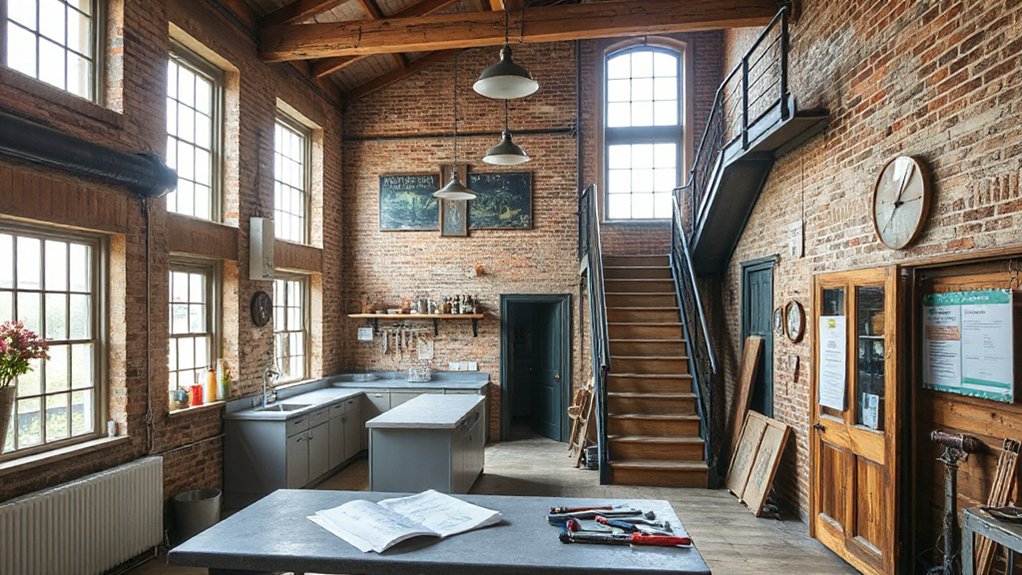
What does it take to make a former pub legally livable? You’ll align occupancy readiness with safety, certifications, and inspections, so every room meets current codes without erasing character. Plan for fire protection, egress, and ventilation, then document compliance with local authorities. You’ll need a certificate of occupancy, declared alterations, and updated electrical and plumbing permits. Schedule inspections early to prevent delays and keep work synchronized with trades.
Preserve pub decor and historic signage where feasible, but guarantee visibility and safety aren’t compromised.
- Fire safety plan and alarms
- Valid CO and smoke detectors across zones
- Electrical and plumbing compliance proofs
- Accessible egress and stair integrity
- Permits, certificates, and regulatory approvals
Long-Term Care and Future-Proofing the Home
Moving from occupancy readiness into long-term care and future-proofing means planning now for aging in place, maintenance cycles, and evolving needs. You’ll design adaptable layouts that support mobility and supervision without sacrificing character.
Prioritize robust electrical, plumbing, and HVAC systems with service access for ease of upgrades, reducing disruption over time. Consider flexible spaces: a ground-floor suite, writable corridors, and easily reconfigured rooms to delay relocation.
Install durable, low-maintenance finishes that honor historic preservation while meeting modern safety codes. Plan for assistive tech, emergency alerts, and smart lighting to boost independence.
Build community integration by featuring shared courtyards or gathering nooks that still feel true to the pub’s legacy. Regular reviews keep the home resilient, energy efficient, and ready for evolving needs.
Frequently Asked Questions
How Will Structural Changes Affect Heritage Integrity?
Structural changes can compromise heritage preservation if you ignore original fabric, so you must protect key features and monitor loads to maintain structural integrity. Prioritize reversible interventions, document every change, and consult heritage authorities during planning and execution.
What Permits Trigger Early Involved Collaboration?
Starting with a gentle nudge, you’ll open early collaboration by engaging the community and planning officers: Community engagement informs decisions, and zoning regulations determine permits, so you coordinate with inspectors and stakeholders before drafting your project timeline.
Can Pub-Specific Features Be Repurposed Effectively?
Yes, pub-specific features can be repurposed effectively. You’ll pursue an interior redesign that preserves character while maximizing function, and you’ll prioritize community engagement to guarantee spaces meet neighbors’ needs and celebrate history.
What Are Essential Safety Inspections Post-Conversion?
Immediately, you’ll need a fire safety inspection and ventilation improvements audit after conversion. For example, a pub-turned-loft case shows preserved exits and upgraded alarms. You’ll verify extinguishers, smoke control, duct cleanliness, and air balance before occupancy.
How to Budget for Adaptive-Reuse Without Overspending?
You budget for adaptive-reuse by starting with precise financial planning and conservative cost estimation, then track every line item. You compare bids, set contingencies, and adjust scope to protect milestones while achieving functional, unique spaces within your budget.
Conclusion
You transform the pub into a home, a waking hearth in stone and timber. Your plans are a key turning a lock; the door once loud with laughter now hums with quiet daily life. Each beam becomes a memory you rehab, every window a fresh horizon. The garden mirrors your new routine—seasonal, intimate, open. In this reuse, you don’t erase the past, you bottle its resilience, letting future tenants sip slowly from its brewed-in-wisdom.