Estate agents weigh a family home’s structural integrity and foundations, then assess layout efficiency and flow for everyday use. They consider expansion potential, room proportions, storage, and flexible spaces that boost market appeal. Location benefits matter—school catchments, nearby amenities, and walkability influence demand. They analyze condition, system age, and energy efficiency, plus expansion feasibility within lot size and zoning. Data-driven price ranges hinge on market signals and comparable sales. If you want more context, you’ll gain deeper insight into these dynamics.
Foundations: Why Valuers Care About Family Homes
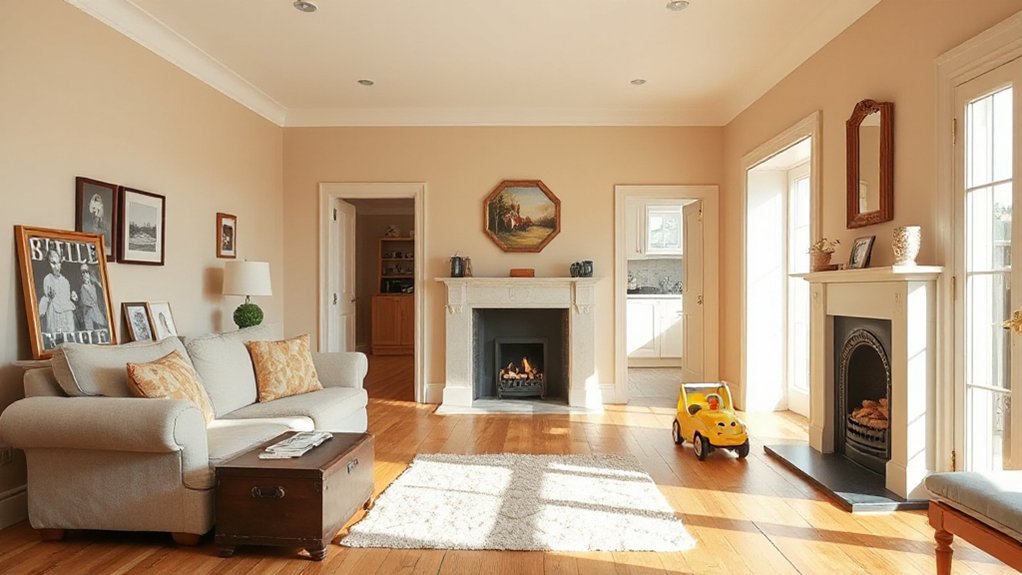
Foundations matter because family homes encode a unique blend of emotional and financial value that valuers must quantify accurately. You evaluate the core stability of the property by examining structural integrity, load paths, and soil conditions, identifying risks before they impact long-term worth.
You correlate foundation health with ongoing maintenance costs, insurance implications, and resale appeal, translating technical findings into actionable insights.
Neighborhood safety and local infrastructure influence foundational performance indirectly: reliable utilities, continuous road access, and nearby flood defenses reduce risk premiums and support predictable capital appreciation.
You document evidence with precision, using standardized terminology and clear visual cues—inspection notes, photos, and measurements—to ensure consistent valuations.
Your disciplined approach anchors trust, guiding clients toward informed decisions rooted in robust, defensible foundations.
Spotlighting Family-Friendly Layouts and Flow
You’ll evaluate how flow Through living areas supports everyday routines, guiding traffic from kitchen to family spaces with minimal friction. Consider how the arrangement of rooms enables clear sightlines, safe passage, and flexible use for kids and guests alike.
We’ll emphasize practical layouts that balance openness with defined zones, highlighting how family-friendly flow and room layouts impact value.
Flow Through Living Areas
How do floor plans optimize everyday life? You’re evaluating flow through living areas with analytical focus. Prioritize seamless progressions between kitchen, dining, and family zones to reduce clutter and unnecessary movement. Opt for sightlines that connect entrances to core spaces, enabling supervision and quick access for chores or play.
Consider ceiling heights, column placement, and doorway widths to avoid bottlenecks during busy mornings and evenings. Natural circulation should guide layout decisions, supporting quiet corners for study or reading without isolating adults from activity.
Incorporate interior lighting strategies that enhance depth and function, and guarantee landscaping features frame outdoor access for seasonal usability. The result is a flexible, scalable plan that remains coherent under everyday pressures.
Family-Friendly Room Layouts
Imagine a layout where family life unfolds with effortless rhythm: rooms sized and placed to support daily routines, sightlines that keep supervision easy, and flow that minimizes disruptions during busy mornings.
You’ll prioritize open sightlines from the kitchen to living spaces, reducing the need to shout or chase toddlers.
Zoning should separate high-traffic zones from quiet zones, with multipurpose areas that adapt to learning, homework, and play.
Corridor width and door swing are precise, preventing bottlenecks.
Keep garden landscaping visible from key rooms to enhance engagement and safety.
Proportions matter: door thresholds, stair placements, and storage alcoves should be integrated, not retrofitted.
This focus supports energy efficiency, reduces wasted movement, and preserves home value through thoughtful, scalable layouts.
School Catchments and Nearby Amenities
School catchments matter because families prioritize predictable education routes, transfer flexibility, and consistent feeder patterns—changing boundaries can shift demand quickly.
Nearby amenities matter too: supermarkets, parks, healthcare, and cultural hubs shape daily convenience and quality of life, lowering ongoing travel costs and boosting appeal.
You quantify access through walkability scores, commute times, and hours of operation, then compare against competing listings.
The result should be a clear, data‑driven justification for price positioning, emphasizing how favorable School catchments and Nearby amenities translate into superior investor and owner‑occupier appeal.
Storage, Parking, and Flexible Spaces That Sell
Optimizing storage and parking options isn’t an afterthought—it’s a core value proposition that directly elevates a property’s marketability. You assess how storage solutions maximize usable space, from built-ins to modular systems, ensuring clutter-free layouts that feel larger.
Parking considerations matter in both accessibility and capacity: note drop-off zones, turning radii, and off-street options that align with local demand. Flexible spaces—rooms that convert between home office, gym, or guest suite—enhance appeal without major renovations.
Highlight ceiling heights, electrical capacity, and robust lighting to reinforce practicality. Document integration potential for EV charging, bike storage, and weather-protected access.
Present clear, measurable benefits: square footage efficiency, anticipated maintenance ease, and prospective buyers’ time saved when moving in. Clarity wins, precision converts.
Condition, Systems Age, and Expansion Potential
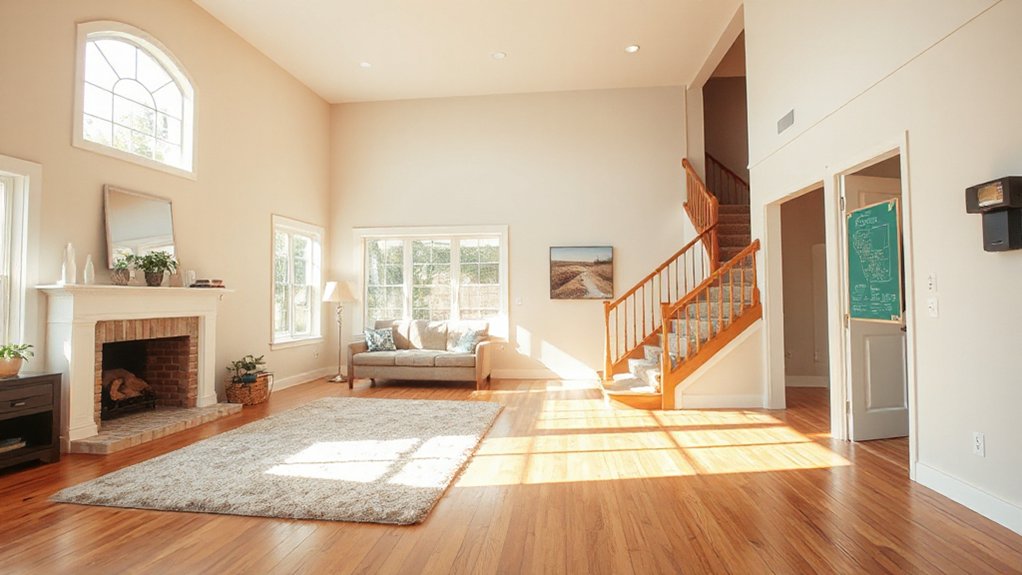
Condition and age set the baseline: you’ll assess condition grades, system ages, and remaining useful life to forecast upkeep costs.
Expansion potential factors hinge on layout, add-on feasibility, and planning constraints, so you can map future growth against market demand.
For upgrades, you’ll weigh mechanical efficiency, smart-system options, and materials durability to gauge return on investment.
Condition And Age
When evaluating a home’s condition, start with a clear snapshot of its major systems—addressing age, current performance, and remaining life expectancy—and then gauge how expansion potential fits into long-term value.
You’ll assess structural integrity, roofing, plumbing, electrical, and HVAC baselines, noting last service dates and expected replacement cycles. Document observed wear, material quality, and finish conditions to illuminate maintenance needs without alarmism.
Age at the core informs risk profiles and budgeting clarity, guiding practical resale confidence.
Consider how condition interacts with home exterior and interior design—facades, insulation, windows, and interior finishes influence perceived value.
Keep findings tight, measurable, and actionable, prioritizing items with immediate impact on safety and efficiency while avoiding speculative speculation about future additions.
Expansion Potential Factors
Expansion potential hinges on three tightly linked factors: the current condition of key systems, their age and remaining life, and how feasible extensions are within the lot and design constraints.
You assess core mechanics—plumbing, electrical, HVAC—for reliability and anticipated maintenance. System age predicts retrofit needs and compatibility with future layouts.
Feasibility considers setbacks, zoning, and structural capacity to add rooms, adjoinings, or second stories without compromising fire separation or foundation stress.
Site constraints, including access and drainage, shape footprint options.
Visual impact matters: stair placement, light wells, and alignment with existing rooms influence desirability.
Landscaping enhancements and outdoor living are integral to perceived expansion value, offering seamless progressions from interior to yard.
Precision planning minimizes risk, maximizing usable square footage while preserving aesthetic balance.
Systems And Upgrades Prospects
System condition, age, and expansion implications intertwine to map upgrade prospects precisely. You assess core systems first: HVAC, plumbing, electrical, and insulation, rating age, capacity, and redundancy.
When a home’s current setup supports smart home integration, you gain upgrade levers for comfort and control without overhauling circuitry.
Energy efficiency indicators—annual energy use, heat loss, appliance efficiency, and ventilation quality—guide value.
Expansion potential hinges on load capacity, zoning, and space for future modules, such as additional bathrooms or a secondary suite.
You quantify return pathways: control interfaces, automation compatibility, and scalable infrastructure.
Prioritize upgrades that deliver measurable savings, utility rebates, and resale appeal.
A well-documented upgrade trajectory—with timelines and costs—signals prudent stewardship to buyers and lenders alike.
Read a Valuation: Decoding Numbers and What They Mean
A valuation boils down to numbers that tell you what a property is worth now, and what might push that value up or down. You read the valuation as a structured signal: current market price, recent comparable sales, and remaining time on market. It’s about translating data into a defensible figure, not guessing.
Focus on underlying drivers: location premium, condition, size, and layout efficiency. Different valuation techniques weigh these factors with varying emphasis, revealing a range rather than a single point.
Your goal is to assess credibility of the inputs, sanity-check outliers, and identify risk flags. Use pricing strategies to frame negotiation margins, while recognizing market cadence.
In short, extract rationale, validate assumptions, and articulate a transparent conclusion grounded in robust data.
Next Steps: Using Market Signals to Guide Your Sale
To use market signals effectively, align your sale plan with current momentum and anticipated shifts reflected in data from recent activity, comparable sales, and time-on-market trends. You’ll translate signals into actionable steps, calibrating price, timing, and marketing to match Neighborhood trends and Buyer preferences.
Precision here matters: interpret demand cycles, inventory levels, and seasonality to minimize days on market and maximize confidence from offers.
- Monitor price trajectories and adjust expectations without overreacting
- Align listing timing with peak buyer activity windows
- Highlight features that mirror prevailing Buyer preferences
- Position your home to reflect current Neighborhood trends
- Refresh marketing with data-driven insights and clear value propositions
Frequently Asked Questions
How Do Opinions Vary Between Different Estate Agents on Family Homes?
Opinions vary because Neighborhood trends and Buyer preferences steer each agent’s emphasis, so you’ll see differing weightings on schools, transit, and curb appeal, with some prioritizing growth areas and others prioritizing stable, affordable pockets for family homes.
Do Renovations Impact Valuers’ Opinions More Than Location?
Renovations do influence opinions, but location often weighs more. You’ll notice the renovation effects vary with scope, timing, and finishes; your renovation priorities should align with market demand to maximize value, while location remains a baseline.
How Does Natural Light Influence Valuation Beyond Square Footage?
Sunlight impact can dramatically sway perceived value; you’ll notice room brightness affecting ambiance and usability. You evaluate sunlight impact, noting how larger windows optimize natural light, glare control, and daylight distribution, boosting appeal beyond mere square footage.
Are Heritage Features Counted in Family-Home Valuations?
Yes, heritage features are counted in valuations. You’ll see heritage significance and historical preservation considered, though impact varies by market and condition. You’ll gain emphasis on authenticity, contributing positively if well preserved, yet potential repairs may temper value.
How Quickly Do Market Shifts Change a Property’s Value Estimate?
Market timing affects estimates quickly; price fluctuations can shift value within weeks. You adjust expectations as data updates, noting that shifts may stretch over days to months, depending on demand, supply, and market momentum you track diligently.
Conclusion
Understanding what valuers weigh helps you position a family home for a stronger sale. One striking stat: homes in top school catchments tend to sell 8–12% higher than comparable properties nearby. Focus on family-friendly layouts, storage, parking, and flexible spaces, while preserving condition, age of systems, and expansion potential. Read the valuation carefully to decode numbers, then use market signals—like recent sales in your street—to time your listing and guide negotiations with confidence.