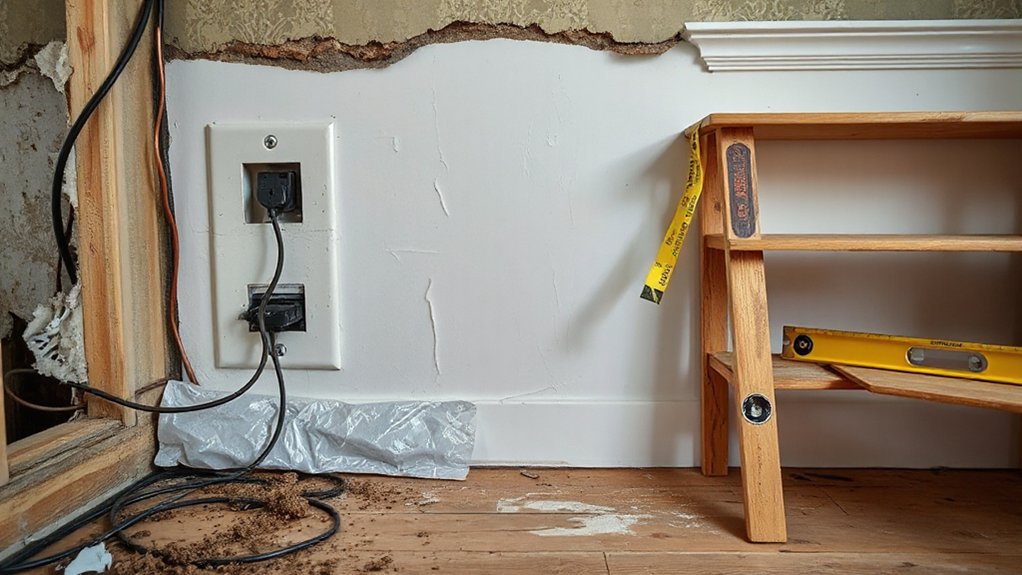
Prioritize a clear scope and budget from the start, defining what stays, what changes, and what’s optional. Build in a realistic contingency (10–15%) and a flexible timeline that accounts for permits, procurement, and trades. Hire licensed professionals early, verify permits, and insist on traceable, eco-friendly materials. Choose trades carefully, with clear contracts, safety plans, and proper certifications. Track contingencies transparently and refresh buffers as work progresses to stay on momentum—ignore these steps and costly fixes follow. More tips ahead.
Define Scope and Budget for UK Home Renovations

Before you lift a hammer, define what you’re aiming to achieve and how much you’re willing to spend. You start by outlining the project’s scope: which rooms, what changes, and which features are essential versus optional.
Then specify a budget with a realistic contingency, typically 10–15%, to cover surprises. You’ll need a clear timeline, too, to align procurement, permits, and trades.
When you set goals, tie them to design trends and material selection early so choices aren’t retrofitted later. Document constraints, like existing plumbing or load-bearing walls, and assess resale impact.
Prioritize value over vanity; value preserves comfort and function. Keep decisions focused on practical outcomes: durability, efficiency, and finish quality that ages well.
Revisit estimates as plans evolve, maintaining disciplined discipline and transparent communication.
Lock in Professional Guidance and UK Permits
You’ve set a clear scope and budget, so now lock in professional guidance and the permits UK renovations require. Start by engaging a licensed architect or building surveyor early to translate your goals into a compliant plan. Their oversight helps you avoid costly changes later and keeps calculations for load, drainage, and fire safety on track.
Concurrently, consult your local council about required permissions—planning, building regulations, and any listed-structure considerations. This upfront collaboration minimizes delays and penalties.
When discussing design trends, ask for practical adaptations that fit your home’s fabric and budget, not just fashionable looks. Favor eco-friendly materials where feasible, ensuring suppliers provide traceability and waste management.
Plan for Disruption With Realistic Timelines
When you plan a renovation, map out a realistic timeline that accounts for disruption and keeps your daily life intact. Start with a high-level schedule, then layer in flexibility for delays, deliveries, and dust days.
Identify critical milestones—demolition, rough-in, and finish work—and set approximate dates, not guarantees. Build buffers between phases to adapt to surprises without blowing budgets.
Communicate early about design aesthetics and material selection timelines, so changes don’t cascade into delays.
Create a daily/weekly plan for each space, noting access needs, rubbish removal, and storage. Track progress with a simple checklist, updating it as realities shift.
Choose the Right Trades: Safety, Licensing, and Compliance

Choosing the right trades is non-negotiable for safety, licensing, and compliance. You select skilled professionals who demonstrate up-to-date tradesperson qualifications and a track record of clean, compliant work. Verify registrations, insurance, and relevant trade memberships, then ask for past project references.
Establish clear contracts outlining scope, timelines, and access, plus a written safety plan that details site precautions and PPE requirements. Confirm that each tradesperson follows safety protocols, including risk assessments and proper waste handling.
Insist on proper electrical, gas, and structural certifications where required, and only hire if you understand who holds responsibility for compliance at every stage.
Avoid price-only decisions; prioritize documented competency, accountability, and a transparent process to safeguard your home and investment.
Build in Contingencies: Risk Mitigation and Budget Buffers
Building in contingencies helps safeguard both your schedule and budget when projects encounter surprises. You’ll benefit from practical Contingency planning that anticipates overruns and delays, reducing the risk of costly last-minute decisions.
Establish clear Budget buffers to absorb price fluctuations, unavailable materials, and unforeseen scope changes, so you don’t derail the whole project. Treat contingencies as part of the plan, not afterthoughts, and track them transparently with your contractor.
Communicate early about potential risks, so everyone adapts together rather than arguing later. By embedding these buffers, you maintain momentum, protect quality, and avoid coverage gaps that stall progress.
- Set a realistic contingency percentage based on scope and market conditions
- Align contingency with contract milestones and payment schedules
- Revisit and adjust buffers as work unfolds
Frequently Asked Questions
How Should I Handle Unexpected Structural Discoveries During Renovation?
When you encounter unexpected structural discoveries, halt work and consult a building inspection immediately. Plan structural reinforcement with a qualified engineer, document findings, and obtain permits before continuing to protect your project, safety, and resale value.
What Are Hidden Costs Typically Not Included in Quotes?
Did you know 70% of projects hit extra costs? Hidden fees creep in, especially labor surcharges and permit delays. You’ll protect yourself by clarifying hidden fees and ensuring contractor insurance is up to date before signing.
How Can I Minimize Disruption to Neighbors and Daily Routines?
You minimize disruption by proactive neighbor communication and strict noise management, scheduling work during reasonable hours, posting timelines, offering advance notices, and addressing concerns promptly to maintain trust and daily routines during renovations.
What Warranties or Guarantees Should I Insist on From Trades?
When you demand warranty claims and guarantee coverage, you protect yourself like a lighthouse in a storm. You should insist on written terms, clear duration, exclusions, workmanship and materials, workmanship warranty, and accessible dispute resolution with trades.
How Do VAT, VAT Reverse Charge, and Tax Relief Affect Budgeting?
VAT implications affect your budgeting: you’ll factor VAT, consider the reverse charge where applicable, and assess whether you’re VAT-registered. Track invoices for tax relief eligibility, ensuring you claim eligible costs while keeping accurate, auditable records.
Conclusion
You’ve planned carefully, nailed down budgets, and lined up the right pros with permits in hand. Stay flexible as projects shift and surprises surface, but don’t overspend or rush decisions. Keep a clear scope, track milestones, and verify licenses and safety compliance at every turn. Build in buffers and communicate openly to avoid costly delays. If a snag appears, you’ll handle it calmly and smartly—like a seasoned pro, turning risk into a resilient finish.