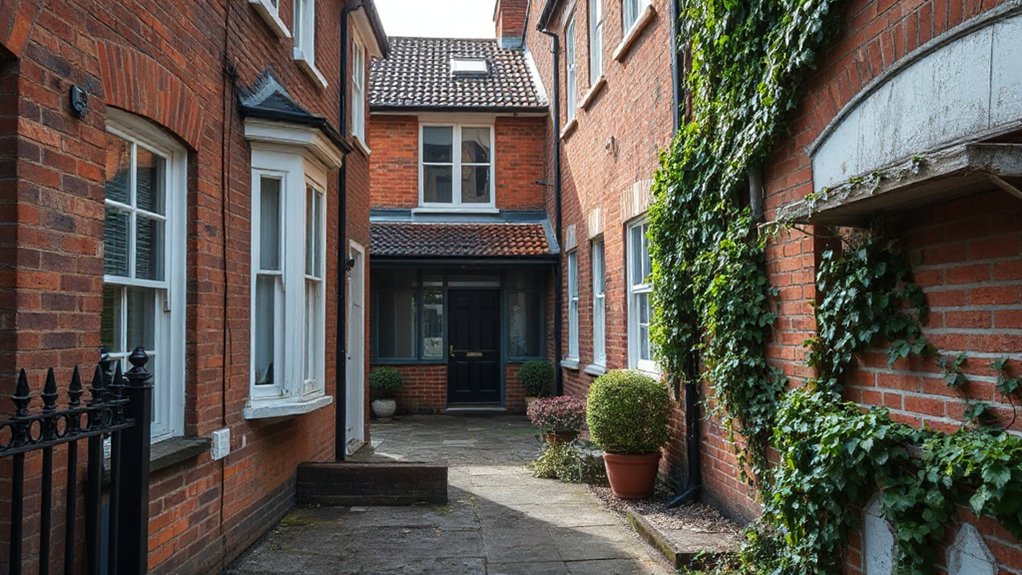
Older UK terraced homes can be a design-aware, renovation-centric investment if you balance heritage value with structural viability. You’ll benefit from lower purchase prices and solid yields, but face hidden costs like damp, timber issues, and retrofit needs. Planning consent and phased work are common, so build in contingencies and a clear maintenance schedule. Energy upgrades matter but must respect historic fabric. If you push for disciplined budgeting and phased improvements, you’ll see long‑term value—as you’ll discover with the next steps.
Do Older Terraced Homes Fit Your Investment Goals?
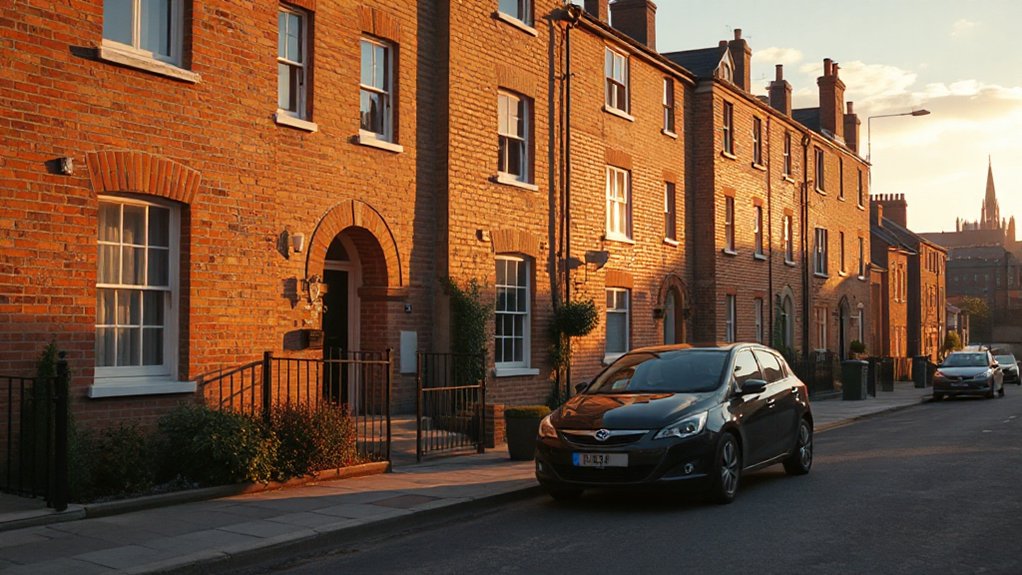
Are older terraced homes a fit for your investment goals? You assess magnetic density, proportional massing, and retention of period features to gauge fit. From a technical lens, these properties demand a design-aware approach: structural integrity, damp-proofing, and retrofit compatibility with modern services.
You weigh historical architecture against disruption risk, mapping out refurbishment paths that respect character while elevating energy performance. Urban revitalization outcomes hinge on careful layout optimization, intelligent insulation, and durable materials that minimize ongoing maintenance.
You should quantify potential rental appeal linked to heritage-driven finishes, such as sash windows and decorative plasterwork, without overburdening budgets. If your strategy prioritizes selective restoration, disciplined project management, and community-facing improvements, these homes can align with your long‑term portfolio trajectory.
Financial Upsides: Lower Purchase Price and Solid Yields
While older UK terraced properties often come with a lower upfront price tag, that initial discount is only the beginning of the financial upside; the real value lies in achievable yields through targeted renovation and efficient design choices.
You’ll assess baseline cost against cap rate projections, aligning renovations with high-demand architectural styles to preserve liquidity and resale appeal. Historical architecture informs fixture selection, material sourcing, and energy improvements that boost rentability without inflating carrying costs.
By prioritising compact, adaptable layouts and durable finishes, you can shorten vacancy cycles and stabilise cash flow. The emphasis on architectural styles helps you market distinctiveness, while cost-conscious sourcing and phased upgrades maximise return on investment.
Hidden Renovation and Maintenance Costs (Structural, Damp, and Retrofit Upgrades)
Hidden renovation and maintenance costs can erode the apparent upside of older terraced homes unless you plan for them early. You confront hidden costs that emerge from age, build method, and original materials, not just cosmetic fixes.
Focus on structural issues first:左右 walls, foundations, party-wall integrity, and timber framing signs such as bulging plaster or non-uniform floors.
Damp risks require systematic assessment—condensation, damp patches, timber decay, and rising damp indicators—before scheduling retrofits.
Retrofit upgrades should target moisture management, ventilation, and retrofit-ready framing while preserving heritage fabric.
Budget for asymmetric fittings, obsolete services, and lead or asbestos contingencies where applicable.
Prioritize detailed surveys, phased work plans, and performance specs that reduce rework.
With disciplined planning, you control schedule, cost, and long-term resilience of the property.
Energy Efficiency for Vintage Terraces: Insulation, Heating, and Running Costs
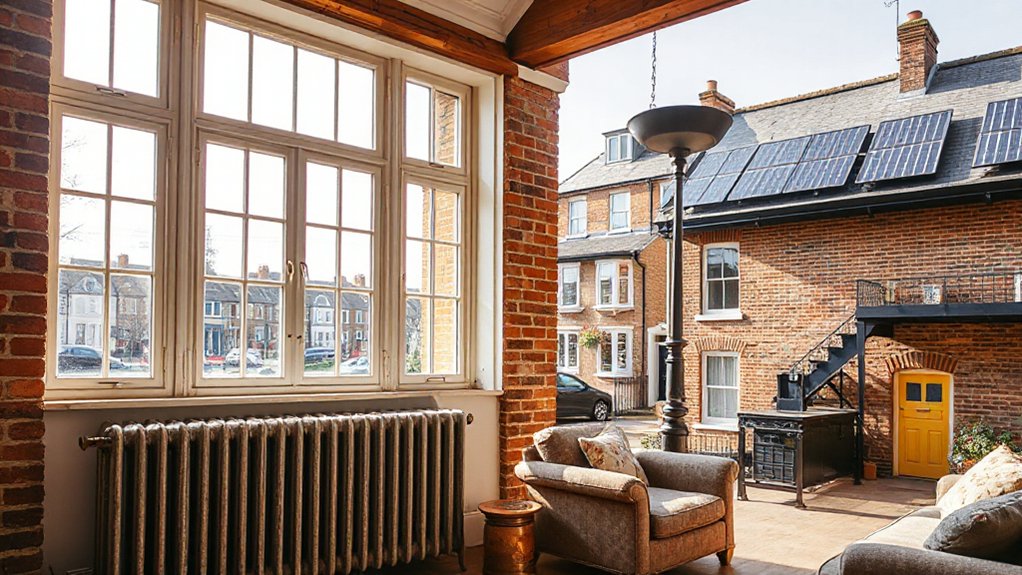
You’ll weigh insulation challenges and gains against the design constraints of a vintage terrace, targeting continuous thermal performance without compromising character.
Explore efficient retrofit options—from cavity or external wall insulation to airtight detailing—that balance warmth with façade integrity and running costs.
We’ll compare heating solutions and their total lifetime costs, focusing on installation practicality, energy use, and measurable performance.
Insulation Challenges and Gains
Insulation in vintage UK terraces presents a unique balancing act: you gain comfort and lower running costs without compromising character or wall structure. You approach this with a design-minded lens, prioritising continuity with existing fabric while tightening performance.
Thermal bridging remains a primary challenge: masonry joints, door thresholds, and floor-plates create heat paths that demand targeted detailing. Select insulation materials that align with historic constraints—breathable, compatible with lime plasters, and dimensionally stable to prevent cracking.
Consider cavity adaptions only where walls permit, and favour continuous blankets or controlled-stud systems that preserve wall integrity.
Roof and floor junctions deserve careful treatment to minimize cold spots. Measure success by steady indoor temperatures, reduced drafts, and minimal moisture risk, all without altering the property’s visible character.
Heating Options and Costs
Heating options for vintage terraces must balance performance with fabric integrity and long-term running costs. You’ll prioritize efficient, retrofit-friendly systems that respect solid-wall construction and heritage fabric.
Focus on low-temperature emitters, such as underfloor or radiator zoning, to minimize throttling heat losses while preserving room geometry.
Consider modern heat pumps only if you can install with appropriate insulation, air sealing, and humidity control to avoid condensation risks.
For fuels, assess relative running costs, local energy prices, and maintenance needs. Pellet or gas condensing boilers may offer practical retro fit, but may clash with fabric if oversized or poorly shielded.
Roof repairs and garden landscaping outcomes influence thermal performance by shaping solar gains and moisture management.
Plan early for access, services, and finish continuity to simplify future renovations.
Planning Permissions for Older Terraced Homes: What You Can Do and When You’ll Need Consent
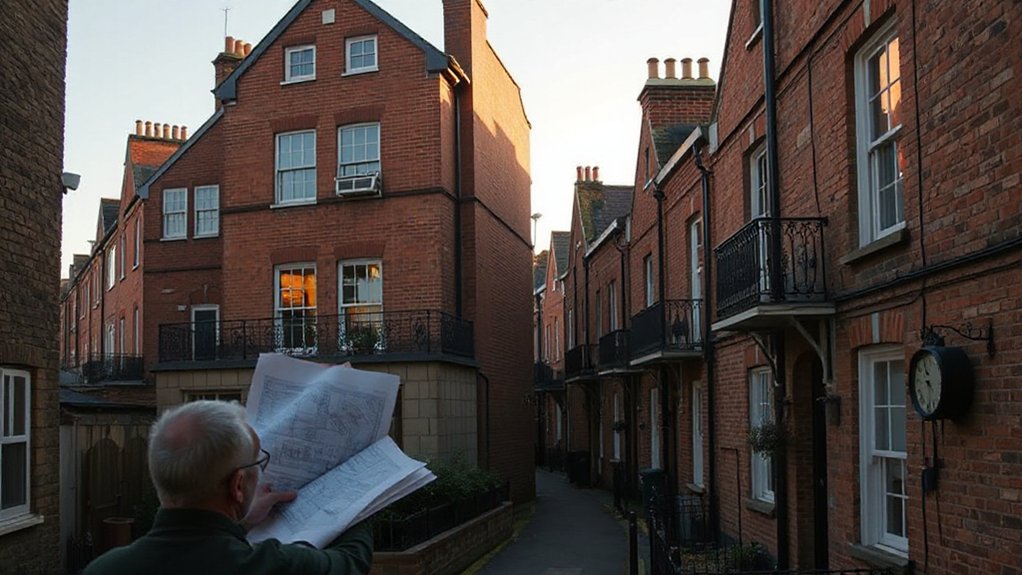
Understanding planning permissions basics helps you plan feasible renovations for older terraced homes, from extensions to façade changes.
You’ll need consent for structural alterations, changes to building envelopes, and anything affecting neighbors or the external appearance.
Start by mapping what you can do under permitted development and where you’ll require formal planning permission to avoid costly redesigns later.
Planning Permissions Basics
You’ll need to assess site-specific rules, document changes, and anticipate potential design objections early. Focus on how alterations influence load paths, moisture management, and brickwork alignment to protect structural integrity.
If opting for extensions or alterations, test their impact against surrounding harmony and period detailing. Understand exemptions, timelines, and possible pre-application advice to reduce risk.
Historical preservation considerations guide material choices and drafting of plans, while aesthetic restoration informs sympathetic finishes.
In planning, balance renovation ambition with regulatory constraints to safeguard long-term value.
When Consent Is Required
For older terraced homes, you’ll typically need consent whenever a change affects the building’s footprint, structure, or appearance. In practice, that means planning permission or listed-building consent before altering walls, roofs, chimneys, or bays.
You’ll also require consent for new openings that affect load paths or drainage, and for any work impacting shared boundaries or party walls, due to party-wall legislation.
If your project touches historic materials, finishes, or exterior features, Historic preservation considerations come into play, potentially triggering additional approvals.
Design-focused renovations should document architectural styles, respond to period cues, and avoid compromising structural integrity.
Minor cosmetic updates—like repainting within existing color schemes or replacing like-for-like fixtures—often don’t require consent, but neighbors and conservation officers may still object, so verify early.
Legal and Title Nuances: Covenants, Boundaries, and Rights of Way
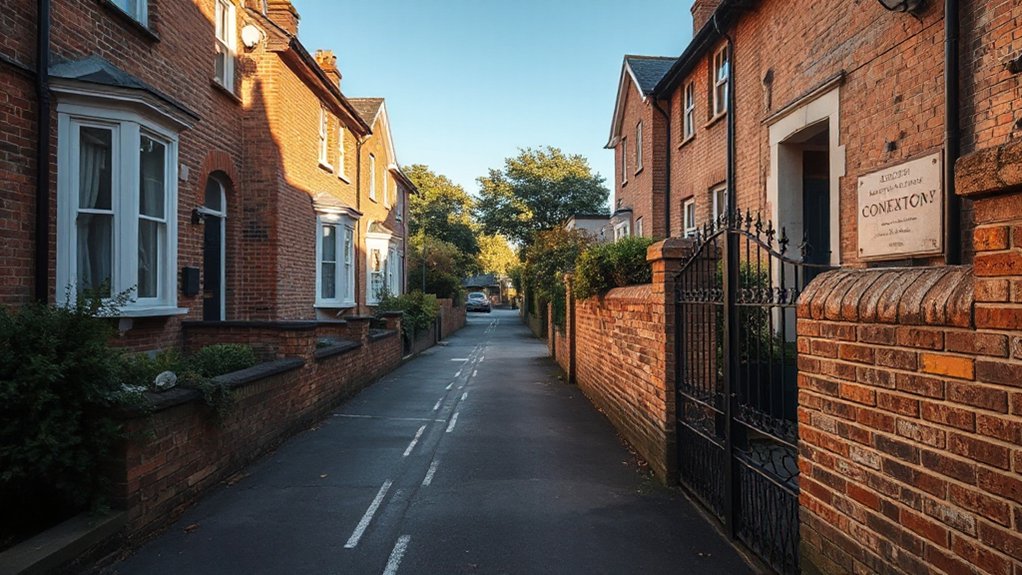
Covenants, boundaries, and rights of way often shape how you can use, modify, and resell an older UK terraced property, so you must verify who owns what and what restrictions apply before you plan any renovation.
In practice, you’ll examine title deeds, land registry notes, and any side-letters attached to the property to map enforceable obligations. Covenant restrictions commonly govern extensions, alterations to facades, and even planting or outside structures, so you’ll need precise architectural plans aligned with these limits.
Boundaries determine your set-back margins and neighbour relations, reducing the risk of encroachment disputes. Anticipate boundary disputes by sourcing recent surveys and considering fence or wall responsibilities.
Document everything, confirm permissive and restrictive clauses, and verify your project budget accommodates potential compliance costs.
Common Quirks of Terraced Properties (Shared Walls, Noise, and Access)
Shared walls define your layout and soundproofing strategy, so you’ll assess wall construction, party-wall agreements, and potential for retrofit without compromising structural integrity.
You’ll weigh noise transmission basics against floor-stop gaps, isolation options, and practical monitoring of vibration paths that affect comfort and resale value.
Access challenges ahead mean you’ll plan entry points, light wells, and service routes with renovation-ready details to minimize disruption to neighbours.
Shared Wall Realities
Shared walls define terraced homes, so understanding their realities is essential for renovation planning, sound management, and access logistics. You’ll encounter shared wall complexities that shape layout options, structural ties, and insulation strategies.
When renovating, account for party-wall agreements, vibration transfer, and potential plasterwork challenges that influence timelines and cost. Noise transmission remains a central design constraint, guiding material choices, decoupling details, and vibration isolation methods.
Develop a passive communication plan with adjacent owners to avoid future disputes and safeguard project scope. To prioritize clarity, consider:
- Evaluating wall lineage and coupling points before demolition
- Selecting resilient, compliant framing and insulation assemblies
- Scheduling work to minimize cross-wall disturbance
This approach keeps your design focused, renovation-centric, and compliant.
Noise Transmission Basics
Noise transmission in terraced homes hinges on how shared walls, floors, and ceilings couple structural elements to living spaces on either side. You assess how flanking paths, resonant frequencies, and junctions influence perceived impact or speech clarity.
Practically, transmission crests where mass, rigidity, and damping meet; gaps, stud spacing, and fixture penetrations create leakage. For renovation, focus on fundamentals: airtight seals at partition intersections, continuous floor and wall mass, and decoupling where feasible.
Implement modern insulation to reduce airborne and impact paths, selecting materials with balanced mass and absorption. Employ soundproofing techniques like resilient channels, staggered studs, or floating assemblies to disrupt direct vibration.
Prioritize detailing at doors, windows, and electrical penetrations, ensuring mechanical services don’t bypass treatments. Auditing existing assemblies informs targeted upgrades with predictable performance gains.
Access Challenges Ahead
- Narrow stair cores and shared landings constrain removal of bulk materials.
- Front-to-back access chokepoints complicate delivery schedules for trades.
- External entry points may require sympathetic, reversible interventions to respect structure.
Addressing these issues demands a clear plan for temporary partitions, vibration control, and load-bearing decisions.
Structural challenges must drive structural assessments, while access restrictions should guide contractor selection, waste management, and sequencing to preserve continuity of living spaces.
Location Nuances: Streets, Neighbours, and Local Demand
Even within the same street, subtle differences in design, street frontage, and nearby amenities shape demand for older UK terraced homes. You assess how rhythm, massing, and frontage materials influence curb appeal and resale resilience.
Street ambiance matters: tree canopy, lighting, and pavement width affect perceived safety and walkability, translating into higher local demand.
Neighbour relations, though not always obvious, determine ongoing maintenance and communal cost expectations, which, in turn, impact cash flow and renovation pace.
Focus on floorplate efficiency, party-wall conditions, and alignment with historic zoning or conservation guidelines, since these govern permissible alterations and project risk.
You prioritize consistent design language across renovations, avoiding jarring contrasts that deter buyers.
In markets with tight supply, subtle improvements in accessibility, vistas, and front setbacks can meaningfully elevate value.
Financing Older Terraced Homes: Lenders’ Stance and What They Look For
You’ll need to map lenders’ criteria for period homes, where valuation assumptions and historical integrity drive mortgage offers.
Expect stricter loan-to-value limits, higher repair-cost visibility, and requirements around planning consent and listed-status that can affect financing timelines.
We’ll outline how renovation scope, consent permissions, and structural upgrades influence underwriting and what to present to secure favorable terms.
Lending Criteria For Period Homes
Securing financing for a period terraced home hinges on lender scrutiny of vintage-era features and structural integrity, not just the purchase price. You’ll encounter criteria that balance architectural styles with practical risk, demanding documented repair history and quality materials. Lenders assess redundancy, load paths, and retrofit readiness to preserve historical significance while meeting modern standards.
1) Assess structural health: timber framing, masonry walls, foundations, and damp control.
2) Verify renovation compliance: permits, build quality, and compatibility with period design.
3) Demonstrate long-term value: maintenance plans, energy retrofit options, and fabric preservation.
Design-aware underwriting favors properties with clear restoration plans that protect fabric and aesthetics. Expect higher valuation adjustments for hidden defects, yet credit lines rise when you present a rigorous, renovation-centric strategy.
Architectural styles and historical significance inform risk, not solely price, shaping favorable loan terms for well-documented, compliant period homes.
Valuation Impacts On Older Terraces
Valuation for older terraces hinges on more than purchase price; lenders weigh fabric quality, historic integrity, and retrofit readiness when determining worth. You’ll see valuation rooted in condition surveys, not just market comparables, with emphasis on load paths, damp mitigation, and confirmable retrofit compatibility.
Historical preservation considerations shape premium adjustments or penalties, depending on listing status and materials provenance. Aesthetic appeal matters too, as legibility of original details—cornices, sash windows, ironwork—can lift perceived value if preserved or thoughtfully restored.
Lenders assess long-term investment risk by forecasting maintenance cadence and capital uplift from sensitive upgrades. They favor properties where restoration aligns with energy efficiency targets, guaranteeing compliance with conservation guidelines without sacrificing historic character.
Clear documentation of compliant works improves loan terms and aligns financing with design-led renovation goals.
Renovation And Consent Considerations
Renovation plans for older terraced homes trigger lenders’ scrutiny beyond purchase price, emphasizing consent paths, technical viability, and design-led compliance. You’ll need clear planning routes, engaging building control early, and documenting how modern amenities fit without compromising structure or character.
Lenders assess feasibility, cost predictability, and sustainability, prioritizing urban renewal outcomes that align with local standards. Be prepared to show risk mitigation, contractor competence, and detailed timings for each consent stage.
- Secure listed-building or conservation-area approvals where required, with a coherent design brief.
- Demonstrate structural viability and utility upgrades that preserve fabric while enabling modern use.
- Present a phased works plan tied to valuation milestones and compliance checks.
This approach balances renovation ambition with lender confidence, reducing hold-ups and supporting a tighter, design-forward investment thesis.
Rent and Resale Prospects for Vintage Terraces
From a design-forward angle, consider how heritage features—ornate cornices, staircases, and proportion—bolster rent potential when preserved or thoughtfully restored under renovation permits.
Structural health and serviceability determine resale velocity, so prioritize discreet upgrades that respect fabric and control costs.
Location quality, local policy, and amenity access shape resale premium, while systematic maintenance schedules preserve value over time.
Historical architecture accents add differentiation, yet you must balance modern comfort without eroding authenticity.
Budget forecasts should include permit timelines, inspection contingencies, and energy-efficiency improvements to sustain resale momentum.
Cost-Effective Renovation Paths That Pay Off
When you’re weighing cost-effective renovation paths, start by prioritizing improvements that boost perceived value without inflating budgets. You’ll align technical feasibility with design intent, focusing on durable, low-cost returns that elevate Historical architecture and property aesthetics.
- Restore key period features: sash windows, plaster repairs, cornices for visual impact with minimal material costs.
- Optimize layman-friendly finishes: timeless tiling, neutral palettes, and scalable lighting to enhance perceived quality quickly.
- Improve daylight and layout: open sightlines, efficient storage, and smart shading to boost usability and resale appeal.
Target areas where subtle upgrades yield outsized returns, avoiding over-customization. Emphasize authenticity over flashy trends, so renovations feel cohesive with the terrace’s character.
Prioritize repair over replacement where practical to preserve historical integrity and long-term value.
Budgeting for Renovation Surprises: Contingency and Cash Flow Planning
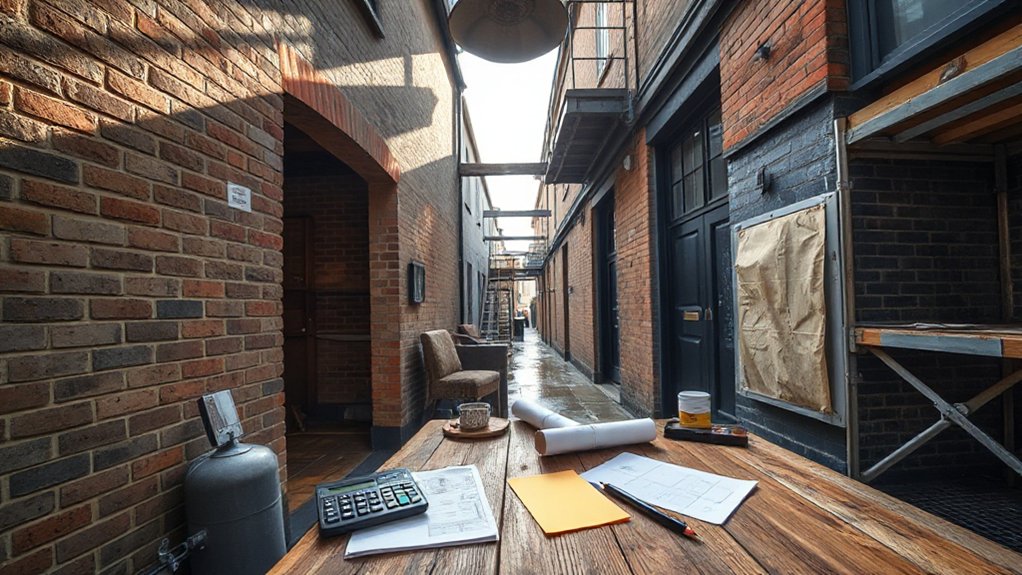
Budgeting for renovation surprises hinges on disciplined contingency and cash-flow planning. You establish a baseline scope, then add a 10–20% contingency for unforeseen conditions—structure, damp, or hidden services—so budgets remain realistic under pressure.
Build a cash-flow model that spreads cash draws with project milestones, factoring lead times, contractor payment terms, and seasonal constraints. Track changes in real time; use a change-order process to prevent budget creep.
Align contingency with design decisions that affect cost, such as material quality and fittings, while preserving historical preservation goals. Build in risk reserves for supply-chain volatility and permit delays.
For urban renewal contexts, plan around disruptive phases and community expectations, ensuring minimal impact on adjacent neighbors and compliance with heritage guidelines.
Asset Management for Landlords: Long-Term Maintenance Strategy
Asset management for landlords hinges on a proactive, long-term maintenance strategy that aligns with renovation goals and asset value. You’ll implement a structured schedule that prioritizes durability, efficiency, and compatibility with Historical preservation and Architectural styles.
This approach preserves character while reducing lifecycle costs and downtime.
Key actions include:
1) Establish a regime of condition-based inspections to forecast failures before they impact cash flow.
2) Align refurbishments with fabric-friendly materials and period-accurate finishes to sustain authenticity.
3) Integrate modular upgrades that respect heritage constraints while boosting performance and tenant appeal.
Maintain detailed records, budget buffers for known aging components, and communicate visually with contractors through design-blueprint references.
This disciplined framework supports steady value retention across generations of tenancy.
Risk Mitigation: Typical Pitfalls and How to Avoid Them
Despite the best plans, common pitfalls can erode returns if you don’t anticipate them; a disciplined risk map helps you stay ahead. You assess risk upfront by cataloging typical renovation challenges in older terraces and aligning them with a technical budget, schedule, and scope.
Architectural styles inform detailing, plaster, and timber fixes, preventing scope creep caused by aesthetic expectations. Local regulations shape consent timelines, refurbishment allowances, and party-wall responsibilities, so you build contingencies for compliance delays.
Structural disclosures matter: underpinning or repointing may surface late, inflating costs and extending timelines. Systems upgrades—electrical, plumbing, and damp-proofing—need phased sequencing to avoid backtracking.
Documented controls, defect logs, and milestone gates reduce change orders, preserving cash flow and protecting asset value.
Investment Decision Framework: When a Vintage Terrace Makes Sense for Your Portfolio
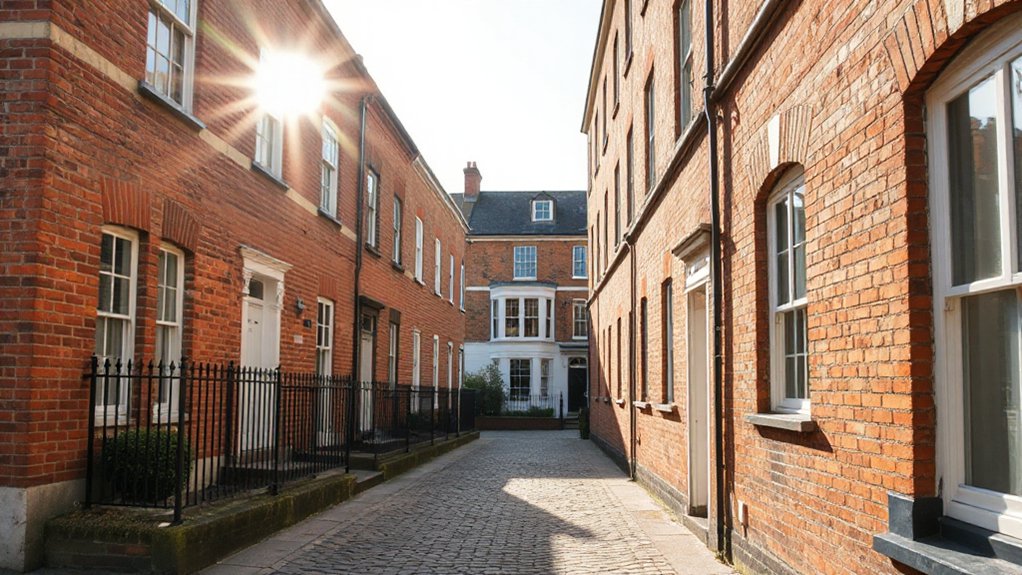
Deciding when a vintage terrace fits your portfolio starts with a clear decision framework that weighs value drivers, risk, and execution practicality. You’ll assess renovation scope, tenant appeal, and long-term preservation value against market dynamics, financing, and entropy costs.
This framework centers on design discipline, durability, and regulatory alignment, particularly around Historical preservation and architectural significance.
- Prioritize scalable renovation plans that respect period details while modernizing systems.
- Quantify value add from siting, layout improvements, and energy efficiency without erasing character.
- Confirm long-term hold viability by analyzing maintenance cadence, capex horizon, and potential grants or tax incentives.
Frequently Asked Questions
How Do Tenancy Laws Affect Terraced Investments Long Term?
Tenancy laws affect terraced investments long term by protecting tenant rights and mandating legal compliance, which you must uphold through transparent leases, proper deposit handling, and timely repairs, ensuring steady occupancy, reduced disputes, and compliant, renovation-friendly properties.
What Hidden Costs Recur After Purchase in Terraces?
Like a ticking clock, hidden costs recur after purchase in terraces. You’ll face Renovation expenses and ongoing Maintenance obligations, recalibrating budgets as you design. You manage risk, track milestones, and protect cashflow with precise, renovation-centric planning.
Do Listed Status or Protections Apply to Terraced Homes?
Listed status protections can apply to terraced homes, restricting alterations; you’ll navigate mandatory approvals. You’ll assess Historical significance and Architectural features to guide renovation decisions, ensuring design integrity while meeting conservation requirements and preserving long-term value.
How Do Leasehold Terms Impact Cash Flow and Resale?
Leasehold restrictions affect your cash flow through ground rents and service charges, potentially depressing resale; property management fees add ongoing costs. You’ll need rigorous budgeting, careful renovation planning, and design-aware maintenance to maximize value and resaleability.
Are There Regional Demand Differences for Terraced Properties?
Regional preferences exist for terraced demand, you’ll notice, with Market fluctuations shaping buyer tastes across regions; you adapt by tailoring renovations to local aesthetics, layout optimizations, and design features that align with regional demand signals and price momentum.
Conclusion
You invest in a vintage terrace like drafting a blueprint for your future. Benefits hover as solid yields and lower entry costs, but hidden beams—structural damp, retrofit quirks, and maintenance—demand respect. You balance energy retrofits with running costs, secure consent when plans sting, and cushion cash flow with contingency. When you treat risk like weathered timber—evaluate, reinforce, plan—you’ll design a portfolio that ages with purpose, not peril. A well-kept terrace becomes architecture for wealth.