Boost curb appeal with durable, weather-ready materials that stay vibrant year-round, like teak, powder-coated metal, synthetic wicker, and molded concrete. Create defined outdoor zones for lounging and dining, using fade-resistant fabrics and easy-clean cushions. Add shade and smart lighting, plus weatherproof tech and outlets for comfort in any season. Use strategic plantings, contrasting textures, and clutter-free storage to frame architecture and highlight details. If you want more, you’ll uncover further steps to elevate value even further.
Why Outdoor Upgrades Boost Curb Appeal
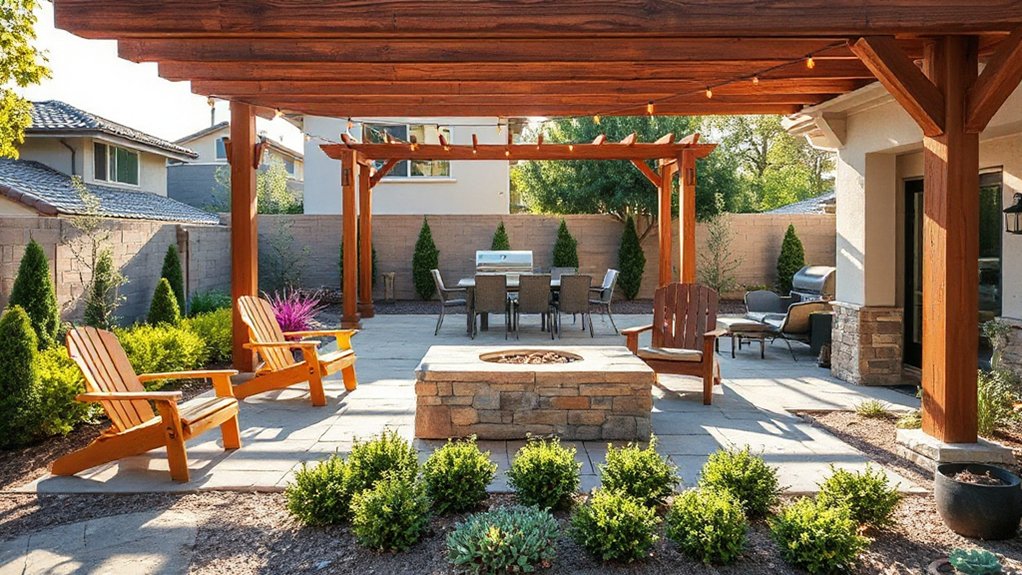
Outdoor upgrades instantly elevate your home’s first impression. When you improve the exterior, you guide buyers’ eyes to your property’s intent and care.
A thoughtful balance of greenery, lighting, and defined lines sharpens curb appeal without overdoing it. You’ll see a stronger perceived value because visitors notice polish before they notice price.
Integrate garden art as intentional focal points that reflect your style rather than random clutter. Use outdoor storage to hide tools and hoses, keeping sidewalks clear and entries inviting.
Strategic plantings frame pathways, while contrasting textures add depth and sophistication. Keep scale in check so architectural details remain the star.
With intentional upgrades, you project confidence, practicality, and a design-forward sense of hospitality at first glance.
Choose Durable Materials That Weather Any Season
Choose weather-resistant materials that stand up to sun, rain, and humidity, so your spaces stay fresh year after year. Look for low-maintenance options and long-lasting color solutions that reduce upkeep without sacrificing style.
With durable choices in place, you’ll design outdoor areas that perform in every season.
Weather-Resistant Materials
Prioritize high-quality, low-maintenance options like teak or powder-coated aluminum for frameworks, and synthetic wicker or concrete that’s molded for durability. For fabrics, select solution-dyed acrylics or other UV-stable fibers that resist mildew.
Incorporate garden furniture and decorative accents that pair resilience with a cohesive look; select finishes and colors that won’t yellow or crack with exposure. Seal joints and cushions with water-repellent coatings, and store or cover pieces during extreme weather.
Your outdoor areas stay inviting, functional, and architecturally intentional year after year.
Low-Muss Maintenance Options
To weather any season with minimal upkeep, prioritize durable, low-maintenance materials that resist fading, staining, and wear. You’ll want surfaces and components that perform year round with minimal care.
Choose synthetic options that handle sun, moisture, and foot traffic without warping or moss buildup. Artificial grass offers a green, evergreen yard look without mowing or irrigation, reducing maintenance windows and mess.
Pair it with waterproof furniture that cleans easily and resists mildew, so outdoor rooms stay usable after rain or humidity.
For structural longevity, select powder-coated metals and sealed composites that shrug off salt, chlorines, and spills.
Plan drainage correctly, and use worry-free textures that hide dirt.
This approach keeps your outdoor spaces stylish, functional, and durable across seasons.
Long-Lasting Color Solutions
Even in changing light, you want color that lasts; start with materials that resist fading, staining, and wear. For outdoor surfaces, pick colorfast pigments and UV-stable finishes that maintain tone year after year.
Prioritize fade resistance in decking, siding, and furniture coatings, and opt for powders or paints with reinforced binders designed for exposure to sun and moisture. Use porcelain, ceramic, or stone tiles with high color retention for hardscapes, then pair with fade-resistant fabrics and cushions that resist sunburn.
Build a palette around durable neutrals and saturated accents that won’t drift with weather shifts. Regular sealing, smart maintenance, and proper cleaning extend color longevity, protecting property appeal and ensuring a cohesive, design-forward outdoor living space.
Create Cozy Outdoor Seating and Dining Zones
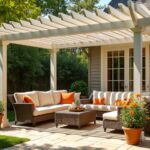
Creating cozy outdoor seating and dining zones starts with defining use and flow, then layering comfort with durable, good-looking pieces. You map zones by activity—lounge, dine, and mingle—so traffic moves smoothly and chairs don’t crowd paths.
Choose weather-ready materials that stay inviting season after season, with cushions in fade-resistant fabrics. Mix scales: a low-profile sectional plus a few compact dining seats keeps conversation effortless.
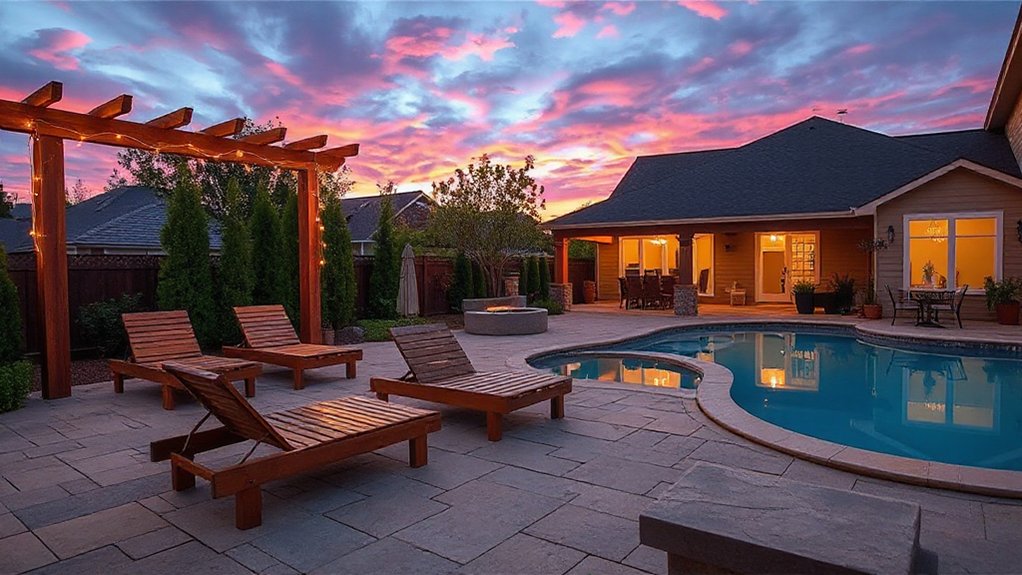
Include a fire pit as a central gathering point for warmth and atmosphere, and place it where conversations stay within view.
For rhythm, add a soundtrack with outdoor speakers integrated into the design, hidden from sight yet delivering crisp audio.
Finish with lighting that extends usability and enhances safety without overpowering the space.
Shade, Lighting, and Weatherproof Tech for Comfort
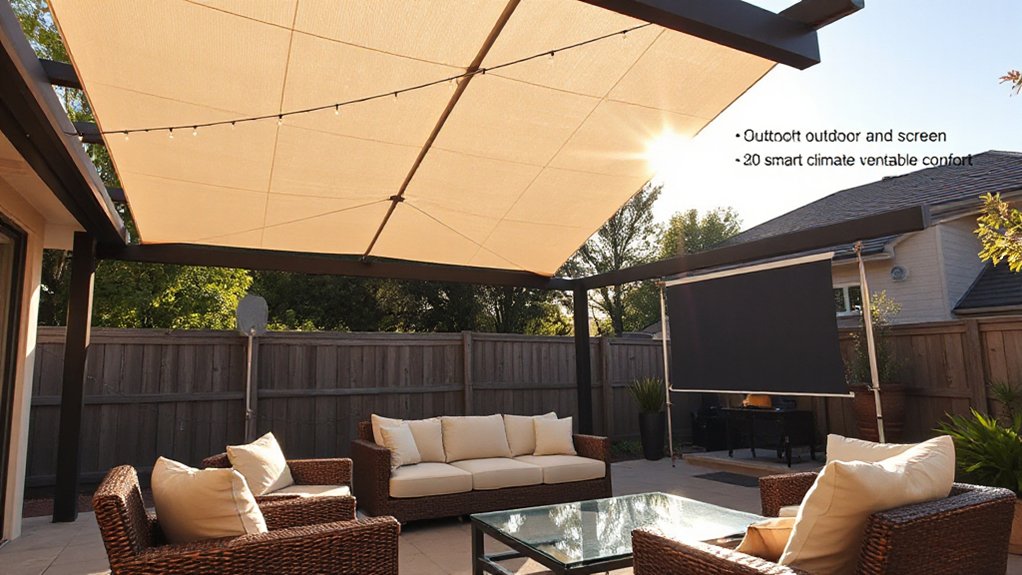
Strategically combine shade, lighting, and weatherproof tech to maximize comfort across seasons. You’ll create a seamless outdoor environment by pairing retractable awnings or pergola lattices with dimmable LEDs and warm ambient hues.
Add smart technology to automate scenes: motion sensors trigger lighting as you enter, heaters switch on before air chills arrive, and fans modulate airflow during heatwaves.
Weatherproof outlets and rugged, IP-rated gear ensure reliability through rain or sprinkling.
Use seasonal decor accents—pillows, throws, planters—to reinforce mood without clutter, while keeping function intact.
Prioritize durable materials and easy maintenance so updates don’t overwhelm upkeep.
Design-forward choices, like integrated power rails and hidden wiring, keep visuals clean.
Your space stays comfortable, efficient, and ready for spontaneous gatherings.
Plan Low-Maintenance Landscaping That Pops
A low-maintenance landscape can be as striking as your tech-assisted outdoor setup, and it should reinforce—the mood you’ve built with shade, lighting, and weatherproofing—without demanding constant upkeep. To plan effectively, choose native flora that thrives in your climate, reducing irrigation and seasonal care.
Embrace xeriscape design principles: consolidate plantings, group by water needs, and mulch generously to suppress weeds. Select hardy, low-demand species with year-round texture—grasses, evergreen shrubs, and flowering perennials for color bursts without fuss.
Implement practical zones: a compact, water-wise display near seating, a pollinator-friendly border, and a maintenance-accessible backdrop. Install smart irrigation with soil sensing and drip lines, plus durable, weather-resistant furnishings.
Regularly prune minimal targets, and let your landscape evolve with subtle seasonal shifts rather than constant overhaul.
Budget-Smart Upgrades That Add Real Home Value
Budget-smart upgrades can deliver real home value without breaking the bank; small, targeted improvements pay off in curb appeal, energy efficiency, and daily usability. You’ll maximize impact by choosing durable materials, smart scheduling, and finishes that coordinate with existing architecture.
Start with lighting upgrades, weatherstripping, and a weather-resistant seating area to boost usability year-round.
Prioritize garden privacy with strategic screens, planters, or trellises that add height and character without overwhelming space.
Integrate outdoor soundproofing where you value quiet zones—dense shrubs, acoustic panels, or water features can soften noise while enhancing ambiance.
Choose modular, transferable elements to preserve value for resale.
Track ROI through visible upgrades like fresh paint, clean lines, and cohesive color schemes that connect indoor and outdoor living.
Frequently Asked Questions
How Can I Maximize ROI From Outdoor Upgrades?
To maximize ROI, you prioritize durable materials and timeless design. You’ll optimize landscaping design and outdoor furniture selection, focusing on low maintenance, modular layouts, and scalable features that enhance curb appeal while reducing long-term costs.
Which Plants Require the Least Irrigation and Upkeep?
They’re drought-tolerant landscaping, and you’ll prune lightly and water deeply infrequently. A stat: 50% of water waste happens on lawns. Choose low maintenance plants, prioritize natives, and design with texture to maximize appeal and resilience.
What Safety Features Boost Outdoor Living Value?
You boost outdoor living value by adding landscape lighting and outdoor firepits, prioritizing safe installs, Weatherproof cables, grounded outlets, secure enclosures, and proper clearance; you plan pathways, non-slip surfaces, and proper extinguishment, plus clear wind-sheltered seating zones.
How Do Trees Affect Property Taxes and Insurance?
Trees can affect taxes indirectly through appraisal shifts, while insurance costs drop with proper tree maintenance; you should schedule regular care, document maintenance, and ask insurers about discounts, ensuring you leverage potential insurance discounts for well-maintained landscaping.
What Permit Requirements Apply to Exteriors and Patios?
Right away, you’ll need permits for exterior alterations and patios where required by your city, including landscape lighting and fence installation. Confirm setbacks, zoning, and inspections are met, then proceed with professional sketches and approved materials.
Conclusion
You can seal your curb-appeal crown with inspired, intentional outdoor upgrades. Embrace durable, weather-smart materials, then craft cozy seating and dining zones that invite lingering. Shade, lighting, and weatherproof tech boost comfort, while low-maintenance landscaping keeps beauty blossoming with minimal effort. Budget-smart upgrades yield big home value, so plan wisely and prune waste. By blending practicality with design-forward polish, you’ll create vibrant, inviting exterior spaces that genuinely wow, welcome, and wow again.