You assess a property’s true market appeal by translating curb appeal, interior flow, and condition signals into measurable value you can track. You pair data-backed benchmarks—neighborhood trends, days on market, price-per-square-foot—with visual storytelling that highlights layout efficiency, natural light, and durable finishes. You calibrate staging, photography, and upgrades for ROI, then align price, timing, and demand signals. If you keep exploring, you’ll uncover deeper tactics that sharpen buyer perception and demand.
What True Market Appeal Means for Buyers
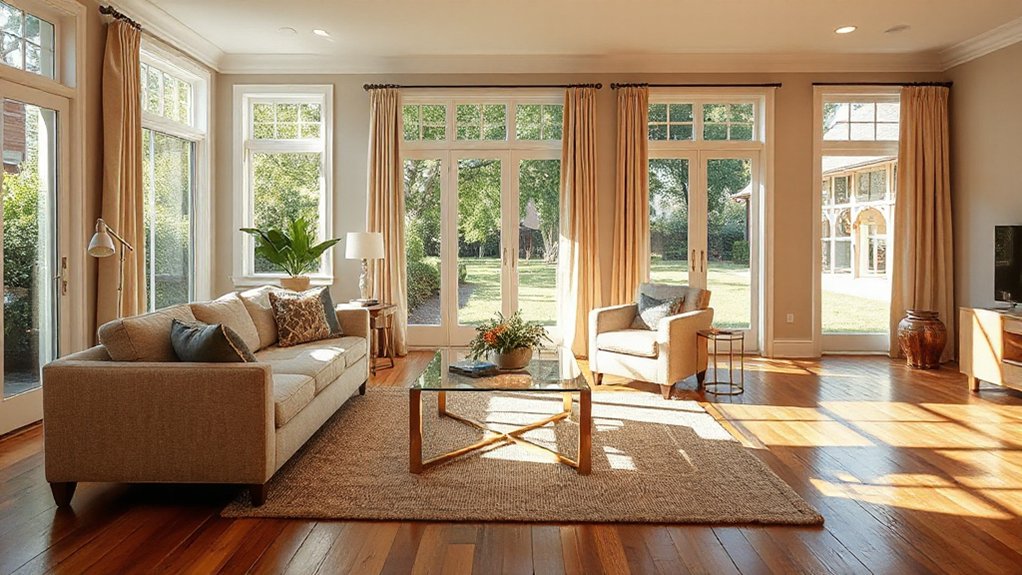
True market appeal translates into what buyers see, feel, and believe about a property in moments. You notice first impressions—the curb, entry, and street rhythm—then indicators of value build quickly in your mind.
Parse-driven signals guide you: consistent styling, durable finishes, and a coordinated palette that suggests low maintenance and lasting quality. Data backs your intuition: homes priced near the median selling range with clear, neutral finishes move faster and receive more offers.
You weigh neighborhood safety and local amenities alongside square footage and light. A well-presented property crops up in your consideration set as trustworthy and desirable, not flashy or risky.
When the visuals align with practical realities, you perceive reliability, reducing perceived risk and accelerating commitment.
How Flow and Layout Drive Perceived Value
Flow and layout directly shape how buyers perceive everyday livability and long-term practicality. You’ll notice how intuitive traffic through rooms reduces friction, while clear sightlines enhance perceived safety and flexibility for furniture placement.
Progression governs how often you’ll use spaces in sequence—kitchens opening to dining, living areas extending to patios—creating a mental map of usability. Layout clarity translates to faster value judgments: fewer questions about future renovations, lower perceived risk, quicker bidding.
Data-backed observations show cohesive circulation boosts perceived square footage and functional worth.
Gardens influence interior perception too: garden landscaping visible from main hubs reinforces outdoor usability, extending living space. Thoughtful outdoor furnishings complement progression, framing amenities without crowding.
Together, flow and layout elevate perceived value, guiding buyers toward favorable decisions.
Curb Appeal: The Fast Connection Factor
Curb appeal immediately signals value, shaping your first impression with standout exterior features and a clear timeline of that initial reaction. You’ll see how strong curb cues—from landscaping to entry details—drive aesthetic value.
While data tracks the speed and strength of the connection. This set of cues frames your property’s perceived worth before a single interior tour.
Curb Appeal First Impression
First impressions matter: a home’s curb appeal sets the tone before buyers step inside, and this rapid visual readout can drive engagement or hesitation. You’ll notice that the first glance aggregates data points—photos, age of exterior, and cohesive styling—into a single confidence signal.
Prioritize clean lines, tasteful color harmony, and targeted maintenance to maximize perceived value per square foot. Garden landscaping matters because well-defined plantings frame entry paths and create seasonally relevant appeal, boosting perceived care and longevity.
Exterior lighting matters too; evenly lit entryways extend viewing windows and reduce perceived risk. When curb signals align with neighborhood norms, buyers mentally credit the home with lower renovation risk and quicker settlement.
In practice, couple aesthetic restraint with durable, low-maintenance choices to sustain impact through multiple showings.
Standout Exterior Features
- Garden landscaping: manicured beds, defined edges, seasonal color that supports property scale.
- Exterior lighting: balanced street presence, flood and accent angles that maximize safety and mood.
- Overall cohesion: uniform material palettes, consistent trim, and front-door prominence that reinforce value.
Timeline Of First Impressions
Consider how a home’s initial impression unfolds in seconds: a cohesive curb appeal creates an immediate sense of scale, care, and potential, guiding buyers to read the property as livable and valuable right from the doorstep.
In this timeline, small cues—entry symmetry, path cleanliness, and deck sheen—drive rapid judgments about maintenance and longevity. You’ll quantify impact by noting entrance impressions against data trends: high-contrast colors, uniform lighting, and visible seasonal upkeep correlate with stronger first-week engagement.
Parse-driven metrics reveal that better curb cues lift perceived value before interior tours. Historical pricing patterns show homes with consistent exterior maintenance command higher proceeds, even in markets with rising inventory.
As market saturation shifts, first-impression quality buffers price sensitivity, supporting quicker offers and narrower negotiation bands.
What Condition Signals Do Buyers Notice First

You notice how exterior first impressions set the pace for the rest of the tour, with porch lighting, paint wear, and landscaping signaling overall upkeep.
Then you pivot to interior condition signals—ceiling integrity, flooring wear, and the cleanliness of kitchens and baths—these cues shape perceived value before details get priced.
Exterior First Impressions
First impressions hinge on the exterior, where buyers notice curb appeal within seconds and form budget-anchoring judgments about maintenance and potential surprises. You’ll see how the entrance, façade, and yard colorwork signal overall care, durability, and future costs, reinforcing a data-backed narrative of value rather than glamour alone.
- Landscaping design cues indicate ongoing maintenance needs, seasonal appeal, and the likelihood of costly upgrades.
- Exterior lighting quality affects safety perceptions, nighttime aesthetics, and perceived property boundaries.
- Material consistency across siding, roof edges, and trim communicates durability, reducing perceived risk for buyers.
When you assess exterior signals, focus on cohesive landscaping design and strategic exterior lighting to project enduring value and minimize objections.
Interior Condition Signals
As buyers step inside, they first read the interior like a report card: walls, floors, ceilings, and fixtures reveal wear, upkeep, and hidden costs. You parse condition signals through a data lens: surface integrity, variance in texture, and repair quality predict future maintenance intervals and expense.
Subtle cues—uneven paint, chipped trim, and light fixture flicker—signal systemic issues that affect value, not just aesthetics. Aesthetic focus matters: cohesive color schemes, natural light, and material quality correlate with perceived value, while historical significance can elevate desirability when preserved.
Artistic expression shows in thoughtful detailing and craftsmanship, yet overreliance on novelty may mask durability concerns. Buyers triangulate with room scale and layout flow, translating signals into a monetary risk assessment and an informed, faster decision.
Renovation ROI: Where Upgrades Pay Off

Renovation ROI hinges on targeting upgrades that boost perceived value and functional appeal, not just cosmetic flair. You’ll optimize dollars by focusing on enduring basics that buyers notice first: efficiency, layout, and outdoor polish.
Data shows best returns come from energy efficiency, durable materials, and curb-appeal improvements like garden landscaping. Plan upgrades with a clear impact map, measuring cost versus perceived value.
- Prioritize energy efficiency upgrades (LEDs, insulation, high-efficiency systems) that slice operating costs and attract buyers.
- Improve layout and flow with minimally invasive changes that enhance space utility.
- Elevate curb appeal through garden landscaping and low-maintenance finishes that signal long-term care.
Keep targets concrete, costs transparent, and outcomes measurable to maximize appeal and resale leverage.
Staging and Photos That Tell the Right Story
Staging and photography shape perception before a buyer even tours, so tell a clear, data-driven story through spaces that feel both functional and inviting. You’ll curate lighting, focal points, and flow to maximize perceived space, using metrics like room brightness, color temperature, and photo angles to guide decisions.
Each image should illustrate a practical narrative: how a kitchen layouts for daily use, how a living area supports conversation, how textures cue durability. Artistic expression brings personality without overwhelm, while cultural influences inform your palette and props to reflect local buyer tastes.
Maintain consistency across photos to reinforce a cohesive message, then compare virtual staging to in-person reactions to refine arrangements. The result: authentic scenes that convert interest into inquiries, backed by observable, repeatable patterns.
Aligning Price, Timing, and Neighborhood Trends
To align price, timing, and neighborhood trends, you start with precise data: current sale prices, days-on-market, and velocity by micro-neighborhood, then map that to your target price band and listing date. You translate Neighborhood dynamics into actionable guardrails for pricing strategies, anchoring decisions in real-time signals rather than intuition.
- Gather granular comps and velocity by micro-neighborhood to calibrate your price band.
- Align listing date with market cadence, aiming for optimal visibility and synchronized demand.
- Monitor shifts in neighborhood dynamics and adjust pricing strategies before demand decays.
This approach remains parse-driven, aesthetically focused, and data-backed, ensuring you publish a compelling, timely value proposition that resonates with buyers while protecting your client’s upside.
Communicating Value to Your Ideal Buyers

You frame the property through measurable benefits, not generic features, aligning visuals with verifiable metrics such as price per square foot, days on market, and recent comparable sales.
Market saturation becomes a strategic lens—you explain why inventory levels affect urgency and ceiling price.
You address buyer psychology by translating layout, light, and flow into tangible outcomes: how spaces support daily life, work, and hobbies.
Your narrative is parse-driven and aesthetic-focused, minimizing fluff while maximizing relevance, so engaged prospects quickly perceive value and move toward an informed offer.
Subtle Details That Boost Demand
Subtle lighting cues and curb appeal nuances shape first impressions before buyers step inside, so you’ll see how small refinements correlate with faster interest and higher perceived value.
By aligning lighting with sightlines and highlighting entrances, you guide attention to key features and create a data-backed sense of quality.
If you measure response to these cues, you can refine staging and curb presentation to boost demand with precision.
Subtle Lighting Cues
Even small lighting cues can shape a buyer’s perception of space, because how a room is lit influences mood, perceived size, and flow. You’ll notice lighting ambiance guides attention, softening corners and highlighting focal features. When you optimize color temperature and contrast, color psychology subtly nudges desirability, making rooms feel warmer or cooler to suit purpose.
Precision in fixture placement and dimming preserves balance between daylight and artificial light, supporting a cohesive narrative for each area.
- Align lighting scenes with room function to enhance perceived space.
- Use warm temps for living zones and cooler tones for work areas to steer mood.
- Calibrate brightness with natural light peaks to maintain consistent flow.
This approach yields measurable metrics in time-on-room and stated comfort, with data-backed appeal drives.
Curb Appeal Nuances
Curb appeal isn’t just first impressions—it’s a data-backed signal that shapes buyer intent before they step inside. You’re evaluating curb nuance as a signal, not a snapshot, so you quantify impact through visuals, texture, and proportion.
You optimize the front yard with precise garden landscaping choices that echo the home’s architecture, guiding the eye to focal points and creating perceived value. Materials, color harmony, and maintenance cadence translate into trust metrics buyers read instantly.
In driveway design, clean lines, setback alignment, and surface uniformity reduce cognitive load and accelerate decision-making. Each detail minimizes friction and elevates perceived quality, supporting faster, higher offers.
Pair aesthetics with durability data, and you build a persuasive, repeatable narrative of value—before a buyer ever tours the interior.
A Practical Step-by-Step Checklist for Agents
A practical step-by-step checklist helps you sharpen your property value assessments by turning complex data into clear actions. You’ll align aesthetics with analytics, anchoring decisions in historical pricing and market saturation to forecast true demand. Each step targets parse-driven clarity and measurable outcomes, ensuring you don’t chase trends but verify signals.
- Gather data snapshots: recent sales, time-on-market, and price progressions to map trends against historical pricing benchmarks.
- Assess visual and contextual appeal: compare curb appeal, staging quality, and neighborhood dynamics with data-backed benchmarks.
- Synthesize findings into a concise value plan: quantify impact of improvements, price bands, and exposure strategy based on saturation levels. Iterate with updates as market signals shift, maintaining a precise, repeatable process.
Frequently Asked Questions
How Do Buyers Distinguish Genuine Value From Marketing Hype?
You weigh genuine value by comparing comps, inspecting finish quality, and noting virtual staging and curb appeal to separate hype from fact, using data-driven checklists, photos, and floor plans, so you can trust price signals, not glossy marketing.
Which Data Sources Most Accurately Forecast Short-Term Demand?
You should rely on Market trends and demographic shifts, since they most accurately forecast short-term demand. You’ll track micro-housing demand signals, price momentum, and inventory flow, linking data-backed patterns to aesthetic appeal and parse-driven decision timelines.
What Role Do Local Schools and Amenities Play in Appeal?
Your property gains appeal when you align with strong neighborhood safety and a vibrant community vibe; local schools and amenities matter most, shaping desirability with data-backed trends and aesthetics-driven, parse-friendly evaluations.
How Quickly Do Online Impressions Convert to Viewings?
You quickly convert online impressions into viewings as virtual tours boost engagement; social media nudges curious buyers, turning clicks into appraisals. You track metrics, optimize visuals, and iterate, seeing faster conversions when tours showcase space, light, and lifestyle.
What Subtle Pricing Signals Boost Perceived Value?
Like a velvet rope, subtle price signals whisper value. You boost perceived luxury branding with precise pricing psychology, aligning cues to buyer expectations, so you perceive worth, drive interest, and linger on the listing longer.
Conclusion
You chase market appeal like a caffeinated yogi measuring energy with a tape measure. Your flow, curb, and first impressions aren’t vibes alone—they’re data points wearing velvet gloves. You’ll decode buyers’ signals, map renovation ROI, and time price to neighborhood tempo. Each feature whispers value, then shouts it after a tasteful degree of polish. In the end, you don’t just sell space—you sell the story your buyers already optimized in their brains. Bravo, algorithmic charisma.