
To reduce turnover in an HMO, start with clear onboarding and transparent house rules so tenants know what to expect from day one. Streamline processes with simple templates and tech, from move-in docs to maintenance requests, and keep communication proactive with weekly updates and quick surveys. Build community through regular touchpoints and inclusive policies, while tying maintenance windows to lease renewals to maintain trust. If you keep refining these practices, you’ll uncover even more ways to improve stability and satisfaction.
How Good HMO Management Reduces Tenant Turnover
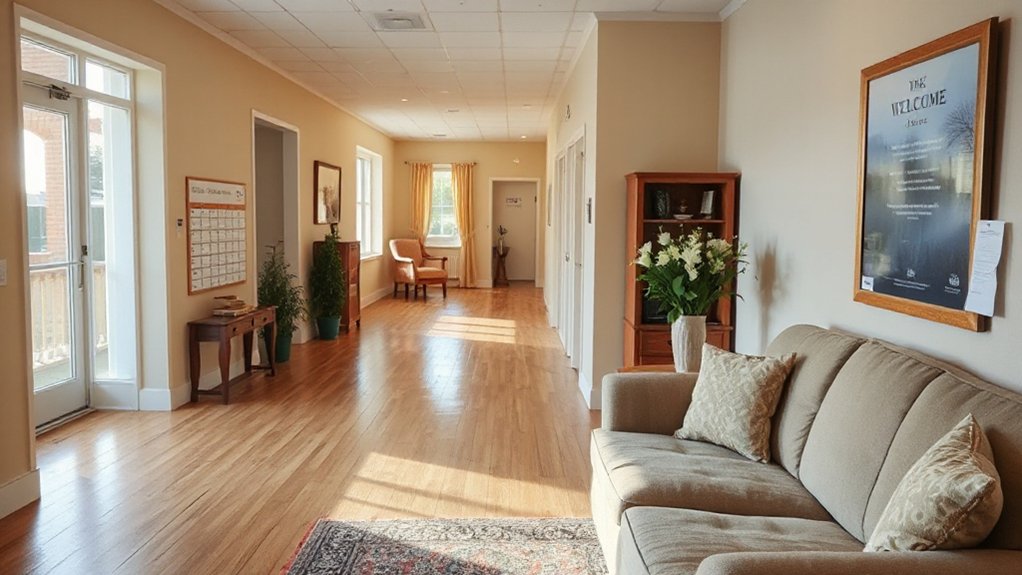
Good HMO management cuts tenant turnover by building reliability and trust. You design systems that anticipate needs, reduce friction, and keep spaces functional.
You communicate clearly about rules, renewals, and maintenance timelines, so tenants feel respected and informed.
Your proactive maintenance schedule minimizes disruptions, protecting comfort and safety, while quick responsiveness signals reliability.
You simplify processes like complaint methods and payment portals, lowering barriers to stay.
You track metrics such as average repair time and vacancy duration to spot weak points and improve.
When issues arise, you own them with transparent updates and tangible remedies, reinforcing tenant satisfaction.
A focus on consistency, quality finishes, and thoughtful amenities supports lease renewal, turning good experiences into stable occupancy.
Clear Onboarding Steps for New Tenants
You can keep tenants productive from day one by mapping a clear onboarding flow. Start with a concise Welcome orientation that sets expectations, introduces key stakeholders, and highlights essential contact paths.
Use a simple, branded checklist to guide new tenants through every step, from lease basics to building amenities. Emphasize Move in documentation that’s easy to skim—maps, Wi‑Fi credentials, unit access, and emergency procedures. Provide digital and printable versions to fit different preferences.
Schedule a brief onboarding walkthrough that demonstrates where to submit maintenance requests and how to use shared spaces. Pair this with a welcome packet that clarifies timelines, check-in points, and who to contact for questions.
A well-structured flow reduces confusion, speeds housing stabilization, and boosts long-term satisfaction.
Draft Transparent House Rules and Fair Policies
Transparent house rules and fair policies set clear expectations from day one, balancing tenant rights with building safety and neighbor considerations. You’ll benefit from concise guidelines that protect everyone and simplify enforcement, reducing disputes and turnover.
1) Define house rules clearly, covering noise, shared spaces, and entry procedures, so tenants know what’s expected.
2) Align policies with local regulations, ensuring policy fairness and enforceability without ambiguity.
3) Minimize gray areas by citing specific consequences and escalation steps for violations.
4) Review and update periodically, inviting tenant feedback to maintain relevance and trust.
Build Routines That Foster Community and Belonging

Community-building routines start with simple, consistent practices that make residents feel seen and connected. You design small rituals that fit your property’s rhythm, then document them so they’re repeatable, scalable, and easy to measure.
Schedule regular touchpoints—welcome messages, clear shift handoffs, and a quarterly feedback loop—to reinforce belonging without sounding pandering. Use community events as structured touchpoints: block parties, potlucks, or skill-swaps that rotate leadership and involve tenants in planning.
Assign shared responsibilities for tasks like welcome packs, bulletin boards, and common-area upkeep, so ownership is distributed and visible. Streamline communication with a simple channel for updates, celebrations, and requests, and publish calendars in advance.
Prioritize inclusivity, accessibility, and concise signage to sustain momentum and prevent turnover.
Proactive Maintenance and Rapid Issue Resolution
Regular routine inspections prevent issues before they disrupt tenants’ lives. When you respond rapidly, small problems don’t escalate, reducing downtime and complaints.
Schedule preventive maintenance and keep a system for quick alerts so you can act fast and stay ahead.
Routine Inspections Prevent Issues
- Schedule quarterly checks with checklists.
- Prioritize safety, utilities, and basic systems.
- Include brief exterior and interior audits for wear.
- Document findings and assign clear owners for follow-up.
Design-minded, you pair efficiency with function, minimizing disruption during inspections.
Integrate security upgrades into planned cycles to deter incidents without alarming residents, and record any recommendations for future upgrades.
Tie pest control into routine maintenance by validating traps, seals, and sanitation gaps during visits.
Your method builds confidence, reduces emergencies, and supports steady occupancy while keeping costs predictable and manageable.
Rapid Response Time Matter
Need it fast: rapid response isn’t an afterthought—it’s a design constraint. You design systems so issues are detected, triaged, and resolved within hours, not days. Prioritize a clear escalation path, documented SLAs, and mobile access for on-site teams. Use checklists that translate into quick actions, not vague intentions.
Emergency preparedness isn’t separate from daily operations; it informs staffing, inventory, and remote diagnostics. When a problem hits, your response time should reduce disruption, protect tenants, and protect property value.
Align repair windows with lease renewal strategies, signaling reliability and professional stewardship. Communicate transparently about expected timelines and follow up with preventive tweaks.
Faster resolutions build trust, shorten vacancies, and improve long-term tenant retention.
Preventive Maintenance Scheduling
- Map assets to maintenance windows based on usage and seasonality.
- Automate reminders tied to data signals, not just calendars.
- Flag high-risk items for rapid, temporary fixes with permanent plans.
- Review outcomes with tenants and adjust schedules for comfort and efficiency.
Owner-Occupier Dynamics: Balance Access and Autonomy
Owner-occupier dynamics sit at the intersection of access and autonomy: you want tenants to have enough freedom to maintain and enjoy the space, while you, as the owner, need clear boundaries to protect property, reduce risk, and keep systems running smoothly.
Prioritize a privacy balance by defining acceptable intrusion points—sensor-free zones, advance notice for inspections, and scheduled access windows.
Establish autonomy control through streamlined access protocols, tenant-maintained systems, and clear, contract-based limits on modifications.
Use design-focused guidelines to shape spaces that feel liberated yet secure: lockable storage, clearly labeled utility areas, and visible maintenance plans.
Communicate expectations succinctly, document exceptions, and review policies quarterly.
Consistent, respectful boundaries drive trust, reduce disputes, and support lower turnover.
Streamline HMO Tasks With Templates and Tech

Templates and tech can dramatically cut HMOs’ admin time, letting you standardize tasks, track progress, and catch issues before they escalate. You’ll leverage digital tools to automate reminders, document checklists, and onboarding flows, boosting template efficiency across operations.
- Create centralized templates for inspections, leases, and maintenance requests to guarantee consistency.
- Integrate forms and auto-fill fields so tenants and tradespeople provide you with accurate data instantly.
- Set up dashboards that visualize task status, overdue items, and upcoming renewals at a glance.
- Use templates and automation to onboard new tenants, suppliers, and staff without duplicating efforts.
This design-focused approach keeps processes crisp, scalable, and repeatable, making your HMO leaner and more predictable.
Measure, Adapt, and Communicate Progress to Tenants
To keep HMOs lean and predictable, you measure what matters, adjust tactics in real time, and keep tenants informed every step of the way. Start by defining clear metrics—response times, repair turnaround, and satisfaction scores. Use simple dashboards so progress is visible to all stakeholders.
Schedule short, regular updates to show what changed based on feedback collection and where you’re headed next. Prioritize actions with the highest impact on comfort and stability, then test adjustments in small cycles to validate results before scaling.
Foster Tenant engagement by inviting quick surveys after service visits and posting weekly notices about completed tasks. Close the loop with transparent results and next steps, reinforcing trust and reducing turnover.
Frequently Asked Questions
How Can I Tailor Turnover Strategies for Different Tenant Demographics?
You tailor turnover strategies by using Tenant preferences and demographic insights to craft targeted incentives, amenities, and communication. Analyze needs by group, test messages, and adapt layouts quickly, ensuring responsive service, flexible leases, and design-forward options that resonate.
What Legal Pitfalls Increase Tenant Turnover Risk to Avoid?
Avoid legal pitfalls by ensuring legal compliance and clear lease enforcement, so you reduce risk. You’ll audit documents, stay updated on housing laws, and implement transparent processes, keeping design-minded practices that streamline enforcement without alienating tenants.
Which Reward Programs Most Effectively Retain Long-Term Tenants?
You’ll find lease incentives and referral programs best at keeping long-term tenants. Coincidentally, you’ll notice design-focused perks—streamlined amenities, modern spaces—that reinforce loyalty, while you implement practical steps that pair lease incentives with referral programs for retention.
How Should I Handle Roommate Changes Without Disrupting Occupancy?
When roommates change, prioritize Roommate Compatibility to minimize friction and vacancies, and manage Lease Adjustments promptly so occupancy stays steady. You’ll review compatibility upfront, draft quick amendments, and align deposits, rents, and durations with clarity.
What Metrics Best Predict Upcoming Vacancy Risk?
One interesting stat: 68% of tenants with higher satisfaction stay 12+ months. You measure vacancy risk by tenant satisfaction and maintenance responsiveness, tracking timely repairs, issue resolution, and communication quality to predict upcoming vacancies and stabilize occupancy.
Conclusion
Here’s the satirical closer you asked for, in your design-minded, no-nonsense voice:
So, you’ve trimmed turnover with punctual onboarding, crystal-clear rules, and a community vibe that doesn’t double as a cult. You’ve automated the boring bits, kept landlords calm, and fixed leaks before your tenants even tweet about them. You’ve balanced access and autonomy like a Swiss clock. In short: you measure, adapt, and communicate—because great HMOs aren’t built on vibes, but on well-rendered templates and wet-blanket-proof processes. Mission accomplished, captain.