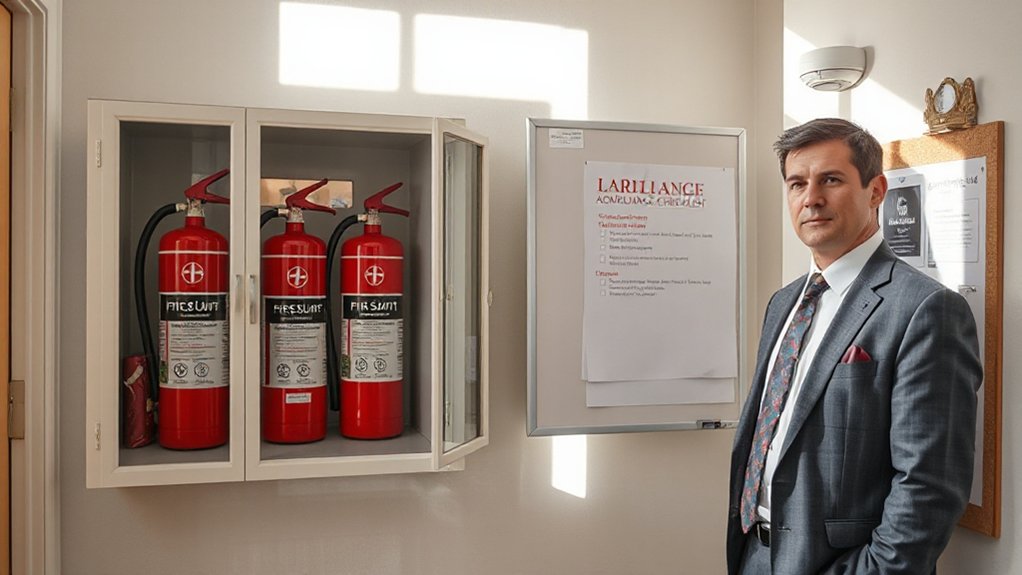
To stay legal, implement a detailed HMO fire safety program covering prevention, detection, evacuation, and ongoing compliance with robust record-keeping. Conduct thorough fire risk assessments, map layouts and escape routes, and update them after changes. Install and maintain interconnected detectors, alarms, extinguishers, and emergency lighting, with regular tests and centralized monitoring if required. Keep clear escape routes, signage, labeling, and unobstructed sightlines. Train tenants and staff, document drills, and maintain logs. You’ll discover practical steps you can apply next.
Core HMO Fire Safety Duties You Must Meet
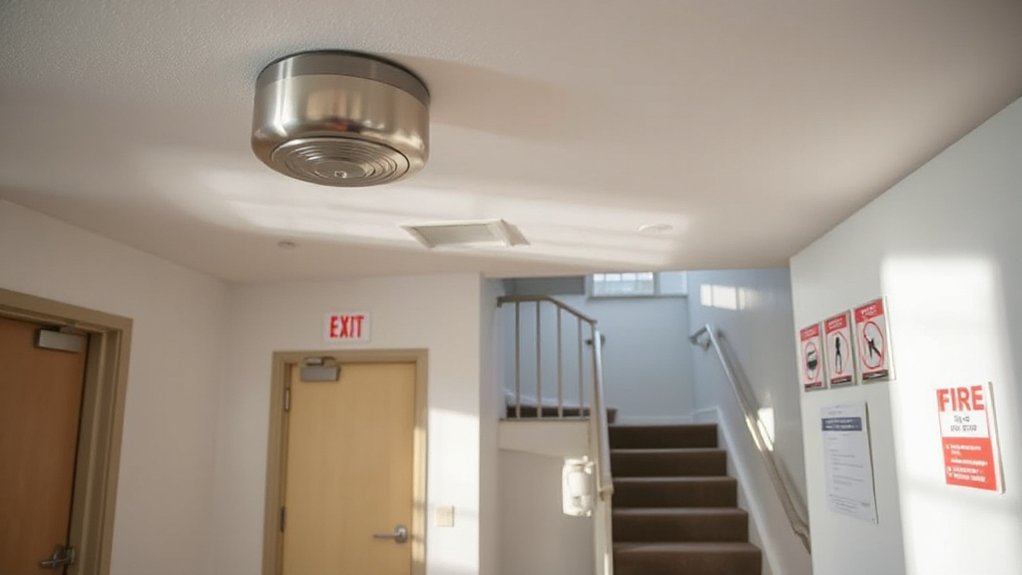
HMO fire safety duties are non-negotiable, and you must implement them from day one. You’ll establish clear, enforceable policies addressing fire prevention, detection, and evacuation.
Prioritize compliant fire safety technology, including reliable smoke and heat detectors, fire doors, and extinguishers, checked regularly. You’ll maintain exit routes free of clutter, ensure clear signage, and post an updated emergency plan accessible to all tenants.
Document your landlord responsibilities with a written policy detailing who activates systems, who conducts tests, and how repairs get logged.
You’ll train residents on evacuation procedures and safe use of equipment.
Review equipment warranties, service intervals, and occupancy limits to prevent overloading circuits.
Stay vigilant, update records after any incident, and align practices with current regulations.
How to Conduct a Compliant HMO Fire Risk Assessment
A compliant HMO fire risk assessment starts with a clear scope: identify all buildings, occupants, and equipment affected, then determine where fire risks are highest and what controls are already in place.
You then document premises layout, routes, and occupancy patterns to spot vulnerable zones.
Assess ignition sources, fuels, and storage practices, prioritizing critical pathways and exits.
Evaluate fire safety measures, including fire door integrity, compartmentation, and escape route maintenance, guaranteeing compliance with statutory requirements.
Identify gaps, assign responsibilities, and set practical timelines for remedial actions.
Verify access for emergency responders and ensure staff training aligns with risk findings.
Finally, confirm the presence of a reliable fire escape plan and emergency lighting, updating findings after alterations or tenancy changes.
Required Alarms and Detection Systems
Ensuring compliant fire safety starts with reliable alarms and detection systems that promptly alert occupants and responders. You must install, test, and maintain systems in every HMO to meet legal standards and protect lives.
Use interconnected smoke and heat detectors rated for occupancy density, and guarantee mains-powered devices have battery backup.
Position alarms to cover sleeping areas, living spaces, and common routes, with audible alerts clearly distinguishable from other noises.
Implement a centralized monitoring plan if required by your authority, and document all verifications.
Alarm maintenance should occur on a scheduled cycle, including sensor cleaning, battery checks, and functional tests after any renovation.
For new or altered HMOs, complete detection installation with appropriate tamper resistance and accessibility for inspection.
Record dates, results, and responsible personnel.
Design, Label, and Maintain Clear Escape Routes
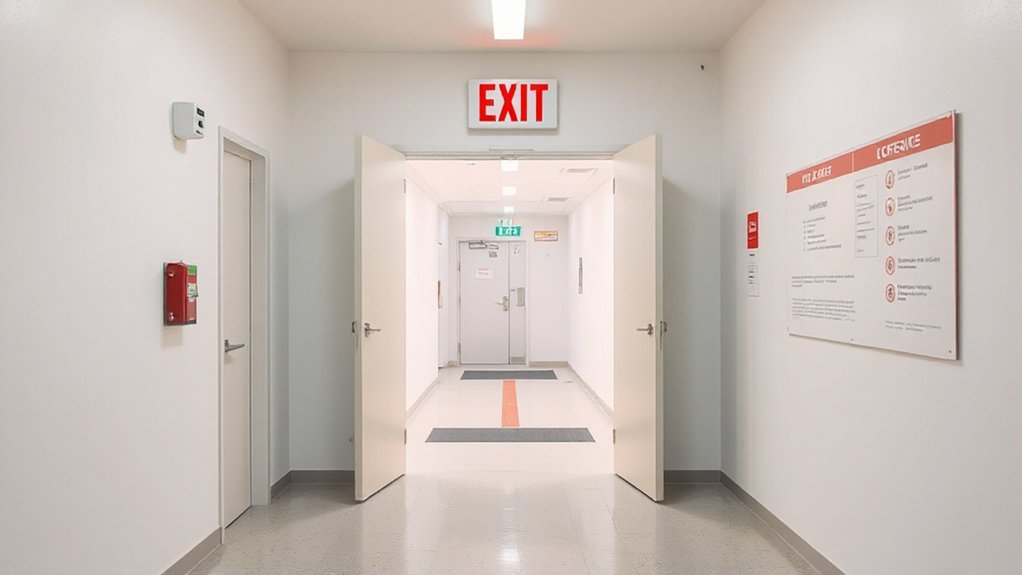
Make certain all escape routes remain clear at all times and unobstructed by storage, furniture, or debris.
Post clear, visible exit signage and verify it remains visible from key areas, especially during busy periods.
Schedule regular route inspections to confirm signage, lighting, and exits are operable and compliant.
Clear Escape Routes
Schedule regular reviews of routes after repairs, renovations, or new furnishings. You coordinate with building management to verify unobstructed floors, adequate width, and unobstructed thresholds. Include a fire drill as part of occupancy routines and confirm emergency lighting remains functional during drills.
- Mark all exits clearly and keep doors unlocked in daytime use
- Remove trip hazards and secure loose rugs
- Test emergency lighting monthly and after power outages
- Update floor plans and signage after any layout change
Visible Exit Signage
Use illuminated or photolumic signs with high contrast to guide occupants under all conditions. Align signage with floor plans, and verify arrow directions match actual exits.
Integrate fire extinguisher placement considerations by locating extinguishers away from signage paths, yet accessible in adjacent areas for quick response.
During doorways, keep signs above handles and away from movable elements.
Plan for emergency lighting considerations, testing battery backup and illumination duration to meet local standards.
Document maintenance logs, and address any faded or damaged signs immediately to preserve compliance.
Regular Route Inspections
- Inspect doors for easy latching and smooth operation
- Verify exit routes remain unobstructed and well lit
- Confirm emergency lighting and signage function during tests
- Reconcile findings with fire drill and emergency procedures updates
Labeling and Signposting Fire Safety Features Clearly
Clear fire signage must meet established standards so occupants can orient themselves quickly in emergencies. You should label safety features clearly and guarantee signs use consistent terminology, contrasting colors, and readable fonts.
Implement a plan to audit, update, and maintain sign visibility across all areas of the HMO.
Clear Fire Signage Standards
Effective fire safety hinges on clear labeling and signposting of all fire features, so you can locate exits, extinguishers, and alarm pulls quickly in an emergency.
You must enforce clear fire signage standards across your property, ensuring every exit and critical device is easily identifiable. Check that signs are legible, illuminated where needed, and positioned at standardized heights to support quick recognition. Use durable materials and high-contrast colors to maintain visibility over time, and replace damaged signage promptly to maintain signage compliance.
Regular audits should verify consistency, accessibility, and maintenance records, so violations don’t arise during inspections.
- Clear exit signage with standardized icons
- Illuminated, weather-resistant fire device signs
- Consistent font, color, and sizing across areas
- Timely replacement of damaged or faded signs
Labeling Of Safety Features
Use standardized terminology so tenants and inspectors interpret quickly, avoiding ambiguity. Fire alarm labeling should indicate zones, pull stations, and control panels with bold, high-contrast text.
Emergency signage must follow approved shapes, colors, and pictograms, remaining visible during power outages or smoke. Maintain unobstructed lines of sight to exits and safety devices, updating labels after renovations.
Document label locations in an asset register and conduct annual checks for legibility, damage, and placement compliance. Noncompliance risks disputes, fines, and unsafe evacuations; prioritize proactive labeling discipline.
Tenancy-Specific Fire Safety Checks: Frequency and Scope
Tenancy-specific fire safety checks must be conducted at defined frequencies and cover all relevant components and systems in the dwelling. You’ll schedule inspections to verify alarms, extinguishers, emergency lighting, and escape routes, guaranteeing each item functions within required standards.
Scope includes compartment integrity, wiring, and ventilation, plus stubborn hazards identified by occupants. Your process should prioritize timely findings, clear remediation steps, and documented follow-ups.
Tenant engagement is essential; communicate findings, timelines, and verification results to residents, and invite questions to improve compliance.
Fire drill scheduling must align with check cycles, recording dates and participants. Adhere to regulatory timelines and maintain auditable records.
Establish escalation paths for non-conformance and ensure contractors are competent and insured.
- Define inspection cadence and responsible parties
- Verify alarm, extinguisher, and lighting functionality
- Document findings and remediation timelines
- Coordinate and log tenant-facing fire drills and feedback
Must-Have Records for Audits and Enforcement
You’ll align your records with retention standards, ensuring documents are organized, accessible, and defensible for audits.
Use an audit readiness checklist to verify that every item—scope, timelines, and responsible party—is documented and up to date.
Your compliance documentation should clearly define retention periods, formats, and cross-references to policies and actions.
Record Retention Standards
- Retain inspection reports and remedial actions with timestamps
- Archive alarm, emergency lighting, and extinguisher maintenance logs
- Preserve fire drill records and tenant safety education materials
- Document access controls and staff training records
Audit Readiness Checklist
What’re the must-have records you must have ready for audits and enforcement, and how do they prove compliance efficiently? You create a concise audit bundle that demonstrates control, accountability, and timeliness.
Compile a current fire safety technology inventory with model numbers, installation dates, last service, and firmware versions, plus proof of regular inspections.
Include maintenance logs showing response times, fault resolution, and corrective actions taken.
Maintain up-to-date emergency response training records for all staff, including certifications, renewal dates, and attendance rosters.
Confirm risk assessments are current, with identified hazards, controls, and residual risk levels.
Store schematics, evacuation routes, and stairwell access maps, clearly labeled and version-controlled.
Centralize documentation digitally for quick retrieval during enquiries, audits, or enforcement actions.
Compliance Documentation Scope
To guarantee audits and enforcement proceed smoothly, establish a clearly defined Compliance Documentation Scope that covers must-have records for each area of fire safety and facility management. Your scope should map documents to responsibilities, timelines, and verification methods, ensuring quick retrieval during inspections.
Prioritize completeness, accuracy, and up-to-date status so enforcement actions stay minimal. Include evidence of fire safety training, schedules, and completion records; emergency contact lists for all residents and staff; maintenance logs for alarms, extinguishers, and exits; and inspection reports with corrective actions tracked to closure.
Align documentation with regulatory requirements, policy updates, and owner responsibilities. Keep digital backups, version control, and audit trails to demonstrate continual compliance.
- fire safety training
- emergency contact
- maintenance logs
- inspection reports
Common Compliance Pitfalls and How to Avoid Them
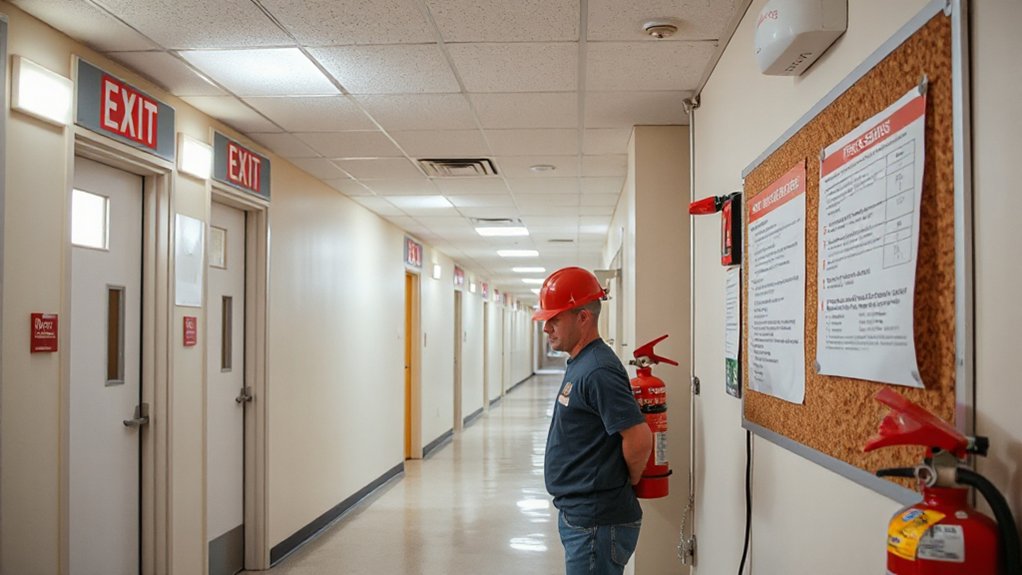
Common compliance pitfalls in HMO fire safety often stem from assuming that passing initial inspections guarantees ongoing safety. You must embed ongoing checks into your routine, not as an afterthought.
First, keep a documented schedule for annual risk assessments and system tests, and act on any deviations promptly.
Second, distinguish between compliance paperwork and real-world practice: a fire door labeled correctly is meaningless if kept propped open.
Third, verify your staff and contractors receive regular safety training, reinforcing correct use of extinguishers, alarms, and evacuation routes.
Fourth, misjudging fire hazards—clutter, blocked exits, or faulty wiring—creates hidden risk; address these immediately.
Finally, review your plan after any tenant turnover or building modification to preserve continuity and accountability.
Tenant Communication and Evacuation Planning
Effective tenant communication and a clear evacuation plan are the backbone of HMO fire safety. You must establish written procedures, assign roles, and share them promptly with all occupants.
Prioritize tenant engagement to guarantee everyone understands expectations, routes, and alarms. Provide multilingual materials if needed and post visible emergency information in common areas.
Schedule regular evacuation drills to test responsiveness and refine procedures, documenting outcomes for accountability.
Keep contact lists updated for all residents, including emergency contacts, and designate a responsible person for drill facilitation and questions.
Assure residents know how to report hazards and how to evacuate if stairs or exits are blocked.
Review procedures after each drill and train new tenants promptly.
- Tenant engagement
- Evacuation drills
- Clear roles
- Drill review and updates
Budgeting for a Compliant HMO Fire Safety Program
Plan for quarterly inspections of escape routes, emergency lighting, and extinguishers to prevent last‑minute costs. Include budget planning for fire door compliance, signage, and records management, so you’re prepared for audits.
Factor in training sessions for tenants and staff, which reduce risk and insurance claims. Build contingencies for volatile prices of parts and service visits.
Consider insurance costs as a core line item, ensuring coverage reflects the property’s risk profile and required upgrades. Track expenditures against milestones and adjust annually to stay compliant and financially stable.
Staying Updated on Fire Safety Regulations and How to Adapt
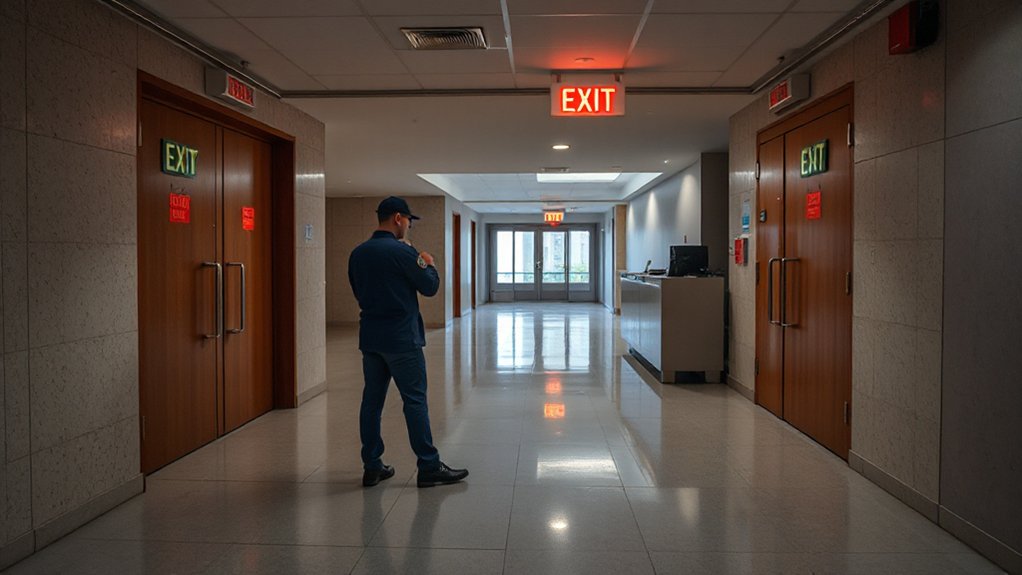
Staying updated on fire safety regulations requires a proactive, structured approach: set a clear cadence for monitoring changes, assess their impact on your HMO, and implement required updates promptly. You, as the landlord, must translate updates into concrete actions and timelines, not excuses.
Stay aware of national and local changes, and verify compatibility with your existing plan.
- Establish a quarterly review of fire safety codes and guidance
- Implement changes to policies, drills, and documentation immediately
- Track training needs and schedule fire safety training and emergency preparedness exercises
- Maintain a living records system with versioned updates and compliance proof
Frequently Asked Questions
How Often Should Fire Safety Training Be Refreshed for Staff?
You should refresh fire safety training annually. Include fire alarm testing procedures and emergency exit planning, and guarantee staff confirm competency every year, with brief quarterly refreshers. Document attendance, outcomes, and any updates to procedures for compliance visibility.
Are Landlords Personally Liable for Tenant Non-Compliance?
One in three tenants ignore safety rules, so yes: you are personally liable if non-compliance occurs. Prioritize tenant education, conduct regular fire safety audits, and document findings to shield yourself and enforce consistent standards.
What Counts as Adequate Fire Compartmentation in HMOS?
Adequate fire compartmentation means separating units with fire doors that self-close and maintain integrity, plus ensuring smoke alarms are installed and tested regularly. You must keep protected corridors clear, seal penetrations, and document inspections for compliance.
Can Tenants Make Changes to Fire Safety Features?
Yes, you can’t unilaterally alter fire safety features; tenants must seek written landlord approval, conduct only approved upgrades, and respect tenant privacy while pursuing fire safety upgrades. Coordinate, document, and guarantee compliance with all safety regulations.
How Will Enforcement Penalties Be Calculated or Appealed?
Penalty assessment is calculated based on severity and duration of noncompliance, with documented violations driving higher fines. If challenged, follow the appeals process: submit a formal objection, provide evidence, and await an official reassessment before penalties adjust.
Conclusion
In short, solidify safety systems and stay sharp. Slash stigma, streamline standards, and supervise smoke alarms, sprinklers, and exits with unwavering urgency. Plan, pace, and present proper procedures, plus explicit escape routes and signage. Communicate clearly with tenants, conduct регуляр risk reviews, and document decisively. Budget boldly, brief builders, and beat back breaches with meticulous maintenance. Stay street-smart, solution-driven, and steadily compliant—safeguarding lives, safeguarding legality, and supporting sustainable HMO fire safety success.