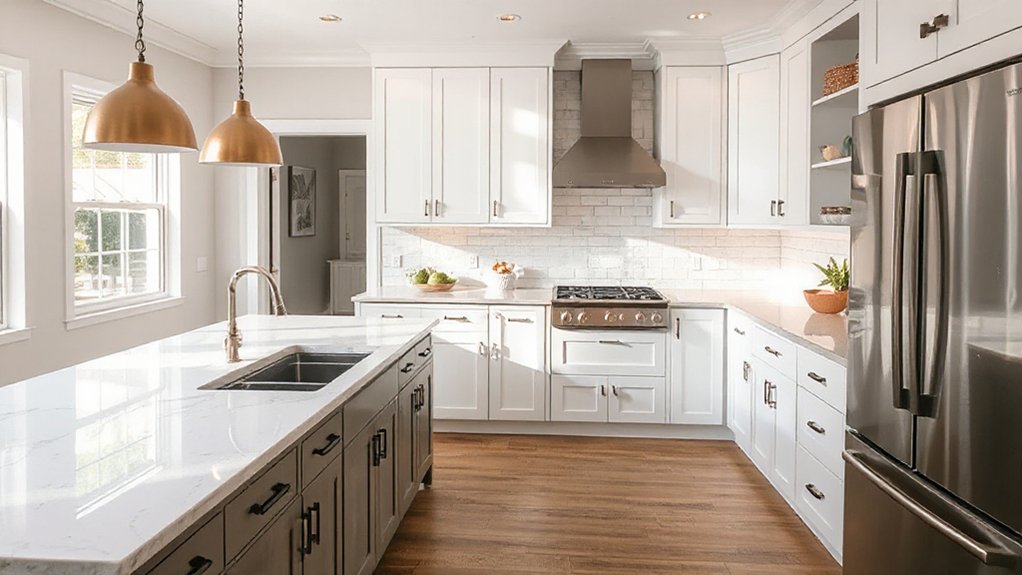
A recent study shows a kitchen renovation can boost resale value by up to 6–10% in many markets. You’ll want to weight ROI against project cost, local demand, and your home’s baseline condition. If you upgrade with durable, energy-efficient materials and neutral designs, you’ll appeal to a broad group of buyers and potentially shorten time on market. The next step is to match scope to neighborhood standards and budget constraints to avoid overcapitalization.
How Much Value Does a Kitchen Reno Add?
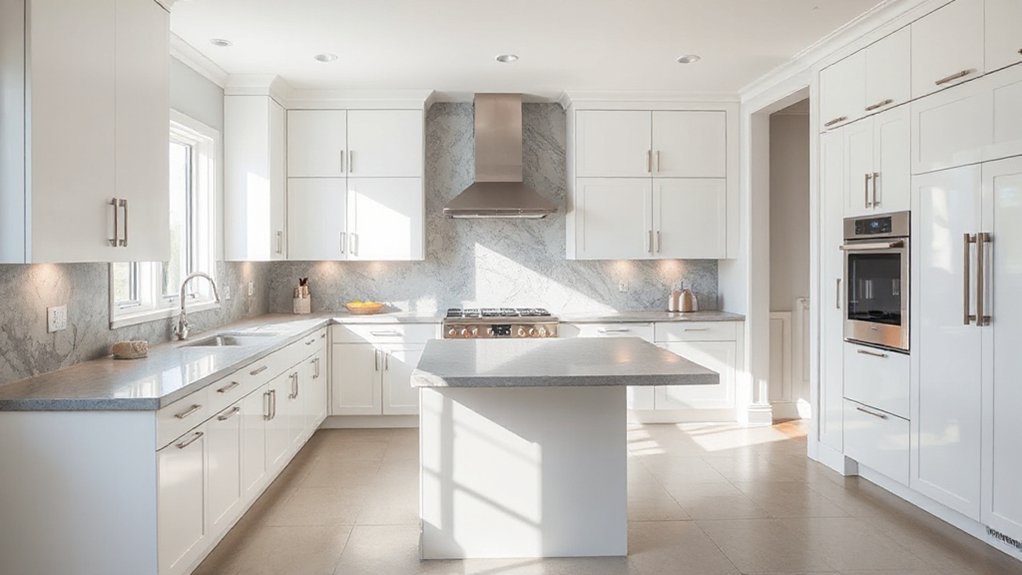
Kitchen renovations can boost resale value, but the amount depends on scope, materials, and local market conditions. You should quantify value using cost-to-value analyses from reputable sources and compare regional multipliers.
In general, appliance upgrades yield higher perceived modernization but vary by brand reliability and energy efficiency ratings.
Flooring options influence buyer impressions and maintenance costs, with durable, moisture-resistant choices performing best in kitchens.
Data indicates midrange to high-end finishes often deliver favorable recapture rates when paired with updated fixtures and improved lighting.
Avoid overcapitalizing beyond neighborhood norms; incremental gains diminish beyond a certain threshold.
Track project budgets, expected resale uplift, and time-on-market implications.
For best accuracy, align upgrade decisions with observed local sales data and energy-use trends while documenting efficiency labels and warranty coverage.
Cabinet Styles, Countertop Materials, and Layout That Boost ROI
Cabinet styles, countertop materials, and layout choices drive perceived quality and functional ROI, so selecting options that balance cost with durability and buyer appeal yields the strongest resale impact.
You should prioritize neutral, timeless cabinet profiles (shaker, flat-panel) paired with quartz or solid-surface countertops for stain resistance and longevity.
For layout, optimize traffic flow and work triangle efficiency, minimizing wasted space while maximizing storage with tall cabinets and pull-out organizers.
Data indicate higher ROI when materials maintain resale appeal across markets and don’t require frequent replacement.
Include appliance upgrades and lighting enhancements to boost perceived value without overcapitalizing on luxury finishes.
Align choices with standard layouts and durable finishes, then quantify cost-per-point ROI to justify decisions to buyers and lenders.
When to Modernize to Meet Market Expectations
To meet market expectations, modernize when data show a material impact on resale value and buyer perception. You should monitor local sales comps, appraisal trends, and buyer surveys to identify thresholds where upgrades shift selling timelines or price bands.
When analysis indicates improvements in efficiency, durability, or aesthetics correlate with faster offers or higher bids, prioritize adoption. Prioritized signals include modernized cabinetry, integrated lighting, and durable surfaces, but focus on changes with proven value lift.
Consider Smart appliances as a demand driver for mid- to high-end segments, and Eco friendly materials where long-term operating cost savings and sustainability appeal drive buyer interest.
Avoid overinvesting in niche trends without clear, incremental value guidance from market data and recent comparable sales. Align modernization with statistically supported market expectations.
Plan Your Reno: Budget, Timeline, and ROI

A clear plan combines a realistic budget, a practical timeline, and a measurable ROI to keep renovations on track and financially justified. You establish a baseline cost estimate using current market data for materials, labor, and contingency, then map milestones to a Gantt-style schedule.
Align scope with expected performance targets, such as square footage changes, appliance upgrades, and lighting plans, to quantify ROI scenarios. Prioritize Eco friendly materials when cost-per-benefit justifies durability, maintenance reduction, and resale impact; document supplier quotes and waste-management commitments for auditability.
Integrate Smart technology options with clear payback calculations, including energy savings, maintenance labor reductions, and enhanced resale appeal. Track changes with a formal change order process, reforecast monthly, and adjust timelines to maintain alignment with funding availability and project risk.
Regional Buyer Preferences That Drive Kitchen Value
Regional taste trends, local market demand, and shifts in buyer demographics shape which kitchen features command value in your area. You’ll see how preferences vary by neighborhood and price tier, revealing which finishes, layouts, and appliances resonate most with buyers.
This section introduces data-driven patterns you can use to align remodel decisions with regional expectations.
Regional Taste Trends
- Material and finish choices track regional preferences, balancing durability with aesthetic resonance.
- Appliance configurations favor workflow patterns common to regional culinary habits.
- Color and texture palettes correlate with climate, lighting, and cultural cues tied to dining styles.
Understanding these trends helps you calibrate renovations to target buyer segments without overhauling universally appealing features.
Local Market Demand
Data indicates demand spikes where kitchens enable multifunctional living spaces, durable materials, and energy-efficient appliances, conditioned by local zoning constraints that affect layout and expansion options.
You assess price premiums linked to updated cabinetry, improved storage, and lighting quality within walkable neighborhoods and proximity to amenities.
Local zoning considerations often drive feasible scope, influencing design decisions and construction timelines.
Buyer Demographics Shifts
Data show younger buyers prioritize tech integration and durable finishes, while larger households favor storage and prep zones. Renovation value rises when layouts accommodate multi-use spaces and energy targets, reflecting practical constraints and buyer expectations.
You’ll need to contemplate how luxury appliances and eco-friendly materials signal quality and sustainability, influencing appraisal, financing, and resale timing.
- Regional taste patterns influence appliance mix and material selection.
- Demographic segments correlate with budget allocations and space priorities.
- Market signals emphasize durability, maintenance costs, and long-term utility.
Red Flags and Smart Moves to Protect Your Investment
Red flags can derail a renovation’s return on investment, so start by validating each claim with data and receipts. You’ll protect value by benchmarking costs against local comps, and verifying permits, timelines, and contractor licenses before signing.
Focus on design decisions that yield measurable ROI, not unpriced aesthetics. Evaluate scope creep risks, energy-efficiency upgrades, and durable materials with documented performance.
When weighing luxury upgrades, demand unitized pricing and warranty terms to separate real value from vanity.
Avoid DIY pitfalls: mismeasurements, code violations, and hidden costs often erode budgets and resale appeal.
Build a contingency plan with a data-backed budget, schedule, and change-order process. Document progress with receipts and progress photos, then review outcomes against benchmarks to confirm your investment remains aligned with market value.
Frequently Asked Questions
Do Kitchen Renovations Affect Insurance Premiums or Homeowner Risk?
Insurance costs can rise modestly if renovations introduce higher fire or water risks, increasing homeowner risk. You might see premiums adjusted based on updated wiring, appliances, and safety features, with discounts possible for enhanced detectors and compliant installations.
Which Green Features Most Influence Resale Value Quickly?
You’ll boost resale value quickly by prioritizing Eco friendly appliances and Solar powered lighting, which data shows attract buyers most. You use efficient systems, quantify energy savings, and present measurable ROI to buyers to maximize appeal.
How Does Kitchen Size Impact ROI Across Neighborhoods?
You’ll see ROI varies by neighborhood: larger kitchens tend to boost value where space is prized, while cramped layouts underperform. Focus on efficient kitchen layout and cabinetry style to maximize appeal and maintain favorable cost-to-value ratios.
Do Appliance Upgrades Matter as Much as Structural Changes?
Appliance upgrades matter, but structural changes often yield higher value, especially with appliance efficiency and aesthetic upgrades. You’ll see modest ROI from efficiency gains and stronger appeal when aesthetics align with modern benchmarks, though impact varies by market and baseline condition.
How Long Before Renovations Impact Market Price Stability?
A Kitchen layout optimization and material durability improvements typically begin influencing market perception within months, stabilizing over 1–2 years as buyers value functional space and long-lasting finishes in price estimates and appraisal data.
Conclusion
A kitchen reno can lift resale value, especially when you target durable, energy-efficient updates aligned with market norms. ROI hinges on scope, local tastes, and avoiding overcapitalization, with cabinets, countertops, and layout driving the strongest returns. Modernize thoughtfully to meet buyer expectations without overspending. Plan carefully: set a budget, establish a realistic timeline, and track costs versus potential value. Think of your project as planting seeds—the right choices yield a reliable harvest, season after season.