
A kitchen is a blank canvas that whispers, “transform or stay.” You’ll weigh DIY charm against pro reliability, weighing cost against risk as you map out what you can tackle yourself. You’re aiming for real, lasting updates without blowing your budget. But hidden pitfalls await, and the decision isn’t just about dollars—it’s about safety, permits, and long-term function. Keep going to weigh your options, and learn how to strike that smart, cost-conscious balance.
Assessing Your Kitchen Refurbishment Goals
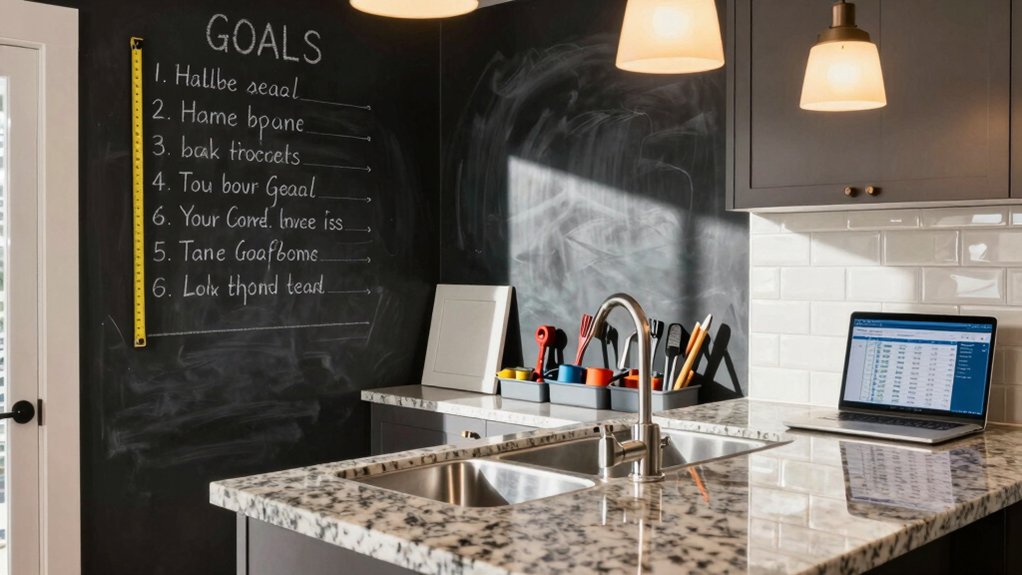
When you start a kitchen refurb, the first step is to spell out your goals clearly. You’ll define what matters most: function, flow, storage, and style. Ask yourself which items must stay and which you can swap. Prioritize daily use—drawer layout, counter space, lighting, and ease of cleaning.
Picture your workflow: where you prep, cook, and clean, and how long tasks take. Set measurable targets—square footage saved, aisle width, and appliance sizes. Consider compromises early: a brighter finish might trade a bit of warmth, or extra storage could affect cabinet costs.
Write your must-haves and nice-to-haves separately, then grade each against impact and cost. With goals documented, you’ll guide decisions confidently and avoid scope creep. Your plan stays practical, focused, and aligned with real life.
Budgeting for DIY vs. Professional Help
When you price out DIY vs. pros, you’re weighing DIY cost against the value you’ll get from quality results and time saved.
Consider the upfront materials and tools, plus the risk of mistakes that can erase any savings, against professional fees and warranties.
This balance point—DIY cost vs. value and the hiring risk and payoff—helps you decide where to invest your budget for the biggest impact.
DIY Cost vs. Value
If you’re weighing DIY versus hiring a pro, start with a clear budget and honest cost expectations. The value question isn’t just bottom-line numbers; it’s time, materials waste, and finished look that lasts.
Compare up-front costs, not just hourly rates. DIY saves labor but may require extra tools, materials, and mistakes you’ll pay to fix later.
Factor your skill level: a small, high-quality update can deliver strong value, while major renovations usually don’t.
Consider warranties and future resale impact: pro-installed features often carry confidence in performance and longevity.
Build a simple cost‑benefit checklist: project scope, potential remodeling surprises, and your available time.
If value hinges on durability and finish, investing in a pro can yield better long‑term results than chasing cheap shortcuts.
Hiring Risk and Payoff
Budgeting for DIY vs. professional help isn’t just about sticker shock—it’s about weighing risk against payoff. You’ll face hidden costs if you skip permits, mismeasure materials, or trigger electrical or plumbing mistakes.
When you DIY, you gain control and lower labor fees, but you risk costly fixes, warranties voided, and repeated projects that blow timelines. A pro offers expertise, efficiency, and safety—critical in kitchens with water, gas, and heat.
To decide, estimate two paths: DIY, including tools, materials, and potential rework; versus pro estimates with contingency. Factor time value: your hours have value, especially if the project disrupts meals and routines.
Look for transparent bids, clear scopes, and milestone checks. If risk climbs or timelines stretch, pay for qualified help to protect your budget and peace of mind.
Timeline Realities: Scheduling Your Remodel
Good timing can make or break a kitchen remodel, so start by mapping a realistic schedule that accounts for you and your contractor’s constraints. Begin with a detailed baseline: permit windows, material lead times, and cabinet delivery dates.
Build in buffers for delays, backorders, and contingency days, then lock in a phased plan you both sign off on. Communicate weekly check-ins to keep momentum without micromanaging.
Prioritize sequencing so trades don’t idle, and allow for cleanup moments that prevent overlaps from causing chaos.
Consider your daily routines; if you cook at home, plan critical tasks during off-peak hours or weekends.
Finally, align expectations on start and finish times, so you avoid costly overruns and maintain momentum toward a functional, enjoyable space.
Skill Self-Assessment: What You Can Tackle
Start by honestly mapping your DIY comfort zone next to your project list, then prioritize tasks you can confidently handle in-house. You’re evaluating your skills, not guessing fate. Be concrete: can you measure cabinets accurately, install backsplashes, or paint walls without drips? List safe, basic jobs you’ve done before and mark ones you’ve never attempted.
Time, tools, and warranty implications matter—if a task could ruin counters or plumbing, reframe it as a pro job. Identify educational gaps you can fill quickly: basic electrical safety, grout finishing, and surface prep basics. Budget for lessons or practice runs, then test small tasks first.
High-Impact Upgrades That Pay Off

Upgrading with high ROI in mind means prioritizing changes that boost function and appeal without breaking the bank. Focus on cost-effective fixes like fixtures, lighting, and cabinet hardware, which yield noticeable impact fast.
You’ll get more value per dollar by choosing budget-smart options that improve daily use and resale appeal.
High-ROI Upgrades
When you’re weighing kitchen refresh ideas, focus on high-ROI upgrades that deliver noticeable impact without blowing your budget. Prioritize cabinet hardware and door pulls that polish the look without major replacements.
A fresh coat of paint on cabinets, paired with new hinges, can transform drawers and doors in a weekend.
Update countertops with a cost-effective alternative like laminate or a durable quartz-look surface for a modern edge.
Improve lighting with under-cabinet LEDs and a brighter central fixture to boost ambiance and function.
Swap faucet, sink accessories, and pull-out organizers to increase daily usability.
Choose energy-efficient appliances only where they fit your real needs, avoiding fads.
Document costs and expected savings to confirm the payoff before committing.
Budget-Smart Choices
If you pick budget-smart upgrades that deliver big impact, you’ll see a refreshed kitchen without the sticker shock. Start with cosmetic fixes that feel major: fresh paint, updated cabinet hardware, and new LED lighting to elevate tone and visibility.
Swap old faucets for water-efficient models to cut ongoing costs while gaining reliability. Focus on surfaces: durable countertops or stylish, affordable laminates can transform the feel without a full tear‑out.
Add functional details like pull-out organizers, tray dividers, or a magnetic knife rail to boost daily usability. Choose smart-sense appliances only where a quick payback exists, such as efficient dishwashers or induction cooktops.
Finally, DIY where practical, hire pro help for plumbing or electrical, and track costs against a simple budget to avoid overruns.
Hidden Costs and Common Pitfalls to Avoid

Hidden costs can quietly blow your budget, so start by recognizing them early and planning accordingly: delivery fees, permit hassles, and installer markups add up faster than you expect, and skipping warranties or scoping out materials can leave you paying twice.
You’ll also trip over design changes once you’re mid-project, plus the cost of unexpected demo or waste disposal. Get clear upfront quotes, confirm inclusions, and demand itemized invoices.
Build a contingency—5% to 15%—for surprises, especially if plumbing or electrical work enters the picture. Don’t overlook time, either: delays push labor costs higher and stall your plans.
Avoid impulse buys from flashy displays; compare durability, maintenance, and long-term value. Finally, document decisions in writing to prevent scope creep and ensure you stay aligned with your budget and goals.
When to Hire a Pro for Safety and Compliance
Pro safety and code compliance isn’t something you should DIY away on a hunch. If you’re unsure about electrical, plumbing, ventilation, or gas lines, hiring a pro isn’t a luxury—it’s smart risk management. You’ll protect your family, avoid costly rewrites, and keep insurance valid.
Hire a licensed tradesperson when rules or permits are involved, when you’re cutting into walls, or when appliance hookups require certified connections. Trusts and warranties often hinge on professional installation, so read up on local permit requirements and inspections before you start.
Don’t wait for a leak, shock, or code citation to show you must call in help. A pro’s upfront assessment can prevent surprises, streamline timelines, and help you stay within budget, reliably.
Planning Tools and Checklists for a Smooth Project
To keep your kitchen renovation on track, start with clear planning tools and bite‑sized checklists that fit real life, not idealized timelines.
Use a master spreadsheet for budgets, deadlines, and suppliers, plus a separate materials log to track finishes, sizes, and delivery dates.
Create a simple scope document outlining what’s in, what’s out, and any assumptions you’re making.
Build weekly task lists with realistic durations and owners, so you know who does what and when.
Keep a risk register to flag potential delays, cost spikes, or fabrication issues.
Rely on templates you can reuse, adjust, and share with your team or contractor.
Finally, set milestones and a decision ledger to prevent scope creep and overspending.
Clarity beats cleverness in every phase.
Real-World Examples: Learning From Others
Real-world examples show what actually works (and what doesn’t) when you’re deciding between DIY refinishes and pro help. You’ll see a homeowner who saves by choosing cost-effective materials and a simple prep routine, then learns the hard way when shortcuts backfire on durable finishes.
Learn from a kitchen that stayed on budget by batching tasks: measure twice, order once, and schedule trades with clear milestones. You’ll also encounter stories where DIY dust, noise, and timing stretched weeks, tipping the project over budget.
Compare those outcomes to pros who deliver predictable timelines, warranties, and minimal disruption, even at a higher upfront cost. Use these lessons to calibrate risk, time, and material choices, so your plan stays realistic and affordable.
Frequently Asked Questions
How Do I Choose Between DIY and Pro for Electrical Work?
Electrical work? You should hire a pro for safety and code compliance, especially for wiring, panels, and grounding; DIY risks shocks and fire. If you’re handy, save basics with non-structural tasks, shop around for licensed electricians, verify reviews.
What License or Permits Are Needed for Kitchen Remodels?
You need permits and licenses from your city or county, plus electrical, plumbing, and mechanical inspections as required. Check your local building department, hire licensed trades if needed, and keep fees, timelines, and documentation organized to avoid delays.
Can I Finance a Kitchen Upgrade With Low-Interest Options?
Yes, you can finance a kitchen upgrade with low-interest options, and you’ll feel like you hit a jackpot—you’ll swap chaos for calm, stay within budget, and enjoy monthly payments that barely dent your lifestyle.
How Long Will Permits and Inspections Add to Timeline?
Permits and inspections can add weeks to your timeline, often 2–6 weeks, sometimes longer for complex projects. Plan for potential delays, budget contingency, and stay in touch with your contractor to keep approvals moving smoothly.
What Safety Mistakes Common Homeowners Should Avoid?
Common safety mistakes to avoid: ignoring electrical panels, DIYing gas lines, and sloppy tool storage. Wear eye protection, turn off power at the breaker, and hire licensed pros for major work. Plan, test, and verify permits before starting any project.