You might not realize that regional labour rates can swing total roofing costs by a surprising margin, even with identical materials. As you assess a replacement or repair, you’ll weigh roof type, size, and complexity against hidden charges like scaffolding and disposal. With weather windows and roof age also shaping scheduling and budget, a precise framework is essential to avoid surprises—and that framework starts with a clear, component-by-component comparison.
A Practical Framework for UK Roofing Costs
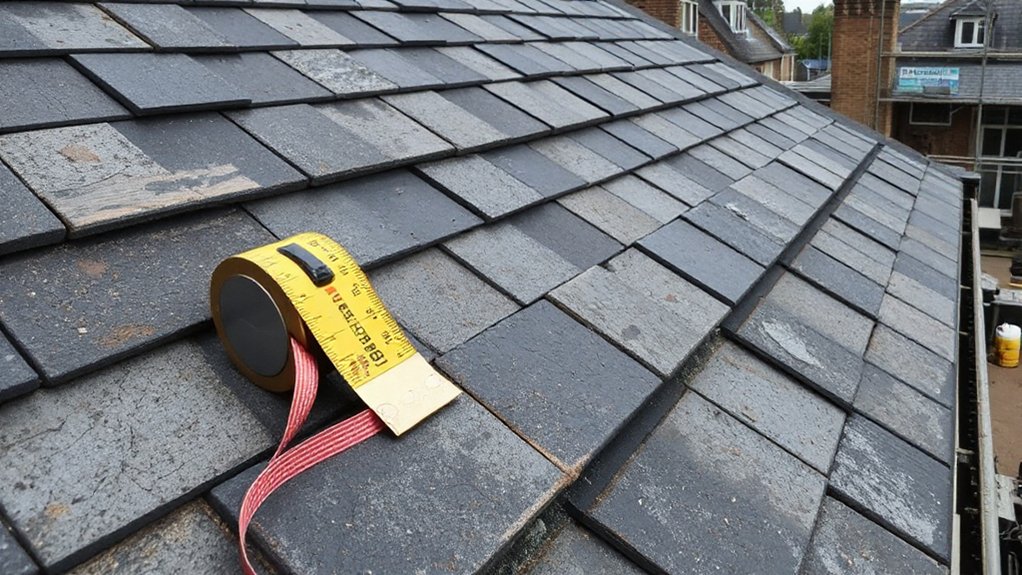
You quantify roof complexity, including pitch, access, and height, since each factor alters labour time and safety requirements.
You assess existing conditions, noting any hidden exclusions that warrant contingency.
You integrate maintenance history, noting that recent Roof maintenance or insulation upgrades can shift future costs by reducing future failures and marginally lowering long-run energy bills.
You model material lifecycle costs, balancing initial outlay with performance and warranty terms.
You then attach risk premiums for weather or site-specific constraints, ensuring decisions remain evidence-based rather than speculative.
UK Roof Types and How They Drive Price
Slate, tile options, pitched versus flat roofs, and material cost variations fundamentally shape UK roofing prices you’ll encounter. Different substrates and installation methods drive labor time and access challenges.
While long-term durability affects lifecycle costs. Understanding how these factors interact sets the baseline for cost forecasting and value comparison.
Slate, Tile Options
Slate and tile choices directly influence UK roofing costs by determining material price, installation complexity, and maintenance needs. You assess slate durability to project long‑term value, weighing heavier, denser sheets against potential fracture risk and replacement cycles.
Tile aesthetics matter for curb appeal and compatibility with surrounding architecture, influencing material availability and transport costs. In general, slate fetches higher unit prices but offers extended service life when properly sourced and installed; it demands careful handling and skilled fitting.
Tiles, by contrast, often present lower upfront costs and faster installation, yet require precise alignment to prevent water ingress and heat loss. Consider regional quarry access, transport, and payload limits, since these factors shift both price and scheduling for your project.
Pitched vs Flat Roofs
Pitched roofs generally cost more upfront due to framing, components, and the labor-intensive installation required for slope and drainage. However, they often offer longer-term performance and easier maintenance in UK climates.
Flat roofs, by contrast, deliver lower initial outlays and faster construction. Yet, they may demand higher future upkeep and more frequent waterproofing checks.
In this comparison, you assess long-term reliability, weight, and drainage efficiency to drive price decisions.
Pitched roofs provide superior shedding, reducing ponding risk and enabling more robust Roof insulation integration with framing. This can improve thermal performance but adds material and labor costs.
Flat roofs simplify installation and access, yet require meticulous waterproofing and ongoing gutter maintenance to prevent moisture ingress and insulation degradation.
Choose based on climate, maintenance capability, and a projected 15–30 year service horizon.
Material Cost Variations
Material costs vary considerably between UK roof types because the chosen core material drives both upfront outlay and long-term maintenance. Different substrates produce distinct price trajectories: concrete clay tiles, slate, metal, and timber each incur unique capital costs, wind-load considerations, and durability profiles.
You’ll see material selection influence insulation strategy, roof drainage requirements, and repair frequency, impacting total lifecycle expenditure. Roof insulation quality interacts with core material, affecting heat loss, compliance, and retrofit risk, while membrane choices govern waterproofing reliability and repair complexity.
Gutter maintenance costs rise with roof profile and debris propensity, particular for complex eaves or solar arrays. Factor in acquisition, installation tolerances, and conditional warranties to compare options.
Clear visibility into supplier variability and regional pricing helps you anticipate budget volatility and maintenance schedules.
Size Matters: How Roof Area Impacts Your Bill
Size is a primary driver of roofing costs because the total area dictates both material volume and labor time. As you estimate, larger roofs require more shingles, underlayment, and fasteners, which linearly increase material costs and waste.
Labor scales with square footage, influencing scaffold setup, inspection rounds, and time-on-site pay.
Roof insulation choices interact with area: thicker or higher R-value systems raise material weight and installation complexity across the entire surface.
Gutter maintenance implications also grow with area, since wider setups demand more channels, brackets, and potential fall protection.
Material yield varies by shape; complex roof geometries add waste factors not captured by simple area metrics.
Plan for precise area measurements, waste allowances, and efficient sequenced tasks to keep your bill proportional to roof size.
Repair vs Replace: When It Pays to Choose Either

Repair cost breakpoints versus replacement longevity inform your decision: you’ll compare the upfront repair bill to the long-term value of extending roof life, factoring in installation quality and material resilience.
If repairs hit a threshold where cumulative costs approach or exceed replacement, replacement becomes the more economical option.
This discussion sets the framework for evaluating when repairs are prudent and when a full replacement yields clearer long-term benefits.
Repair Cost Breakpoints
When evaluating whether to repair or replace a roof, identify the cost breakpoints where cumulative repair expenses exceed a practical replacement. You model expected failures, maintenance intervals, and project-specific constraints to determine a threshold for action.
Consider roof insulation and ventilation systems as central cost drivers, since retrofit or upgrade needs influence long-term energy performance and moisture management. Calculate immediate repair costs, ongoing maintenance, and the probability-weighted lifetime of repairs versus a single replacement.
A break-even occurs when the present value of repairs approaches or surpasses replacement capital, including labor, scaffolding, disposal, and potential disruption. Use a conservative depreciation schedule to compare alternatives, and include non-financial factors like risk of cascading damage and warranty implications.
Document assumptions clearly to support defensible decision-making.
Replacement Longevity Benefits
1) Compare projected roof lifespan vs. repair durability given current maintenance schedules.
2) Evaluate cumulative repair costs over planned horizon to replacement cost parity.
3) Factor warranties and disruption risk into the final decision.
Roofing Materials and Costs: Timber, Felt, Sheathing, and More
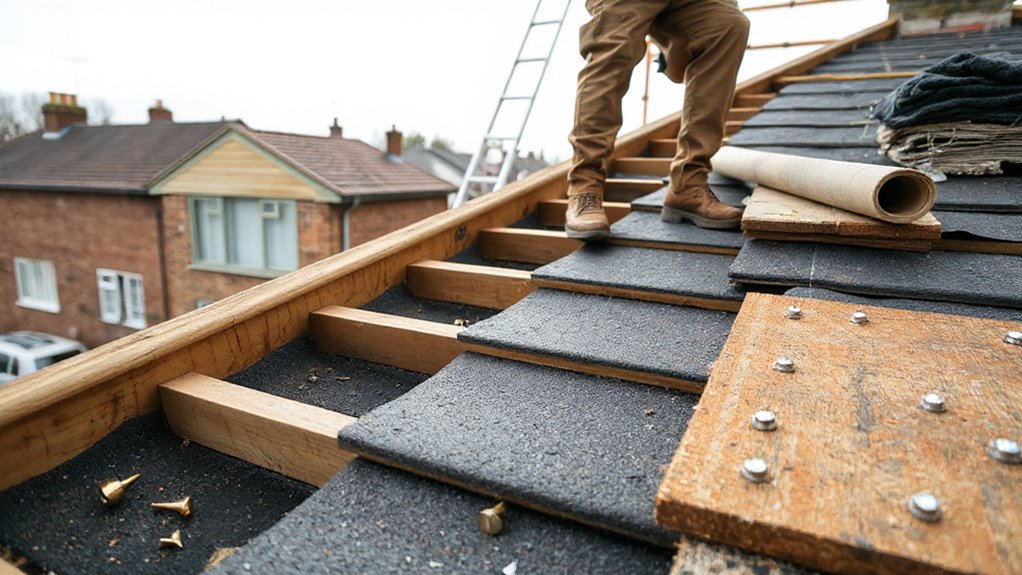
Roofing materials and costs hinge on material properties, installation complexity, and local supply chains, so selecting timber, felt, or sheathing requires a clear appraisal of strength, durability, and weatherproofing performance. You assess load-bearing capacity, moisture resistance, and thermal behavior to estimate long-term maintenance and replacement intervals.
Timber offers structural solidity but incurs treatment and rot risk; felt provides lightweight waterproofing with variable longevity; sheathings improve deck integrity and underpin insulation strategies. Material choice influences installation time, waste, and risk of leaks, while compatibility with existing gutters and fascia affects future upkeep.
Consider roof insulation, vapor barriers, and ventilation alongside initial costs. Plan for gutter maintenance needs and potential debris-related clogging, and quantify ancillary expenses such as fasteners, flashing, and weatherproof sealants for comprehensive budgeting.
UK Labour Costs by Region
Regional labour costs in the UK vary markedly due to geography, skill mix, and market conditions, and these differences directly affect roofing project budgeting. You’ll notice higher labour rates in the South and London, driven by living costs and demand, with lower rates more common in the North and rural areas.
Variation isn’t purely regional; trade specialization, project size, and scheduling influence hourly rates and overall duration. When planning, account for your roof insulation and ventilation systems integration, as costs shift with complexity and access constraints.
Regional competition can also affect subcontractor pricing, lead times, and availability. Panels of regional data help benchmark bids and forecast profit margins for repairs and replacements.
- Regional wage dispersion
- Trade specialization impact
- Scheduling and access considerations
Hidden Fees to Watch For: Scaffolding, Permits, and Waste
Hidden costs in roofing projects often surprise clients if they’re not anticipated; scaffolding, permits, and waste disposal collectively can add a substantial, sometimes overlooked, portion to the budget.
You’ll encounter hidden fees that emerge from site access requirements, waste segregation, and contractor coordination. Scaffolding charges aren’t merely rental—they reflect safety compliance, load limits, and extended access durations, which can escalate if weather or site constraints extend work windows.
Permit costs vary by local authority and project scope, including planning or building regulation compliance, which you must verify before signing.
Waste management incurs segregation, disposal fees, and potential recycling surcharges based on material mix.
Track each line item, confirm unit rates, and request itemized quotations to prevent unplanned overruns in your overall roofing expenditure.
Timing Your Roof Work: Weather, Seasons, and Scheduling Tips

Weather windows and seasonal constraints directly impact roof work duration and cost. You should plan tasks around dry, moderate-temperature periods to minimize moisture-related delays and material handling issues.
This discussion will outline how to identify reliable weather windows and align scheduling with seasonal patterns to optimize progress and budgeting.
Weather Windows for Roofs
While planning a roofing project, you should align work with favorable weather windows to minimize delays and moisture-related damage. Weather windows influence cure times, material handling, and sequencing, making timing a structural control parameter. Assess forecasts for temperature, precipitation probability, wind, and humidity, as these factors determine performance of roofing material and fasteners.
A narrow window reduces weather impact on adhesives, sealants, and ventilation, improving risk management and cost predictability.
- Schedule around dry periods with moderate temperatures to optimize adhesive cure and material compatibility.
- Prioritize low wind days to safely install roofing material and protect loose components.
- Align critical roof penetrations with spots of minimal rainfall and dew, avoiding back-to-back weather fronts.
Document expected windows and adjust supplier delivery to prevent throughput losses and moisture exposure.
Seasonal Scheduling Tips
Seasonal scheduling shapes project risk and cost by aligning roofing work with the calendar’s predictable patterns. You should assess weather windows, temperature ranges, and precipitation probabilities to identify ideal install or repair periods.
In the UK, you’ll typically avoid peak winter freezes and summer heat spikes, aligning with moderate humidity and daylight for steady progress. Plan contingencies for sudden storms and material handling constraints, including delivery delays and scaffold availability.
Consider seasonal discounts offered by suppliers or contractors, but verify that price reductions don’t compromise safety or workmanship. Track current roofing trends—drainage, insulation standards, and reflective coatings—to guarantee you time projects when changes are most cost-effective.
Document scheduling milestones, update risk logs, and communicate timelines to minimize downtime and maximize value.
How Age and Condition Change Your Estimate
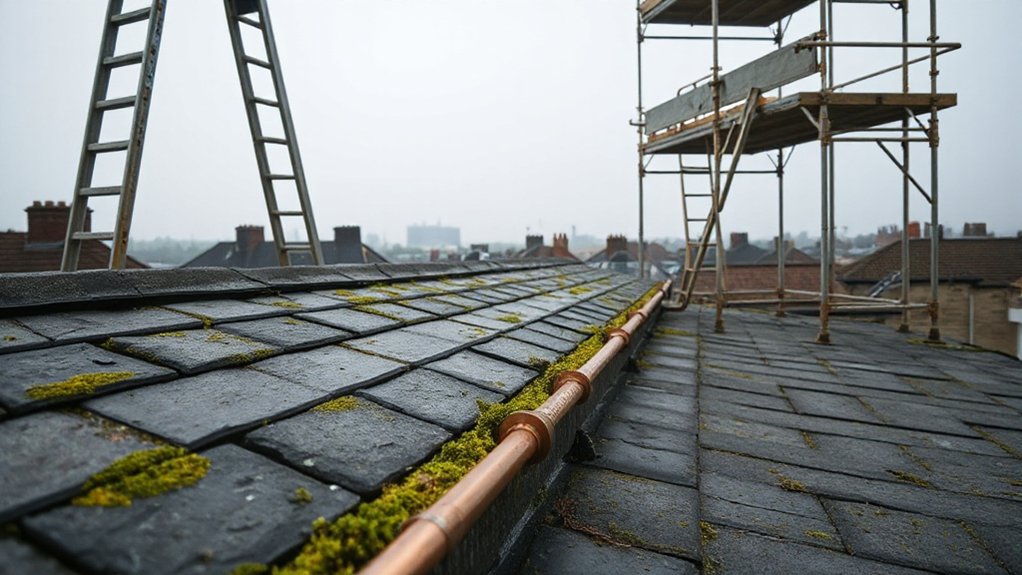
Age and condition directly shape the replacement estimate by altering the expected remaining life of existing components and the labor and material effort required. You’ll see how age and current condition drive risk, labour hours, and disposal needs, affecting unit costs and contingency allowances.
A precise condition assessment informs material choices, sequence, and warranty expectations, reducing unexpected outages and rework. You’ll compare retrofit viability versus full replacement, balancing structural compatibility with energy efficiency goals.
Early detection of wear patterns, flashing integrity, and underlayment degradation refines your budget, ensuring accurate scoping and risk pricing. Roof age and condition assessment data guide contractor recommendations and highlight required maintenance windows, influencing scheduling and cash flow.
- Roof age-related material retirement timelines
- Condition assessment metrics and thresholds
- Contingency and risk-adjusted costing methodology
Practical Ways to Save on Roofing Without Skimping Quality
You assess long-term maintenance needs, scheduling proactive checks that prevent costly failures. You incorporate robust roof insulation to improve energy efficiency and reduce temperature-related wear, lowering operating costs over decades.
You guarantee proper ventilation to avoid condensation damage and extend membrane life. You perform routine gutter maintenance to prevent water intrusion and fascia rot, safeguarding structure and insulation effectiveness.
You document every intervention, aligning with warranty requirements to maximize coverage. You compare lifecycle cost profiles, not upfront price, to achieve reliable, predictable performance.
Getting Accurate Quotes: A Step-by-Step Comparison Checklist
To get accurate quotes, start with a structured comparison checklist that guarantees apples-to-apples assessments, then verify each item with the contractor. You’ll compare scope, materials, labor rates, warranty terms, and site access. Then, align assumptions for Roofing maintenance and potential insurance claims to prevent post-award disputes. Confirm inclusions, exclusions, and how follow-up work is priced. Document timelines, payment milestones, and permit handling. Use a common unit cost basis and request itemized breakdowns to enable objective evaluation and risk identification.
- Define scope and material specs with unit costs and delivery times.
- Require itemized breakdowns for labour, overhead, and contingencies; confirm warranty and claim-applicability.
- Verify financing, insurance claim integration, and post-work adjustments before signing.
Frequently Asked Questions
Do Insurance Companies Affect Roof Replacement Cost Estimates?
Yes, insurance companies can affect roof replacement cost estimates through coverage adjustments and claim specifics, influencing what they’ll pay and how costs are allocated for labor, materials, and permitting in insurance claims.
How Do Roof Rebates or Grants Work in the UK?
You want to know how roof rebates or grants work in the UK. You assess Roof grant eligibility, then navigate the Rebate application process, documenting criteria, required evidence, and timelines while ensuring compliance and maximizing potential financial support.
Can Roof Pitch Influence Long-Term Maintenance Costs?
Roof pitch clearly affects maintenance costs; you’ll notice steeper roofs demand more upkeep. You stay analytical, ironically relieved you’ve planned, as higher pitches increase inspection frequency and costs, while lower pitches reduce roof life surprises, impacting long-term maintenance costs.
What Impact Does Attic Insulation Have on Overall Roofing Price?
Attic insulation lowers total roofing price by reducing heat loss and cooling needs, with payback tied to insulation materials quality and install efficiency. Attic ventilation enhances airflow, preventing moisture, while higher-performance materials raise upfront costs but save long-term.
Are There Cost Differences for Flat Roofs Vs Pitched Roofs?
Yes, you’ll see cost differences: flat roofs generally incur higher installation complexity and specialized roof material pricing than pitched roofs, affecting overall price more due to labor intensity and material variety.
Conclusion
In sum, you’ll find UK roofing costs hinge on size, type, and materials, with labour regionality and hidden jobs like scaffolding shaping the total. A striking stat: average UK roof replacement costs range roughly from £5,000 to £12,000, depending on scope and materials. You’ll benefit from precise quotes, clear scope, and planned scheduling to avoid weather-linked delays. Prioritise durable materials and proper ventilation to reduce long-term costs, and verify warranties for ongoing reliability.