
When choosing the best paint brands for interior walls, look for durability, low odor, and strong coverage in low-VOC formulas. Prioritize brands with reliable color accuracy, good hide, and washability, plus solid primer compatibility and consistent batch quality. Consider finishes that balance depth and cleanability, then compare real-world results and drying times. Budget for long-term value—fewer coats, better durability, and easier touch-ups. If you keep exploring, you’ll uncover brands that meet every performance need.
What to Look for in Interior Paint Quality
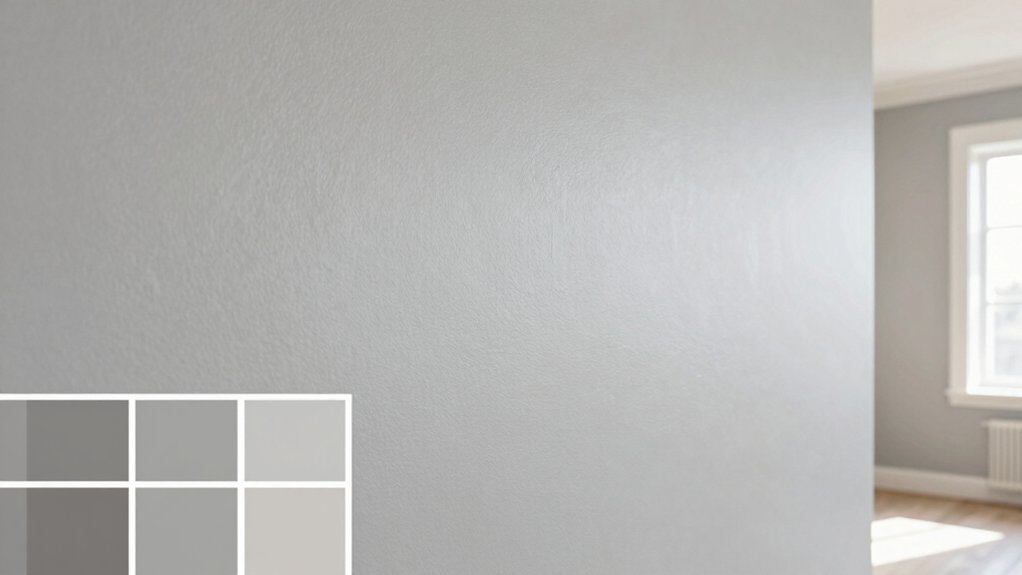
When choosing interior paint, know what quality really means in practical terms: durability, coverage, and finish that lasts without frequent touch-ups. You want products that deliver dependable performance, not excuses.
Prioritize primer quality because a solid base determines longevity, even color, and reduced streaking. Look for strong paint adhesion that resists peeling and cracking under daily wear.
Seek high hide in fewer coats, impressive stain resistance, and a smooth, uniform finish that stays true over time. Pay attention to low odor, low VOC options for safer spaces, without compromising performance.
Read technical data sheets for coverage rates and cure times, then verify claims with real-world results. In short, select brands that prove durability, coverage, and finish through primer quality and paint adhesion.
How Finishes Influence Color, Durability, and Upkeep
Finishes do more than look right; they set color accuracy, durability, and upkeep patterns. You control the room’s mood by selecting finish types that amplify or mute color perception, shaping how hues read under lighting and time.
A sheen changes perceived depth and washability, influencing maintenance cadence and scratch resistance. Higher durability finishes resist scuffs yet may flatten color richness; flatter sheens enhance subtle undertones but demand careful cleaning.
You’ll notice that color perception shifts with gloss, temperature, and glare, so choose finishes that deliver consistent results across spaces. Consider how traffic, humidity, and cleaning frequency interact with your chosen finish type to balance vibrancy and longevity.
Informed choices empower your project to endure, resist wear, and maintain precise color fidelity.
VOCs and Eco-Friendliness in Interior Paint
Are VOCs worth watching in interior paint, or should eco-friendly options suffice? You choose performance with responsibility. VOC emissions matter because they influence indoor air quality, odor retention, and long-term health implications.
You won’t settle for vague promises; you demand measurable, transparent standards. Look for low-VOC formulas that still deliver color, coverage, and durability, then verify certifications like GREENGUARD or Green Seal.
Eco-friendly ingredients aren’t just marketing; they reflect safer solvents, binders, and pigments that reduce off-gassing without compromising finish. Your selection should align with cleaner air, reduced sick-building indicators, and faster, safer projects.
In practice, prioritize brands that publish quantifiable VOC data, offer low odor, and commit to continuous improvement in sustainability without sacrificing performance.
Coverage, Prep, and One-Coat Myths Explained

After weighing VOCs and eco-friendly choices, you’ll want coatings that actually cover, prep properly, and debunk the one-coat myth. Coverage isn’t magic—it’s film build, substrate speed, and finish type working together.
You’ll prep by cleaning, repairing, and scuffing surfaces to maximize primer adhesion and bond strength. Don’t skip a dedicated primer on problematic substrates; it sets a solid foundation for color, opacity, and durability.
One-coat myths die when you match paint to surface and humidity, controlling application thickness and drying time. Remember primer adhesion matters, especially on slick or repaired areas.
Paint drying time isn’t just convenience—it governs recoat windows and finish integrity. Choose products with clear guidance and consistent performance, and your walls will reveal true coverage, precision, and power.
Budget vs. Value: Choosing Brands for Your Project
Budget decisions aren’t just about price tags—they define long-term value. You’re choosing brands that balance upfront cost with durability, coverage, and finish quality.
Higher upfront spend can yield fewer coats, truer color, and better resistance to wear, translating to real savings over time. Don’t default to the cheapest option if it compromises your project’s longevity or your walls’ texture.
Assess value through performance metrics: hide, washability, fade resistance, and finish consistency across batches. Consider how the brand supports you with reliable Paint texture and predictable color matching.
Factor in application tools compatibility, brush and roller quality, and clean-up ease, because tool performance amplifies every dollar spent.
In the end, select a brand that meets your standards for control, speed, and lasting impact.
How to Evaluate Top Interior Paint Brands for Walls
To evaluate top interior paint brands for walls, start by examining performance metrics that matter most: hide, coverage per coat, and the finish’s consistency across batches. You demand observable results, so compare swatches and real-world applications side by side, noting uniform sheen and true color after drying.
Assess longevity through washability and stain resistance, then weigh primer compatibility and dry-time as practical constraints for project speed. Prioritize brands with transparent, repeatable batches to avoid surprises.
Consider paint color trends by testing alongside fresh palettes to ensure future-proof looks. Reflect on historical paint brands for established reliability and legacy performance, but remain open to modern formulators offering breakthrough sustainability and coverage.
Your choice should balance confidence, cost efficiency, and uncompromised wall impact.
Test Color and Finish Before Committing to a Brand
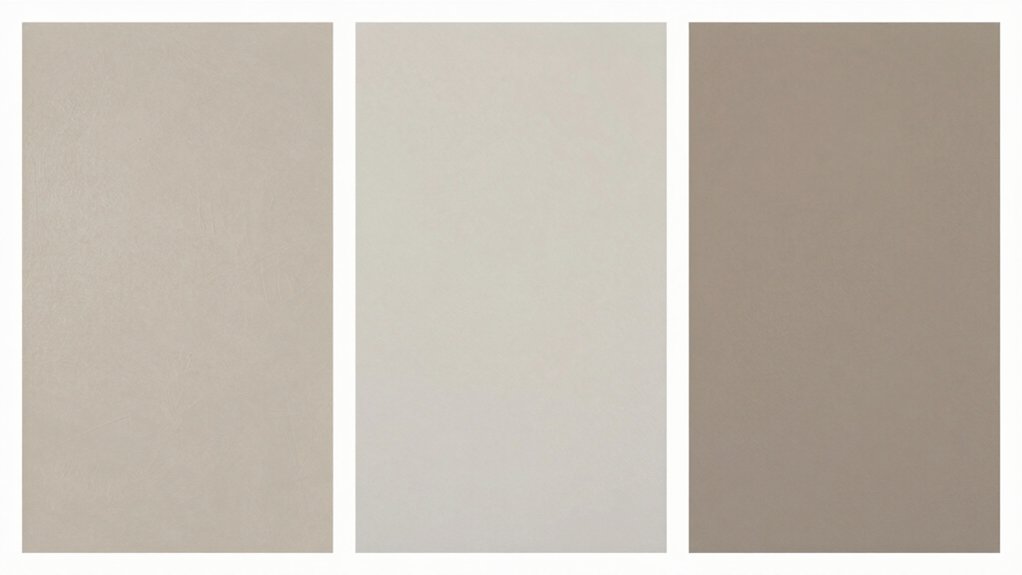
Before locking in a brand, you should sample for accuracy by testing color swatches under your room’s lighting.
Pair that with checking finish and sheen levels now to guarantee the look matches your vision.
This initial test helps you compare how different brands perform in real conditions.
Sample For Accuracy
Curious about how a sample can save you time and money? You test color and finish on real surfaces, not swatches, to see how light, texture, and room dynamics reshape your choice. A purposeful sample block reveals true coverage, hide, and flow, letting you compare brands with confidence.
You’ll evaluate consistency across coats, drying time, and aroma, confirming if the color remains faithful from panel to wall. This isn’t guesswork; it’s a precise filter that prevents costly misfires.
Use controlled conditions and document results, mapping how each option aligns with Paint application techniques and your design goals. Tracking historical paint trends during tests keeps you grounded in proven effectiveness, ensuring your final decision commands presence and durability.
Test Sheen Levels Now
When you test sheen levels now, you’re confirming how finish glare, texture, and surface feel respond under real lighting. This step isn’t guesswork; it’s leverage. You compare actual samples side by side, noting how lower or higher gloss changes perceived depth, cleanliness, and touch.
Do sheen level testing with representative rooms—wall, trim, and even a swatch under lamps and daylight—to reveal true performance. Track stain resistance, wipeability, and color shift across finishes, so you don’t commit to a brand that won’t age well.
Document results with a simple gloss comparison chart, then select the finish that aligns with your lighting plan and goals. Precision now prevents compromise later, keeping your project powerful and predictable.
Frequently Asked Questions
How Do Brand Prices Reflect Long-Term Durability?
Prices reflect durability indirectly; higher upfront costs often fund better paint formulation and longer-lasting coverage, preserving resale value. Your choice boosts brand reputation, influencing longevity expectations as you compare colors, finishes, and performance across trusted paints.
Do Consumer Reviews Accurately Predict Paint Performance?
Yes, consumer reviews rarely predict paint performance with precision, but you should trust patterns and tests more than hype; skeptical, you compare real wear, paint smell, and eco friendly options before buying.
Are There Regional Brand Preferences for Interior Walls?
Regional brand preferences do exist for interior walls; you’ll notice it in regional color trends and local paint availability, shaping choices you make. You capitalize on palettes, leverage local stock, and project authority with informed, decisive selections.
Can Brand Warranties Cover Application Issues?
Yes, brand warranties can cover paint application issues, but terms vary. You’ll want to review coverage specifics for improper prep, application, or surface defects, and guarantee warranty coverage aligns with your project scope and required performance standards.
Do Specialty Brands Offer Better Color Accuracy?
Yes, specialty brands tend to offer better color accuracy; you’ll notice sharper color matching and tighter pigment quality, especially across batches, surfaces, and lighting, giving you consistently reliable results for high-end projects.
Conclusion
Choosing a brand is easy, right? Pick the cheapest and you’ll get flawless walls forever. Spoiler: that’s not how it works. You’ll discover finishes aren’t equal, coverage isn’t guaranteed, and VOCs aren’t just a rumor. So, go on, chase “one-coat miracles” and ignore prep—your timeless masterpiece will surely resist peeling after a week. Or, you could actually test colors, consider durability and eco-friendliness, and select a brand that respects your wallet and your air. Your call.