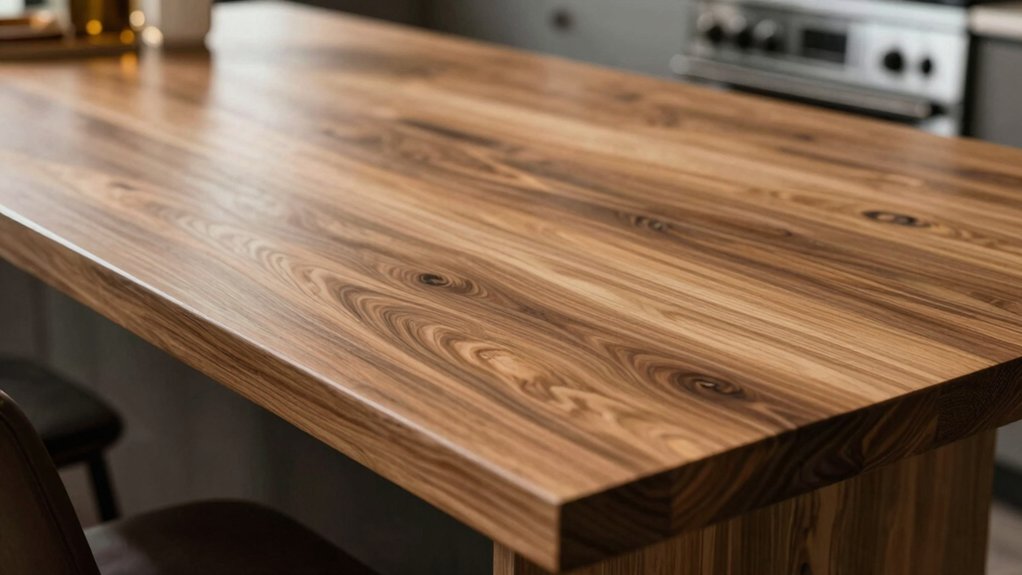
For a kitchen table, you want a finish that’s durable, safe, and clear. Choose a non-toxic, low-VOC option like water-based polyurethane for protection and light refraction, or a hard wax oil for a natural look with good spill resistance. For accessibility and cleanup, water-based poly is often best indoors; consider UV-cured or ceramic-infused topcoats for extra durability. Test on a hidden area first, and you’ll discover options that fit your setup—and you’ll uncover more tips below.
Analyzing Wood Types for Kitchen Tables
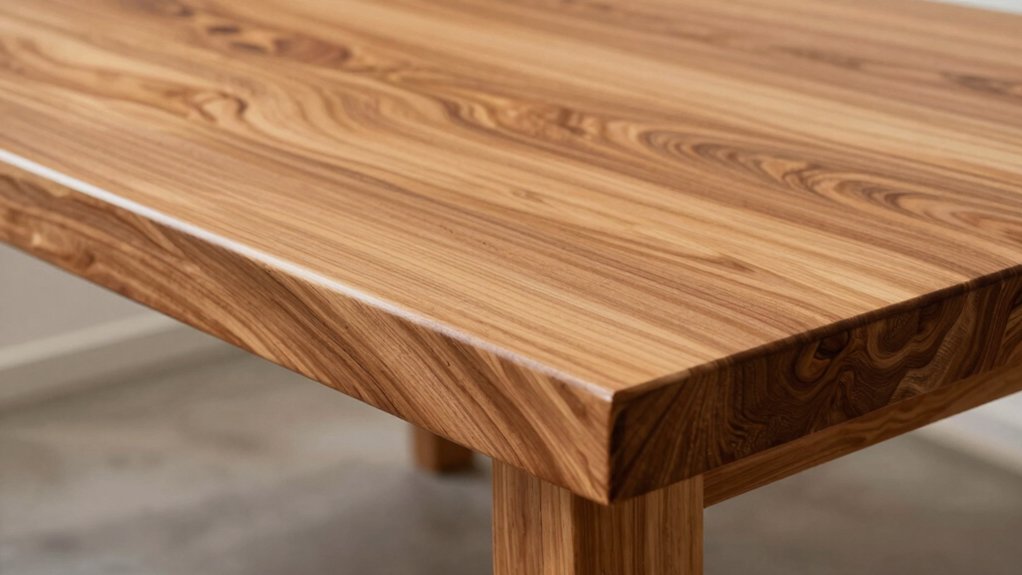
When choosing a finish for a kitchen table, start by understanding how the wood type behaves with moisture, movement, and wear. You’ll tailor your approach to wood types, balancing protection and appearance.
For hardwoods like oak and walnut, you need penetrating sealers or oil-based finishes to maximize durability and grain depth.
Maple and birch respond well to water-based polyurethane, which prevents staining while highlighting grain clarity.
Softwoods, such as pine, demand flexible protection, so opt for high-quality polyurethane to resist scratches and dents.
Cedar, being soft and prone to warping, benefits from penetrating sealers plus water-resistant topcoats like spar urethane.
Teak, an oily wood, may require marine-grade varnish or grain fillers to ensure proper adhesion.
Your finish choice should safeguard without compromising grain.
Top Finishes for Durability and Protection
You’ll want to compare finishes that maximize durability and protection, from tough polyurethanes to glassy epoxy barriers. Each option behaves differently under heat, moisture, and wear, so you can choose what fits your kitchen routine.
We’ll weigh durability, maintenance, and reapplication needs to guide your pick.
Durability Through Finishes
To protect a kitchen table that sees daily use, choose a top finish that balances durability with ease of maintenance. You’ll want a durable finish that forms a robust protective layer against scratches, stains, and moisture.
Oil-based polyurethane delivers strong abrasion resistance and water resistance, creating a resilient surface for high-traffic rooms. Epoxy resin coatings offer an impenetrable glossy shell, ideal where heat and chemicals are concerns, though they can alter feel and repairability.
Hard wax oils blend oils and waxes for water resistance while preserving a natural look and touch, supporting finish longevity. For ongoing protection, consider advances in nanotechnology or ceramic-infused finishes to boost durability.
Regardless, prioritize wood protection that supports a long, low-maintenance lifespan.
Protective Finish Comparisons
Durability and protection hinge on choosing the right top finish, and the options below cover the most practical, high-performance choices for a busy kitchen table. You’ll find polyurethane finish and water-based polyurethane offer strong protective qualities, with abrasion resistance that stands up to daily meals and spills.
Oil-based finishes penetrate wood, enhancing grain and providing durable coverage, but they require reapplication over time. For a hard, glassy shell, epoxy resin delivers exceptional heat and moisture resistance, though it’s less forgiving to repairs.
UV-cured finishes push durability with fast curing and environmental benefits, while ceramic-infused options boost scratch resistance. Waxes add a natural sheen, yet offer limited protective layer and don’t replace tougher finishes.
Choose based on use, maintenance, and reapplication needs.
Eco-Friendly and Safe Finishes for Family Kitchens
You want finishes that are low in VOCs and safe for kids, so start with water-based polyurethane or natural oil options labeled food-safe for kitchens.
These eco-friendly choices reduce odors and chemical exposure while still protecting your table from spills and wear.
Consider waxes or bio-based finishes for a natural barrier that’s easy to maintain and safe for family use.
Safe, Low-VOC Options
Safe, low-VOC finishes are a practical choice for family kitchens, as they reduce odors and exposure without sacrificing durability. You’ll find water-based options that are low-VOC and odorless, making them ideal for a kitchen table in heavy daily use.
Choose a non-toxic coating that’s labeled food-safe or food contact safe, so you can place meals directly on the surface with confidence.
For eco-friendly protection, natural oils like walnut, linseed, or tung oil offer a water-repellent, protective finish without harsh chemicals. However, you may prefer a water-based protective finish for easier cleanup.
Waxes such as beeswax or carnauba provide a gentle layer that’s low-maintenance and safe.
Recent ceramic-infused or nanotechnology finishes can boost durability while staying low-VOC.
Eco-Friendly Finishes Benefits
Eco-friendly finishes for family kitchens combine safety with performance, helping you protect a busy table without exposing your household to harsh chemicals. You’ll choose options that minimize risk while preserving durability and looks.
Water-based polyurethane stands out as an eco-friendly, low-VOC choice that’s suitable for food-contact surfaces. Natural oils, like walnut and linseed, are biodegradable and non-toxic, enhancing wood grain without harsh additives.
Waxes, including beeswax and carnauba, provide water repellency and a soft luster with minimal maintenance. For even broader safety, consider non-toxic, food-safe finishes and bio-based or ceramic-infused formulations that reduce environmental impact.
These environmentally friendly options deliver long-lasting protection, ease of application, and confidence that your family table stays beautiful and safe.
Latest Innovations in Wood Finishes
New finishes are transforming kitchen tables, delivering faster cures, tougher performance, and greener footprints. You’ll see UV-cured finishes instantly harden under light, slashing drying time and VOCs while keeping surface clarity.
Ceramic-infused finishes insert microscopic particles for exceptional scratch, heat, and chemical resistance, fortifying daily use.
Nanotechnology-based finishes embed nanoparticles to boost water repellency, self-healing properties, and durability, helping your table withstand spills and wear.
Microban-infused varnishes add antimicrobial agents that inhibit bacteria, supporting hygiene without extra steps.
Environmentally friendly finishes lean on bio-based formulations, offering sustainable options with solid scratch resistance and water resistance.
In name and result, these latest innovations deliver enhanced durability, easier maintenance, and long-lasting beauty for your kitchen table.
How to Choose a Finish Based on Environment and Use
Choosing a finish depends on how and where you use the table.
For indoor kitchens, water-based polyurethane offers durability with low odor and minimal yellowing.
While outdoor tables need weather-resistant protective finishes like spar urethane.
Evaluate the level of use: high-traffic or food-prep surfaces benefit from tough, chemical-resistant options such as epoxy resin or catalyzed urethane for maximum protection.
Consider exposure to water, heat, and UV rays; protective finishes like oil-based polyurethanes or UV-cured coatings help prevent water damage, heat marks, and sun fading.
Match the finish to wood type: dense hardwoods may need penetrating sealers, softwoods require flexible coatings to prevent dents and warping.
Balance aesthetic preferences with environmental safety; eco-friendly options like water-based finishes or natural oils reduce chemical emissions.
Application Techniques for Smooth, Durable Coatings
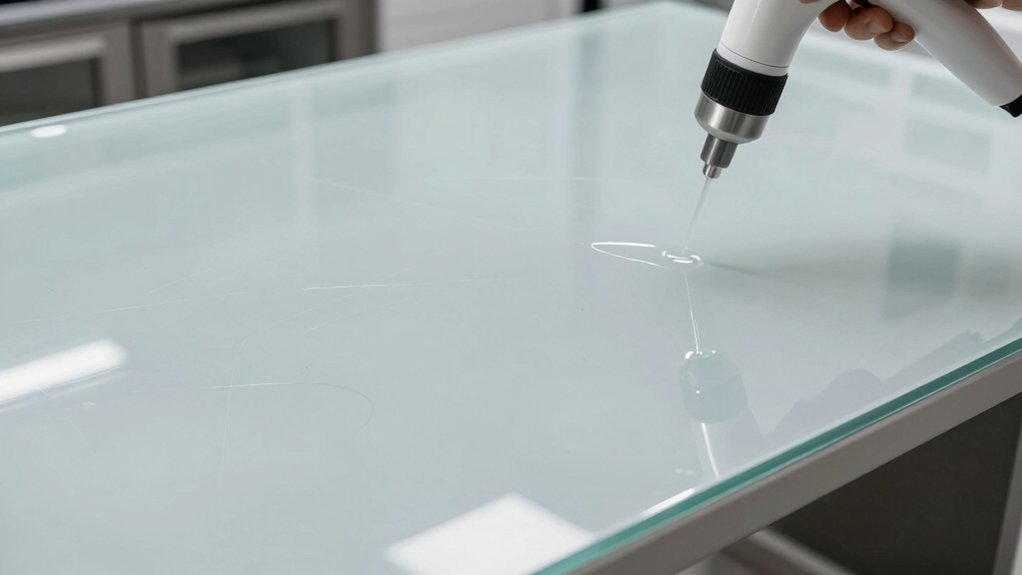
To achieve a smooth, durable finish on your kitchen table, apply thin, even coats with a quality brush, foam roller, or lint-free cloth. Use slow, controlled strokes along the wood grain to minimize brush strokes and guarantee uniform coverage.
Between coats, sand lightly with 220-grit sandpaper to promote adhesion and a smooth finish. Remove dust thoroughly with a tack cloth or vacuum before the next application, preserving surface preparation.
Maintain proper drying time by working in a well-ventilated area and following manufacturer guidelines to avoid smudges and imperfections.
Repeat thin coats as needed, prioritizing even coverage over speed. This application technique yields durable coatings that resist wear while preserving the wood’s natural beauty.
Stain and Mark Removal Tips on Finished Tables
Stain and mark removal on finished tables is straightforward when you follow proven methods and test first. You’ll lift stains with a simple mixture of equal parts rubbing alcohol and water, gently dabbing on sealed wood to lift permanent marker without attacking the finish.
For water rings, use a tiny amount of non-gel toothpaste or a baking soda paste, then softly rub with a cloth. Lightly sand the affected area with 220-grit paper to reduce water marks without harming the finish.
When the stain lightens, apply a fresh coat of clear finish or sealer to blend and protect. Always test methods on an inconspicuous spot first to protect the table’s appearance as you restore it.
Finishes That Prevent Yellowing and Maintain Clarity
Water-based finishes resist yellowing and keep your tabletop looking clear longer, so you can enjoy a true wood tone over time. Oil-based options tend to amber with age, altering the original color.
Clear epoxy resins stay virtually invisible and durable. Look for UV-resistant or UV-cured coatings and labels like non-yellowing or low-VOC to maximize clarity for years.
Yellowing Solutions
When you want a kitchen table that stays clear and true to its wood, choose finishes designed to resist yellowing over time. Water-based polyurethane stands out for clarity and minimal yellowing, helping you protect against yellowing without murky tones.
If you prefer traditional options, note that oil-based finishes can yellow with age, especially in low light. Therefore, reserve them for scenes where color shift won’t distract.
Clear epoxy resins offer strong protection while preserving natural grain and resisting yellowing for decades.
UV-inhibiting finishes and UV-cured coatings actively combat sun-induced fading, keeping your table bright.
Environmentally friendly options, such as bio-based or nanotech-enhanced finishes, further reduce yellowing risk. These options still deliver durability and a transparent look.
Clarity Maintenance
To keep a kitchen table looking pristine, choose finishes that resist yellowing and preserve clarity. You want clarity that lasts, so favor water-based polyurethane for its excellent transparency and minimal yellowing over time. Oil-based finishes tend to yellow with age, reducing transparency and altering the wood’s look.
Consider UV-cured finishes; they instantly harden and preserve original clarity, dramatically reducing yellowing risk. Clear finishes with UV inhibitors or UV-blocking additives further prevent discoloration from sunlight, keeping the surface transparent and bright.
For longevity and ongoing shine, look for finishes marketed as UV-stable. Microban-infused or nanotechnology-based options add durability while maintaining clarity, helping you avoid dullness or haze. Your goal: a finish that minimizes yellowing, preserves color, and sustains shine over years of use.
Finishes for Painted or Stained Surfaces
Finishes for painted or stained surfaces protect the surface without altering color, and the right topcoat can boost durability and gloss or matte appearance.
You’ll use a clear polyurethane over painted or stained surfaces to create a durable protective barrier without changing tone.
For painted surfaces, a water-based polyurethane is preferred for fast drying, low odor, and compatibility with latex or acrylic paints.
Stained or painted wood benefits from sealing with a thin, even coat to prevent moisture penetration and guard against scratches and wear.
A compatible topcoat, like shellac or varnish, can enhance gloss or matte finish while safeguarding the underlying finish.
Prioritize surface preparation—light sanding and cleaning—to ensure adhesion, moisture resistance, and long-term durability.
Practical Maintenance to Extend Finish Lifespan
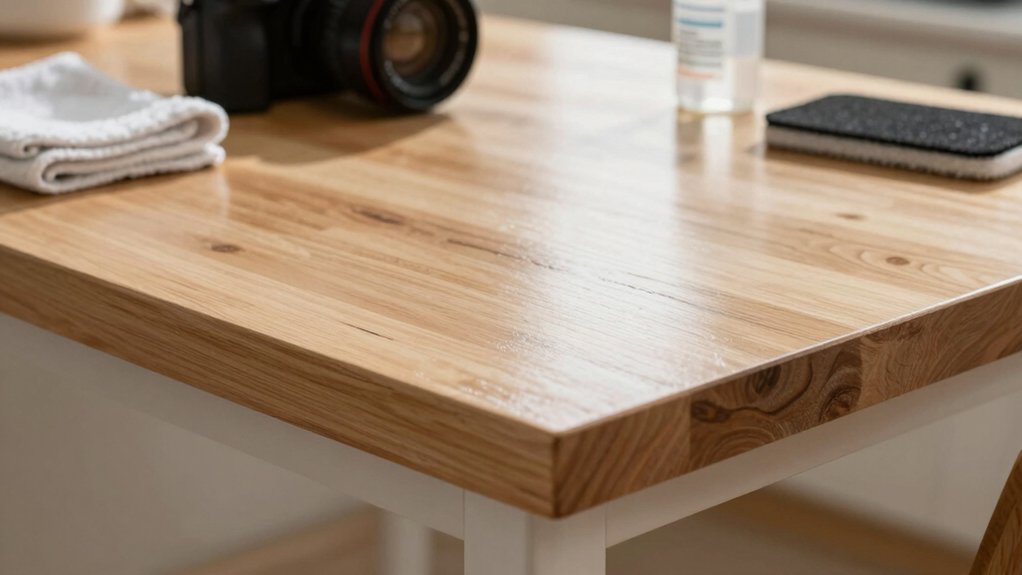
Maintaining a kitchen table finish is about consistent care and smart protection. To protect your table, practice regular maintenance: dust with a soft microfiber cloth to prevent abrasive particles from scratching the finish.
Immediately wipe up spills with a damp cloth to prevent liquids from seeping into the wood. Reapply protective finishes, like polyurethane or oil, every 1-3 years depending on usage to extend finish lifespan.
Use coasters, placemats, and hot pads to shield the surface from heat, moisture, and scratches.
Clean with gentle cleaners designed for the specific finish to preserve its integrity over time.
Conclusion
Choosing a finish isn’t a guess—it’s a guarantee you can count on. You want protection that survives spills, wipes away messes, and keeps color honest. Pick a durable topcoat, like polyurethane or catalyzed poly, for kitchens; add UV guards to prevent yellowing. Consider water-based for low odor. Match sheen to use, and seal edges well. Maintain with routine cleaning and light re-application as needed. Your table becomes a dependable workhorse, not just a pretty surface.