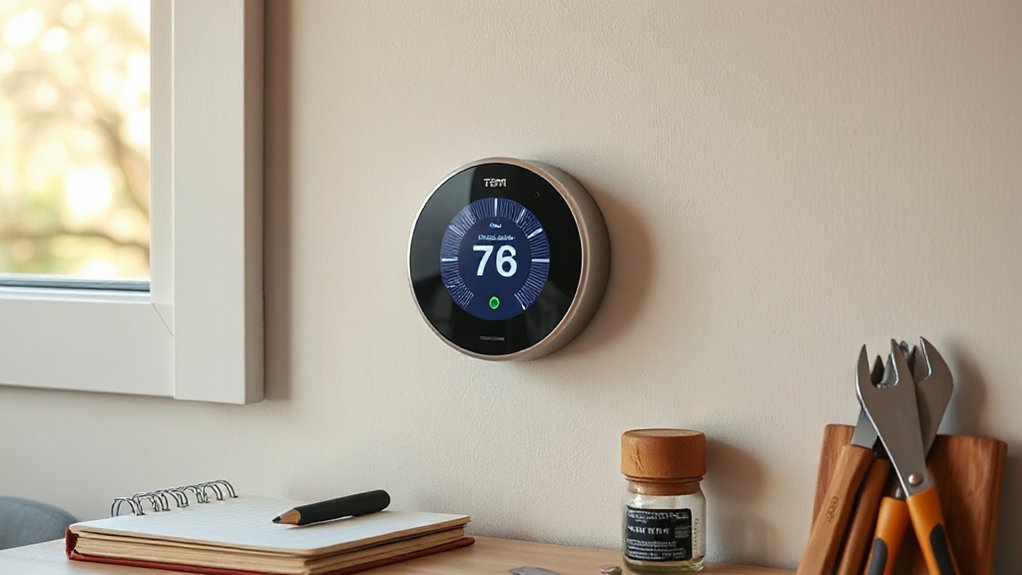
Affordable smart thermostats matter because they shrink energy bills and simplify comfort with precise, remote-controlled heating and cooling. For budget projects under $100, look for reliable HVAC compatibility, clear energy reporting, and easy installation, while mid-range options balance price, occupancy sensing, and smarter schedules. Prioritize devices with local control, firmware updates, and straightforward power options. Choose modular hardware to future-proof without vendor lock-in. If you keep exploring, you’ll uncover practical picks and setup tips that maximize returns.
Why Affordable Smart Thermostats Matter for Upgrades
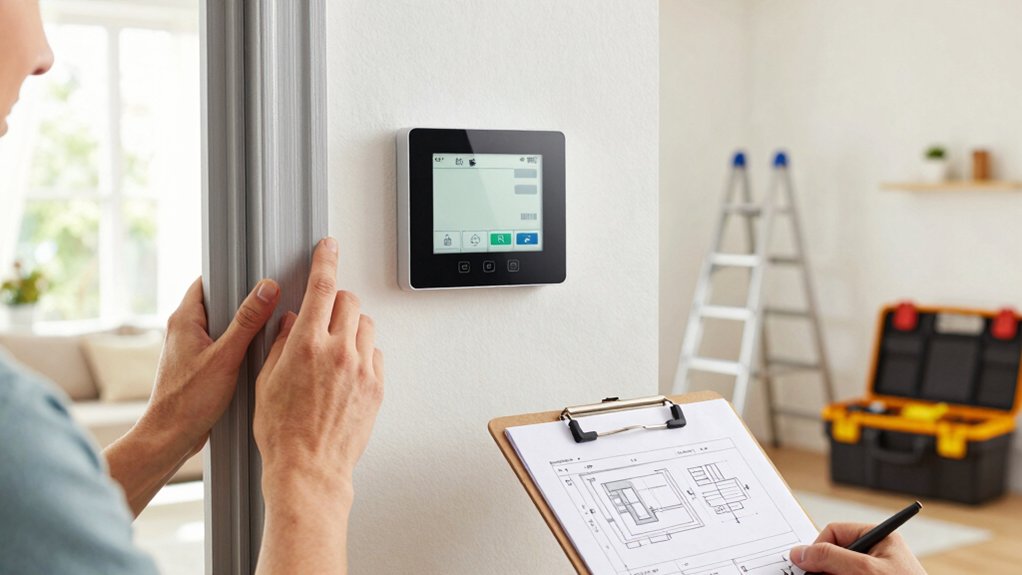
Affordable smart thermostats deliver quick wins on upgrades by lowering energy bills and simplifying comfort control. You gain immediate leverage in daily routines, with precise temperature management and remote access that keeps you in command.
These devices integrate with a Smart grid, enabling demand response and smarter load balancing across your home. You’ll deploy climate-aware schedules that adapt to varying conditions, maximizing efficiency without sacrificing performance.
In climate zones with fluctuating temps, the right thermostat reduces runtime while preserving comfort, delivering measurable ROI through reduced utility costs.
The technology also enhances maintenance efficiency: alerts, diagnostics, and firmware updates keep systems aligned with current standards.
If you value control, energy intelligence, and streamlined operations, affordable smart thermostats empower upgrade decisions that scale with your ambitions.
How to Pick the Right Thermostat for Your HVAC Setup
Choosing the right thermostat starts with matching capabilities to your HVAC setup and lifestyle. You’ll confirm compatibility with your system type (single-stage, multi-stage, heat pump, or any specialty equipment) and wiring.
Prioritize models that support your present infrastructure while offering scalable features for future upgrades. Look for precise control tools, energy reporting, and quick setup paths that reduce install time.
Check power requirements—diesel-free batteries, common wires, or C-wire availability—to avoid outages. Consider pairing with your smart home routines, schedules, and app responsiveness.
For maintenance essentials, choose a unit with clear filter alerts, fault diagnostics, and straightforward firmware updates. Prioritize installation tips from the manufacturer and ensure proper professional support if needed to maximize reliability and performance.
Budget-Friendly Thermostat Features to Prioritize
When budgeting for a thermostat, prioritize features that deliver value without increasing upfront cost. You want efficiency, reliability, and future-proofing, not gimmicks. Focus on core capabilities: precise temperature control, clear energy reporting, and straightforward integration with existing HVAC zones.
Energy consumption visibility helps you verify performance after installation and guides tweaks for peak efficiency. Favor models with firmware updates and local control over cloud-only options to reduce latency and dependence on external networks.
Installation requirements matter: choose a unit that fits standard wall boxes, requires minimal wiring, and supports common power options (C-wire or battery). Prioritize compatibility with common smart platforms and secure, over-the-air updates.
Avoid bells and whistles that don’t meaningfully impact comfort or savings.
Best Affordable Thermostats Under $100
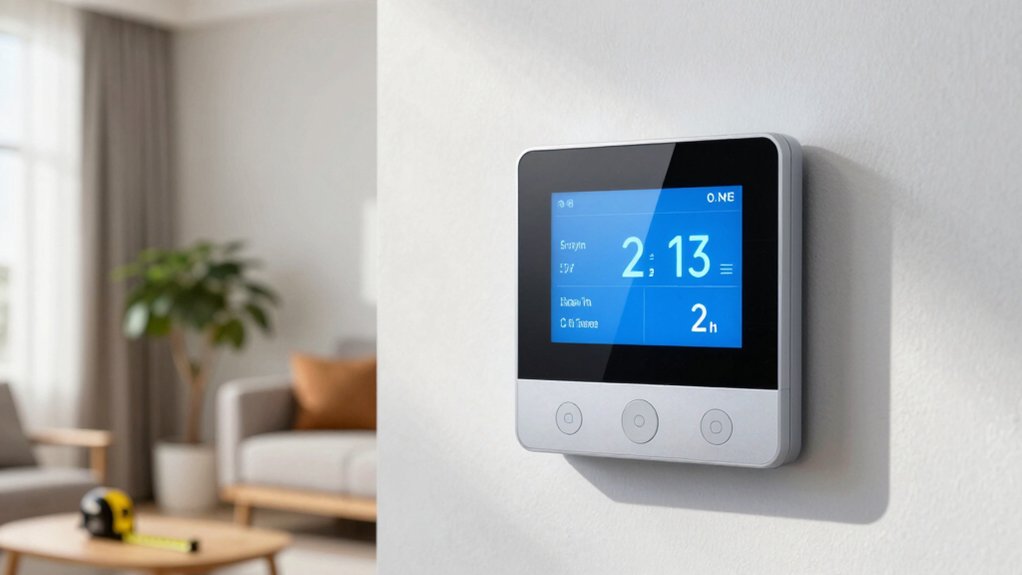
Smart thermostats under $100 deliver essential features without breaking the bank, helping you balance cost and control. You’ll get basic scheduling, remote access, and energy reporting without premium frills.
In this price tier, focus on compatibility with your HVAC system and existing smart home hubs. Look for reliable performance, clear app interfaces, and straightforward setup processes.
When evaluating smart thermostat brands, prioritize devices with proven firmware updates and solid customer support, since long-term reliability matters more than flashy extras.
Installation challenges are common at this price point, so choose models with simple wiring options and clear installation guides.
Avoid obscure installers’ quirks by confirming compatibility with your system before purchase and reading recent user reviews for real-world fit.
Mid-Range Smart Thermostats: Balance of Price and Performance
Mid-range smart thermostats strike a practical balance between price and performance, offering core comfort features without the premium add-ons.
You’ll want a solid feature set that’s energy-aware and reliable, with responsive scheduling, temperature control, and app integration that stays affordable.
Focus on how the price-performance ratio holds up as you compare energy savings, ease of use, and compatibility across devices.
Price-Performance Balance
Even though prices vary, mid-range smart thermostats strike a practical balance between cost and feature set, making them a sensible default for quality-minded homeowners. You’ll gain robust connectivity, responsive scheduling, and reliable app control without venturing into premium tiers.
Price-performance is driven by adaptable hardware, software updates, and proven compatibility with common HVAC systems. For you, the value isn’t just upfront cost; it’s long-term savings from precise occupancy sensing and smarter energy routines.
Conduct a cost comparison across top brands to assess ongoing support, firmware cadence, and warranty terms. Brand reliability matters here, as you’ll depend on consistent performance across seasons.
Choosing a mid-range model tends to maximize energy efficiency gains while maintaining control fidelity, avoiding overinvestment while delivering tangible comfort improvements.
Feature Set Efficiency
To get the most value from mid-range models, focus on how their feature sets translate into real-world efficiency. A strong feature set drives energy efficiency without complicating everyday use. Look for smart scheduling, adaptive learning, and occupancy sensing that reduce runtime without manual tweaks.
Companion app access should reveal clear performance metrics, not vague promises. Prioritize compatibility with energy-saving modes, zone control, and weather-based adjustments that auto-optimize heating and cooling. Integration with smart home platforms matters; reliable routines reduce manual overrides and boost consistency.
Battery life and offline operation aren’t optional if you want uninterrupted control. In practice, a robust feature set translates to predictable energy savings, faster comfort, and measurable reliability, delivering power without waste.
Wiring and System Compatibility: What You Need to Know
Wiring and system compatibility matter more than you might think: a smart thermostat only delivers value if it fits your wiring and HVAC equipment. Your first check is wiring compatibility: verify that your control wires match the thermostat’s terminal layout and that the common wire (C) is present if required.
Next, assess system integration: confirm compatibility with your heat pump, gas furnace, or conventional system, and ensure the device supports multi-stage cooling or heating if you have it. If your existing wiring is sparse, consider a power extender kit or professional retrofit.
Read the installation guide for amperage limits and supported voltages. In short, a secure match between your wiring, HVAC equipment, and the thermostat guarantees reliable control and true performance.
Energy-Saving Modes You’ll Actually Use
Energy-saving modes are where your investment pays off, especially after confirming wiring and compatibility. You’ll actually use these features because they feel deliberate, not gimmicky.
Program schedules push cooling and heating only when occupancy or desired comfort aligns with your routines. Energy-efficient algorithms optimize setpoints in real time, balancing energy use with comfort to curb waste without sacrificing performance.
Look for modes that adapt to weather trends, occupancy patterns, and peak-rate hours, then let the system adjust automatically.
Remote temperature control lets you fine-tune from anywhere, so you don’t overheat rooms you rarely use.
These modes deliver measurable gains: faster payback, consistent comfort, and smarter baseload management.
In short, choose thermostats with reliable automation that respects your power instincts.
DIY Install Tips for a Smooth Retrofit
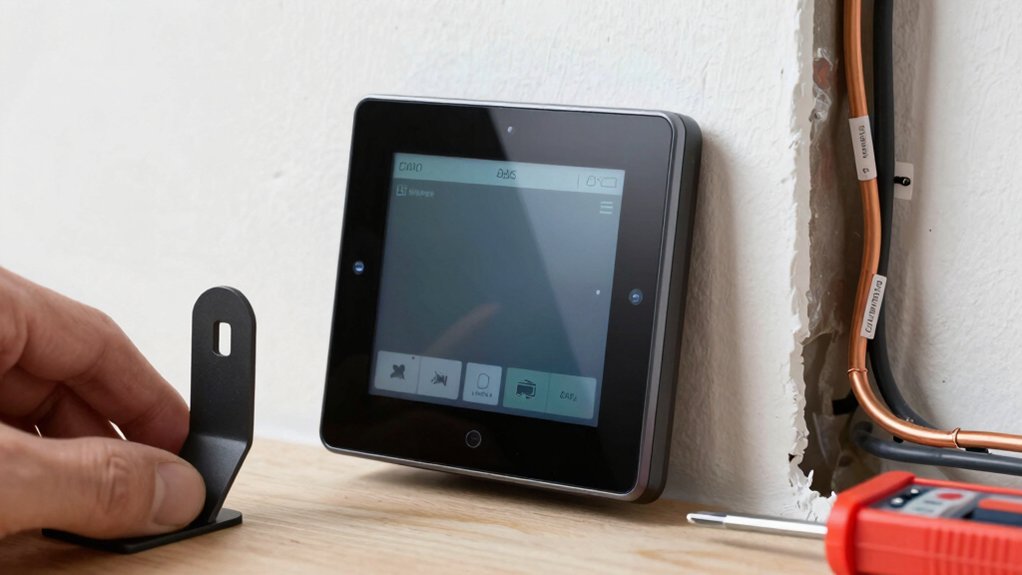
Installing a thermostat retrofit can go smoothly if you prep the basics first: verify compatibility with your HVAC system, confirm wire accessibility, and gather the right tools. You’ll map existing wiring, shut off power at the breaker, and test for voltage before touching terminals.
Follow installation safety by using a non-contact tester, labeling wires, and keeping the work area clear of clutter. Choose a mounting location that minimizes cover gaps and avoids direct sunlight or heat sources to preserve accurate sensing.
While you connect the new thermostat, reference the wiring diagram and confirm common, R, W, Y, G, and C terminals align with your model. Prioritize aesthetic considerations—clean wire routing, flush mounting, and a low-profile faceplate—to deliver a professional finish without compromising performance.
Smart Home Integration: Apps, Assistants, and Routines
Smart thermostat upgrades aren’t just about hardware; they enable seamless control through apps, assistants, and routines. You’ll gain voice control, remote access, and cross-device automation that keeps energy use intentional.
Set schedules from your phone or laptop, then refine them with real-time data and occupancy. App ecosystems let you monitor temps, modes, and energy insights without approaching the wall unit.
Integrations with assistants—Alexa, Google Assistant, or Siri—let you adjust climate with simple commands, invisible to others. Routines weave heating and cooling with security, lighting, and HVAC zones, delivering predictable comfort and efficiency.
Prioritize reliability in the cloud and on-device processing to avoid lag. This approach empowers you to optimize performance, reduce waste, and maintain fast, secure control.
User Experience: Display, Controls, and Reliability
You’ll judge a thermostat’s value by how it looks, feels, and behaves in daily use: a clear display, intuitive controls, and reliable performance. In this subtopic, you evaluate user interface quality and display clarity as core performance signals.
A clean, legible screen reduces setup time and minimizes errors, especially when adjusting schedules or comparing modes. Tactile controls should be responsive with consistent feedback, so tweaks land as intended rather than guessing.
Reliability means steady operation across firmware updates and power events, not just initial ease. Look for logical menus, predictable icons, and quick regain after temporary outages.
A well-designed device preserves user control even under pressure, delivering precise environmental management without distracting interaction. User interface strength and display clarity differentiate affordable options under real-world conditions.
Real-World Savings and Payback Estimates
Real-world savings from smart thermostats hinge on how you use them day to day. When you program schedules that align with occupancy, you cut runtime without sacrificing comfort, boosting energy efficiency across peak load periods.
Payback hinges on upfront cost, local energy rates, and how quickly you adopt advanced features like smart recovery and adaptive optimizing. You’ll see lower bills when you leverage precise temperature setbacks, zone-aware control, and occupancy sensing to avoid cooling or heating empty spaces.
Design matters: thermostat design influences how reliably you implement schedules, view insights, and respond to weather changes. Expect measurable ROI within 1–3 years in typical homes, with longer payback in milder climates.
Track monthly kWh reductions to validate savings and refine settings.
Common Mistakes to Avoid When Upgrading
Upgrading a smart thermostat can boost comfort and savings, but common mistakes can undercut those benefits. You should map your HVAC system, confirm compatibility, and avoid rushing installs.
Don’t overlook the app ecosystem, as a clumsy interface wastes time and yields inconsistent performance. Choose models with real-time energy data, and verify that sensors cover all zones you care about; misplacement undermines efficiency.
Do a cost comparison across brands and retailers, factoring installation if needed, to avoid hidden expenses. Be mindful of power requirements, Wi-Fi stability, and firmware updates that can alter behavior after setup.
Brand reputation matters for ongoing support and reliability. Finally, skip oversized expectations; a modest upgrade paired with proper configuration delivers predictable gains.
Future-Proofing a Budget Thermostat Upgrade
You can start with a budget-friendly upgrade path that prioritizes core capabilities now while leaving room for future enhancements.
Expect measurable long-term energy savings as you adopt features that scale with your system and usage.
Guarantee compatibility with futures by choosing standards-friendly hardware and updateable firmware so your thermostat stays relevant without a full remodel.
Budget-Friendly Upgrade Path
Budget-friendly upgrade paths let you future-proof a thermostat without overspending. You’ll choose scalable hardware, cloud-supported features, and firmware that updates without complex installs.
Start with a model that supports standard communication protocols, so you’re not locked into a single ecosystem. Prioritize energy efficiency through adaptive algorithms and scheduling, which reduce runtime and maintain comfort without manual micromanagement.
You’ll want a device with robust diagnostics, so you can detect sensor drift or HVAC strain before it impacts performance. Prioritize user comfort by enabling precise temperature ramps and responsive late-evening modes.
Ensure a secure, user-friendly app interface that provides clear energy insights and quick overrides. Finally, plan for simple room additions and zoning compatibility to maximize long-term value without buyer’s remorse.
Long-Term Energy Savings
Because a budget thermostat can scale with future needs, prioritize long-term energy savings by selecting a model with robust adaptive algorithms, clear energy analytics, and the ability to integrate with smart grid features. You’ll want precise occupancy sensing, seasonal adjustments, and learning capabilities that lower runtime without compromising comfort.
Focus on how trends in usage inform optimization, not just immediate cooling or heating cycles. Smart thermostat placement matters: position sensors to reflect real-world conditions without blind spots. Confirm HVAC compatibility across equipment types, compatibility with multi-stage systems, and reliable integration with your existing controls.
Look for open data metrics and straightforward dashboards that translate performance into actionable savings. This approach future-proofs value while delivering measurable, ongoing energy reductions.
Compatibility With Futures
Future-proofing a budget thermostat upgrade means prioritizing compatibility that scales with your system over time. You’ll want a unit that accepts ongoing software updates and maintains support beyond current features. Check for a clear update cadence, proven rollback options, and security patches that don’t require a full replacement.
Voice control should be reliably integrated with major ecosystems, not a one-off plugin, so you can harness assistants from day one and as they evolve. Compatibility with common standards (Zigbee, Wi‑Fi, Matter) minimizes future friction and device sprawl.
Expect firmware latency to stay minimal, and ensure vendor documents removable protections in case you decide to switch platforms. In short, choose modular, well-supported hardware that resists obsolescence, not renewal costs.
Frequently Asked Questions
Do Budget Thermostats Work With Heat Pumps?
Yes, budget thermostats can work with heat pumps, but anticipate compatibility issues and installation challenges; you’ll need accurate wiring, proper C-wire support, and firmware updates to avoid performance drops and guarantee reliable, energy-saving controls.
Can I Install a Thermostat Without Professional Help?
Sure—yes, you can DIY install a thermostat, but you’ll need to follow safety steps and wiring diagrams. You may require professional assistance for complex systems or unfamiliar wiring; otherwise, DIY installation keeps control in your hands.
Do Budget Models Support Room Sensors?
Yes, budget models can support room sensors. You’ll gain better zoning, accuracy, and comfort. Check budget compatibility for each unit, noting sensor range and compatibility with your HVAC system and app ecosystem.
Will Wi-Fi Be Required for Basic Cooling Functions?
When you test a case study, you’ll find basic cooling works without Wi-Fi. You’ll still manage schedules locally, but Wi Fi dependency improves remote cooling control and data logging. Without it, expect limited remote cooling control.
How Often Should I Replace a Budget Thermostat Battery?
You should replace a budget thermostat battery every 1–2 years to maintain ideal energy savings and reliable user experience, as weak batteries can degrade sensing. Regular checks ensure energy savings stay consistent and user experience remains responsive.
Conclusion
Upgrading to an affordable smart thermostat can cut energy waste and boost comfort without breaking the bank. Choose a model with compatibility, easy scheduling, and reliable app updates. For example, a homeowner installed a sub-$100 thermostat, learned their system’s true cooling needs, and cut monthly usage by about 15%. Expect quick payback, easy DIY installation, and ongoing control from your phone. Your upgrade should be practical, not flashy, with solid support and clear energy insights.