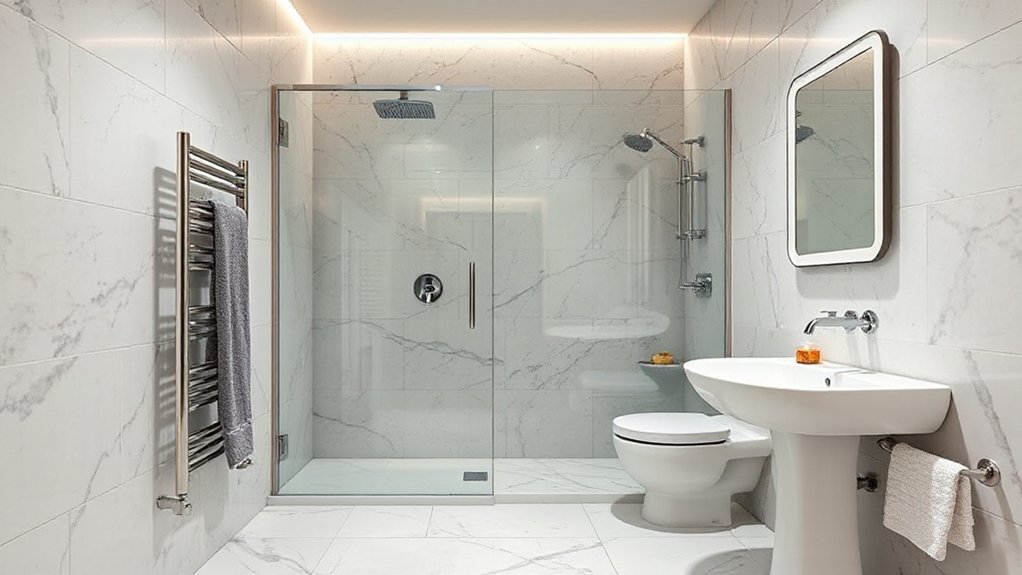
Did you know most UK bathroom renos pinch your budget more on fixtures and labor than the tile itself? You’ll want a clear ballpark before you start, since costs vary from cosmetic updates to full-scale upgrades. With budget, mid-range, and luxury tiers in play, you’ll need a plan that aligns price, quality, and timing. There’s a lot to weigh, so staying data-driven will help you avoid surprises as you progress.
What Counts as a UK Bathroom Renovation
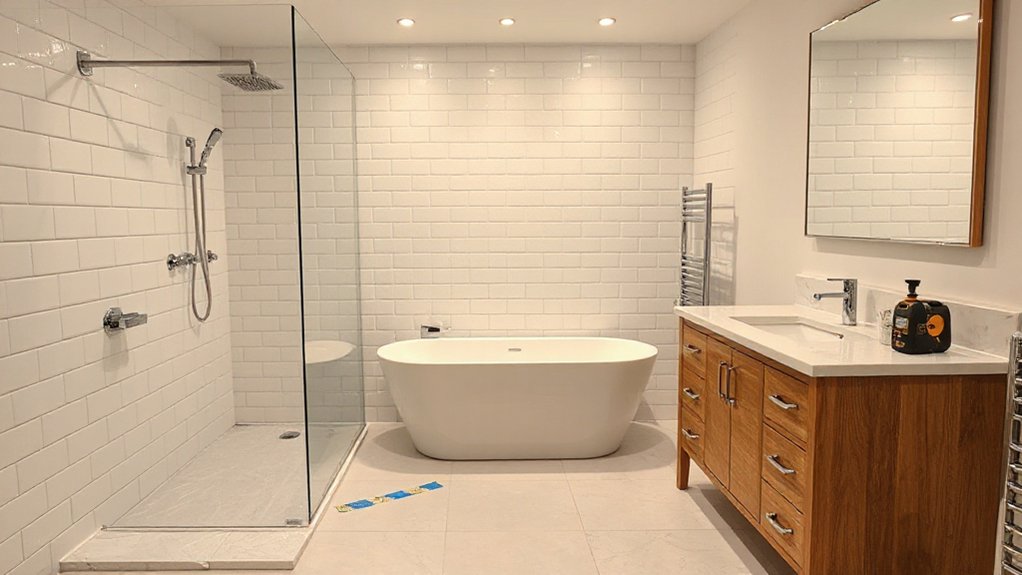
A UK bathroom renovation typically includes replacing fixtures and surfaces, updating plumbing and electricals, and upgrading storage and finishes within the same room.
You’ll assess scope by room size, preferred finishes, and fixture brands, then map costs to line items. Core elements are tiling, waterproofing, and fixture installation, with ventilation and moisture control driving long‑term reliability.
Bathroom ventilation is essential for reducing humidity, preventing mold, and protecting walls and ceilings; include a measured extractor unit with ducting and high‑access clearance.
Waterproofing essentials cover tanking, primers, membranes, and sealants, particularly around showers and baths.
Budget decisions hinge on material grades, labor rates, and timeframes; plan for contingencies of 10–20%.
Document expected outputs, warranties, and maintenance intervals to sustain value and occupancy comfort.
UK Bathroom Renovation Cost: The Ballpark Ranges
You’ll see ballpark ranges reflect material cost variability, so budgeting should include a 10–20% cushion for switches in finishes or brands.
Labor and timing matter too, since hourly rates, project length, and trades scheduling can swing totals by a similar margin.
Regional price differences further tweak the bottom line, so identify your area and compare multiple quotes to lock in a reliable budget range.
Material Cost Variability
Material costs vary widely in UK bathrooms. You’ll see clear gaps between economy and premium ranges, driven by material durability and supplier reputation.
Baseline fixtures—ceramic tiles, solid-surface countertops, brass fittings—tend to hold steady, but premium finishes spike cost per square metre by 20–60%. In practice, expect budget-conscious choices to run around £20–£40 per sq m for tiles, with coatings and grouts adding 10–25% on installation.
Mid-tier options sit near £40–£80, while high-end porcelain, natural stone, and designer brass push above £100 per sq m, plus edge-case delivery charges.
Material durability informs long-term value: tougher surfaces cut replacement needs, lowering lifecycle costs. Supplier reputation matters too: reputable firms typically reflect higher upfront prices but reduce risk and after-sales headaches.
Plan contingencies accordingly.
Labor and Timing
How much will labor and timing impact your UK bathroom project, and when do costs spiral? Labor costs typically comprise 40–60% of a midrange renovation. Variations come from tradesperson availability, project scope, and lead times for fittings.
Expect a steady rate for skilled work, with daytime hours costing less than weekend or overtime slots. Timing matters: longer build windows increase exposure to price shifts for materials and subcontractors.
Budget for plumbing upgrades and fixture installation with contingency for redesigns; delays can push total beyond initial estimates. Bathroom accessories installation adds incremental days and labor.
Schedule phased work where possible to manage cash flow. Track labor days, hourly rates, and progression milestones to keep the project aligned with the budget.
Regional Price Differences
- Visualize a regional spread: different quotes for the same scope, from tile to plumbing fixtures, with tighter margins in cheaper areas.
- Compare total costs by recomputing major line items, like tile thickness and fixture finishes, to see where regional premiums land.
- Build a contingency buffer aligned with your regional price signals and schedule risk.
Budget for Fixtures and Fittings by Price Tier
When budgeting fixtures and fittings, your key choice is price tier, which directly drives upfront costs and long-term value. In the UK market, expect clear lines by tier: budget, mid-range, and premium.
Budget fixtures typically cost 100–300 GBP per item, while mid-range runs 300–700 GBP, and premium exceeds 700 GBP per piece. Aggregate costs depend on bathroom fixtures you select and the number of fittings needed.
Budget tiers emphasize basic durability and standard finishes, whereas mid-range offers better materials and finishes with reliable warranties. Premium tiers deliver designer fittings and advanced features, but require higher upfront investment.
Track total costs by itemized counts, compare brands, and weigh maintenance costs. Fitting styles influence price variance; choose cohesive bathroom fixtures and styles to optimize value.
Labour Costs by Region: What to Expect

Labour costs for a UK bathroom renovation vary by region, with notable gaps between the north and south and between urban centers and rural areas. You’ll see regional differentials driven by wage norms, demand, and contractor density, not just hourly rates.
Expect higher labour in Greater London and the Southeast, with savings in the Midlands and parts of the Northwest, all else equal. Planning teams should map regional supply to project scope, timing, and permit windows.
- Tight schedules in cities elevate daily rates and overtime.
- Rural projects incur travel and setup costs that compress margins.
- Local plumbing regulations influence labour mix and inspection frequency, especially for bathroom accessories and fittings.
Documented regional variance helps budget accuracy and compliance with Plumbing regulations.
Styles by Budget: Cosmetic, Mid-Range, and Luxury
Cosmetic budgets typically cap at a modest up-front cost, guiding choices like affordable tiles and pre-fabricated vanities that still refresh the space.
Mid-range upgrades open more options for durable surfaces and mid-tier fixtures, delivering noticeable impact without breaking the bank.
For luxury fixtures, you’ll see higher price-per-piece but clearer signaling of long-term durability and design accents, aligning spend with premium aesthetics and resale value.
Cosmetic Budget Range
For a cosmetic bathroom refresh, budgeting should align with three clear styles: Cosmetic, Mid-Range, and Luxury. In this Cosmetic budget, you focus on high-impact visuals without major structural changes, prioritizing affordable upgrades that still move the needle.
Key cost drivers are Bathroom lighting and Plumbing fixtures chosen for look over complexity, with emphasis on quick installs and stock finishes. Expect modest material selections, reversible updates, and minimal labor hours to stay near the lower end of the spectrum.
You’ll often see DIY-prep, surface replacements, and streamlined accessory updates delivering a refreshed feel at lower risk.
- Install simple, energy-efficient lighting fixtures for ambient and task zones
- Swap out dated faucets and showerheads with cohesive, budget-friendly options
- Refresh vanity hardware and mirrors to unify the space
Mid-Range Upgrades
Expect higher-grade bathroom tiles that resist staining and moisture, and plumbing fixtures offering efficient flow and reliability without oversized price tags. Budget allocation typically shifts toward installation quality, ensuring precise fit and fewer callbacks.
Materials should meet standard UK bathroom certifications, with measured options for grout, sealants, and compatibility across brands. Time saved during installation translates to lower labor costs per square metre.
Use market data to compare cost-per-metre for mid-range finishes, then corroborate with supplier quotes for tiles and fixtures. Plan contingencies for underlayment, ventilation, and access panels to avoid overruns.
Luxury Fixtures Choices
When selecting luxury fixtures, you’ll weigh premium materials, advanced features, and long-term warranties against the up-front cost to maximize value over time. You’ll see price tiers align with build quality, water efficiency, and installation complexity, guiding budgeting decisions for cosmetic upgrades vs. durable gains.
This is where data-driven choices matter: expect higher upfront but lower maintenance and utility bills over a 10–15 year horizon. Emphasize sustainability with eco friendly fixtures, and compare total cost of ownership rather than sticker price alone. Plan around consistent aesthetics and reliable performance.
- Premium finishes and smart controls that reduce usage and extend lifespan
- Integrated bathroom accessories that streamline maintenance
- Eco conscious materials and water-saving specs for long-term value
Hidden Costs Homeowners Often Miss
Hidden costs often catch homeowners off guard, and they can add 10–20% to the project budget if unaccounted for. In this section, you’ll quantify common hidden items and their impact on overall cost.
Material waste, delivery delays, and permit fees consistently push totals higher than initial estimates. Unexpected plumbing and wiring adjustments drive early expenditures, while minor fixes after demolition can escalate labor time.
Budget buffers should reflect project scope, finish level, and trade coordination complexities. When you forecast, include contingency of at least 10% for unforeseen issues.
Track changes in real-time to avoid drift. Budget-aware decisions about bathroom accessories and plumbing fixtures reduce overruns by aligning specifications with installed space, water pressure, and reuse goals.
Document revisions, then reallocate savings toward essential upgrades.
Regional Comparison: Wandsworth vs Warrington

Wandsworth shows a higher cost variance due to local demand and premium supply, while Warrington often benefits from lower trade rates and competitive scheduling.
You’ll see regional labor differences affect total project time and budget, with Wandsworth tending to lean above Warrington on both materials and labor pricing.
Use these contrasts to anchor your cost estimates and identify where savings opportunities live in each market.
Wandsworth Cost Variance
Wandsworth’s renovation costs differ markedly from Warrington’s, reflecting higher labor fees, material premiums, and stricter permitting processes in inner London districts. You’ll see a notable premium on mid-range fittings, labor time, and compliance tasks, pushing total spends upward even before finishes. To stay within budget, model scenarios by focusing on essential items and efficient layouts.
- Higher daily rates for qualified tradespeople, increasing installation timelines
- Premiums on materials due to supply constraints and local demand
- Stricter permit checks that add planning time and potential rework
When evaluating bathroom lighting and ventilation systems, weigh core efficiency against upfront cost, prioritizing LEDs, smart controls, and quiet, code-compliant fans.
This variance suggests a tighter margin for error in Wandsworth, so secure detailed quotes and track changes meticulously.
Warrington Trade Rates
In Warrington, trade rates sit remarkably lower than inner-London benchmarks, which helps offset some regional cost pressures identified in Wandsworth. You’ll find material and labor charges cluster around a tighter band, supporting a leaner overall renovation budget.
For bathroom fitters, expect lower daily rates and fewer surcharge spikes than you’d see in central zones, though regional supplier margins still apply. When planning, benchmark tradesmen against average Warrington project data to avoid overestimating.
Budget guidance should reflect a modest difference between standard and premium packages, with concrete allowances for ventilation accessories and tiling scope. Consider Bathroom ventilation as a discrete line item to prevent cost creep.
Evaluate tiling options early, balancing ceramic vs. porcelain costs with transit and waste handling practicalities.
Regional Labor Differences
Regional labor costs show a noticeable gap between Wandsworth and Warrington, with Warrington typically delivering lower daily rates and fewer surcharge spikes. You’ll see tighter margins when planning bathroom renovations, so factor in location-based variances for trades.
In practice, Warrington’s rates translate to smaller bid deltas for tasks like bathroom ventilation and tile selection, while Wandsworth can demand premium for proximity to suppliers. Use regional data to calibrate your budget, avoiding overestimates from urban premiums.
Align schedules to reduce overtime and travel fees, and think in total project days, not hourly glimpses.
- Lower daily rates in Warrington without inflated travel surcharges
- Wandsworth premiums impact overall labor spend
- Tile selection choices influence scheduling and cost efficiency
Quick Refresh vs Full Gut: Price Breakouts
When you compare a quick refresh to a full gut, the price breakout hinges on scope: materials, labor, and ancillary costs. You’ll see materials drive variance—tiles, fixtures, and finishes range from budget to premium, while labor compounds with complexity.
A quick refresh minimizes demolition, allows simpler plumbing tweaks, and reduces disposal fees, yielding lower total costs.
In a full gut, expect higher sums for underpinning inspections, rewiring, plumbing relocations, and structural work; these items often trigger permit and contingency charges.
Ancillary costs—site protection, waste removal, and temporary facilities—scale with project duration.
Track line items by task and document unit-costs for comparison.
For budgeting, separate bathroom aesthetics from function-only spend, and plan eco-friendly upgrades where feasible to maximize value without overrun.
Simple Budget Template to Estimate Your Project
A simple budget template keeps your bathroom project controllable by translating scope into line-item costs you can verify with receipts and bids. You’ll map tasks to measurable units, assign unit costs, and total a baseline budget you can monitor against as work progresses.
Use a defensible contingency to absorb small price variations without derailing the plan. Track bathroom lighting and shower installation as distinct line items to prevent misallocation and keep stakeholders aligned.
Reconcile variances weekly and update the forecast based on actual quotes and change orders.
- A clean, itemized ledger that mirrors your project phases
- Visual snapshots of cost trends tied to supplier bids
- A concise contingency and change-order protocol for quick decisions
Smart Saving Strategies Without Sacrificing Quality

Smart saving strategies in bathroom renovations focus on maximizing value without compromising quality. You’ll prioritize items with proven durability and low life-cycle costs, using data to guide decisions.
Start with a cost-per-year approach: compare initial price, maintenance, and replacement intervals for fixtures. Choose Eco friendly fixtures that meet performance standards but reduce water and energy use, slimming long-term bills.
Leverage Smart technology to automate lighting, heating, and ventilation, curbing waste while preserving comfort.
Plan for standardized sizes and modular components to minimize customization expenses and supplier delays.
Use mid-range materials with strong warranties rather than premium, where performance is comparable.
Track total project cost with a simple spreadsheet, updating estimates as quotes come in, ensuring you stay within budget while achieving durable, code-compliant results.
How to Vet and Hire Reliable Tradespeople
Vetting reliable tradespeople starts with a clear, data-driven plan: verify credentials, check recent projects, and compare quotes side by side. You’ll protect quality and budget by grounding decisions in objective evidence, not vibes.
Prioritize installers with documented Bathroom tiles experience and confirmed plumbing fixtures knowledge, plus verifiable insurance and warranties. Cross-check reviews, request a portfolio, and verify tradespeople’ licenses where applicable.
Create a short, quantified scope to avoid scope creep and guarantee consistency across bids.
- Clear milestones and payment triggers aligned with project progress
- Side-by-side comparison of recent bathroom tile and plumbing fixture projects
- Transparent, itemized bids with unit costs and material specs
Documented processes reduce risk, speed up decisions, and keep your renovation on budget.
Financing Options and Payment Timing in the UK
Are financing options in the UK truly aligned with your renovation timeline and budget? In practice, you’ll want a mix of upfront savings, short-term credit, and staged payments tied to milestones.
Data shows average bathroom projects often overrun by 7–15% without a formal payment plan, so lock in a schedule before work starts.
Use a cost tier approach: core remodeling, plumbing maintenance, and finish fixtures.
Compare interest rates, repayment terms, and any drawdown fees from lenders or supplier finance.
Favor transparent contracts that specify payment triggers after material deliveries and milestone inspections.
Consider budget buffers for bathroom accessories and essential fittings.
Maintain documentation for all warranties and service notes.
A disciplined payment cadence minimizes cash flow stress and supports timely project completion.
Timeline Expectations and Cost Implications

Timeline expectations for a UK bathroom renovation hinge on aligning schedule with budget. You’ll see that project duration directly impacts total cost, materials, and labor rates. Early planning reduces change orders and keeps contingencies tight, boosting predictability.
- Eco friendly upgrades often require sourcing specific materials, influencing both lead times and upfront spend.
- Portable solutions can shorten disruption, but may add temporary rental or conversion costs that affect overall feasibility.
- Clear milestones and a fixed price for trades minimize overruns, helping you track spend against progress.
To manage implications, lock in a budget baseline, quantify contingency (typically 10–15%), and document scope changes promptly. You’ll benefit from data-driven decisions that balance quality with cost control, delivering a durable, efficient result within your planned timeline.
Frequently Asked Questions
How Long Does a Typical Bathroom Renovation Take Start to Finish?
A typical bathroom renovation takes about 2–3 weeks, depending on scope and scheduling. You’ll need to budget for delays and permits. Consider bathroom lighting and tiling options early to stay on track and control costs.
What Permits or Approvals Do I Need for a UK Bathroom Remodel?
First, you’ll need to check local planning rules and building regulations for safety; most bathroom remodels require building control sign-off, not planning permission. Budget around approvals, because bathroom flooring and plumbing regulations drive compliance costs.
How Should I Prioritize Renovations for Resale Value?
Prioritize renovations that boost resale value by focusing on durable fixtures and appealing design trends. Start with efficient layouts, then material selection that lasts. Track costs, compare options, and allocate budget to high-ROI upgrades that still reflect current design trends.
Are Eco-Friendly Fixtures Worth the Higher Upfront Cost?
Eco friendly fixtures pay off down the line, you’ll notice lower utility bills and resale appeal; upfront costs are higher, but durable quality and water savings justify the investment, so budget accordingly with clear ROI projections.
What Maintenance Costs Should I Expect Post-Renovation?
Your post-renovation maintenance costs mainly include bathroom lighting upkeep and waterproofing essentials checks, with annual budgets around lighting replacements and sealant renewals; expect modest zero-delta costs if fixtures are chosen for durability and proper waterproofing installations.
Conclusion
You’re piecing together a budget like a mosaic: every tile—fixtures, labor, and timing—shapes the final picture. With typical UK costs (£3k–£8k), you’ll anchor your plan to a ballpark, then refine by price tier and region. Track every line item, compare quotes, and weigh smart-save moves that don’t skimp on quality. When you hire, vet trades like you’re auditing a ledger. Finally, lock in financing and timing early to keep the renovation marching to a steady, affordable beat.