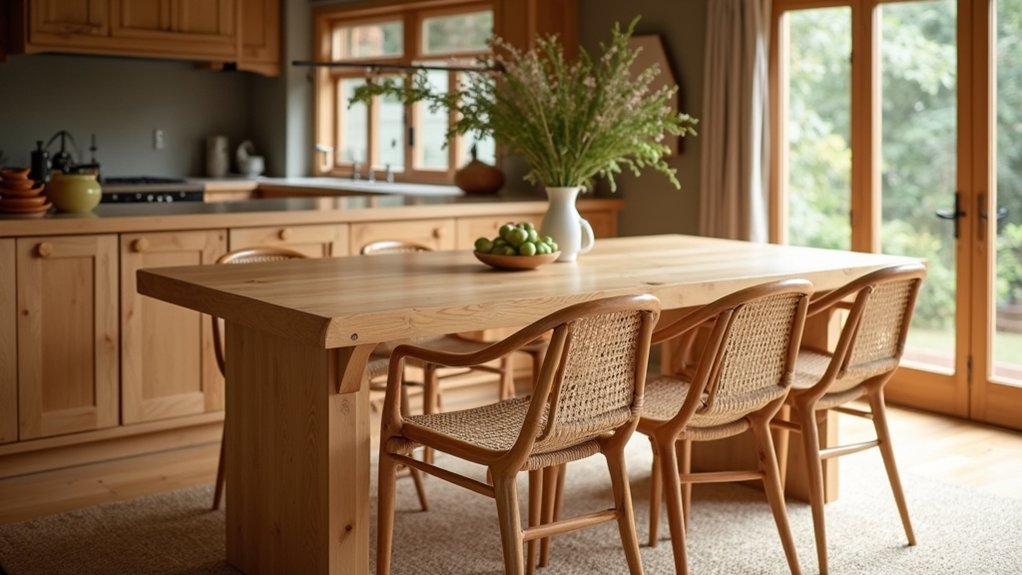
Did you know that wood finishes can add up to a 20% feel of warmth to a space? You’ll want something that ages gracefully, not just looks good on day one. You’ll explore natural options—beeswax, oils, wax-oil blends, and low-VOC varnishes—that enhance grain and texture while keeping a breathable, tactile glow. The payoff isn’t just beauty; it’s lasting character that invites closer, thoughtful care—and it points you toward a timeless approach that rewards your attention.
Why Natural Wood Finishes Create Warm Interiors
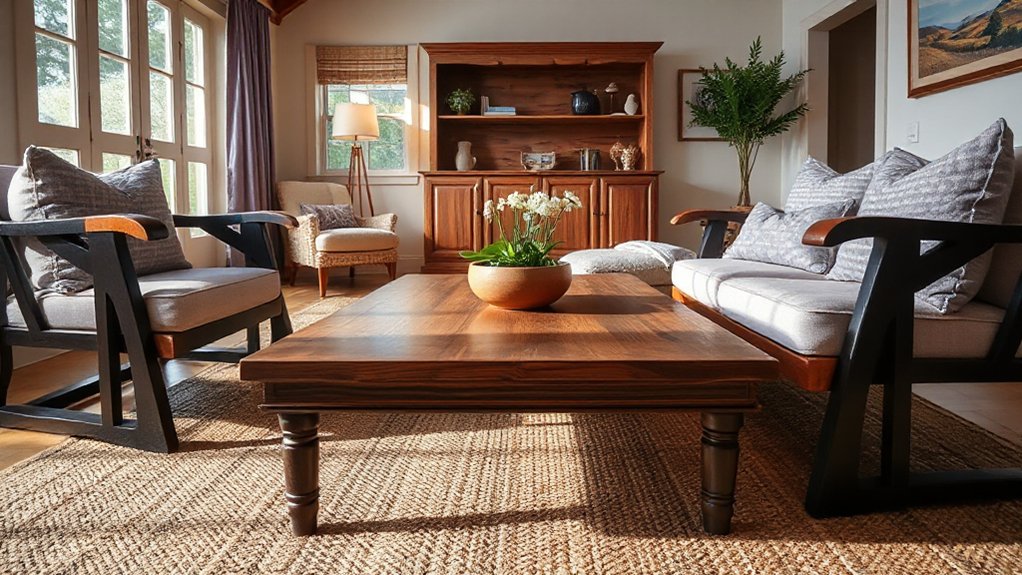
Natural wood finishes feel warm because the material itself carries soft, organic tones and a tactile depth that artificial coatings struggle to match. You’ll notice how subtle grain variation and natural texture translate into spaces that feel inhabited rather than manufactured.
When you choose natural finishes, you uphold the integrity of the wood’s character, avoiding overly glossy surfaces that detach from the room’s cadence. Eco friendly options exist without sacrificing performance; you gain durability, ease of maintenance, and a refined aesthetic.
Sustainable sourcing ensures you’re supporting responsible forests and ethical practices, which enhances long-term value. By prioritizing these finishes, you shape interiors that age gracefully, pair impeccably with tonal fabrics, and maintain a quiet, enduring warmth.
Your selection, grounded in restraint, elevates timeless appeal.
Beeswax, Oil, and Wax-Oil Blends: The Hand-Rubbed Appeal
You’ll feel the hand-rubbed warmth as you apply beeswax, oil, or a wax-oil blend, building a subtle luster that enhances grain without masking it.
The beeswax finish delivers durable, touch-friendly protection, while oil adds depth and ease of maintenance; together they offer a balanced, natural patina.
If you’re choosing an oil-wax hybrid, you gain easier reconditioning and a refined, low-sheen glow that ages gracefully.
Hand-Rubbed Warmth
Hand-rubbed finishes, including beeswax, oil, and wax-oil blends, deliver a tactile warmth that deepens wood’s character with a subtle, satin sheen. You’ll notice texture contrast emerge as raised grain and smooth planes meet, inviting touch and revealing the wood’s natural complexity.
The hand-rubbed approach preserves pore structure, allowing light to skim surfaces and highlight nuanced grain lines. You control depth with the number of rubs and the chosen reservoir of oil or wax, achieving a refined glow rather than a glossy veneer.
Color harmony unfolds softly through gradual saturation, evoking age and patina without masking individuality. This method favors maintenance that respects the material’s breath and aging process, ensuring enduring warmth, resonance, and a timeless, handcrafted impression.
Beeswax Finish Benefits
Beeswax finishes, along with oil and wax-oil blends, deliver the tactile warmth of a hand-rubbed surface while enhancing wood’s natural character. You’ll appreciate how beeswax creates a soft, durable film that resists moisture and minimizes finger-mark visibility, without occluding grain.
When you apply in thin, even coats, the finish bonds with pores, allowing subtle depth and a satin to low-luster sheen that ages gracefully. You can tailor tone and warmth through complementary botanical extracts, enriching hue with restrained vibrancy.
For color nuance, consider Organic dyes used sparingly within compatible wax bases; they offer precise, stable tinting without overpowering grain. Maintenance remains straightforward: reapply periodically, wipe clean, and avoid harsh cleaners that strip the sheen.
This approach preserves authenticity while delivering refined, timeless appeal.
Oil-Wax Hybrid Pros
Oil-wax hybrids unite the best of both worlds, delivering the warmth and depth of wax with the penetrating protection of oil. You’ll enjoy a hand-rubbed finish that glides over the grain, enhancing natural character while resisting moisture and grime.
Beeswax provides a soft, satin glow and a forgiving surface, whereas plant oils penetrate for durable protection without a plastic feel. Wax-oil blends balance these effects, increasing durability with a subtle sheen.
Application remains tactile and controllable, allowing you to build depth in stages. Choose a natural stain sparingly to preserve contrast and avoid masking grain.
For eco conscious interiors, these finishes offer an eco friendly sealants option, minimizing fumes and environmental impact without sacrificing performance. With proper maintenance, your wood reads timelessly warm and refined.
Water-Based, Low-VOC Varnishes: Modern Confidence With Patina
You’ll appreciate how low-VOC formulations reduce fumes without sacrificing performance.
With water-based clarity, the finish enhances grain while staying true to its natural color, easier to maintain than traditional solvents.
Over time, you’ll gain a subtle patina that deepens character, reinforcing a refined, timeless look.
Low-VOC Benefits
Low-VOC water-based varnishes offer modern confidence with a genuine patina. You’ll notice minimal odor and quicker cure times, which means a smoother workflow and fewer disruptions to your space.
These finishes deliver durable protection without compromising the wood’s natural warmth, enhancing grain with a refined, transparent layer. You’ll appreciate consistent film formation, reduced ambering, and easy touch-ups that preserve the long-term character of your piece.
From a practical standpoint, low-VOC formulations support safer environments during application, drying, and occupancy. Embrace eco friendly practices and sustainable sourcing when selecting products, knowing that responsible manufacturers often pair low odor with traceable inputs.
Water-Based Clarity
Water-based varnishes deliver clear, honest patina without sacrificing protection. You’ll notice natural transparency that preserves the wood’s grain without yellows or amber shifts, keeping the finish legible and true to the species.
This clarity isn’t mere aesthetics; it supports durable, even color development as you age pieces in warm interiors. You’ll appreciate water-based durability that resists heat, scratches, and moisture, while remaining forgiving during application and recoating.
Drying times are practical, letting you complete projects with minimal downtime. With low VOCs, these finishes honor indoor air quality without compromising performance.
For modern confidence with patina, choose formulations that favor thin, uniform films and reversible recoat windows. Your finished surfaces stay honest, refined, and resilient, inviting touch and longevity.
Patina Over Time
Patina evolves gracefully with time when you choose water-based, low-VOC varnishes, delivering modern confidence without sacrificing character. As you watch the finish mature, your wood gains depth without yellowing, preserving true color and grain.
This path supports a controlled patina evolution, where surface luster softens evenly and resilience remains high. You’ll notice subtle shifts: warmer undertones, refined sheen, and a tactile patina that invites touch.
Because these varnishes build thin, durable layers, you retain clarity while the wood breathes, reinforcing longevity. Vintage charm emerges through differential aging on species and grain patterns, not from artificial contrast.
In practice, you balance protection with authenticity, selecting formulations that respect natural aging. The result is timeless warmth that ages with grace, matching your refined interior without compromising sightlines.
Choosing Wood Species That Balance Tone and Texture

Choosing the right wood species is a balance between tone and texture, so you can achieve warmth without sacrificing depth or character. You select woods that harmonize visual mood with tactile nuance, ensuring room personality reads as intentional rather than arbitrary.
- Rustic textures that invite touch and memory
- Subtle grain patterns for timeless calm
- Rich, even tones to anchor furniture and floors
- Contrast-friendly options for architectural highlights
- Sustainable sourcing that aligns beauty with responsibility
Together, these choices create spaces that feel polished yet alive, where light plays across surfaces and depth remains visible. Prioritize species with steady color development, resilient finishes, and compatible Janka hardness. Your aim is cohesion: warmth, character, and longevity that endure beyond trends.
Finishing Steps for a Soft, Timeless Sheen
To achieve a soft, timeless sheen, start with a clean, well-prepped surface and select a finish that enhances natural warmth without creating glare. You’ll apply thin, even coats, allowing proper drying between steps, to prevent lap marks and uneven buildup.
Light, slow passes with quality brushes or a microfiber pad ensure a refined, uniform appearance. Between coats, sand lightly with fine grit to reveal a smooth foundation that resists wear.
Choose a finish with low odor and durable UV resistance to minimize aging signals over time. Emphasize sustainable sourcing by selecting finishes produced with responsibly sourced materials and recycled packaging.
Consider eco-friendly dyes for any tint, preserving the wood’s character while avoiding harsh additives. Final buffing delivers a subtle, durable luster without artificial gloss.
Color and Grain: Preserving Natural Beauty Without Yellowing
Color and grain sit at the heart of natural wood finishes, and preserving their integrity means choosing formulations that resist yellowing while letting the wood’s character breathe. You’ll want finishes that minimize amber shifts, preserving true hue and texture. Consider how texture contrast plays with light; a satin surface may reveal more grain depth without gloss glare, while a matte finish preserves warmth.
Evaluate stain options that respect the wood’s inherent color, ensuring the pigment doesn’t mask personality. Prioritize UV resistance and low odor for healthier interiors. Seek formulations engineered for aging gracefully, not masking natural beauty.
- Texture contrast enhances visual depth without sacrificing clarity
- Subtle stain options preserve authentic timber tones
- Low-UV, non-yellowing protection extends life
- Breathable films allow movement and character
- Refined, durable sheens for timeless sophistication
Maintenance Hacks for Low-Fuss, Long-Lasting Finishes

Maintenance hacks keep your natural finishes looking fresh with minimal effort. To preserve depth and resilience, choose surface care that respects the wood’s character.
Dust regularly with a soft, microfiber cloth to prevent abrasive buildup, and wipe spills promptly with a barely damp cloth to avoid stain penetration.
When refinishing, opt for low-odor, water-based products that reveal grain rather than mask it, ensuring long-lasting luster.
Favor sustainable sourcing for materials, and look for finishes that support eco-friendly dyes to minimize environmental impact.
Maintain a stable indoor climate; avoid extreme humidity swings that cause contraction or expansion.
Cleaners should be mild and pH-neutral, avoiding waxes on porous veneers.
Routine care, paired with thoughtful product selection, yields durable beauty without frequent intervention.
Room-by-Room Finish Pairings for Timeless Style
Room-by-room finishes shape a timeless interior by pairing the right wood tone and sheen with each function and rhythm of the space. In living areas, favor medium oak with a matte lacquer to invite conversation and comfort, while dining rooms benefit from a deeper walnut matched with a low-sheen satin for understated elegance.
Kitchens gain resilience through durable finishes on lighter maple, paired with eco-friendly practices that emphasize sustainability. Bedrooms thrive with warm chestnut, balanced by softer sheens to promote calm.
Bathrooms respond to moisture with sealed birch in a pearlized gloss, resisting wear.
- Sustainable sourcing informs every choice, from forest to finish
- Subtle contrast enhances flow without shouting
- Low-odor formulas preserve air quality
- Reclaimed or responsibly harvested materials
- Timeless tones resist trends while aging gracefully
Troubleshooting Common Finish Challenges
When you encounter finish cracks, warping, or peeling, precision assessment is your first step—identify cause, extent, and whether humidity, temperature, or substrate issues are at play.
Then apply targeted remedies, from brad-point sanding and touch-up staining to appropriate seals or refinishes, matching your natural wood finish with care.
We’ll explore practical, proven approaches to restore beauty while preserving tone and durability.
Tackling Finish Cracks
Cracks in finish are signals, not failures—small shifts in temperature, humidity, or surface preparation can cause a finish to separate. You’ll address them with measured steps, not panic, using precise repair techniques that respect the wood’s character and the finish’s integrity.
- Inspect the crack depth and surrounding texture to determine the method
- Clean with a gentle solvent and dry thoroughly before repairing
- If shallow, dab in matching filler and feather edges smoothly
- For deeper cracks, consider a compatible glaze or very light recoat
- Final cure requires controlled environment to prevent new cracking
Warping and Peeling Solutions
Warping and peeling aren’t random defects but signals of moisture imbalance, substrate issues, or incompatible finishes. Addressing them begins with pinpointing cause and selecting a compatible repair plan.
You start by evaluating environmental conditions, then confirm substrate stability before proceeding. If warping appears, you may need to acclimate or re-flatten the piece, ensuring consistent wood grain expansion.
For peeling, remove loose coating cleanly, then sand to a compatible profile that preserves a soft sheen. Refinish with a compatible system—consider a natural oil or wax, or a UV-stable polyurethane that aligns with your wood’s natural character.
Maintain ventilation and temperature during cure, and test adhesion on a spare area first. Choose finishes that respect wood grain, delivering enduring depth without adding glare or distortion.
How to Assess Finishes Before You Buy: A Simple Framework
To assess finishes before you buy, start with a clear framework: define your priorities, examine material and application details, and verify performance claims with hands-on checks. You’ll compare finish durability and environmental impact alongside aesthetics, mood, and cost, then test on a sample panel for feel and sheen.
Ask about cure time, recoat windows, and cleanup, and assess application method: brush, wipe, or spray. Look for test results, warranty coverage, and real-world user notes. Finally, verify compatibility with your wood species and existing finishes.
- Clarity of performance claims over marketing gloss
- Tangible tests that reveal wear, staining, and UV fade
- Realistic environmental impact data you can verify
- Long-term maintenance expectations
- Confidence in a finish that respects taste and budget
Frequently Asked Questions
How Durable Are Natural Oil Finishes on High-Traffic Surfaces?
Natural oil finishes on high-traffic surfaces are moderately durable, but you’ll want top-tier protection. You’ll improve longevity with eco friendly sealants and UV protection coatings applied over the oil, then reapply as needed.
These layers resist wear, help prevent color fading, and simplify maintenance. Remember to keep the surface clean and evenly sanded before re-coating.
With proper protection, you’ll enjoy a refined, natural look that remains resilient in busy spaces.
Do Beeswax Finishes Offer Scratch Resistance?
Beeswax finishes offer limited scratch resistance. You’ll notice a soft, satin beeswax sheen that’s attractive, but it’s primarily surface protection, not a hard barrier.
For high-traffic surfaces, you’ll want durable topcoats or frequent reapplication. Keep in mind you’ll need regular maintenance to maintain surface protection and prevent wear.
If you choose this, you’ll enjoy a warm, refined look with a natural beeswax sheen that ages gracefully.
Can Natural Finishes Be Repaired Without Sanding?
Yes, you can repair natural finishes without sanding. Lightly clean the surface, then apply a matching maintenance oil or wax, working with the wood grain to renew color and sheen.
If you notice minor scratches, buff with a soft cloth to restore finish sheen, then re-wax for protection.
For deeper nicks, use a compatible touch-up pen, blending along the grain.
Regular maintenance sustains depth, clarity, and authentic wood grain character.
Are There Safe, Non-Toxic Options for Kids’ Rooms?
Yes, there are safe, non-toxic options for kids’ rooms. You’ll want eco friendly sealing and child safe dyes that meet low-VOC standards and are odor-friendly. You can trust water-based finishes, plus non-toxic primers and sealers, applied with care.
Think refined, durable coats that resist fingerprints and wear.
Anachronism: “You’ll trade your oak scrolls for a modern roller.”
You’ll guarantee proper ventilation, curing times, and recheck labels to keep play spaces bright and healthy.
How Do I Test Color Stability Before Application?
You test color stability by applying a small sample to a hidden area, then exposing it to light, heat, and moisture for a week. Observe any color fade and tack a note on improvement needs.
Use a UV-rated finish and document every change. Rotate samples to different angles, recheck after cure.
This method helps you gauge finish longevity before full application, ensuring reliable, refined results.
Conclusion
In the workshop of life, your finish is the quiet handshake between wood and light. You’re the conductor guiding grain and glow toward a timeless chorus—beeswax’s warmth, oil’s ease, the clarity of water-based varnishes. Like a seasoned steward, you select species, apply with intention, and nurture with calm maintenance. When the patina grows, it tells your story without shouting. Embrace restraint, and the room breathes with enduring elegance that ages as gracefully as you do.