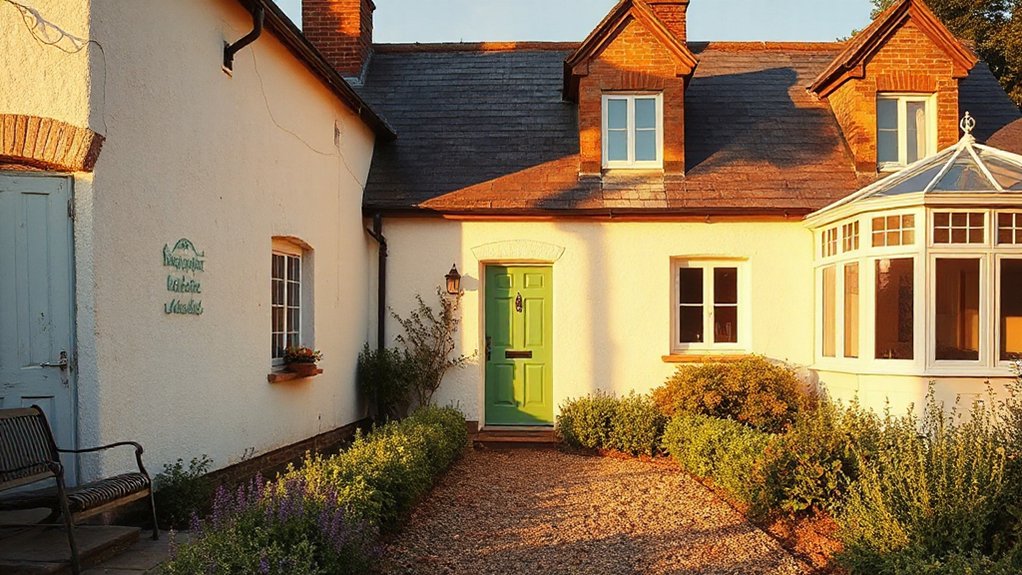
A cottage you love often feels like a memory you can walk through, and when you balance modern comforts with its quirks, that memory stays alive. You’ll define what “character” means for your place, set a clear budget and timeline, and map priorities like the kitchen and living area. Then you’ll choose timeless materials, subtle textures, and efficient but discreet upgrades that honor authenticity. The path you choose will shape how inviting and enduring the home feels, so consider each step with care as you move forward.
Define Your Cottage’s Character and Renovation Goals
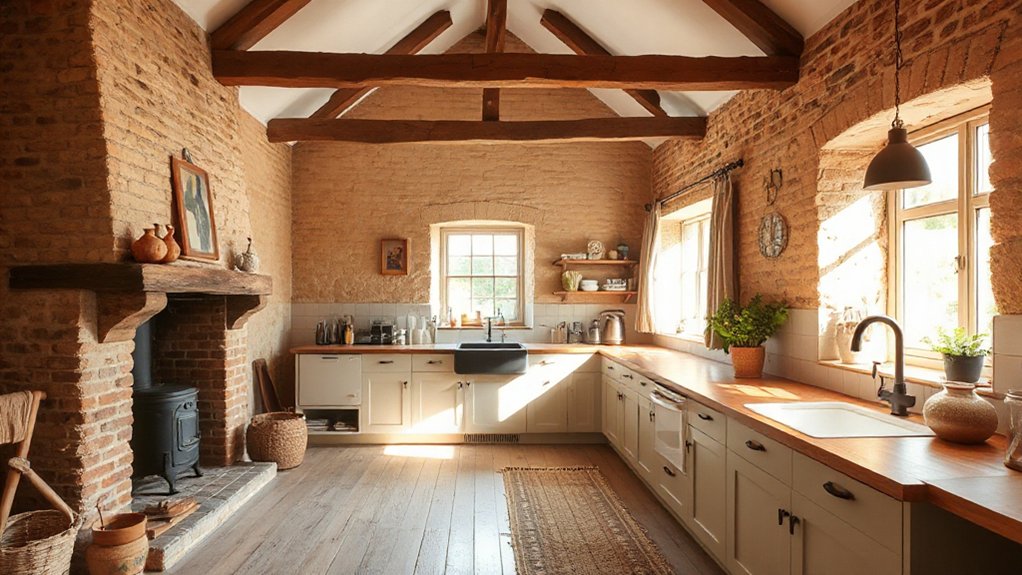
Start by clarifying what draws you to the cottage—its proportions, materials, and setting—and outline what you want to preserve as you upgrade. You define your character by its scale, roofline, timber, and the sense of place that greets you each morning.
Your renovation goals focus on balance: modern comfort without erasing memory. Priorities include preserving key masses, authentic textures, and the cadence of rooms that breathe with the landscape.
Ground decisions in historical preservation principles, and test every change against architectural authenticity. Consider how light, views, and craft techniques reinforce these aims.
Document what you’ll keep, what you’ll adapt, and what you’ll reinterpret. This clarity guides choices, fosters respect for heritage, and anchors your plan in purposeful, restrained progress.
Plan the Renovation: Budget, Timeline, and Priorities
You’ll start by mapping your budget, tying each line item to a clear priority, so you know what’s essential versus optional.
Then sketch a realistic timeline with milestones that reflect the cottage’s character and your daily life, keeping wiggle room for the inevitable surprises.
Finally, translate priorities into phases, focusing on what to tackle first, what to defer, and how to measure progress along the way.
Budget Allocation Basics
Budget allocation sets the tempo for your cottage renovation: decide what must happen first, what can wait, and how much wiggle room you have. You’ll map costs against priorities, distinguishing essentials from niceties so your budget stays grounded.
Begin with a realistic baseline—materials, labor, permits, contingencies—and set a small, disciplined reserve for surprises. Track every expenditure and adjust as realities shift, not as emotions do.
Budget pitfalls often hide in underestimating soft costs, project management time, and long-term maintenance. Seek transparent cost estimates and document changes promptly.
Consider funding sources—savings, home equity, or modest loans—and weigh interest, terms, and impact on cash flow. Keep stakeholders informed, and revisit allocations if priorities migrate, ensuring progress without compromising cottage character.
Timeline Milestones Mapping
Mapping milestones keeps your plan tangible: you’ll link budgeted amounts to real-time progress, establish clear checkpoints, and forecast realistic timelines that honor your cottage’s character.
You approach timeline milestones with calm, purposeful discipline, mapping tasks to seasons and weather, not just dates. Use a simple dashboard to track garden landscaping phases, material lead times, and permit status, so delays don’t derail momentum.
Align exterior paint windows with dry spells and scouting for subtle color shifts that preserve provenance while modernizing curb appeal. Build buffers for unexpected fixes, and review progress weekly with your team or partner.
Your method stays grounded in context—priorities adjust when landscapes change and maintenance realities arise, yet your schedule remains coherent, humane, and steadily moving toward a refreshed, enduring home.
Priorities Into Phases
To turn priorities into a practical plan, start by translating your goals into clearly defined phases that align with budget, timeline, and the cottage’s character. You’ll map what matters most first, then sequence tasks to minimize disruption and maintain flow.
Tie each phase to a budget envelope and a realistic deadline, and use this structure to test feasibility against risks, weather, and seasonality. This approach keeps exterior paint decisions grounded in long-term durability and curb appeal, while garden landscaping decisions support mood, accessibility, and scale.
Revisit priorities as costs shift, and preserve the cottage’s charm by weaving period details into practical upgrades. Clear phases reduce surprises and keep you moving with confidence.
- Define phases by priority and budget
- Attach timelines and contingencies
- Align renovations with character
- Schedule exterior updates thoughtfully
- Integrate garden landscaping considerations
Prioritize Spaces: Kitchen, Living Area, and Storage
When planning a cottage upgrade, start by prioritizing the key spaces—kitchen, living area, and storage—so every move strengthens daily flow and long-term charm. You’ll align layouts with how you live: core routines near the heart, inviting zones for quiet evenings, and clever storage that reduces clutter without crowding warmth.
In the kitchen, optimize work triangles, preserve vintage touches, and plan apron-front details that age gracefully.
In the living area, favor flexible seating and built-ins that adapt to seasons and guests.
Storage should be discreet yet ample, with mezzanines or under-stair solutions.
Consider garden landscaping and exterior paint as setting elements, not afterthoughts, so exterior decisions reinforce interior rhythm and curb appeal.
This focused approach preserves character while enabling practical updates.
Choose Timeless Lighting and Materials for a Cottage Look
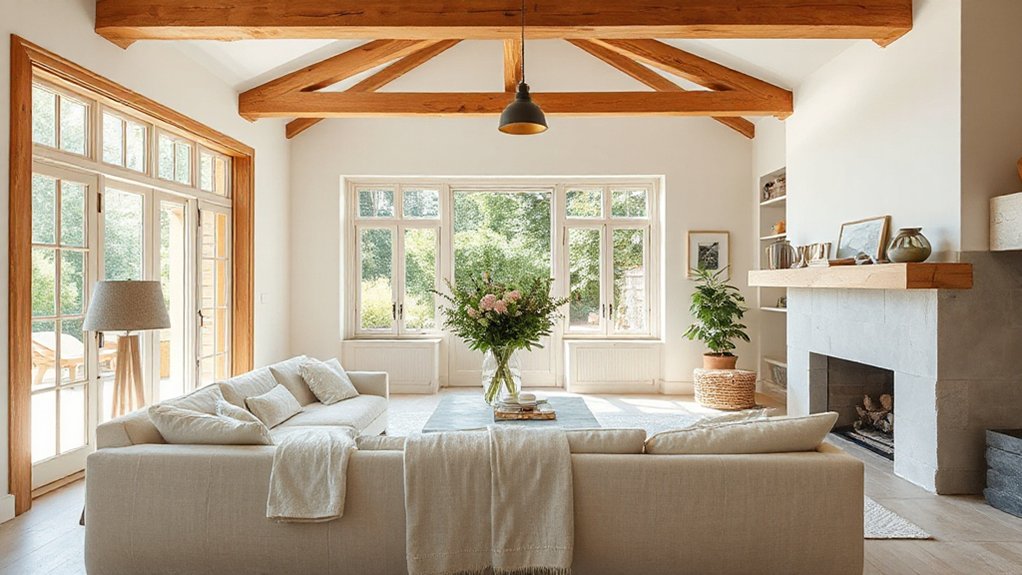
Choose timeless lighting and materials that feel calm and enduring, not faddish, so your cottage retains its warmth as styles shift. Start with classic lighting choices and a restrained material palette that complement stone, wood, and plaster.
Then add cottage-style finishing touches for personality. In this discussion, we’ll explore how these elements work together to balance function, durability, and charm.
Timeless Lighting Choices
Timeless lighting isn’t about chasing trends; it’s about choosing fixtures and finishes that endure. You’ll want warmth, scale, and ease of use to preserve the cottage’s character while supporting modern living.
Favor classic silhouettes that resist dated styles, and mix metals sparingly to avoid glare. Vintage fixtures and Edison bulbs create authentic ambiance without shouting “retro.”
Prioritize dimming options so you can shift mood from morning tasks to evening moments. Look for plug-in lamps with sturdy bases, simple shades, and efficient LEDs.
Consider daylight balance in key rooms to reduce contrast and eye strain. Finally, plan lighting zones that follow natural paths, from entry to living areas, for intuitive, comfortable navigation.
- Vintage fixtures and Edison bulbs for timeless charm
- Dimmed layering across task, ambient, and accent light
- Neutral finishes with subtle patina
- Scale-aligned fixtures to room proportions
- Simple, energy-efficient LEDs with warm color temperature
Classic Material Palettes
Embrace vintage palettes—muted greens, warm oxides, and creamy neutrals—that age gracefully and coordinate with existing finishes.
Focus on material textures: a matte plaster wall, a porous brick, a subtly grainy timber floor, and linen-lined fabrics to soften edges.
Prioritize consistency across rooms so a single palette feels embedded, not staged.
Contrast is purposeful: a dark fireplace surround against light walls, or a leather seat against a wool rug.
You’re not chasing novelty; you’re refining a cottage’s core, allowing light to reveal depth and warmth.
Cottage-Style Finishing Touches
After grounding your palette in durable, intimate materials, the next step is to curate lighting and finishes that reinforce a cottage charm without shouting novelty.
Cottage-Style Finishing Touches asks you to select fixtures and surfaces that age gracefully. Favor warm, soft lighting and simple silhouettes, with materials like brushed brass, pewter, or aged wood. Pair antique accessories with rustic color schemes to knit cohesion and character. Keep trim and millwork understated, allowing textures to tell the story.
Embrace natural fibers, cotton or linen shades, and stone or plaster walls for tactile depth. Guarantee switches, sockets, and hardware feel modestly scaled to the space, so modern convenience never dominates the mood.
- Soft brass or pewter fixtures
- Linen lampshades in warm hues
- Reclaimed wood accents
- Textured plaster or stone walls
- Subtle ceramic or glass detailing
Upgrade Heating and Insulation Without Sacrificing Charm
Upgrading heating and insulation can feel at odds with cottage charm, but you don’t need to choose one over the other. You can improve comfort and efficiency while preserving character by prioritizing energy performance in a way that respects the fabric of the house.
Start with a thorough assessment of existing walls, attic, and floors to identify real heat-loss hotspots.
Choose historic preservation-minded methods, like breathable, breathable-lack of condensation-friendly materials, that allow moisture to escape without compromising warmth.
Favor sustainable materials such as sheep’s wool or recycled cellulose for insulation, and seal leaks with discreet, reversible measures.
For heating, consider radiant or low-profile heat sources that blend with period aesthetics.
Pair upgrades with smart controls to avoid overheating, reducing drafts, and maintaining a cozy, authentic interior.
Smart Storage and Layout Tweaks for Everyday Ease
Smart storage and layout tweaks make daily life in a cottage calmer and more efficient without sacrificing character. You’ll reclaim nooks without erasing charm by thoughtful placement and purposeful pieces. Think compact, accessible options that blend with timber details and plaster walls.
Innovative shelving creates vertical pockets for books, plants, and keepsakes, while reducing floor clutter.
Multi functional furniture earns its keep, transforming seating into storage or a workspace into a pantry.
Align layouts to free traffic flow, emphasize natural light, and minimize visual noise.
Prioritize consistency in materials and finish so every tweak feels intentional, not opportunistic.
Your home remains warm, practical, and true to its story.
- Innovative shelving for vertical storage
- Multi functional furniture that hides clutter
- Sliding or foldaway desks to reclaim space
- Nook seating with integrated storage
- Clear zones to guide daily routines
Finishes That Celebrate Timber and History
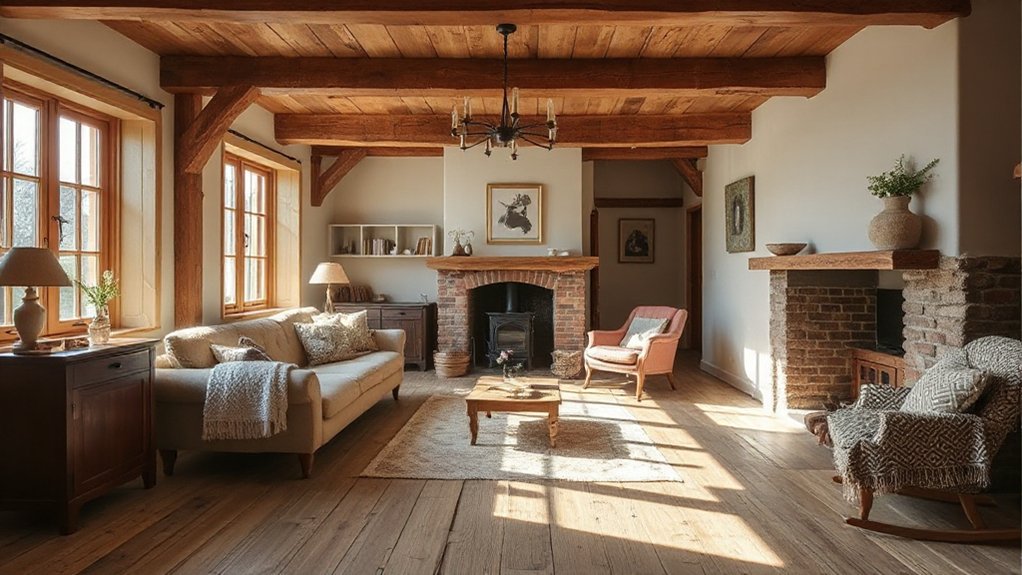
Timber isn’t just a material here; it’s the story you’re preserving. In finishes, you celebrate that narrative with restraint and respect. Choose authentic craftsmanship over trend, letting visible joints, hand-applied oils, and time-earned patina speak for the past.
Surface treatments should enhance texture without concealing grain or history, fostering a tactile connection to the room. When you select finishes, prioritize methods that age gracefully, resisting quick wear in favour of characterful wear.
Use light, warm toning to unify spaces, and allow darker accents to highlight timber’s depth. This approach supports heritage preservation while you refine modern comfort.
The aim is honesty, clarity, and warmth—materials that endure and tell the cottage’s real story.
Frequently Asked Questions
How Can I Preserve Original Structure While Adding Modern Insulation?
You can preserve the original structure by inserting insulation behind existing walls with care, using breathable materials, and sealing gaps. Consider low-profile interior lighting and exterior landscaping that complement, not overpower, the cottage’s character.
What Ethical Sourcing Options Suit a Cottage Renovation?
Sustainable materials and fair trade products offer compassionate, responsible choices you’ll feel good supporting; they balance practicality with ethics, guiding your cottage renovation toward thoughtful sourcing while preserving charm, quality, and community impact throughout every careful decision you make.
How Do I Budget for Hidden or Upgrade-Required Issues?
Start with solid Budget planning by listing every trade, potential updater, and timeframe; you’ll spot Hidden costs before they drain you. Stay sympathetic but rigorous, regularly recheck estimates, add contingency, and adjust as surprises emerge during renovation.
Can Upgrades Impact a Historic Property’s Resale Value?
Yes, upgrades can boost resale value if you emphasize historic preservation and traditional craftsmanship, authentic materials, and sympathetic layouts. You’ll appeal to buyers who value provenance, ensuring capital is protected while maintaining character and long-term market appeal.
What Low-Cost Improvements Deliver High Visual Impact?
I’m not entirely convinced, but here goes: You can transform cheaply with vintage charm and rustic updates, like repainting radiators, swapping handles, and adding warm lighting; you’ll notice high impact while keeping a cottage’s cherished, timeless feel.
Conclusion
You’ll find that a cottage isn’t a relic to bar from modern life, but a living idea to nurture. If you question the theory that “heritage means compromise,” you’ll see—smart updates can deepen character, not erode it. Stay honest about what matters: timber, patina, and daylight. Tread lightly, plan rigorously, and let simple, timeless choices guide you. In doing so, you’ll create a warm, contemporary home that quietly honors its history.