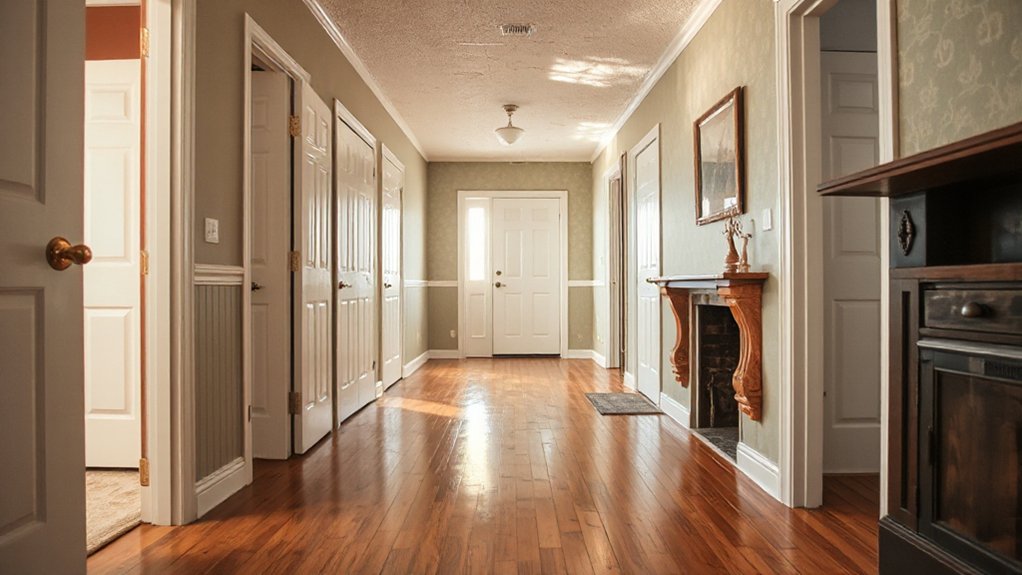
You step into a showroom of gleaming trends, but not all that glitters pays off. You’ll want to avoid niche luxury upgrades, ultra-premium finishes, or highly customized features that don’t match local buyer preferences, since they can sap value and invite ongoing maintenance. Instead, you should weigh market-tested, ROI-focused tweaks, because the wrong choice can lock you into a costly renovation cycle with uncertain resale payoff. So what practical, value-driven upgrades should you prioritize next?
Which Renovations Don’t Add Resale Value (ROI Focus)
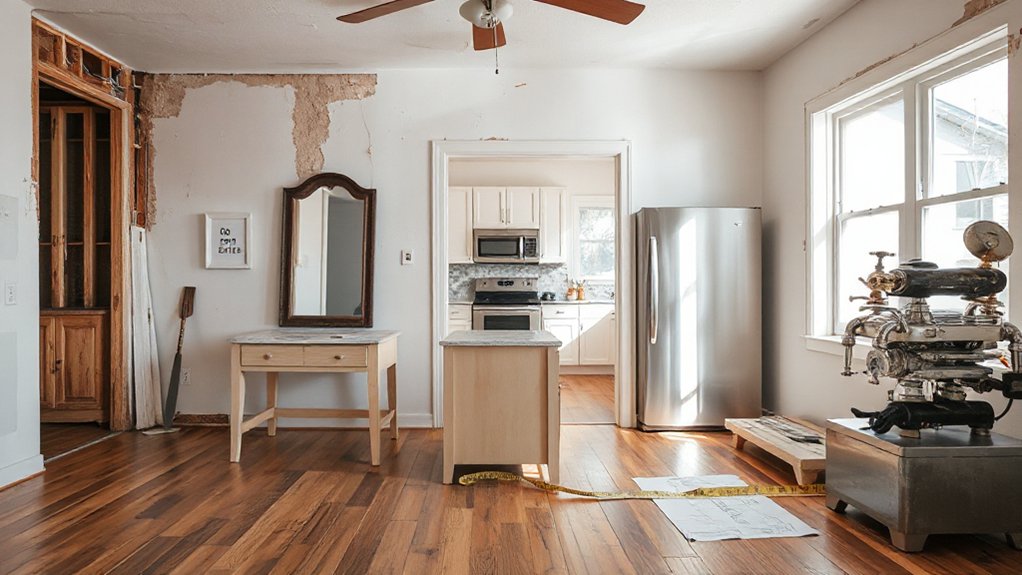
Some renovations don’t pay off at resale, and recognizing them upfront saves you time and money. You’ll assess ROI by comparing cost against typical market-driven value changes, not gut feel.
Historical restorations often require specialized work and ongoing upkeep, yet rarely yield proportionate resale gains unless they meet broad buyer demand for authenticity and location appeal.
Luxury additions can inflate project budgets without broad market penetration, particularly when nearby comps show diminishing marginal value for upscale features.
Data shows diminishing returns once you exceed regional price baselines or misalign with floor area efficiency.
Focus on market-tested improvements, not niche prestige.
When predicting resale, weigh maintenance liabilities, permitting hurdles, and insurance impacts.
Prioritize scalable upgrades with clear, indexable value, avoiding over-customization that fails to translate into proven price premiums.
Comfort Upgrades That Hurt ROI (And Why)
Comfort upgrades can backfire on ROI when they chase comfort at the expense of universal appeal or value alignment. You’ll find that not every nicety yields proportional resale power; some luxuries sit idle with buyers who prioritize cost recoupment and broad taste.
Data shows that over-customization and prestige fixtures often fail to translate into higher bids, especially in midrange markets. Look for opportunities where features scale across buyers rather than signaling status.
Luxury fixtures and Custom paint can hurt ROI if they exceed neighborhood norms or increase maintenance risk. Align upgrades with standard finishes, durable materials, and repairability.
Consider value-weighted choices that reduce ongoing costs while improving perceived quality.
- Benchmark against neighborhood comps before choosing luxury fixtures
- Prefer neutral, durable finishes over highly personalized tones
- Limit nonessential upgrades that add maintenance
- Ensure resale appeal aligns with market segment
Expensive Trends That Don’t Pay Back
Are expensive trends worth chasing when resale value is on the line? In this trend-rich landscape, you’ll benefit from separating hype from evidence.
Data consistently show diminishing returns on ultra-premium upgrades that overfit local tastes or niche markets. Luxury fixtures may raise perceived quality briefly, but they rarely translate into proportional value when buyers compare cost versus resale.
Likewise, high end appliances often fail to recoup their premiums if builders omit standardized specs or scale upgrades across the home. If a feature isn’t broadly valued by benchmarks or appraisals, you’re more likely to suffer opportunity costs than secure profit.
Favor durable, universally appealing improvements and invest where market data indicate stable ROI, not fashionable excess.
Budget Pitfalls That Inflate Costs Without Value
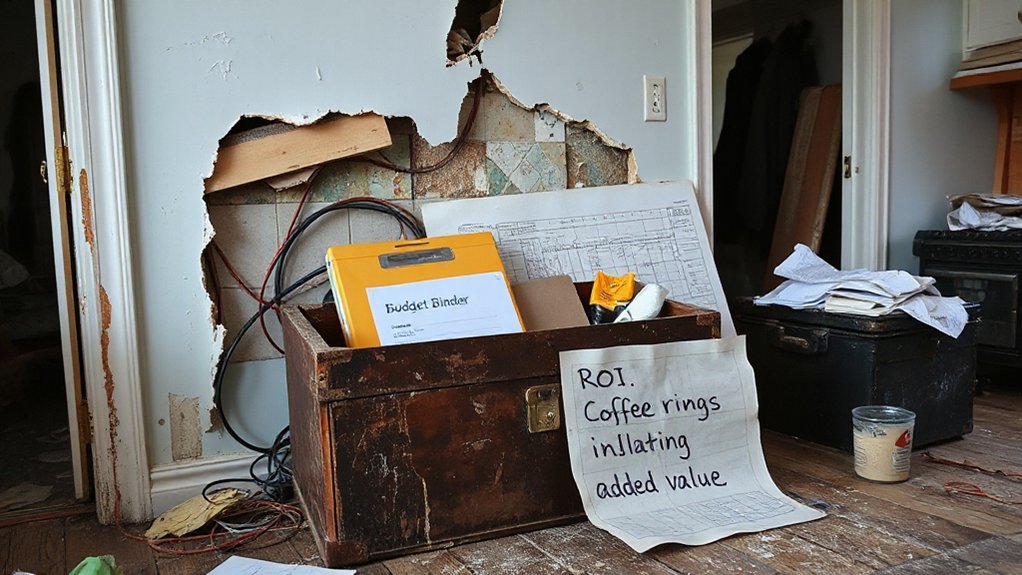
Budget overruns aren’t just annoying; they dilute return on investment. You’ll routinely see costs swell when assumptions aren’t locked in, or when you rely on premium options that don’t boost resale value.
The data shows a tight coupling between scope clarity and ROI, so you must vet every decision against its incremental impact. Avoid luxury fixtures that offer marginal appeal, since they inflate price without broad demand.
Custom paint may set your budget on fire if you’re chasing designer trends instead of durable, timeless tones. Material choices often surprise planners; price volatility, lead times, and maintenance can erode gains.
Track costs against a baseline, then prune features with uncertain payoff.
- Luxury fixtures with limited appeal
- Over-spec’d finishes for the target market
- Custom paint beyond standard shades
- Unverified vendor lead times and warranties
Smart, Value-Boosting Upgrades Anyone Can Afford
Smart, value-boosting upgrades don’t rely on guesswork; they rely on data-driven choices that deliver measurable resale lift without breaking the bank. You should prioritize improvements with proven ROI, not flashy fads.
Look for upgrades that boost perceived quality while costing modestly relative to typical home value. Luxury upgrades often fail to pay back unless they address persistent buyer pain points or local market quirks, so treat them as high-risk bets rather than default wins.
Favor structural modifications that enhance layout efficiency, daylight, and energy performance, which consistently test higher on resale analyses.
Pair cosmetic updates with durable materials and solid warranties to counter depreciation.
Use market comps to gauge premium psychology, then calibrate scope to avoid overspending, ensuring each dollar adds measurable value rather than perceived luxury.
Frequently Asked Questions
Do Renovations Affect Appraisal Timelines or Schedules?
Yes, renovations can affect appraisal timelines. Timing delays may occur if scope changes or documentation lag, and appraisal adjustments occur when new data shifts value estimates, prompting timeline shifts as appraisers reassess cost versus comparable sales.
How Do Regional Market Quirks Shift ROI Expectations?
Regional trends shift ROI expectations: you’ll see muted gains where market saturation stifles demand, and sharper boosts where buyers crave novelty. Analyze data, compare neighborhoods, and adjust pricing strategy accordingly to align with evolving regional ROI signals.
Which Contractor Pitfalls Most Reduce Resale Value?
Contractor pitfalls most reduce resale value when you ignore Design trends and run into Permit issues; you undercut demand, delay timelines, and inflate costs, so you overpay relative to value, making data-driven decisions essential for preserving ROI.
Do Energy Upgrades Ever Harm Resale Appeal?
Yes, energy upgrades can hurt resale appeal if misaligned with buyer needs or budget; the resale impact hinges on cost vs. realized savings, local market, and quality. Data shows mixed returns depending on scope, timing, and energy efficiency labeling.
How Do Financing Costs Alter ROI Calculations?
You’ll see financing costs lower ROI by adding financing fees and interest payments, increasing total project costs. You might doubt this, but data shows higher rates cut net gains; analyze sensitivity, lock rates, and term length to optimize outcomes.
Conclusion
Conclude with a data-driven takeaway: focus on ROI-backed choices, not personal flair. For instance, kitchens and bathrooms deliver solid returns when updates are modest and durable, while luxury features like high-end finishes or niche tech often underperform due to limited buyer appeal. A telling stat: midrange kitchen remodels recoup about 70% of costs on resale, whereas ultra-premium upgrades can dip below 50%. Prioritize proven, market-aligned improvements over trend-driven splurges.