
When you bid at UK property auctions, you must identify title quirks, hidden costs, and risk flags upfront to avoid costly surprises later. Check the auction pack for accurate floor plans, lease terms, ground rent, and service charges, plus any covenants or encumbrances. Verify valuations, recent comparable sales, and potential VAT or stamp duty pitfalls. Confirm deposit, completion timelines, and vendor extensions. Be wary of structural issues, access limitations, and delays from permits. Want specifics on each step as you proceed?
Prepare for UK Auctions: What to Check Before You Bid
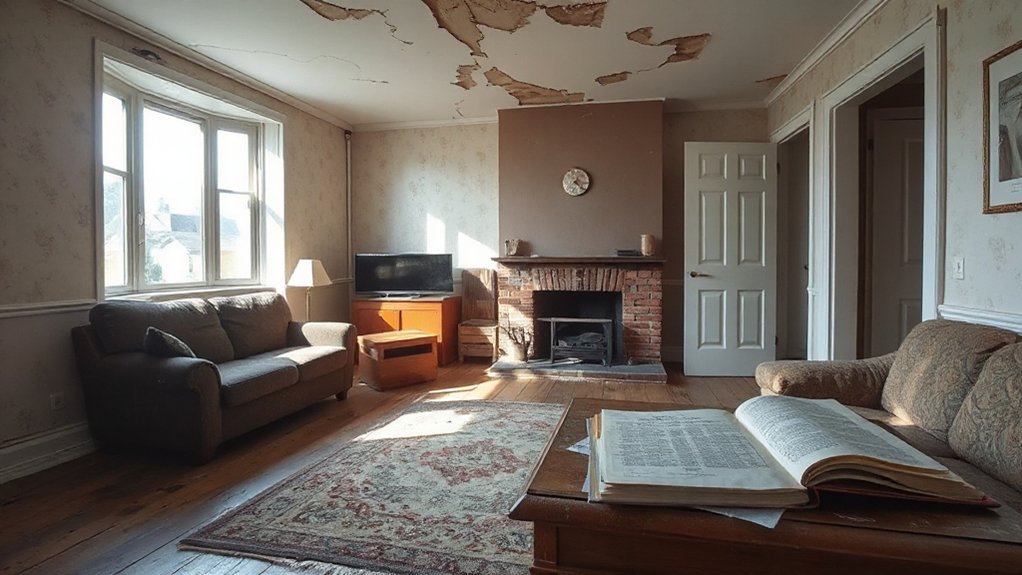
Before you bid at a UK auction, do your homework. You’ll verify auction financing options early, so you’re not blindsided by payment deadlines or lender conditions.
Start with a realistic budget, including buyers’ fees, VAT, and withdrawal costs, then confirm available funds or pre‑approval details with your lender.
Next, review the property valuation from a trusted surveyor or the auctioneer’s pack to gauge market value and potential repairs.
Check the title, boundaries, and any covenants that could affect use or resale. Confirm missing fixtures, access rights, and potential encumbrances.
Clarify compulsory insurance requirements and viewing access rules.
Finally, guarantee you understand the bidding process, reserve price, and possibility of vendor extensions. This preparation reduces risk and anchors your bidding strategy.
Spot Title Quirks That Could Derail Your Purchase
Spot title quirks can quietly derail your purchase even after you’ve done the homework. You’ll want to parse the title register for unusual encumbrances, unrecorded rights, or restrictive covenants that aren’t obvious from a glossy auction catalog.
Look beyond a clean title description to assure Auction transparency; inconsistencies can signal missing notices or disputed boundaries. Confirm that the parcel you’re bidding on matches the plan and legal description, and check for any third-party interests lodged against the property.
A faulty Property valuation can mask risks, so compare valuation dates with the auction lot and verify how improvements affect value. If quirks emerge, demand clarification before bidding or walk away, because title issues often compound after completion and complicate possession.
What “Unspent Works” Means for Completion Timelines
Unspent works can shift your completion timeline because remaining tasks may extend beyond the initial auction estimate.
You’ll want a clear plan to assess what’s left, how long it will take, and where delays might arise.
We’ll cover what unspent works are, their impact on timing, and practical ways to manage completion risks.
Unspent Works Definition
What do “Unspent Works” mean for completion timelines, and why do they matter in UK auction property? Unspent works define tasks listed in the contract that remain unfinished at sale completion. They affect timelines because you may inherit known or latent defects, triggering delays, renegotiation, or exit options.
You’ll want clear evidence of scope, cost, and responsible party to avoid renovation delays after purchase.
- Scope clarity: verify what’s counted as “unspent” and what constitutes complete work.
- Timeline impact: assess if deadlines are realistic given current progress.
- Budget exposure: anticipate added costs for finishing tasks.
- Risk mitigation: confirm remedies if vendor fails to complete on time.
Impact On Timelines
Understanding how unspent works affect completion timelines is key for planning around UK auction property. When you’re faced with unspent works, you’ll see timelines stretch as contractors revisit permits, schedules, and approvals.
You must build in contingency for delays caused by surveys, remediation, or additional compliance checks. This isn’t guesswork; it’s about risk-aware planning that factors in market fluctuations and the potential need for renegotiation with sellers or lenders.
Stay proactive: confirm deadlines, track progress milestones, and document changes to avoid disputes. Guarantee all actions meet legal compliance requirements before exchange and completion.
Managing Completion Risks
When you’re managing completion risks, you must understand how unspent works can delay final settlement and what that means for your timeline. You’ll rely on clear milestones, contract clarity, and proactive diligence to prevent disruption.
1) Identify unspent works early and document impact on completion date.
2) Align funding milestones with work outstanding to avoid Financing challenges.
3) Set contingency buffers for potential construction delays and re-approval needs.
4) Establish a fast-track mechanism with the seller for confirmatory inspections and release of funds.
User Access and Viewing: Plan for Inspection Realities

You should verify access and viewing windows before you bid, so you’re not caught by surprise on inspection day.
Plan for limited slots, possible delays, and any safety or security restrictions that might affect entry.
Consider arranging early inspections and note any constraints that could impact your ability to assess condition and value.
Inspect Before Bidding
Inspecting a property before bidding is essential to avoid surprises. You should verify condition, access, and potential costs firsthand, not rely solely on reports. Your goal is a practical assessment that informs price decisions, not a hype-filled guess. Track Property valuation implications and how Market trends influence value; those anchors guide your limit. Be systematic and quick, yet thorough.
- Schedule a timed viewing window and bring a checklist to capture defects and maintenance needs.
- Inspect structural elements, damp, and drainage; note visible repairs and hidden risks.
- Confirm services, meters, and accessibility for access arrangements and risk of weekend closures.
- Compare the property against recent sales to calibrate your bid strategy.
This approach helps you bid confidently, reflecting accurate costs and market context.
Access And Viewing Windows
Understand viewing restrictions, such as restricted areas, compulsory PPE, or guardian supervision, to avoid misinterpreting conditions. Map each room’s entry sequence and approximate time under typical auction-day constraints. Bring a checklist to verify fixtures, risks, and potential access routes before bidding.
If you encounter blocked access, document it with photos and written notes, then request alternatives or defer decisions until you can assess the full property. Clear expectations reduce surprises and support informed offers.
Read the Contract: Key Terms and Deadlines You Must Know

Before you sign, read the contract carefully to spot key terms and hard deadlines that could affect your position and costs.
Key terms to verify quickly:
1) Legal obligations you assume at exchange and completion, including timeframes and penalties.
2) Financing options and conditions, such as required deposits, approval contingencies, and completion funding gaps.
3) Completion date, extension rules, and seller’s remedies for breaches.
4) Consequences of non-performance, including forfeiture of deposits and potential additional costs.
Keep a close eye on notice periods for any variations, and confirm who bears stamp duty, legal costs, and survey obligations.
If anything feels unclear, request written clarifications before bidding. This minimizes risk and protects your financing options.
Hidden Costs at UK Auctions: Fees, Taxes, and Contingencies
Hidden costs can upend your budget at UK auctions, so you must factor them in from the start.
At auction, you’ll encounter hidden fees that aren’t always obvious, such as buyer’s premiums, VAT where applicable, and administration charges. Add in legally required costs like stamp duty and potential repairs you’ll undertake after purchase.
You should also budget for contingency funds in case a structural issue or title doubt emerges during conveyancing. Forecasting these expenses helps you avoid overruns when the hammer drops.
Be mindful of legal pitfalls: misreading the terms, failing to meet deadlines, or misunderstanding the VAT treatment of the purchase.
Plan with diligence, verify all fees up front, and keep your total cost clearly in view.
How Auction Logistics Work: Registration, Bidding, and Reserves
Registration, bidding, and reserves form the core flow at UK property auctions: you’ll register to obtain a bidder number, place bids in real time (or via proxy), and watch the reserve price determine whether the lot sells.
- Auction registration process: complete ID checks, get your bidder number, and understand bidding increments.
- Bidding mechanics: know how to bid, when to push, and how proxy bidding works.
- Reserve interaction: recognize that the seller’s minimum may affect whether a lot is struck.
- Bidding strategies: plan limits, monitor rival activity, and avoid overpaying.
Stay disciplined, confirm terms, and practice your signals. This structure guarantees you move confidently from registration to a successful, legally binding purchase.
Due Diligence You Can Complete Before Bidding

You can’t rely on the auction room alone to judge a lot’s value. Do your due diligence before you bid. Begin with Property valuation basics: compare recent sale prices for similar properties, adjust for size, condition, and location, and note any costs to bring the property to market standards.
Next, perform Legal due diligence: check title deeds, any covenants, planning permissions, and outstanding charges or leasehold terms. Review local authority notices, building regulations compliance, and potential party-wall issues.
Inspect the property physically where possible, noting structural concerns, damp, and accessibility. Verify auction pack accuracy, including floor plans and measured areas. Confirm lease length, ground rent, and service charges for leasehold items.
Document findings clearly to inform a disciplined, informed bidding decision.
Red Flags and Next Steps If You Spot Issues During the Process
When you spot issues during the process, act quickly and methodically to minimize risk and protect your position. Recognize red flags early, verify facts, and document everything.
If problems emerge, you must prioritise clear next steps over emotion, focusing on concrete outcomes like cost clarity and financing certainty. Consider the impact on Renovation costs and Financing options before submitting any further bids.
- Verify title and covenant restrictions to avoid surprises later.
- Reconcile all cost estimates with recent surveys and contractor quotes.
- Reassess your financing options in light of new repairs or delays.
- Seek professional input on risk, timelines, and contingency plans before proceeding.
Frequently Asked Questions
What Happens if the Winning Bid Is Later Rejected by the Seller?
If your winning bid is rejected, you may lose the deposit and face bid withdrawal consequences; the seller can re-auction. You should understand that bid withdrawal and seller rejection risks affect remedies, timing, and potential compensation.
Can Auction Conditions Invalidate the Sale After Completion?
Yes, auction conditions can invalidate the sale after completion. About 30% of failed auctions relate to financing issues; you must secure auction financing and complete property inspections promptly to avoid last‑minute cancellations and enforceable rescissions.
Are There Stepping or Clawback Rights Connected to Reserve Price?
Yes, reserve triggers can activate stepping or clawback rights, depending on the sale terms. You should expect bid adjustments if reserve gaps aren’t met, and confirm how reserve triggers affect final purchase price and post-auction obligations.
How Do Title Defects Discovered Post-Auction Affect Completion?
Post-auction title defects delay completion; you must resolve title disputes before transfer, or risk ownership transfers failing. You’ll need robust title checks, raise notices, and secure corrective deeds to guarantee clear ownership transfers and marketable title.
What Remedies Exist for Delays Caused by Third-Party Approvals?
In a maze of shadows, you’re covered: you can claim damages or terminate for delay, and seek equitable relief. If third-party approvals stall, pursue extensions, interest, and auction financing safeguards, while insisting on prompt property inspections.
Conclusion
You’re not buying a showroom ideal—you’re steering a property puzzle. So, keep your eyes open to subtle signs, and don’t rush past a detail that could bite later. If a red flag flutters, don’t ignore it; it’s gently nudging you to recheck the small print or seek advice. With careful timing, honest diligence, and a level-headed plan, you’ll sidestep surprises and land a deal that feels right, even when verdicts hum softly in your favour.