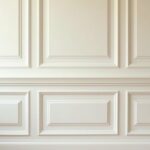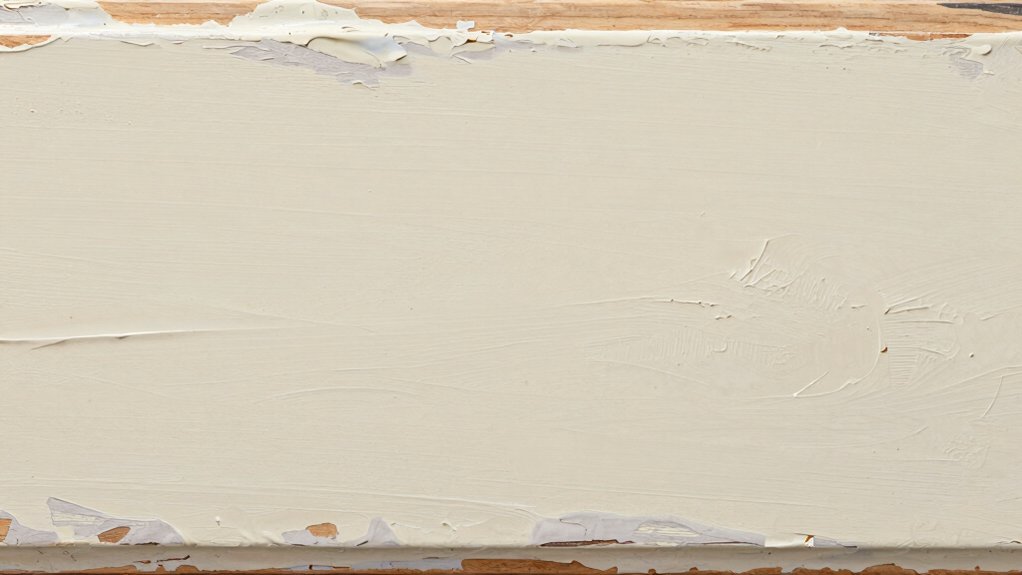
Milk paint is a natural, historic-style finish made from milk protein (casein), lime, and mineral pigments. It’s typically water-based, eco-friendly, and non-toxic, yielding a matte, textured look that breathes with the surface. It’s ideal for historic or furniture work and develops a subtle patina over time. Application is deliberate, and proper sealing improves durability. It’s different from modern paints, offering authentic character with batch-to-batch variation. If you keep exploring, you’ll uncover more about its long-lasting appeal.
What Milk Paint Is and Why It Matters
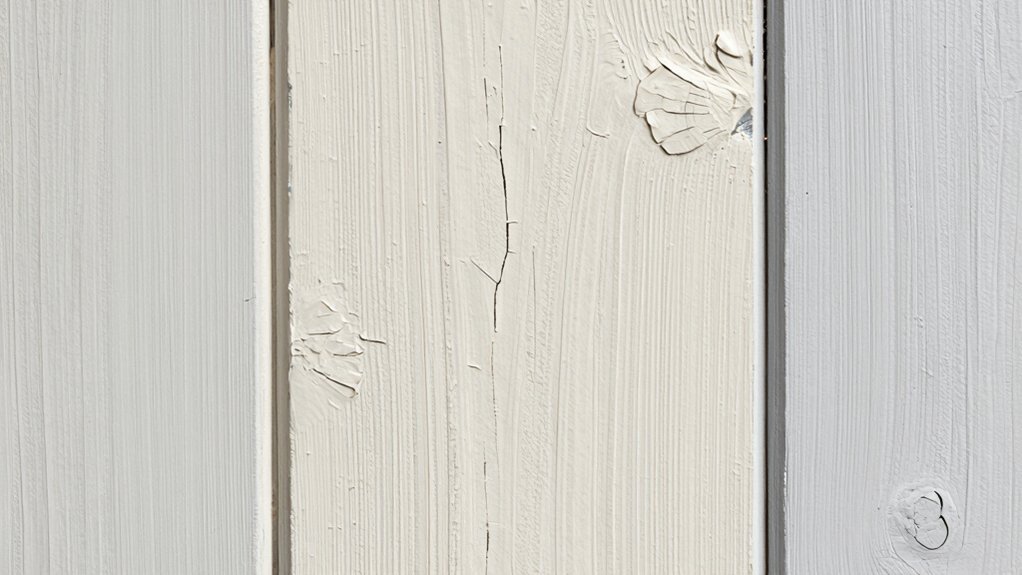
Milk paint is a historic type of paint made from simple ingredients—milk (usually cow’s milk), lime, and pigment—applied directly to wood or walls. You engage with it by recognizing its practical durability and distinctive finish, not merely as decoration.
Its historical significance lies in its broad, accessible use across eras and regions, from rural interiors to restored façades, reflecting resourcefulness and craft. You’ll find it varies in color and texture, offering a matte, velvety look that ages gracefully.
Its cultural relevance endures in restoration ethics, where traditional methods honor craftsmanship and authenticity. You experience a material that connects generations, emphasizing tactility, sustainability, and a hands-on approach to preservation.
Understanding its essence helps you appreciate why this technique remains meaningful today.
Essential Ingredients of Traditional Milk Paint
Traditional milk paint relies on three core components: animal milk (often casein), lime, and pigment. You’ll learn how these natural ingredients come together to form a durable binder, pigment suspension, and pH balance. The result is a surface with authentic texture and historical significance that’s favored by restoration enthusiasts and makers alike.
- Natural ingredients that are simple, approachable, and fundamentally human in origin
- Casein from milk acts as the primary binder
- Lime lowers acidity, aids curd formation, and enhances adhesion
- Pigment provides color and depth with traditional mineral sources
- The blend emphasizes heritage techniques and the tactile finish you can achieve
This blend preserves authentic character, connects you to past artisans, and keeps the process straightforward and transparent.
How Milk Paint Dries, Cures, and Ages
As the casein and lime binders set, milk paint dries through a slow, breathable process that relies on humidity, temperature, and the pigment’s particle size. You’ll observe a gradual surface set accompanied by subtle color shifts as the binder matrix stiffens and moisture exits.
The drying process isn’t uniform; it progresses deeper into the substrate as water migrates toward the surface, leaving behind a velvety, matte finish. Curing occurs as the lime reacts with ambient CO2, further hardening the film and locking in color.
Aging characteristics emerge with time: you may notice slight fading or warm tonal changes, plus enhanced depth as the patina develops. You can expect durable, breathable coverage that emphasizes texture while preserving historic authenticity.
Milk Paint vs. Modern Paints: Pros and Cons
You’ll weigh milk paint’s durability concerns against modern paints and decide what fits your project. While milk paint can offer a unique finish, its durability debates mean you’ll need proper preparation and sealing.
You’ll also compare ease of use, noting how modern paints often save time but may sacrifice the authentic look you want.
Milk Paint Durability Debate
Milk paint’s durability is a common sticking point in the debate with modern finishes: while it’s prized for its authentic, matte look and environmentally friendly ingredients, its hardness and abrasion resistance can be less robust than polyurethane or epoxy coatings.
Compare moisture resistance to synthetic films and note impact on long-term finish.
Highlight how finish sheen shifts with aging and wear.
Explain era-accurate appearance vs. modern durability expectations.
Recommend sealing strategies that preserve color but don’t disguise texture.
Emphasize paint adhesion as a critical factor for adherence over time.
In practice, you balance authentic aesthetics with maintenance needs, choosing compatibility, primers, and topcoats that align with your project’s use and expected wear.
Ease Of Use Contrast
Is the ease of use of milk paint truly rivals modern options, or do modern formulas win on simplicity and predictability? You’ll find the contrast in behavior, preparation, and cleanup.
Milk paint demands careful mixing, sometimes with additives, and slightly unpredictable drying times, which can affect planning. Modern paints excel in instant coverage, consistent drying, and extended open time, reducing hesitation between coats.
Application techniques differ: milk paint rewards deliberate brushwork and multiple thinned passes, while modern formulations tolerate quicker, broader strokes.
Color blending is more deliberate with milk paint, enabling unique, vintage looks but demanding tests for shade accuracy.
If you value consistency and speed, modern paints win; if you crave a tactile, authentic finish, milk paint offers distinctive depth with mindful execution.
Finish Options and Textures From Milk Paint
Finish options and textures from milk paint vary by the binder, pigments, and application method, producing a range from smooth, even surfaces to softly distressed, rustic looks. You’ll notice finish textures that depend on your binder choice, whether lime, gypsum, or acrylic, and on how you apply layers.
The milk paint sheen ranges from matte to a subtle, soapstone-like glow, influenced by formula and drying conditions. For control, you can adjust dilution, brushing technique, and deliberate distressing.
Expect variation between brands and batches, but the result remains authentic. Use these cues to select a finish that complements your piece, cabinetry, or furniture project, aligning with your desired atmosphere and wear pattern.
- finish textures
- finish options
- milk paint sheen
- binder effects
- application techniques
How to Mix and Apply Milk Paint for Best Results
To get the best results from milk paint, start with prepared surfaces, measured pigments, and properly mixed binder. You’ll achieve even color by thorough stirring and matching pigment ratios to your desired tone.
Use distilled water to adjust consistency, aiming for a smooth, brushable slurry that clings without running. When color mixing, add pigments gradually, testing on a scrap panel until you reach the hue you want.
For application techniques, apply in thin, even coats, keeping strokes consistent with the wood grain. Allow each layer to dry fully before the next to preserve adhesion and minimize patchiness.
Sand lightly between coats only if you need a flatter surface. Finish with a protective wax or sealer as recommended for your project.
Troubleshooting Milk Paint: Common Problems and Fixes
Even with careful prep, milk paint can misbehave, but most issues have straightforward fixes. When color consistency falters, adjust with targeted blending and thin coats, letting each layer dry fully before evaluating.
For adhesion issues, ensure the surface is clean, dust-free, and not glossy; consider a deglossing step or a binder additive to improve grip.
Temperature and humidity also influence drying and finish, so maintain stable conditions during application.
If varnish-like cracking appears, switch to a slower drying mix and wetter brush technique to reduce surface tension.
Patience is key: light, multiple passes yield better results than heavy, single coats.
- color consistency fixes
- adhesion issues remedies
- surface prep adjustments
- drying conditions optimization
- layer sequencing guidance
Brand Options, Surfaces, and Maintenance
You’ll explore a few brand options, focusing on quality, non-toxic formulation, and finish variety.
Consider surfaces that accept milk paint well—soft woods, rigid boards, and sealed or primed backgrounds—so you know what to prep before you start.
Maintenance comes down to sealing, cleaning, and reapplication guidance to keep the look long-lasting.
Brand Options Briefly
Brand options for milk paint are straightforward: choose a reputable, fade-resistant line that’s compatible with your surface and project scope. You’ll want products that support eco friendly finishes and align with historical applications to preserve authenticity.
- Check pigment quality and UV stability
- Seek non-toxic, water-based formulas
- Favor options with long shelf life and reliable mixing
- Prioritize lines offering clear compatibility notes
- Verify supplier documentation for archival use
When you compare brands, focus on label transparency and customer support. Avoid guesswork by reading application guidelines and testing a small area first.
A well-chosen option streamlines your project, reduces downtime, and helps you maintain the finish’s integrity over time. Your goal is consistent color, texture, and durability that reflect true historical applications without compromising modern performance.
Surfaces And Maintenance
Choosing the right surfaces and maintenance approach starts with understanding your milk paint’s compatibility and the expected use of the piece. You’ll want to select surfaces that respond well to milk paint, such as softwoods, hardwoods, or previously primed surfaces, and avoid moisture-prone materials that may warp.
When it comes to brand options, choose trusted acrylic or lime-based formulas that match your project’s durability needs and finish desired.
For maintenance, use minimal, pH-balanced cleaners and soft cloths to preserve color and texture. In furniture restoration, consider sealing with a breathable topcoat to prevent trapped moisture while maintaining a natural look.
For decorative accents, opt for a low-sheen finish to highlight grain and character without masking detail. Regular dusting extends life and beauty.
Conclusion
Milk paint isn’t just a finish; it’s a conversation between time and texture. You’ll see honest color shifts, soft chipping, and a surface that ages with character. When you mix, apply, and wipe, you’ll notice how small accidents become artful patina—lucky coincidences that prove the paint’s resilience. Stay precise with ratios and timing, and you’ll reveal durable, breathable coatings. In the end, the coincidence is you, choosing a traditional approach that still feels remarkably modern.