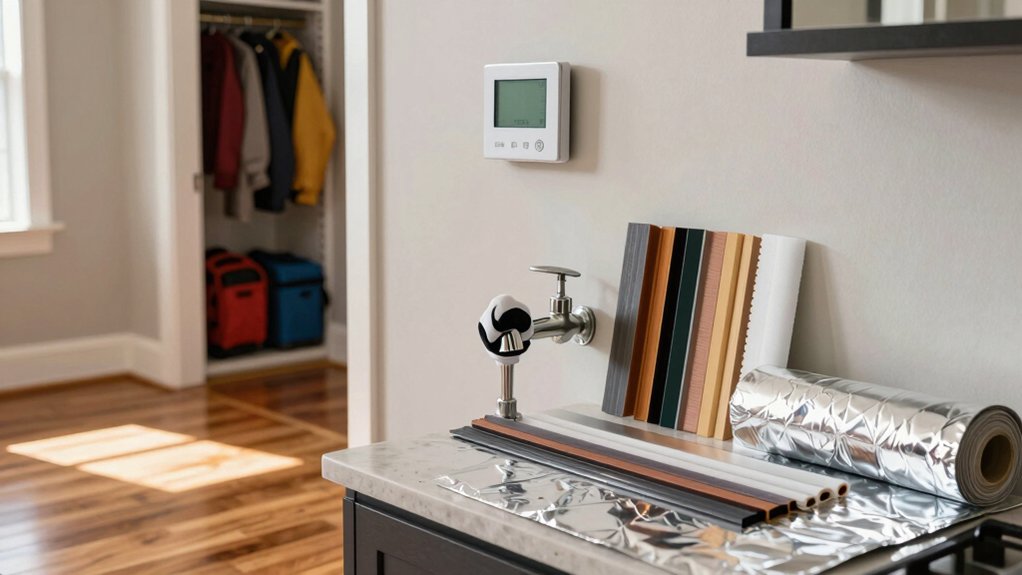
Identify your top winter hazards, from indoor fire risks to outdoor ice. Seal and insulate gaps around windows, doors, and attic hatches, then upgrade insulation and test drafts. Service your heating system and CO detectors—clean or replace filters and verifyPlacement. Protect plumbing by insulating pipes and letting taps drip during deep freezes. Create a practical maintenance plan with a budget, routine checks, and seasonal inspections. If you keep going, you’ll uncover even more actionable steps and tips.
Identify Your Top Winter Hazards
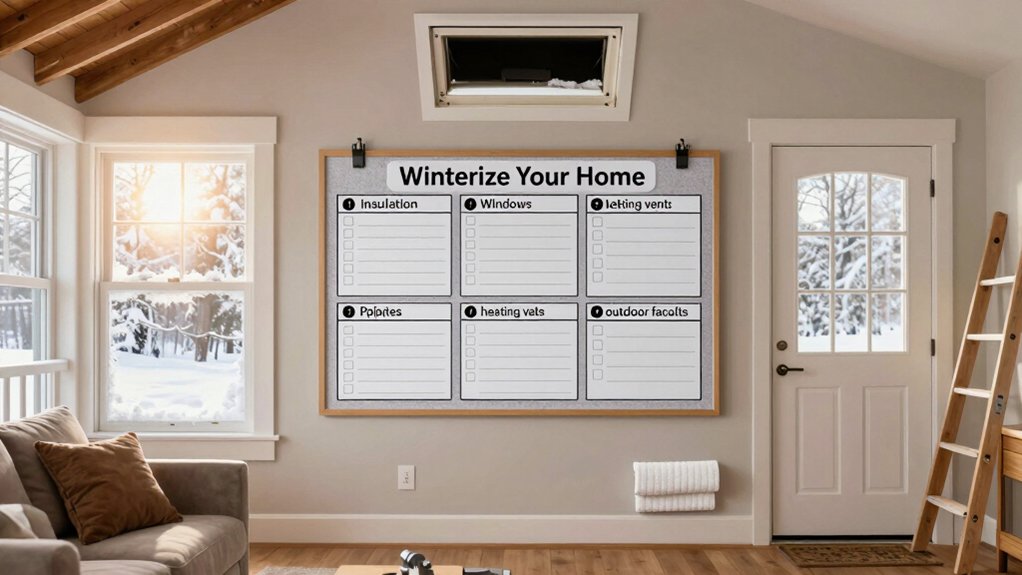
Winter hazards can sneak up on you, so start by identifying where you’re most vulnerable. You’ll map risks in three core areas: indoor spaces, outdoor surroundings, and utility connections.
Inside, look for overloaded outlets, space heaters, and blocked vents that could spark fire hazards.
Outside, assess walkways for ice, roofs for ice dams, and landscaping that conceals tripping hazards or fuels outdoor fires. Check exterior lighting to ensure you can see hazards at night.
Review your home’s fuel sources, chimneys, and venting for proper clearance and clearance around combustibles to prevent fire hazards.
Don’t overlook water pipes and damp basements that threaten mold or contamination.
Prioritize high-traffic, high-use zones first, then address lower-risk areas to create a safer winter baseline against outdoor hazards.
Seal and Insulate to Stop Drafts
Want to cut drafts quickly? Seal gaps and lock in heat with practical steps you can trust.
- Inspect windows and doors, then caulk gaps around frames to stop leaks from creeping in.
- Apply weatherstripping to moving edges on doors and windows for a tight seal that lasts.
- Check attic hatch and penetrations; seal with appropriate gaskets to prevent attic air from escaping.
- Add or upgrade attic insulation where needed, maximizing R-value to reduce heat loss.
Focus on durable caulking projects and proper insulation where drafts are most evident. Keep nails, staples, and old caulk out of the new seals to ensure longevity.
After sealing, test each area with a draft detector or a simple candle test to confirm improvements. This keeps your home warmer and utility bills lower.
Service Your Heating System and CO Detectors
To keep heating efficient and safe, schedule a quick service check of your furnace or heat pump and replace the filter if needed—then test CO detectors to guarantee they’re working properly.
Start with a professional inspection to verify proper ignition, airflow, and ducting seals, and listen for unusual noises.
Replace disposable or washable filters every 1–3 months during heavy use. If your system uses a packed dynamic filter, change it promptly and note any flow restrictions.
Install carbon monoxide detectors on each living level, near bedrooms, and away from fuel-burning appliances. Check detector batteries and replace as needed.
Confirm alarm placement follows manufacturer guidelines and local codes, and replace units that fail to respond during a test.
Regular maintenance reduces outages and improves safety.
Protect Plumbing and Prevent Ice Dams
Protecting your plumbing now prevents costly freezes later, so start with proactive steps you can do today. You’ll reduce frost damage by focusing on insulation, sealing, and drainage, keeping water flowing where it should.
- Inspect exposed pipes and add frost protection film or foam pipe insulation, especially in unheated spaces.
- Seal gaps around doors, vents, and foundations to stop cold drafts from reaching plumbing.
- Let faucets drip slowly during extreme cold to maintain flow and prevent freezing in dead-ends.
- Insulate hot water lines and the main shutoff area; label valves for quick action in emergencies.
Follow these steps consistently, and you’ll guard against bursts and costly repairs while preserving warm, efficient plumbing.
Create a Practical Winter Maintenance Plan and Budget
Now that your plumbing is protected, you can map out a practical winter maintenance plan and budget. Start with budget planning by listing essential fixes first, then add optional upgrades. Prioritize seasonal inspections of heating, insulation, and exhaust vents, scheduling them before cold snaps.
Create a monthly action list: check seals, replace filters, test smoke and CO detectors, and clear pathways for drainage. Estimate costs for materials, tools, and labor, and set a contingency fund for unexpected repairs.
Track expenses against your plan, adjusting as needed. Include maintenance windows in your calendar and align them with utility rate cycles to maximize savings.
Review and simplify your plan annually, incorporating lessons learned from the previous season. Maintain a realistic timeline to stay on track and avoid outages.
Frequently Asked Questions
How Often Should I Bleed Radiators or Baseboard Heaters?
Blow down when you hear gurgling, at least twice per heating season, or whenever radiators feel cold at the top. This bleeding frequency keeps radiator maintenance on track, improves efficiency, and prevents uneven heating.
When Is It Necessary to Upgrade Windows for Winterization?
Window replacement becomes necessary when drafts persist and efficiency tanks; otherwise you should consider insulation upgrade first. You’ll save dramatically, but act when humidity and cold infiltrate. Upgrade now for lasting comfort and lower bills.
What Indoor Humidity Level Is Ideal in Winter?
Aim for about 30–50% indoor moisture (relative humidity) in winter, keeping it around 40–50% for comfort. You’ll maintain Humidity control and prevent condensation, mold, and chilly drafts when you monitor dehumidification or humidification as needed.
How Can I Save on Heating Costs Without Sacrificing Comfort?
Guard the castle: you save energy by lowering demand and boosting comfort. You insulate upgrades and window sealing, then tune thermostat wisely; you’ll feel warmth linger, costs drop, and comfort stay steady through every chilly day.
Should I Install a Smart Thermostat for Winter Efficiency?
Yes, you should install a smart thermostat for winter efficiency. You’ll enjoy smart thermostat benefits like adaptive scheduling and remote control, helping you optimize comfort and energy savings without constant adjustments. It enhances winter efficiency and lowers heating costs.
Conclusion
Winter isn’t just cold—it’s costly. If you’ve checked for hazards, sealed drafts, serviced heat and detectors, protected plumbing, and planned maintenance, you’ve bought peace of mind for months to come. Here’s the hook: a simple theory says small, consistent winter chores compound into dramatic savings and fewer emergencies. Do the basics now, stay consistent, and you’ll see a tangible difference in comfort, energy use, and safety all season long. Ready to lock in your plan?