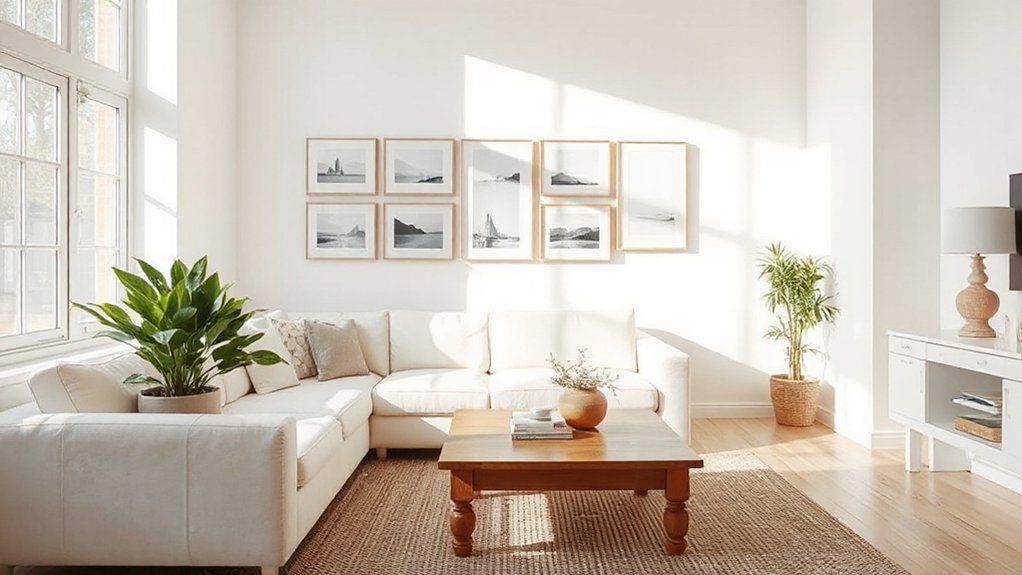
You can boost UK rental appeal without overspending by focusing on renters’ essentials and quick wins. Start with a budget-friendly upgrade plan that targets high-impact, durable fixes, like fresh common-area paint, smart lighting, and tidy curb appeal. Add energy-saving tweaks, simple room refreshes, and budget-friendly décor to brighten spaces. Use clear, tenant-friendly policies and straightforward maintenance routines to build trust. Track results to prioritize what works, and you’ll see faster lettings and steadier occupancy—and there’s more to come.
What Renters Value on a Budget (and Why It Matters)
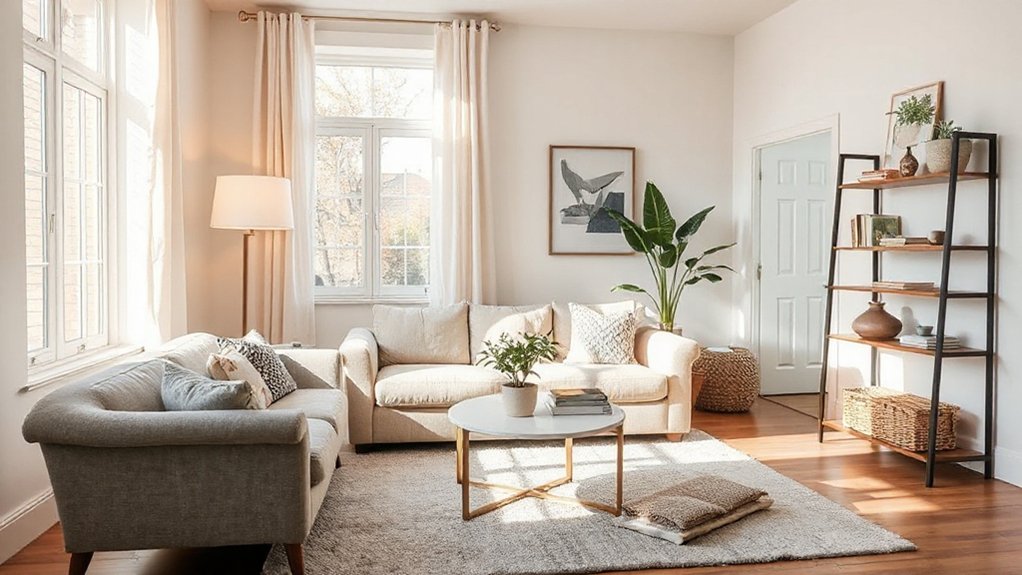
When renters are budgeting, small comforts trump big gimmicks: they want reliable basics, sensible costs, and a smooth, hassle-free experience. You’ll win them over by clarity and consistency: clean spaces, functional appliances, and predictable bills that don’t surprise at renewal.
Value isn’t about flashy extras; it’s about dependable practicality you can scale. Prioritize comfort touches that feel intentional—quiet rooms, good lighting, ample storage, and solid maintenance response. These save time, reduce stress, and support long tenancies.
Communicate transparency on costs, so knowledge replaces doubt. Luxury amenities and high-end decor are persuasive, but only if they enhance daily life without inflating rent. Tie upgrades to tangible benefits, like energy efficiency or better air quality, and you’ll attract mindful tenants who stay longer.
Create a Budget-Friendly Upgrade Plan
Set a realistic budget that fits your cash flow, not just your wishlist.
Identify high-impact upgrades—think appealing visuals and durability—that deliver the biggest return for the least cost.
Prioritize a scalable plan you can grow over time, reusing lessons from each project to maximize impact without overspending.
Set a Realistic Budget
Creating a realistic budget is the backbone of a smart upgrade plan, letting you prioritize high-impact changes without overspending. You’ll map every expense before you commit to a single improvement, ensuring you don’t chase trends that don’t pay off.
Begin with a practical baseline: list essential maintenance, then estimate costs for refinements that lift renter appeal. Use budget planning to allocate funds over time, not all at once, so you stay cash-forward and nimble.
Track every spend with simple expense tracking—a notebook or app keeps you from drifting. Build a 3‑ to 6‑month curve, reserving a small contingency for surprises.
Reassess monthly, trimming or re‑allocating as needed, so your upgrade path remains affordable and scalable while still delivering noticeable value.
Prioritize High-Impact Upgrades
Prioritizing high-impact upgrades starts with the budget you’ve set. You’ll map quick wins that boost renter appeal without bloating costs. Start with neutral, durable changes—paint, lighting, fixtures—that refresh spaces fast and stay affordable.
Sequence upgrades by ROI: kitchen and bath improvements first, then outdoor appeal. When selecting features, target versatility: spaces that feel larger, brighter, and quieter.
Consider scalable upgrades you can build on later, like modular storage, energy-efficient appliances, and smart thermostats that tenants notice but landlords aren’t overpaying for.
Pair interior work with curb appeal: low-cost, high-return touches such as luxury amenities in common areas and tidy, green landscaping.
Document every step, estimate costs, and set milestones to stay on track and attract tenants who value quality without overspending.
Quick Cosmetic Fixes That Pay Off Fast
Here are quick cosmetic fixes that pay off fast for UK landlords: fresh paint in common areas, refreshed door hardware, and a tidy, cohesive fascia—small changes that create a noticeable lift without breaking the bank.
You’ll scale impact by choosing neutral tones that brighten spaces, updating handles to brushed metal, and aligning trim for a unified look.
Add concise, modern touches like tasteful lighting and smart accents to feel contemporary without a full remodel.
Garden landscaping enters subtly: trim hedges, mulched beds, and a clean path to boost curb appeal at minimal cost.
Consider smart home integration basics—smarter thermostats and user-friendly controls—to signal modern living.
These tweaks deliver quick turnover, consistent reviews, and durable appeal for tenants seeking value.
Energy-Saving Tweaks That Cut Bills
Smart energy tweaks can noticeably cut bills without souring tenant satisfaction, starting with practical upgrades that pay for themselves over time. You’ll boost efficiency with a layered approach: seal leaks, swap old bulbs, and add window drafts blockers before investing in larger tech.
Solar panels offer long-term savings on electricity, especially if you already generate excess during sunny days for shared use or feed-in schemes. Pair this with a Smart thermostat to optimize heating and cooling, learning occupancy patterns and adjusting temps automatically.
Prioritize high-impact upgrades, like efficient boilers or heat pumps, only after air-tightness and insulation are addressed. Maintain clear maintenance logs to reassure tenants and protect your investment, ensuring reliable performance and steady energy reductions over multiple tenancy cycles.
Budget-Refreshes for Each Room
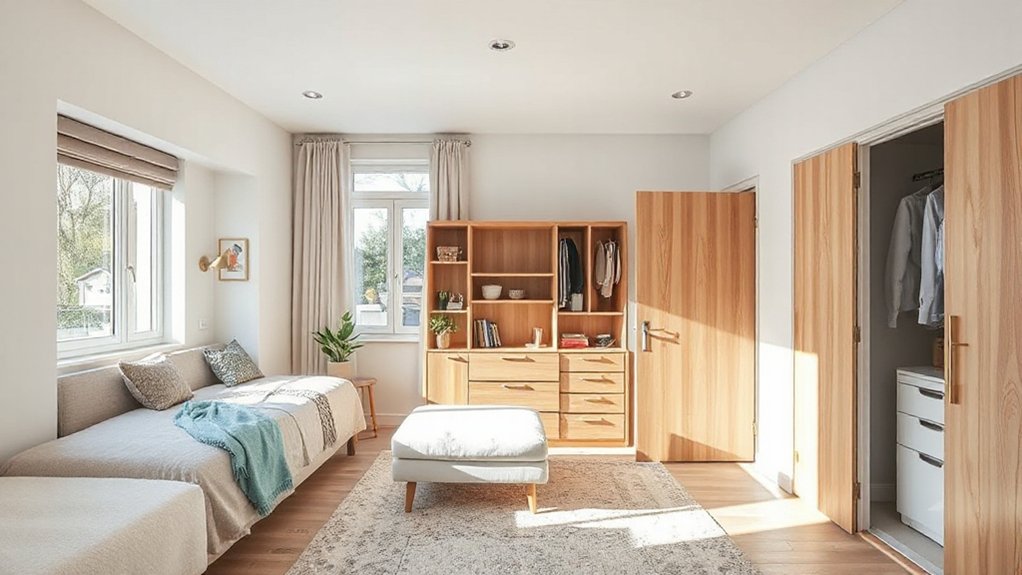
Spruce up each room with budget-driven refreshes that feel smart, not costly. You’ll mix quick cosmetic updates with small-tech upgrades, balancing style and scalability.
Think practical, stylish tweaks—prioritize items that earn ongoing appeal and easy, affordable maintenance.
Budget-Driven Room Refresh
To maximize appeal without overspending, start with a room-by-room refresh plan that prioritizes impact-per-pound. You’ll target cohesion, not perfection, and reuse what you already own where possible.
Focus on affordable, high-visibility changes that sell the space in photos and in person. Committee a simple budget, track spend, and scale updates as ROI proves.
Interior decor and outdoor landscaping considerations should align to create a welcoming narrative that feels cohesive across rooms.
1) Assess each room for 2–3 low-cost upgrades with the biggest visual return.
2) Swap textiles and art strategically to refresh color and texture.
3) Refresh lighting with warm LEDs and minimal fixtures.
4) Leverage multipurpose, easy-to-clean surfaces for longevity.
Smart, Cost-Effective Updates
Start with a neutral canvas: repaint walls in light tones, then add character with accent colors through affordable accessories. Vintage charm can appear via a single vintage mirror or retro lamp, not a full overhaul.
For floors, install peel-and-stick vinyl or laminate that resembles wood, cutting installation time.
Focus on lighting: bright, warm bulbs and layered fixtures create perceived space.
Use artistic decor as focal points—gallery-style frames, sculptural vases, or a bold rug.
Choose durable, easy-maintenance options to scale across rooms while preserving style and value.
Durable, Cost-Effective Materials for Longevity
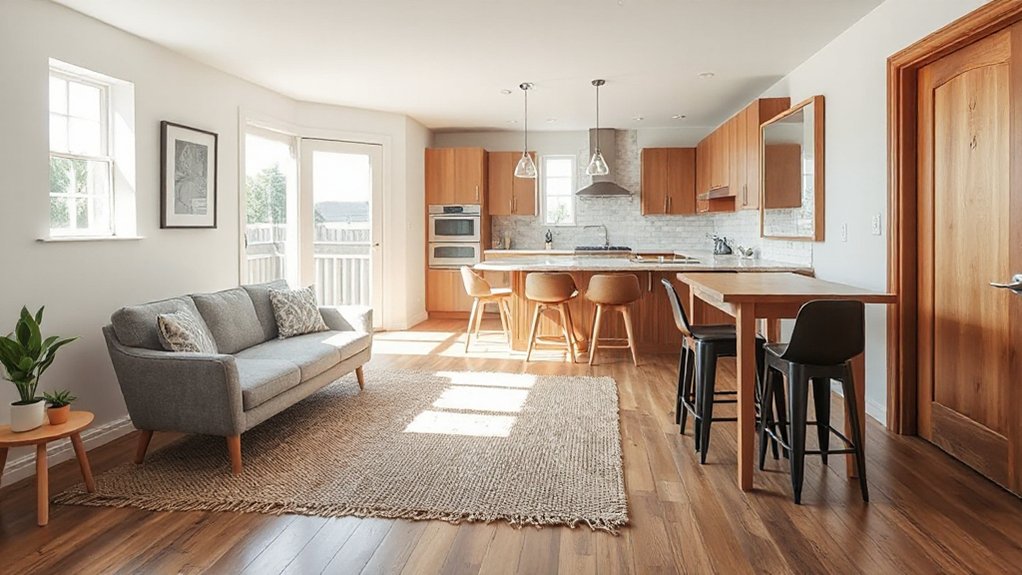
Durable, cost-effective materials save you time and money in the long run, so start with essentials that resist wear, moisture, and heat. You’ll choose options that keep upkeep minimal while looking sharp.
- Weather resistant fixtures and hardware that handle moisture and temperature swings.
- Durable flooring like resin or vinyl planks that tolerate spills and heavy foot traffic.
- Fire retardant finishes on surfaces near heat sources for added safety.
- Low-maintenance walls and ceilings with washable paints and moisture barriers.
Packaging longevity into your property means fewer repairs and more appeal. Opt for finishes and coatings that resist stains, scratches, and fading.
This approach is practical, stylish, scalable, and keeps maintenance predictable.
Staging Your Rental Without Overspending
Staging your rental doesn’t have to break the bank. You’ll uncover budget-friendly hacks and quick visual upgrades that lift appeal fast.
Let’s explore practical, scalable ideas you can implement now to transform spaces efficiently.
Budget-Friendly Staging Hacks
You don’t need a big budget to make your rental feel welcoming: start with a few simple, high-impact tweaks that highlight space, light, and comfort.
1) Use mirrors and light-coloured textiles to amplify natural light and perceptions of space.
2) Create focal points with budget-friendly accents—think a bold cushion, a single artwork, or a plant cluster for Creative gardening vibes.
3) Streamline by decluttering and staging each room with a cohesive, artistic decor vibe that’s easy to swap out.
4) Invest in multi-functional furniture or clever storage to maximize usability without overspending.
These small, scalable changes feel intentional and polished, helping tenants picture daily living.
Quick Visual Transformations
Swap tired lamps for warm LEDs and adjust curtains to maximize natural light. Replace mismatched hardware with cohesive pulls and doorstops; small details add polish without a full refit.
Focus on high-impact, low-cost updates: fresh caulk, sparkling faucets, and a tidy entry that creates curb appeal. Bring a sense of scale with layered textiles—rugs, throws, and cushions—kept to a cohesive palette.
Consider insurance and costs: know how Landlord insurance fits your plan and how property taxes influence your budget, ensuring you stay profitable.
Brand Your Rental in Listings for Maximum Impact
Branding your rental in listings isn’t just about the photos; it’s about setting a clear, compelling story that attracts the right tenants. You can elevate appeal by framing space with purpose, tone, and practical details that matter.
1) Define your unique angle — highlight layout, light, and standout features.
2) Use consistent branding across platforms to boost listing visibility.
3) Craft concise, benefit-focused bullets that answer “what’s in it for them?”
4) Include accurate specs, neighborhood perks, and recent updates to reinforce trust.
With consistent visuals and language, your property branding becomes a scalable asset, increasing listing visibility and attracting tenants who value clarity and quality.
Keep testing headlines, photos, and descriptions to refine your appeal over time.
Transparent Policies That Build Tenant Trust
Transparent policies aren’t just nice-to-haves; they’re the backbone of reliable tenancy. You’ll project consistency by outlining clear rules, response times, and dispute procedures upfront.
When you document tenant communication channels—email, portal messages, or phone hours—you set expectations and reduce guesswork.
Lease transparency isn’t about legalese; it means detailing fees, notice requirements, and renewal terms in plain language, so tenants know what to plan for and when.
This clarity lowers friction, speeds onboarding, and protects your reputation as fair and predictable.
Scale this approach by publishing a simple policy sheet and updating it with changes, not surprises.
Your landlord brand strengthens when tenants feel informed, respected, and confident in their ongoing relationship.
Maintenance Habits That Protect Your ROI
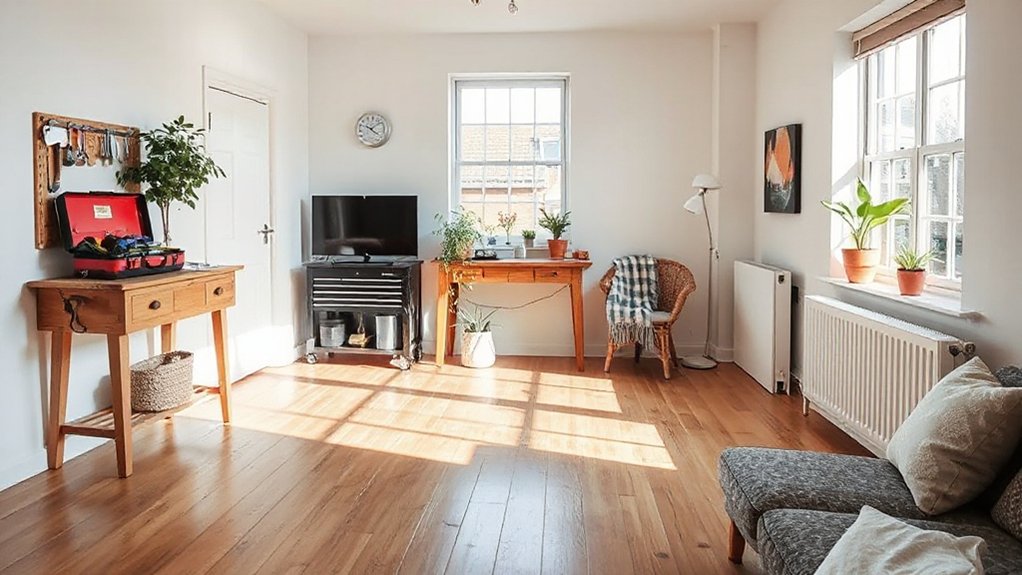
Keeping up with maintenance isn’t a cost you guess at—it’s ROI you can measure. You’ll protect value and tenant appeal by steady, targeted habits that pay back in reliability and reviews.
- Schedule seasonal checks on plumbing, heating, and drainage to prevent costly emergencies.
- Maintain garden landscaping with tidy paths and healthy lawns—curb appeal lowers turnover.
- Implement a simple pest control routine: proactive inspections, sealing entry points, and seasonal treatments.
- Document and track fixes, costs, and outcomes so ROI is visible to you and reassuring to tenants.
Consistent touchpoints reduce downtime, preserve systems, and keep rents steady. This approach stays practical, stylish, and scalable, without overspending.
Smart Scheduling to Minimise Vacancy
Next, put your new routines to work by coordinating viewing slots, maintenance windows, and turnover plans so vacancies stay brief. Smart scheduling lets you clip downtime between tenancies, reduce days a property sits empty, and maintain steady cash flow. Build a calendar that aligns showings with peak demand, and group maintenance tasks to minimize fragility in the handover.
Use lockboxes or digital scheduling to avoid back-and-forth; confirm appointments with automated reminders to cut no-shows. Standardize turnover checklists so each turnover is predictable, fast, and thorough.
Track vacancy duration weekly, pinpoint bottlenecks, and adjust staffing or vendor timelines accordingly. This practical, scalable approach supports vacancy minimization while preserving tenant satisfaction and property condition.
Consistency and clarity win, every time.
Value-Driven RentSetting: What’s Reasonable?
Value-driven rent setting starts with clarity about value, not just cost. You’ll align rent with what renters actually receive, not what you guess they’ll pay. Focus on outcomes, not just features, and price accordingly. Here’s how to do it:
- Define value by outcomes: comfort, convenience, and maintenance predictability.
- Tie price to luxury amenities and premium furnishings that justify the premium.
- Benchmark against comparable properties, not just your costs.
- Communicate benefits clearly in listings and viewings to avoid over- or underpricing.
Simple Upgrades to Boost Landlord Reputation
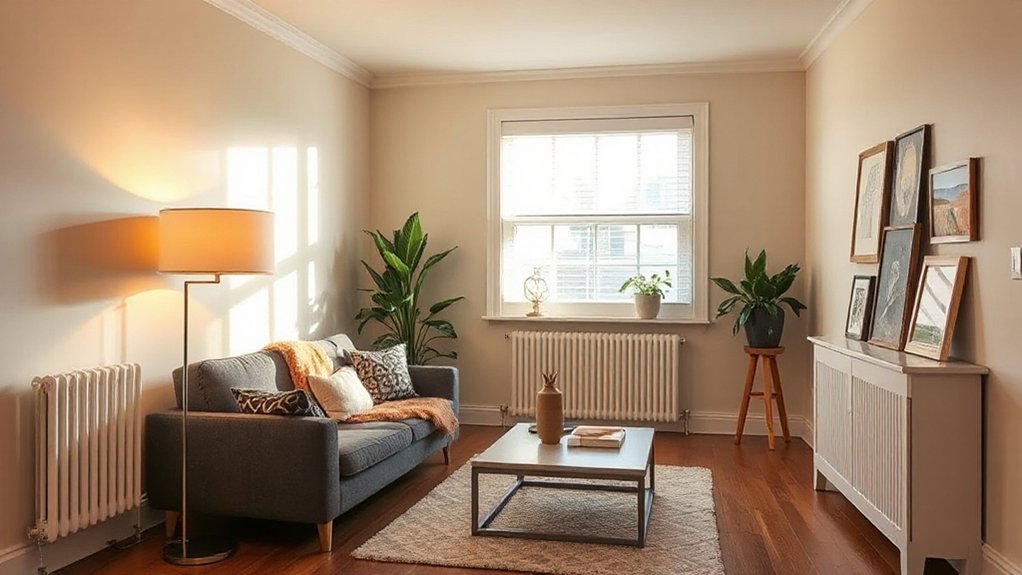
You don’t need a big budget to boost your landlord reputation—start with quick, inexpensive makeovers that make a tangible impact. Consider staging for appeal and simple upkeep upgrades that show you care about ongoing quality and tenant experience.
These small, scalable improvements set a professional tone and keep your property competitive without overspending.
Quick Inexpensive Makeovers
Ever wonder how a few smart upgrades can quickly elevate a rental’s appeal without blowing your budget? You can refresh spaces with minimal effort and real impact. Focused, affordable tweaks let you boost perceived value and landlord reputation in days, not weeks.
- Update lighting: choose warm LEDs, add dimmers, and eliminate harsh shadows.
- Refresh bathrooms: replace fixtures, add a new mirror, and re-grout where needed.
- Quick tech boosts: install smart home technology like a programmable thermostat or smart plugs.
- Outdoor curb appeal: simple garden landscaping touches, tidy borders, and a clean entrance.
These small, scalable changes create a stylish, modern feel that resonates with tenants and investors alike.
Staging For Appeal
Begin with a cohesive palette, replace dated hardware, and declutter sightlines to show spaciousness. Use scalable furnishings—multipurpose pieces that adapt to room sizes—so tenants picture their lives there.
Add understated texture: a statement rug, tactile cushions, and quality lighting to set mood without clutter.
Outdoor value matters too: garden landscaping updates and a welcoming entry boost curb appeal.
Include practical, pet-friendly features—stain-resistant textiles, durable flooring, and a secure outdoor area—to widen tenant appeal.
Keep priorities budget-conscious and execution tight, so your property sells itself quickly.
Simple Upkeep Upgrades
- Tidy the exterior with fresh mulch and neat edging to boost curb appeal instantly.
- Update lighting—warm LEDs, motion sensors, and smart switches for safety and efficiency.
- Spruce the garden landscaping with low-maintenance plants that thrive in your area, reducing upkeep.
- Add smart home devices like thermostat, locks, and cameras to convey modern comfort and security.
These tweaks maintain style and practicality, support faster lettings, and align with tenant expectations for a well-kept, technologically friendly home.
Local Partnerships for Better Value
Local partnerships can open real value for landlords by pooling resources and multiplying opportunities. You’ll tap into community networks to access services at reduced costs and coordinate bulk purchases, trimming upfront spend without sacrificing quality.
Start with local suppliers and tradespeople who offer loyalty deals or referral incentives; bundle projects to gain leverage and faster turnarounds.
Community engagement isn’t just good optics—it builds trust, boosts tenant satisfaction, and yields practical referrals for maintenance and upgrades.
Emphasize local resource sharing: share equipment, tools, and storage space to avoid duplications and idle assets.
Formalize small collaborations with neighboring landlords or housing associations to negotiate better terms, warranties, or service guarantees.
Aim for scalable models that can expand as your portfolio grows, keeping operations lean and responsive.
Clear Tenant Instructions That Help (and Protect You)
Clear tenant instructions protect you and streamline turnover. You’ll reduce misunderstandings by clarifying expectations up front, wrapping Tenant communication into every interaction, and using clean Lease agreements as your backbone. Here’s how to execute:
- Define responsibilities in writing, from move-in checklists to maintenance contacts.
- Set response timelines for urgent repairs and routine requests to keep tenants accountable.
- Provide simple, step-by-step payment and access instructions to avoid delays.
- Update contacts and processes with each tenancy to stay scalable and clear.
These practices protect you, speed up turnovers, and project professionalism. You’ll cultivate consistent standards, minimize disputes, and attract reliable tenants who value clarity and fairness. Clarity today lowers risk tomorrow.
Compliance and Safety as a Selling Point
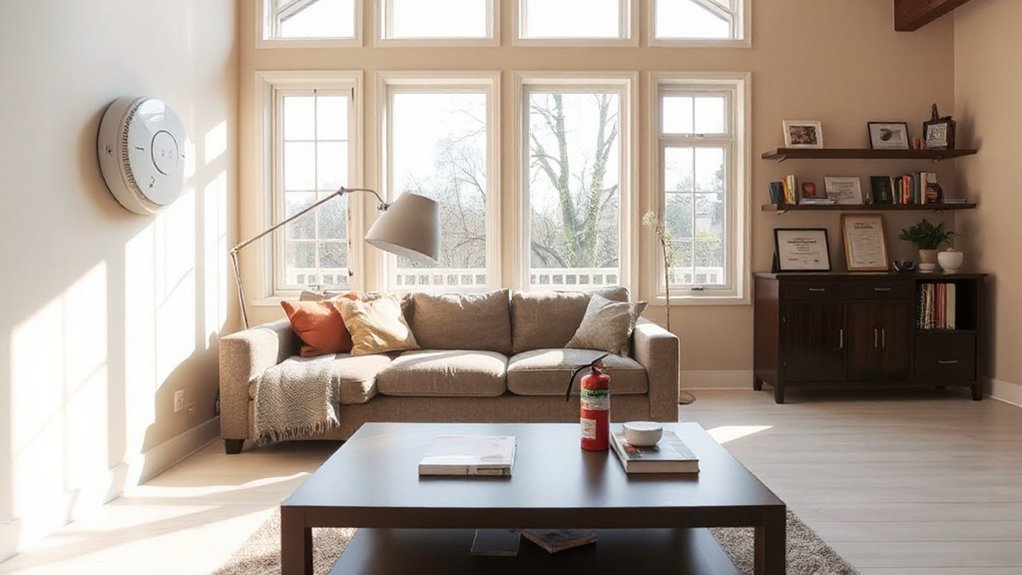
Compliance and safety aren’t optional perks—they’re compelling selling points. When you market a property, emphasize up-to-date safety measures and compliant practices to reassure prospective tenants. Quick, visible steps—monthly smoke and carbon monoxide checks, clear gas safety records, and accessible electrical certificates—signal reliability without costing a fortune.
Documented safety routines reduce turnover by building trust, which directly supports tenant retention. Highlight scalable systems: digital safety logs, predictable maintenance windows, and a responsive reporting channel.
In lease negotiations, show you prioritize protection for both sides: transparent safety disclosures, prompt remedial timelines, and risk-managed warranties. This approach differentiates your asset in competitive markets and elevates perceived value, making tenants feel secure, respected, and inclined to renew rather than relocate.
How to Measure Appeal and Occupancy Gains
Measuring your property’s appeal and occupancy gains starts with concrete, bite-sized metrics you can act on today. You’ll compare current performance against clear baselines, then adjust with purpose. Use data from Property valuation and Market analysis to frame how appealing your rental is and how full it actually is.
- Track occupancy rate monthly to spot shortfalls early
- Compare rent per room vs. market benchmarks and adjust strategically
- Measure time-to-let to gauge listing effectiveness
- Monitor vacancy duration and renewal rate to forecast stability
Use these insights to prioritise low-cost improvements that boost perception and demand. Set quarterly targets, review results, and iterate. The goal is scalable gains: faster lettings, steadier occupancy, and smarter pricing aligned with market realities.
Frequently Asked Questions
How Quickly Do Cosmetic Upgrades Impact Occupancy Rates?
Cosmetic upgrades can boost occupancy within weeks, especially if you showcase luxury renovations and high end fixtures in photos and tours. You’ll see faster rents, repeat inquiries, and scalable demand as tenants envision premium living without overbuying.
What Budget Range Yields the Best ROI per Room?
A prudent budget range yields the best ROI per room, you’ll see. Picture sharp upgrades stacking up; you optimize relentlessly. Budget strategies guide decisions, ROI optimization follows, scalable improvements that maximize occupancy without overspending, keeping your portfolio stylish and practical.
Do Pets Affect Value and Rentability of Upgrades?
Yes—pet considerations can boost appeal if you manage upgrades smartly; upgrading impact depends on durability and layout. You’ll attract more tenants and sustain rents, so prioritize pet-friendly flooring, smart doors, and robust, scalable improvements.
Which Minor Fixes Deter Costly Maintenance Long-Term?
Install durable, low-maintenance decor with decorative touches that elevate style. Prioritize energy efficiency upgrades, like LEDs and insulation, to deter costly long-term maintenance while boosting appeal, practicality, and scalability for your rental property.
How to Prioritize Improvements for Multiple Properties?
Prioritize improvements by impact and cost, focusing on high-traffic areas first. You’ll refresh interiors with practical decor and scalable styling, while upgrading landscaping aesthetics gradually. Allocate budgets per property, then benchmark results to refine interior decor decisions and scalability.
Conclusion
You can boost rental appeal without bloating your budget by prioritizing renters’ needs, tackling quick fixes, and partnering for value. An eye-catching stat: upgrading energy efficiency can cut typical utility bills by 10–15%, making your property feel cheaper to run and more attractive. Track occupancy and tenant turnover to see real gains, then scale successful tweaks across listings. Stay practical, stylish, and repeatable: invest smart, communicate clearly, and let safety and comfort drive referrals and steady occupancy.