A leaky cabinet hinge seems minor, but it can signal hidden moisture behind walls that wrecks cabinets and framing. When you skip these small fixes, you’re letting problems compound, not just patching them. That delay invites bigger costs, safer risks, and a sharper decline in value. You’ll want to know which quick, budget-friendly fixes pay off now and how to weave maintenance into every reno so minor issues don’t escalate.
Hidden Costs Lurking Behind Small Fixes
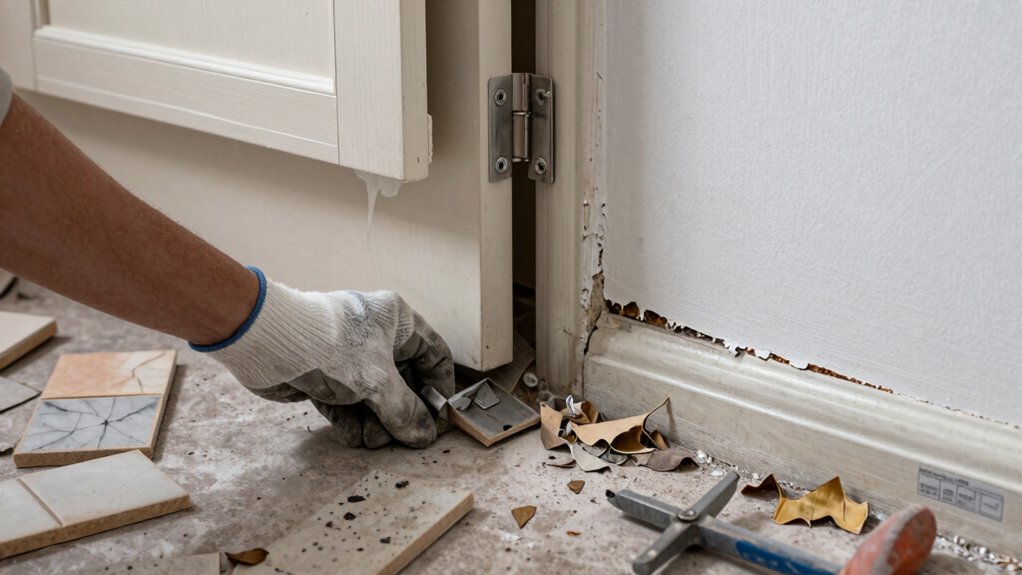
Hidden costs often sneak in when you’re fixing small things during a renovation, and they can derail your budget if you don’t spot them early. You’ll encounter price drift from tiny materials, fasteners, or finishes you didn’t plan for, because those add-ons multiply when you don’t track them. You won’t realize the return trips, disposal fees, or permit tweaks until a project is underway, and the clock starts ticking.
Budget for mismatches between room dimensions and standard components, and expect tool wear or rental overages you didn’t foresee. Document every purchase, compare alternatives, and set a contingency you can defend against. Staying disciplined with receipts and forecasts keeps luxury upgrades from creeping into essential fixes, maintaining momentum without sacrificing quality or schedule.
The Domino Effect: How Tiny Issues Escalate
You’ve likely seen small issues pile up in other projects, and the same pattern repeats here: a loose hinge, a mismatched screw, or a paint finish that doesn’t match can ripple outward, forcing adjustments you hadn’t planned.
Those tiny glitches create a chain reaction, because components share spaces, tolerances, and timelines. A minor misalignment in one area stresses adjoining joints, speeds wear, and invites shortcuts that compound the problem.
You’ll often discover budget surprises when you chase symptoms rather than causes, chasing faster fixes instead of durable solutions. By addressing root causes early—accurate measurements, proper fittings, clean surfaces—you collapse future friction.
The domino effect becomes controllable, not omnipresent. Plan for integration, test fits, and confirm compatibility before finalizing, so small issues don’t derail the renovation’s overall flow.
Moisture and Mould: Quiet Renovation Killers
Moisture and mould quietly sabotage renovations, so you should tackle them before they become bigger problems. You’ll notice dampness behind walls, musty smells, and surfaces that feel soft or discolored. Don’t wait for visible symptoms to worsen; treat early signs as urgent alerts.
Start with ventilation: open windows, run exhaust fans, and balance humidity levels to under 60 percent. Inspect seals around windows, doors, and plumbing penetrations, replacing cracked gaskets or aging caulk.
Dryness is your ally—fix leaks promptly, dry soaked materials, and use dehumidifiers in damp rooms. When mould appears, address it safely: isolate the area, wear protective gear, and remove contaminated material if necessary.
Document issues, budget for improvements, and implement a moisture management plan to prevent costly damage and health risks.
Structural Subtleties That Bite Back

Structural subtleties aren’t flashy, but they bite hard if neglected: framing integrity, load paths, and connections between components determine how a renovation holds up over time. You’ll feel the difference when joints shift, studs bend, or fasteners fail under new stresses.
Start with a calm assessment: verify that walls are plumb, floors level, and transfers between levels are continuous. Don’t overlook header sizing, beam continuity, or proper nailing patterns; small mistakes compound under load.
Test movement with seasonal shifts, then address gaps before cosmetic work hides problems. Material choices matter: compatible lumber, steel connections, and proper flashings prevent hidden rot and fatigue.
Document critical details for future remodeling, and plan for serviceability—accessible joints, clean load paths, and replacements before performance deteriorates. Structural mindfulness saves both time and money.
Budget Gutters: When Small Repairs Overflow
Gutters aren’t glamorous, but when small fixes spill over, the bill adds up fast. You’ll notice inexpensive leaks or misaligned downspouts early, yet underestimate the cascade when neglected.
Plan for budget gutters by prioritizing fixes that protect foundations, siding, and landscape beds. Inspect seasonal connections, seals, and brackets; replace worn hangers before they rust into bigger holes.
Choose materials suited to your climate and guarantee proper slope to prevent standing water. If you’re installing or patching, keep a conservative headroom for labor and miscuts, then document costs for future reference.
Avoid over-committing with premium options you won’t see value from soon. Treat gutter work as a finite project, with clear milestones, defined success criteria, and a disciplined purchase list that preserves core renovation funds.
Time Is Money: Delays From Niggling Problems
Delays from niggling problems aren’t just annoying—they cost you time and money every day. Each small snag adds minutes to planning, sourcing, and redoing tasks you thought were settled.
You’ll pay in friction: waiting for parts, chasing contractors, and juggling schedules that shift your broader renovation timeline. By tackling these issues promptly, you reallocate stamina and budget toward progress rather than firefighting.
Create a quick triage routine: identify the five most nagging faults, estimate impact, and set two-hour fixes or a same-day repair window. Document expectations, warranties, and contacts so responses stay tight.
Prioritize fix-first logic over postponement, and batch noncritical tasks to minimize context switching. Remember, consistency in small repairs compounds into predictable milestones and sharper, lower-cost project momentum.
Safety Hazards You Can’t Ignore
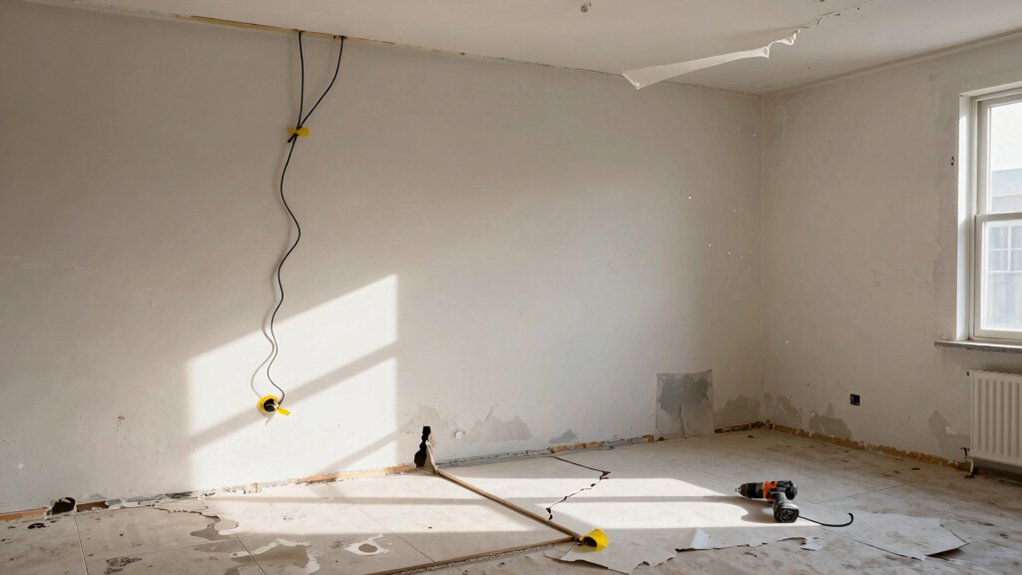
Unexpected hazards can derail a renovation fast, so you should address them before you lift a single tool. You’ll protect yourself by identifying electrical, structural, and moisture risks early. Check for frayed cords, exposed outlets, and overloaded circuits, and shut power at the breaker before any work near wiring.
Inspect ceilings, floors, and stairs for loose boards, rot, or wobble, since a sudden collapse won’t wait for permits. Verify ladders are stable, and wear appropriate PPE—goggles, gloves, and a dust mask—especially when cutting or sanding.
Treat mold and lingering water damage as nonnegotiables; address them before finishes go in. Document hazards, prioritize fixes, and don’t skip professional assessments if warnings persist.
Afterward, create a safety checklist to sustain vigilance throughout the project.
Value Loss: How Small Neglects Affect Resale
Small oversights during renovations may seem minor, but they quietly chip away at resale value. When you skip cosmetic touch-ups or delay updating dated fixtures, buyers read risk into every detail. A crack in trim, uneven paint lines, or a mismatched switch plate signals neglect to the next owner, and risks a price discount.
You reduce perceived quality more than you realize, even if functionality remains intact. Consistency matters: mismatched finishes, sloppy caulk, or lingering odors undermine trust and push buyers toward lower offers.
Documented repairs, clean lines, and freshly sealed gaps show you cared enough to finish right. You’ll protect value by prioritizing finish-quality over sheer scope, ensuring each visible surface reinforces reliability rather than doubt.
Thoughtful, precise touch-ups keep the market’s focus on value, not flaws.
Quick Wins: Budget-Friendly Fixes That Pay Off
If you want meaningful returns without a full remodel, start with quick, budget-friendly fixes that strengthen first impressions. You’ll notice small upgrades that deliver big impact: fresh caulk around tubs, resisting mold and leaks; bright LED bulbs in fixtures for cleaner light; and door hardware updates that feel substantial without a replacement cost.
Tackle minor drywall flaws with patch-and-paint touchups so walls look uniform. Refresh cabinet lighting, add inexpensive organizers, and declutter countertops to create perceived space.
Focus on entryways: a clean door, functional mail slot, and a welcoming doormat. Speed matters, so choose fixes you can complete in a weekend and document before-and-after for credibility.
Prioritize fixes that reduce ongoing maintenance needs, boosting perceived quality without triggering a full-scale renovation.
Smart Planning: Embedding Maintenance Into Renovations
You’ll set a clear maintenance cadence by scheduling upkeep alongside the renovation timeline, so nothing slips through the cracks.
Build in a maintenance plan that assigns tasks, frequencies, and responsible people, turning upkeep into a standard part of the project.
This approach keeps systems reliable and protects your investment over time.
Schedule for Upkeep
A smart upkeep schedule starts at the planning table, when you map out not just what to fix during renovations but how you’ll maintain those updates over time. You’ll align seasonal checks with new installations, so every surface and system has a clear rhythm.
Assign owners, frequencies, and quick actions—oil hinges twice a year, seal joints after heavy use, test alarms monthly. Build in milestones that trigger inspections, not panic fixes.
Use simple trackers: a shared calendar, a punch list, a maintenance log. Prioritize tasks by risk and impact, not convenience. Budget time and funds for predictable maintenance, not emergencies.
Embed documentation with warranty details, manuals, and contact numbers. This proactive approach reduces downtime, preserves value, and keeps your renovations performing as planned.
Build-In Maintenance Plan
Smart planning weaves maintenance into renovation expectations from day one, so you don’t retrofit a schedule after the fact. A Build-In Maintenance Plan embeds tasks, timelines, and responsible parties into contracts and design documents, not as afterthoughts.
You’ll align materials, finishes, and systems with predictable service needs, reducing disruption and cost creep. Start by inventorying critical components—roof seams, caulking, seals, HVAC filters, plumbing joints—and assign inspection intervals tied to prior failures. Use simple checklists and a shared calendar, so repairs aren’t buried in separate projects.
Budget a maintenance reserve that matches the plan, and specify supplier warranties and response times. Guarantee handoffs between trades include maintenance expectations, so future owners understand care routines.
This approach preserves performance, extends lifespan, and keeps renovations financially transparent.
Frequently Asked Questions
How Do Small Repairs Affect Overall Project Timelines?
You’ll see small repairs ripple through schedules, like dominoes you topple early. You fix one issue now, and you avoid cascading delays later, keeping crews synchronized, budgets sane, and milestones reachable, with steadier progress across every phase.
What Hidden Costs Do Tiny Fixes Add up To?
Hidden costs include compounding repairs, expedited service fees, and concealed damage growing from delays; you’ll pay more later for mismatched materials, space rework, and safety risks. Plan, budget, and address tiny fixes promptly to minimize surprises.
Can Minor Issues Void Warranties or Insurance?
Yes, minor issues can void warranties or insurance if neglected, so you’ll be financially on the hook. Ironically, skipping small fixes feels clever until leaks and gaps reveal your “savvy” plan’s real cost, revealing meticulous, practical consequences you can’t ignore.
How Should I Prioritize Repairs for Maximum ROI?
Prioritize repairs by ROI: tackle structural, moisture, and safety fixes first; upgrade systems with low ongoing costs, like insulation or seals; document everything for warranties; schedule high-impact tasks before finishing touches; avoid delaying costly emergencies or permits.
When Is Delaying a Small Fix More Costly Long-Term?
Delaying a small fix becomes costlier when damage compounds, causing bigger repairs, safety risks, or energy waste. You save now, but you’ll pay more later in downtime, higher bills, and reduced home value as problems grow unaddressed.