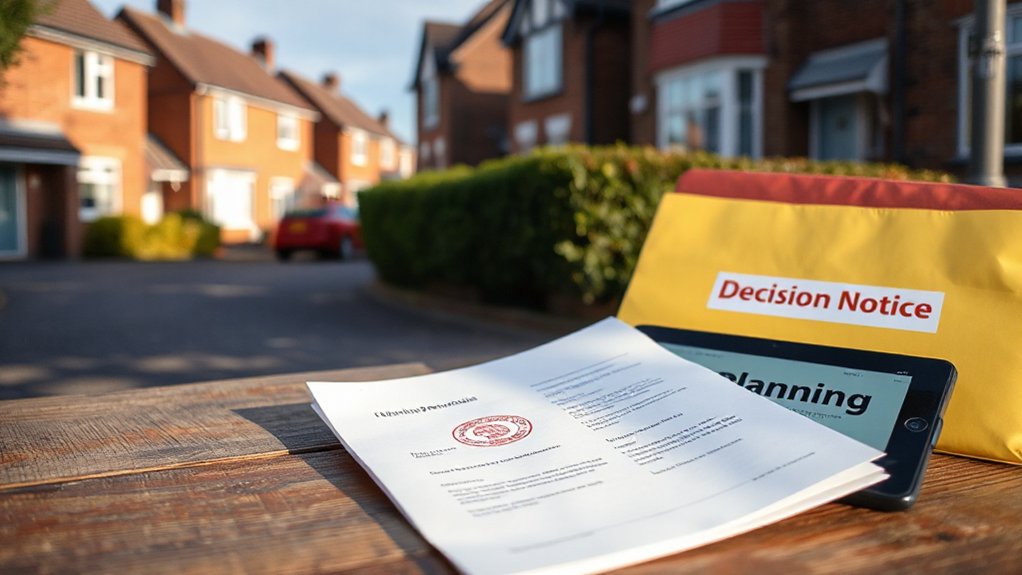
Planning permission costs for your UK extension vary by region, scope, and application type. You’ll face fees for standard and validated applications, plus optional services, with Permitted Development usually cheaper or free and Full Planning higher due to review complexity. Before you budget, confirm local fee structures and any regional nuances, then weigh how site specifics and design choices push costs up or down. The next step is to map out routes and factor in potential delays that could affect your timetable and overall budget.
What Planning Permission Covers for UK Extensions

Planning permission for UK extensions covers the key limits and controls on what you can build and how it’s shown on your plans. You’ll learn which extensions need permission, what drawings to submit, and how conditions are attached.
Planning permission confirms that your proposal respects site boundaries, neighbour considerations, and overall town planning policies. It doesn’t substitute for technical checks like Building regulations, which ensure structural safety, insulation, fire safety, and accessibility.
You’ll still need to address environmental impact, materials, and appearance to align with local guidance. The decision may involve planning officers and local councils, who assess design, scale, and impact on street scenes.
Knowing these safeguards helps you prepare robust plans, reduce revision cycles, and avoid costly delays.
Permitted Development Versus Full Planning: Quick Decision Guide
Permitted Development can save time and money, but it has limits you must respect. If your project fits straightforward PD criteria, you can skip a full planning application; otherwise, you’ll need full planning to avoid later issues.
This quick decision guide helps you spot when PD applies and when to apply for full planning.
Quick PD vs Full Planning
If you’re weighing options after a planning idea, you’ll want a quick read on PD versus full planning: Permitted Development saves time and costs, while full planning offers control and potential scope for changes.
- Quick PD is simple for small extensions, but check size, height, and location limits.
- Full planning gives design flexibility, detailed conditions, and potential for bespoke alterations.
- Decide early on design aesthetics and Building regulations implications to avoid later rework.
PD versus full planning hinges on your priorities: speed and cost vs. control and future-proofing.
For design aesthetics, PD can constrain appearance, while full planning allows tailored aesthetics with more evaluation.
Always align with Building regulations from the outset to prevent conflicts or delays, ensuring a smoother project path.
When to Apply For Permitted Development
Determining when to apply Permitted Development versus full planning hinges on your project scope and timing. You’ll decide quickly if a PD route fits, or if you need a full planning application to protect design aesthetics and future flexibility.
Start by mapping size, height, and location against PD limits—eaves, setbacks, and exclusions vary by area. If you’re within the rules, you save time and cost, but you must still check Building Regulations compliance and any prior approvals.
If boundaries or amendments push you beyond PD, prepare for full planning with professional drawings and a design-led justification.
Do You Need Prior Approval? How It Differs From Planning
Prior to starting a project, you should understand whether you need prior approval and how it differs from standard planning permission. Prior approval is narrower, focusing on specific impacts rather than full development details, and often offers quicker, cheaper outcomes.
Planning remains broader, requiring more thorough scrutiny of design and impact. You’ll still need to meet Building regulations, and you should consider Design aesthetics as part of your approach, since visuals can influence local acceptance.
- Understand what triggers prior approval versus full planning
- Compare timelines, costs, and risk for each route
- Verify how each path aligns with Building regulations and design goals
In practice, choose the route that protects your design aesthetics while ensuring compliance and predictable consent timelines.
How Planning Fees Vary by Region in the UK
Planning fees aren’t the same everywhere in the UK, and region matters more than you might think. You’ll notice regional regulations shape how authorities set charges, so the total you pay for an extension varies by location.
Local planning authorities apply different fee structures, meaning similar projects can cost more or less depending on where you submit. In England, Wales, Scotland, and Northern Ireland, the base rate often changes with project type and scale, plus potential supplements or exemptions.
Expect a mix of standard application fees, validation costs, and optional services offered by councils. To avoid surprises, check the exact fee structures for your area before you apply, and confirm any regional adjustments with your local planning department.
What Influences Planning Fees? (Factors and Ranges)

Fees aren’t set in stone; several factors determine what you’ll pay for planning permission. The main drivers are project scope, site characteristics, and local authority policies, which shape the overall fee band you fall into.
You’ll also notice ranges based on building complexity, potential need for consultations, and whether your plan triggers additional assessments under Building regulations.
In practice, understanding these elements helps you budget confidently and avoid surprises.
- Project scope and complexity
- Site constraints and local policy implications
- Architect fees and Building regulations requirements
How to Estimate Standard Domestic Extension Costs
To estimate standard domestic extension costs, start with the baseline figures you’ll likely face for materials and build quality.
Then factor in labor rates and any site-specific premiums, plus a sensible contingency to cover unforeseen issues.
Don’t forget to include fees for professional services and permissions so your total forecast stays realistic.
Estimating Baseline Costs
- Define scope precisely to stabilize costs
- Use unit rates and contingency for accuracy
- Compare against typical benchmarks
Factor Labor Rates
Begin by identifying typical roles—carpenters, trades, and site labor—and their average labor costs in your area. Use current wage rates as a baseline and apply short-term adjustments for peak season or overtime if relevant, but keep to standard hours when possible.
Consider productivity factors: framing, insulation, and finishing tasks vary by scope, so allocate time estimates accordingly.
Remember that labor costs interact with materials and permits, so document assumptions clearly.
Finally, cross-check against regional benchmarks to confirm your estimates are realistic and defendable for permit submissions.
Contingency and Fees
- Estimate contingencies early and base them on project risk and design complexity.
- Separate permit documentation costs from construction fees for clarity.
- Regularly review costs against progress and adjust your plan proactively.
Surveys, Reports, and Other Requirements You May Face
When you’re planning a UK extension, several surveys, reports, and related requirements may shape your timeline and costs.
First, expect a structural survey if your project alters load-bearing walls or foundations.
A building-control submission is mandatory for compliant work, with inspections at key stages.
You might need a party wall agreement if you share boundaries, plus rights to light considerations in some areas.
Environmental or flood risk checks can apply depending on location, and asbestos or other hazardous materials surveys may be required for older properties.
Budget for drainage and services notices if you’re modifying networks.
Practical tasks like garden fencing and interior decorating are influenced by these steps, influencing permissions before you start and avoiding red-tape delays.
Do You Need a Planning Consultant? Costs and Value

Charting planning permissions for a UK extension often hinges on whether you need a planning consultant, and what value they add. A consultant clarifies requirements, speeds decisions, and reduces risk of costly delays. You’ll weigh their fees against potential savings from smoother approvals and fewer design revisions.
The key value lies in steering design aesthetics, policy nuance, and construction permits efficiently, so your project stays on track.
- Understands local policy quirks and potential waivers
- Helps align design with approvals and avoid rework
- Presents robust, compliant applications to shorten decision times
Choosing to hire depends on project complexity, site constraints, and your confidence in self-application. If you’re unsure, a brief assessment can reveal whether specialist input delivers tangible time and cost benefits.
How to Plan for Neighbour Consultation and Timelines
Planning for neighbour consultation starts early and is essential to keep your project on track. You’ll set expectations, define who to contact, and establish a clear timeline. Begin with a simple briefing note for neighbours, outlining scope, dates, and how you’ll handle feedback.
Prioritise Neighbour engagement by offering a single point of contact and accessible channels for questions. Document deadlines for responses and decisions to support timeline management.
Schedule early consultation windows and respect local noise and access restrictions to minimise disruption. Use concise summaries, not technical jargon, when sharing drawings or details.
Track responses and adjust plans transparently; communicate changes promptly. Maintain a brief, ongoing log of correspondence to demonstrate proactivity and goodwill throughout the process.
Typical Delays in Planning and How to Budget for Them
Planning permission doesn’t guarantee a smooth path, and delays happen even with solid neighbour engagement. You should budget for common timelines, penalties, and risk factors, so you’re not caught short if a decision drags or requests more information arise.
Track environmental impact early and align with local policy aims to prevent learn-as-you-go revisions. Historical approvals can set precedent, so review council minutes and appeal outcomes to calibrate expectations.
- Identify likely bottlenecks (consultations, environmental reports, and planning officer requests) and build a contingency for each.
- Budget time and money for potential extensions to the statutory period, resubmissions, or additional evidence.
- Use prior approvals as a benchmark, verifying if your scheme aligns with established patterns to reduce revision cycles.
How Site Specifics Affect Costs: Materials, Size, and Design

Site specifics directly drive costs for extensions. You’ll see material choices, size, and design shape every line you pay. Materials selection determines bulk costs, maintenance needs, and delivery timing, so pick durable options that balance upfront price with long-term value.
A larger footprint increases foundations, insulation, and finishing work, pushing labor and permit considerations higher. Design customization matters: intricate schemes or non-standard shapes raise fabrication and carpentry time, while simpler layouts save you both money and risk of delays.
Consider ceiling heights, glazing, and roof types early, since each tweak cascades into framing, waterproofing, and approvals. By aligning materials and design with your budget, you reduce surprises and keep the project within planned timelines and costs.
Comparing Total Project Costs Across Routes (Planning, PD, and Prior Approval)
Charting planning routes affects the total bill as much as the design itself; each route—full Planning Permission, Prior Approval, or Permitted Development—carries distinct cost profiles and timelines.
You compare not just fees, but fees plus potential delays, compliance checks, and risk.
Planning Permission often wears the highest upfront cost but offers maximum flexibility and control.
Prior Approval delivers steadier timelines with narrower scope, sometimes saving money if your project fits.
Permitted Development can be cheapest but limits extensions and may trigger retrospective costs if limits change.
Consider environmental impact and historical preservation early, since any constraints here can shift both cost and schedule.
Align choice with budget, site realities, and risk tolerance to avoid surprises.
- Compare upfront fees, potential delays, and compliance costs across routes
- Weigh environmental impact and historical preservation constraints early
- Balance flexibility, risk, and budget to pick the most cost-effective route
Practical Steps to Budget Accurately From Day One
To budget accurately from day one, start with a clear baseline: itemize every cost you’ll face, from site surveys and planning fees to construction and contingency. You’ll establish firm targets by listing hard numbers for labour, materials, permits, and consultant fees, then add a realistic cushion for unknowns.
Track each line item in a simple spreadsheet, updating as quotes come in and decisions shift. Prioritize design aesthetics early, but prevent scope creep by documenting decisions and approvals.
Incorporate Sustainability practices from the outset—choose cost-effective materials, energy-efficient systems, and long-term maintenance costs.
Build in a review window after initial bids to compare suppliers, check value for money, and adjust for risk. Regularly revisit the baseline to stay aligned with budget, time, and quality goals.
Frequently Asked Questions
How Long Does Planning Permission Approval Typically Take?
Usually, planning permissions take 8–12 weeks, but it varies; you’ll navigate Building Regulations and Environmental impact checks, potentially speeding up if your proposal aligns with standards. You’ll prepare documentation, respond quickly, and monitor progress for any delays.
What Counts as “Development Proposals” for Extensions?
Extensions count as development proposals when you’re altering the footprint or visual appearance, including enlargements, new dormers, or conversions. Verify building regulations compliance and assess environmental impact before submitting, to avoid delays or refusals.
Are Cobuild or Joint-Venture Projects Treated Differently?
Joint ventures and project distinctions affect treatment differently; you’ll see separate allowances, shared responsibilities, and distinct consent routes. You weigh risk, financing, and approvals, compare options, and choose whether joint ventures fit your extension plan better than solo builds.
Do Listed Buildings Require Special Permissions for Extensions?
Yes, listed buildings require listed building consent for extensions. You must consider heritage preservation, and you’ll need to align with Building regulations, planning constraints, and potential mitigations before starting work.
Can Planning Fees Be Refunded if Plans Change?
If you’re wondering, yes, planning fees can be refunded in part or full when plans change, depending on progress and authority rules. Refund policies and fee calculation vary, so check your local planning office and submit promptly.
Conclusion
Planning permission costs vary by region, scope, and route, so start with a realistic budget and build in contingencies. Prioritize PD or prior approval where possible to save time and money, but don’t skip fees you must face for full planning. Track fees, validation, and any local supplements, then layer in design, survey, and potential delays. Think of costs as a staircase: plan each step, don’t skip ahead, and you’ll climb to project completion without surprises.