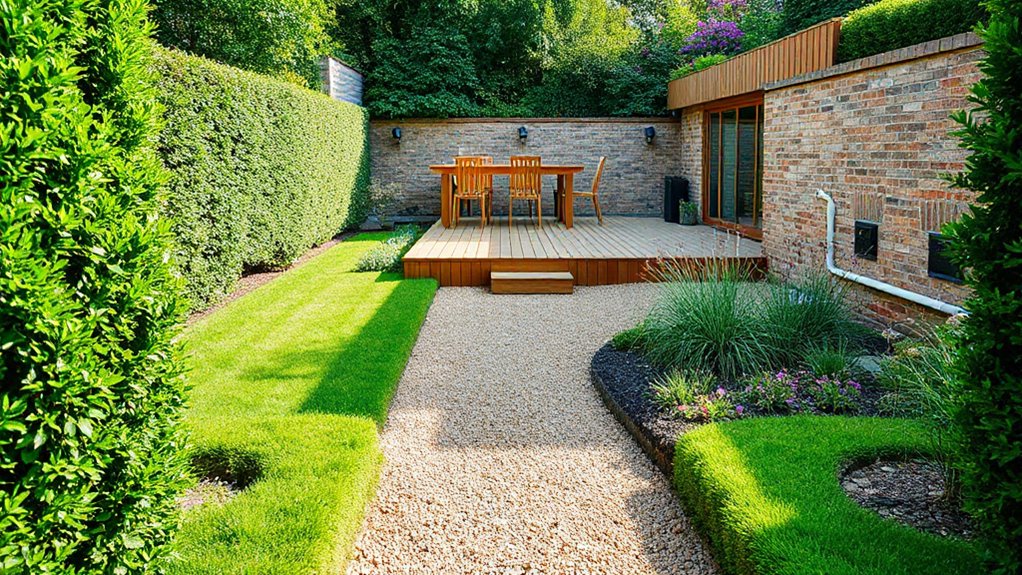
A well-planned UK garden instantly boosts curb appeal, value, and sales speed by delivering durable, low-maintenance styling that suits our climate and highlights your property’s best features. Focus on a neat exterior, cohesive color palettes, and weather-resistant materials. For front gardens, assess sunlight, drainage, and wind, then choose climate-hardy plants and durable hardscape. Layer lighting for evenings, create inviting pathways, and add storage-friendly features. Keep it tidy and cohesive—more tips will follow if you continue.
Why UK Landscaping Boosts Home Value

In UK markets, smart landscaping adds measurable value by boosting curb appeal, extending outdoor living, and reducing maintenance costs. You’ll see home value rise when you align garden architecture with functional spaces, creating defined zones for dining, play, and relaxation.
Thoughtful trees, shrubs, and borders frame the facade, guiding the eye to architectural details and enhancing perceived quality. A well-designed layout reduces turbulent maintenance cycles and water waste, which buyers prize.
Focus on soil improvement to support healthy plant performance and long-term stability, minimizing replacement costs. Integrate durable materials and low-maintenance plant palettes that withstand UK weather.
Present a coherent, modern aesthetic that complements interior finishes, signals care, and communicates a turnkey potential buyers can trust.
First Impressions: Curb Appeal Essentials
First impressions start at the curb, so prioritize a clean, intentional approach to your home’s exterior: a neat, well-lit entry, a cohesive color palette, and durable, low-maintenance materials that weather UK seasons.
You’ll tighten the look with a clear pathway, trimmed lawn edges, and visible house number signage.
Focus on balance: let outdoor lighting highlight architectural features while avoiding glare.
Choose materials that resist rain and temperature fluctuations, and maintain a consistent finish across doors, railings, and cladding.
Garden sculptures can serve as focal points but should remain proportionate and tasteful, not overpowering.
Integrate garden lighting to extend curb appeal after dark, guiding visitors gently toward the entry.
This practical, design-forward approach creates instant visual confidence for buyers.
How to Assess a Front Garden for a UK Climate
A UK garden worth highlighting to buyers starts with a practical assessment of climate realities: assess sunlight patterns, rainfall, and wind exposure to determine plant choices and hardscape durability.
As you perform a front garden assessment, focus on how the UK climate considerations shape structure and selection. Identify sun hours, shade pockets, drainage, and resilient materials that endure damp winters and dry summers.
Choose plants with proven performance for your region and plan hardscape that won’t shift or crack under freeze-thaw cycles. Prioritize colour, texture, and seasonal interest within climate limits, ensuring maintenance remains reasonable for busy buyers.
- Evaluate sun exposure, drainage, and wind impact for plant and hardscape choices
- Select climate-hardy species and durable materials
- Harmonize seasonal color with low maintenance routines
Design Principles for Low-Maintenance Planting
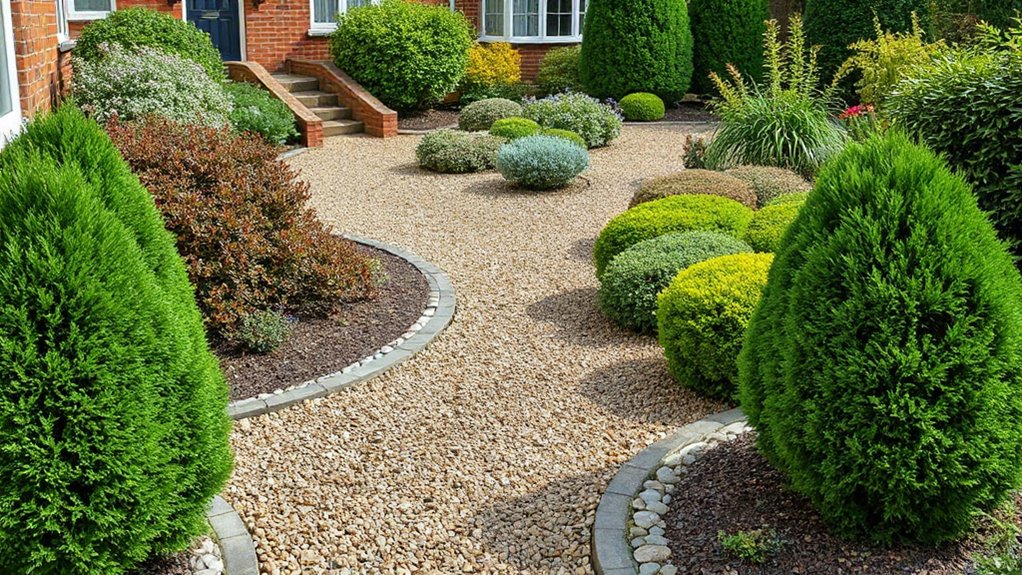
To start with, focus on Low-Maintenance Planting Basics like selecting hardy, drought-tolerant species and grouping plants by water needs to simplify care.
Build Year-Round Structural Interest by using evergreen backbone, seasonal foliage, and texture contrasts so the garden reads well in every season.
Keep the layout design-forward with clear drifts, smart groundcovers, and mulching to suppress weeds and reduce upkeep.
Low-Maintenance Planting Basics
Low-maintenance planting is about choosing smart, resilient elements that look good year-round and survive with minimal care. You’ll prioritize tough perennials, drought-tolerant grasses, and evergreen groundcovers, pairing them with smart soil prep and mulching to reduce watering needs.
Focus on plant selection that supports local climate, pest resistance, and seasonal interest without frequent replacement. Use garden art and simple hardscape cues to heighten visual impact, not maintenance demands.
Streamline care by grouping plants with similar water and light needs, and install smart irrigation to avoid overwatering. Emphasize texture, form, and low upkeep.
- Choose drought-tolerant, low-maintenance species
- Group by sun exposure and water needs
- Use mulch and irrigation to minimize upkeep
Year-Round Structural Interest
Choose durable, drought-tolerant options and group them by season to avoid gaps. For an evergreen backbone, select architectural evergreens and tall grasses that hold form in winter.
Integrate seasonal foliage accents to survive with minimal care, rotating color via perennials and shrubs rather than annuals. Prioritize scale and repetition to guide the eye and reduce upkeep.
Use contrasting leaf shapes and textures to maintain visual interest when foliage thins. Plan for year-long interest by spacing for growth, considering mature size, pruning needs, and access for routine maintenance.
Year-Round Color and Texture Strategies

A continuous tapestry of color and texture keeps a UK garden engaging across seasons, so choose plants and materials that deliver visual impact from spring through winter. You’ll cultivate year-round appeal by pairing dynamic foliage with seasonal blooms and durable textures, prioritizing color contrast to guide the eye through the landscape.
Use evergreen structure as a backbone, then layer perennials for successive interest and quick-dix color swaps. Combine red-tinted leaves, blue-gray foliage, and sunny bloom accents to maintain visual energy even in dull months.
Plan for manageable maintenance and container flexibility so you can refresh without heavy lifting.
- Seasonal blooms pair with evergreen backbone for steady interest
- Color contrast directs attention and creates focal points
- Textured materials add depth during off-peak seasons
Privacy Screens That Still Let Light In
Light-filtering privacy fences and sunlit privacy screens offer you reliable screening without sacrificing daylight. You’ll performance-check for even light distribution, breeze passage, and clean sightlines that keep rooms bright and welcoming.
Prioritize materials and finishes that resist UK weather while preserving a modern, design-forward vibe.
Light-Filtering Privacy Fences
- Choose slatted or lattice panels that diffuse light while maintaining sightlines.
- Opt for weathered timber or powder-coated metal for durability and a contemporary edge.
- Integrate climbing plants or vertical screens to soften edges and add texture.
This approach preserves yard openness, supports active use, and reinforces property boundaries with style. It’s practical for small plots and aligns with design-forward trends, delivering easy maintenance and consistent curb appeal.
You’ll achieve a refined boundary that feels inviting, not isolating, while keeping pathways bright and navigable.
Sunlit Privacy Screens
You’ll create zones that feel open yet private, ideal for UK terraces and small gardens. Choose materials that resist damp and fading, like powder-coated metal or treated wood, to sustain ambient light without glare.
Position screens to frame views and encourage cross-ventilation, adding adjustable slats or removable sections for seasonal brightness control.
Contrast solid borders with airy patterns to maximize depth and perception of space. Mount screens at eye level or slightly above to guarantee privacy without darkening interiors.
The result is sunlit privacy screens that blur boundaries gracefully, inviting outdoor living while preserving essential seclusion.
Front Door Staging for Instant Impact
Ever wondered why the front door is the first impression buyers notice? It sets expectations before they even step inside. Front door staging should be intentional, minimal, and durable, so you project curb appeal at a glance.
Choose a confident door colour that contrasts with the façade, polish hardware, and replace a tired mat to signal care. Add lighting that flatters architectural details and guides the eye to the entry.
Keep greenery purposeful: a single statement plant or elegant planters frame the doorway without clutter. Focus on symmetry for a welcoming feel and guarantee maintenance is effortless for showings.
- Statement plant or pair of planters
- Fresh-forward door hardware and a bold colour
- Subtle, energy-efficient lighting for evening showings
Pathways That Welcome From Gate to Door
You form the first impression with a welcoming gate and a clear, tidy pathway that invites visitors toward the entry.
Prioritize a straight, well surfaced route with subtle lighting and defined edging to guide the eye and feet.
Consider planting accents along the sides to frame the entry, enhancing curb appeal while keeping maintenance practical.
Welcoming Gate Appeal
Transforming the approach from gate to door starts with a clear, welcoming rhythm: a well-defined path, clean edges, and inviting materials that signal safety and care.
Welcoming gate appeal isn’t just about looks; it sets first impressions and shapes expectations. You guide visitors with a cohesive progression from curb to porch through durable fencing, low-profile lighting, and a gate that reads as a promise of privacy and order.
Practical detail matters: choose materials that resist wear, maintain softness where pedestrians pause, and synchronize with the overall garden scheme.
- Use garden art as accent that echoes the yard’s character
- Create Wildlife habitats that invite curiosity and slow the pace
- Select lighting that highlights texture while remaining welcoming
Pathway to Entryway
A welcoming pathway from gate to entry sets the tone for the entire approach, guiding visitors with a clear, continuous line from curb to porch. You design this route to be legible at a glance, using durable materials that resist UK weather and require minimal upkeep.
Favor a single, cohesive material or a restrained mix to avoid visual clutter, with edging that defines borders and slows the pace gently. Integrate garden sculptures as focal points junctures, not busy distractions, so the eye rests before reaching the door.
Place outdoor furniture at strategic viewpoints to invite lingering and preview the home’s scale. Guarantee lighting is low glare, fixtures flush with pathways, enhancing safety while preserving the route’s calm, inviting rhythm.
Gravel and Paving Transitions That Read Premium
Gravel and paving shifts set the premium tone between front gardens, driveways, and entry paths, signaling quality at a glance. You’ll create a seamless flow that parcels space without shouting, using materials that age gracefully and stay low-maintenance.
Focus on alignment, edging, and consistent texture to reinforce premium transitions and paving elegance. Choose gravel sizes and paving patterns that complement your house style, then connect zones with crisp, unobtrusive borders.
Lighting and subtle contrasts heighten the perception of quality, especially at dusk.
- Cohesive material palette across zones
- Clean edging and joint detailing
- Strategic lighting that guides the eye toward entry points
Sustainable Landscaping for Busy Households
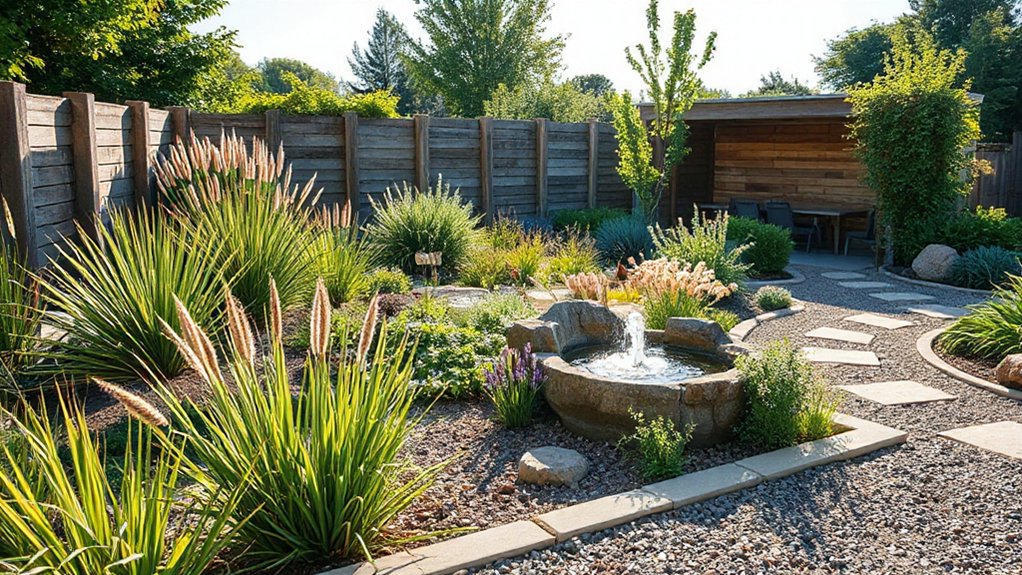
Could sustainable landscaping fit a busy schedule? Yes, and you’ll gain long-term value with minimal weekly effort.
Prioritize low-maintenance zones using durable, drought-tolerant plantings and compact, mulched beds that suppress weeds and reduce edging time.
Choose eco-friendly features like permeable pathways and rain capture to lower irrigation needs without sacrificing curb appeal.
Plan for scale with modular planting beds and raised planter boxes that simplify maintenance and enable quick seasonal tweaks.
Use sustainable materials for hardscapes—slate, timber, or concrete pavers with high wear resistance—to weather gracefully.
Integrate shade and wind screens to protect plantings and outdoor furniture, while a simple drainage plan prevents soggy areas.
A streamlined, design-forward palette keeps upkeep predictable and visually cohesive.
Waterwise Features That Cut Upkeep
You’ll boost curb appeal by selecting low-water planting techniques that thrive with minimal fuss. Pair drought-resistant groundcovers with a smart, efficient irrigation plan to slash maintenance while keeping your borders lush.
Together, these waterwise choices create a design-forward garden that looks great and operates with predictable, reduced upkeep.
Low-Water Planting Techniques
Low-water planting concentrates on selecting drought-tolerant species and smart site design to minimize irrigation and maintenance.
You’ll implement xeriscaping techniques by grouping plants with similar water needs and using mulch to reduce evaporation. Choose drought tolerant plants that thrive in UK climates, then design beds to maximize shading on hot afternoons and minimize exposed soil.
Install efficient irrigation like drip lines targeted at root zones, and schedule watering during cool periods to limit waste. Use native species where possible to boost resilience and reduce upkeep.
- Select drought tolerant plants with low water needs
- Apply mulch to conserve moisture and suppress weeds
- Use efficient irrigation and smart timing for minimal waste
Drought-Resistant Groundcovers
You select drought-tolerant plants that align with xeriscaping principles, prioritizing low water needs and resilience across UK seasons.
Implement a dense, layered groundcover to minimize bare soil and erosion, while improving soil health through organic mulch beneath where appropriate.
Favor compact species with shallow roots for easy maintenance, and design interplays of texture and color to enhance curb appeal.
Plan pathways to reveal the carpet without interrupting its growth, and mix evergreen with seasonal varieties for consistent interest.
This approach delivers long-term cost efficiency, reducing irrigation demands while elevating property presentation for buyers.
Efficient Irrigation Strategies
- Use drip irrigation for targeted, low‑loss watering
- Integrate rainwater harvesting for independence from mains water
- Employ smart controllers and mulch for efficiency
Native Plants for Resilience and Local Appeal
Native plants bolster a garden’s resilience and local appeal by thriving with less water, fewer pests, and minimal maintenance. You’ll select species adapted to UK conditions, ensuring reliable performance with seasonal shifts.
Prioritize native resilience by pairing drought-tolerant options with soil-friendly perennials that support local pollinators, reducing input needs and boosting habitat value. Structure planting in cohesive blocks that echo native habitats, using consultable height contrasts to create flattering silhouettes year-round.
Favor low-fuss shrubs for structure, and groundcovers to suppress weeds while stabilizing soil. Consider microclimates—shady corners, sunny borders, and nutrient-poor beds—to guide species choices.
The result is a landscape that feels authentic, requires less upkeep, and strengthens local appeal for buyers seeking immediacy and long-term value.
Efficient Irrigation: Save Water and Time
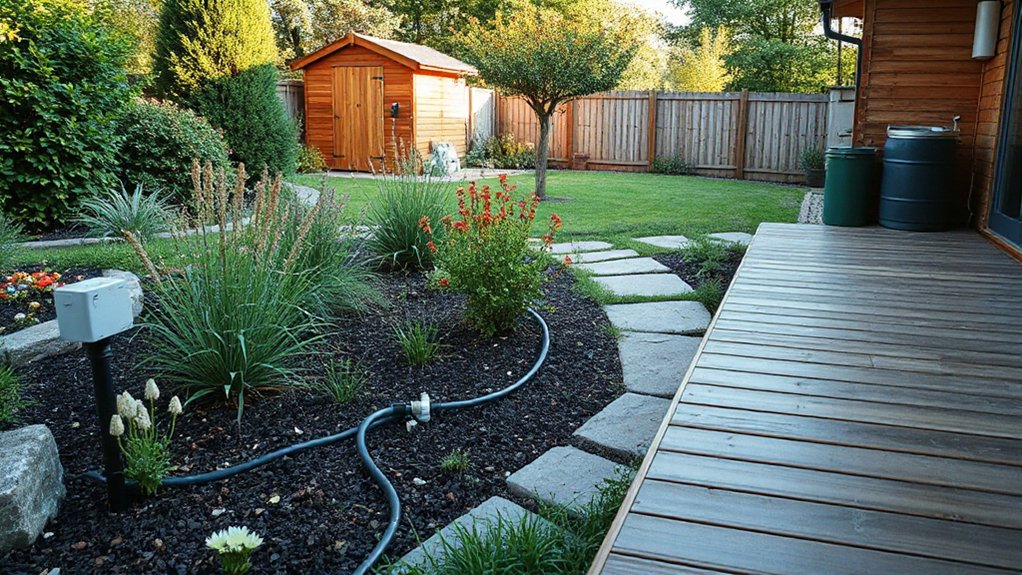
Efficient irrigation saves both water and your time, so you’ll want smart systems that apply the right amount where it’s needed. Use sensors and timed sprinklers to prevent waste and keep beds looking pristine with minimal effort.
Pair water-saving practices with thoughtful plant choices to maximize curb appeal and long-term maintenance efficiency.
Efficient Irrigation Systems
Smart irrigation systems save water, time, and effort by delivering precisely the right amount of moisture to your plants. As you design your landscape, choose efficient solutions that reduce waste while maintaining healthy growth.
Modern systems integrate smart sensors and weather data to tailor irrigation to your soil type and plant needs, ensuring deep, infrequent watering. Pair this with rain harvesting where possible to supplement supply and further cut mains use.
You’ll notice less runoff, healthier lawns, and lower bills, all while preserving UK rainfall patterns. Keep maintenance minimal with robust filtration and simple controller updates that adapt to seasons.
- Smart sensors optimize scheduling and soil moisture
- Rain harvesting complements irrigation reducing mains water
- Zone-specific layouts maximize efficiency and aesthetics
Water-Saving Garden Practices
Tailor schedules to soil type and plant needs, not guesswork, so every drop counts. Rainwater harvesting becomes a core feature, feeding storage tanks and mulch beds to steady supply during dry spells.
Pair this with drought tolerant plants that thrive on reduced irrigation, preserving beauty with minimal maintenance. Choose weather-responsive controllers that adjust for rainfall, and implement mulch to limit evaporation further.
In practice, your garden looks intentional, feels premium, and maintains vibrant appeal for buyers seeking efficient, low-input landscapes.
Boundary Treatments That Define, Not Close In
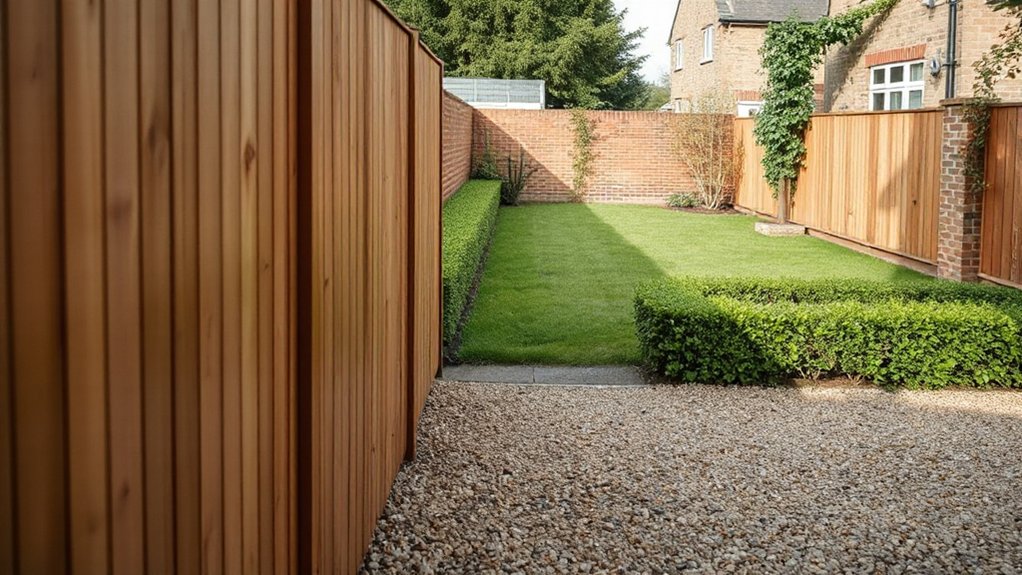
Boundary treatments should define a property’s edge without shrinking the feel of space, using lines that guide the eye while letting light and sightlines pass through. You’ll choose low, permeable borders that imply boundaries without bulk, preserving openness and flow.
Opt for materials with clean profiles and subtle textures to emphasize boundary symbolism rather than enclosure. Garden art accents can punctuate signal points, not barriers, enhancing visual interest while maintaining sightlines.
Use planting layers to soften edges—grasses, dwarf shrubs, and climbers—so outline feels present, not imposing.
- Low fencing in natural tones with open panels
- Decorative, non-blocking gates that hint at entry
- Plant-led edges forming defined yet airy borders
This approach keeps spaces inviting, coherent, and buyer-friendly.
Seasonal Interest Without Messy Maintenance
Seasonal interest that lasts without messy upkeep starts with plants and materials chosen for endurance and low maintenance. You’ll want a backbone of durable evergreen structure, then seasonal blooms that rise and fade without your constant attention.
Choose weather-tough perennials and low-water grasses to anchor beds, with mulch to suppress weeds and conserve moisture. Integrate container displays that rotate with the seasons, using driftwood tones and stone for texture that requires minimal care.
Plan for a color cadence that shifts from spring to autumn, keeping edges clean and accessible for easy maintenance. This approach supports Mess free gardening and predictable appeal, so buyers see ongoing visual interest with minimal effort.
Maintain clear sightlines, avoid clutter, and ensure neat, accessible pathways throughout.
Lighting That Extends Evenings and Boosts Security
Strategic lighting not only extends evenings but also enhances security by defining survey routes and eliminating dark corners. You’ll design a layered outdoor lighting plan that guides footpaths, highlights entry points, and reduces glare at eye level.
Focus on practical, durable fixtures, weather-sealed and energy-efficient, to sustain curb appeal year-round. The right balance of brightness and warmth creates a welcoming, secure impression for buyers.
- Outdoor lighting that backs up perimeter safety while staying tasteful
- Subtle path illumination paired with landmark accents for memorability
- Motion-activated zones near doors and garage to boost security enhancement
Applied thoughtfully, this approach elevates property value, supports quick viewings, and reinforces a sense of controlled, peaceful evenings.
Storage-Friendly Hardscape and Planting Combos

Smart, space-saving hardscape and planting combos maximize storage without sacrificing curb appeal. You’ll design with compact, multi-use features that hide clutter while enhancing first impressions. Use built-in seating with beneath-storage drawers to stow garden tools and cushions, keeping patios tidy and ready for entertaining.
Elevate with tiered planters that maximize vertical growth, freeing ground space for movement and a tidy mower corner. Integrate narrow pathways and pocket gardens to visually expand rooms beyond the house line, boosting perception of space.
Choose garden furniture that folds or nests when not in use, paired with decorative ornaments that act as focal points yet stay low-profile. Prioritize material durability, weather resistance, and cohesive colour palettes to maintain a polished, low-maintenance exterior.
Quick Wins Under £500 That Boost Perceived Value
For under £500, you can elevate curb appeal with quick, high-impact updates that buyers notice first. You’ll gain immediate value by focusing on practical touches that feel premium without a big budget, delivering a design-forward impression at first glance.
- Upgrade to garden furniture that’s compact, weather-ready, and coordinated with your colour scheme.
- Add decorative accents like planters, lighting, and a focal sculpture for texture and warmth.
- Refresh borders and mulch with fresh, dark tones to sharpen contrast and definition.
These tweaks read as intentional and cohesive, signaling smart investment. You’ll notice customers respond to a polished entry, cohesive outdoor seating, and well-considered details that translate into perceived value.
Quick wins, clear impact, lasting impression.
Tailoring Landscapes to UK Property Types
Ever wondered how to tailor landscapes to the distinct rhythms of UK property types? You tailor by aligning scale, materials, and focal points with the home’s curb voice.
For period terraces, preserve rhythm with proportionate borders, subtle plantings, and low-maintenance charm. Modern flats benefit from clean lines, modular planters, and smart lighting to extend usability.
Semi-detached homes welcome mixed borders, evergreen backdrops, and a defined progression from entry to garden, enhancing street appeal.
Dorset cottages thrive with cottage gardens and seasonal color. Urban townhouses gain vertical interest and compact outdoor rooms.
Incorporate garden art as refined accents and create wildlife habitats that support local biodiversity without clutter.
Tailored landscapes reinforce value by echoing architectural language while prioritizing ease of upkeep and year-round interest.
How to Plan a Landscape Makeover: From Budget to Execution
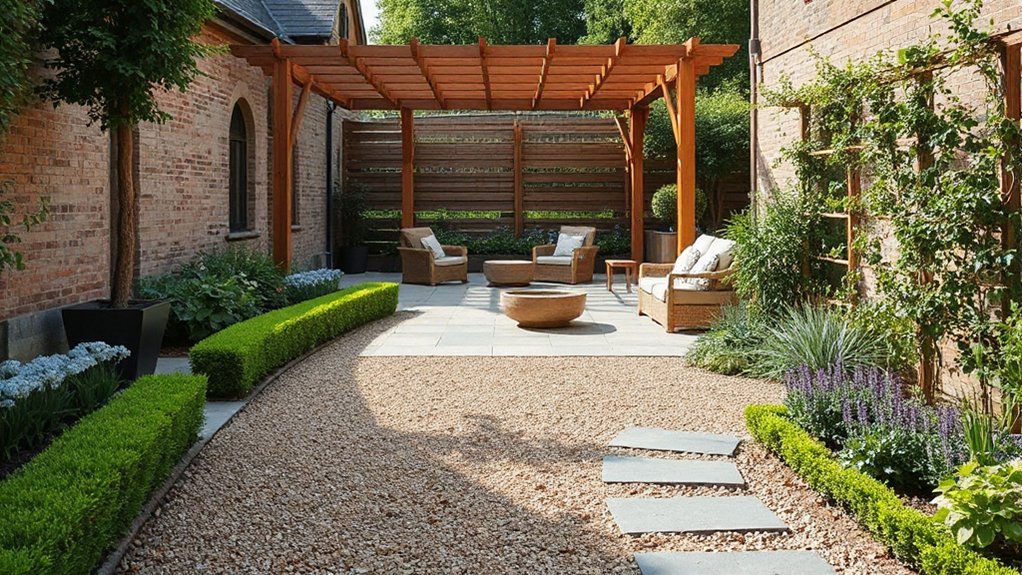
Planning a landscape makeover starts with a clear budget and a practical timeline, then moves to concrete design decisions that maximize impact without waste. You’ll define priorities, select durable materials, and map zones for traffic, entertaining, and maintenance.
Start with a cohesive concept—color palette, textures, and focal points—to guide choices.
- Establish a phased plan that aligns to cash flow and seasonal work
- Choose garden art and outdoor furniture that reinforce the design while staying adaptable
- Favor native plants, smart irrigation, and low-maintenance hardscapes for longevity
Keep it surgical: detail measurements, order timelines, and installation responsibilities. Seek scalable options—expandable seating, modular planters, and lightweight features.
Finalize with a contingency, then execute in order, reviewing progress weekly to avoid waste and ensure a polished, buyer-ready result.
Frequently Asked Questions
How Long Does a Landscaping Upgrade Typically Take?
A landscaping upgrade typically takes a few days to a couple of weeks, depending on scope. You’ll plan garden lighting placements and install outdoor furniture alongside, ensuring cohesive, design-forward results that feel instantaneous yet well-executed.
What Costs Are Involved Beyond Materials?
Satire aside, you’ll face costs beyond materials like garden maintenance and landscaping contractors, plus permits, delivery, waste removal, insurance, and project management fees; plan for contingencies and timeline buffers to keep your design forward and financially sound.
Do Planning Permissions Ever Apply to Garden Changes?
Yes, garden changes can require planning permission, especially if they affect structure, boundary features, or use of land; you’ll need to check local guidelines. Make sure garden privacy remains intact while you navigate necessary approvals and planning permission.
Which Features Yield the Best Resale ROI?
Garden lighting and water features yield strong resale ROI, because you enhance atmosphere and curb appeal. You’ll boost perceived value, extend usability, and differentiate your garden with durable, design-forward accents that attract buyers and justify asking prices.
How to Choose Plants for Extreme UK Winters?
Winter hardy plants thrive when you choose frost resistant shrubs wisely; you’ll optimize structure and texture, you’ll feel confident, you’ll plan ahead, you’ll test soil, you’ll select evergreen backbone—coincidence guides your resilient, design-forward garden choices.
Conclusion
Nice garden moments happen when your curb appeal quietly tells a story buyers trust. You’ll notice how a low-maintenance, year-round palette aligns with practical UK realities, just as a smart, storage-friendly layout mirrors everyday life. Coincidences thread through: a compact hedge lines the path as your afternoon sun bathes the seating area; a budget-friendly, high-impact feature lands perfectly as a potential buyer envisions their routine. Your landscape isn’t flashy—it’s confidently inevitable, elevating value with every considered detail.